Yu Ding - Böcker
Visar alla böcker från författaren Yu Ding. Handla med fri frakt och snabb leverans.
7 produkter
7 produkter
683 kr
Skickas inom 10-15 vardagar
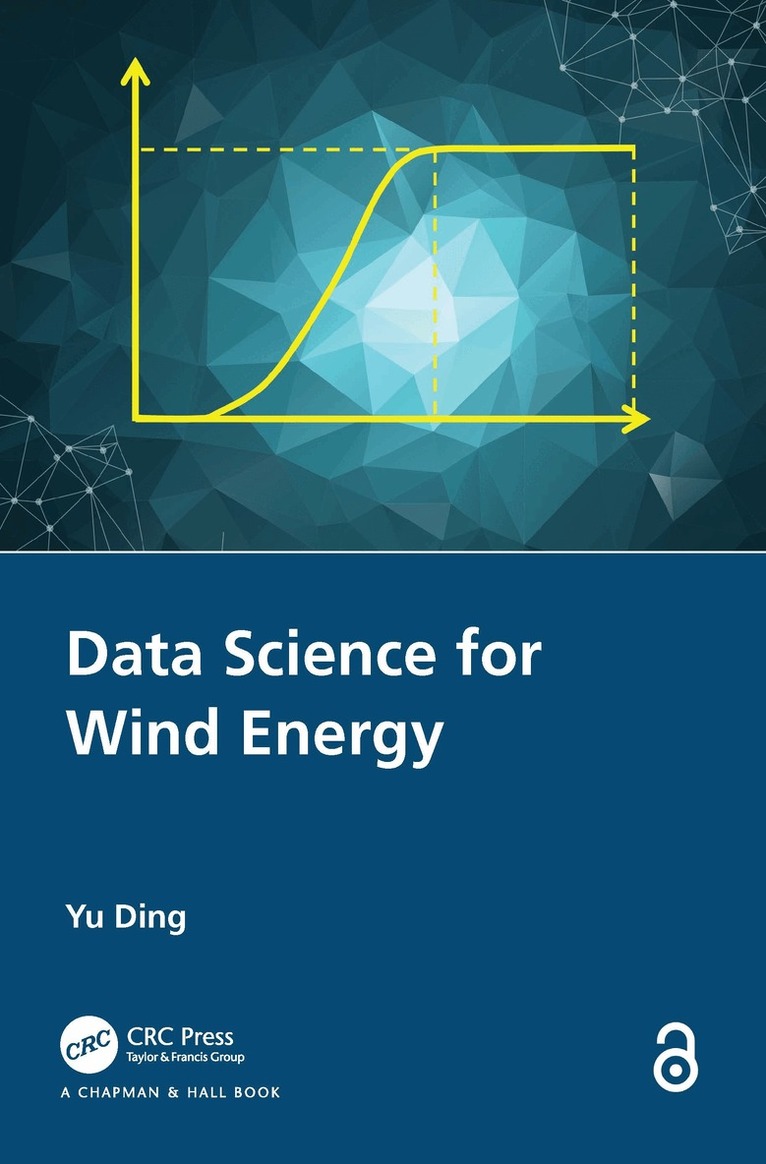
Data Science for Wind Energy provides an in-depth discussion on how data science methods can improve decision making for wind energy applications, near-ground wind field analysis and forecast, turbine power curve fitting and performance analysis, turbine reliability assessment, and maintenance optimization for wind turbines and wind farms. A broad set of data science methods covered, including time series models, spatio-temporal analysis, kernel regression, decision trees, kNN, splines, Bayesian inference, and importance sampling. More importantly, the data science methods are described in the context of wind energy applications, with specific wind energy examples and case studies. Please also visit the author’s book site at https://aml.engr.tamu.edu/book-dswe.FeaturesProvides an integral treatment of data science methods and wind energy applications Includes specific demonstration of particular data science methods and their use in the context of addressing wind energy needs Presents real data, case studies and computer codes from wind energy research and industrial practice Covers material based on the author's ten plus years of academic research and insights The Open Access version of this book, available at http://www.taylorfrancis.com, has been made available under a Creative Commons (CC) 4.0 license.
1 631 kr
Skickas inom 10-15 vardagar
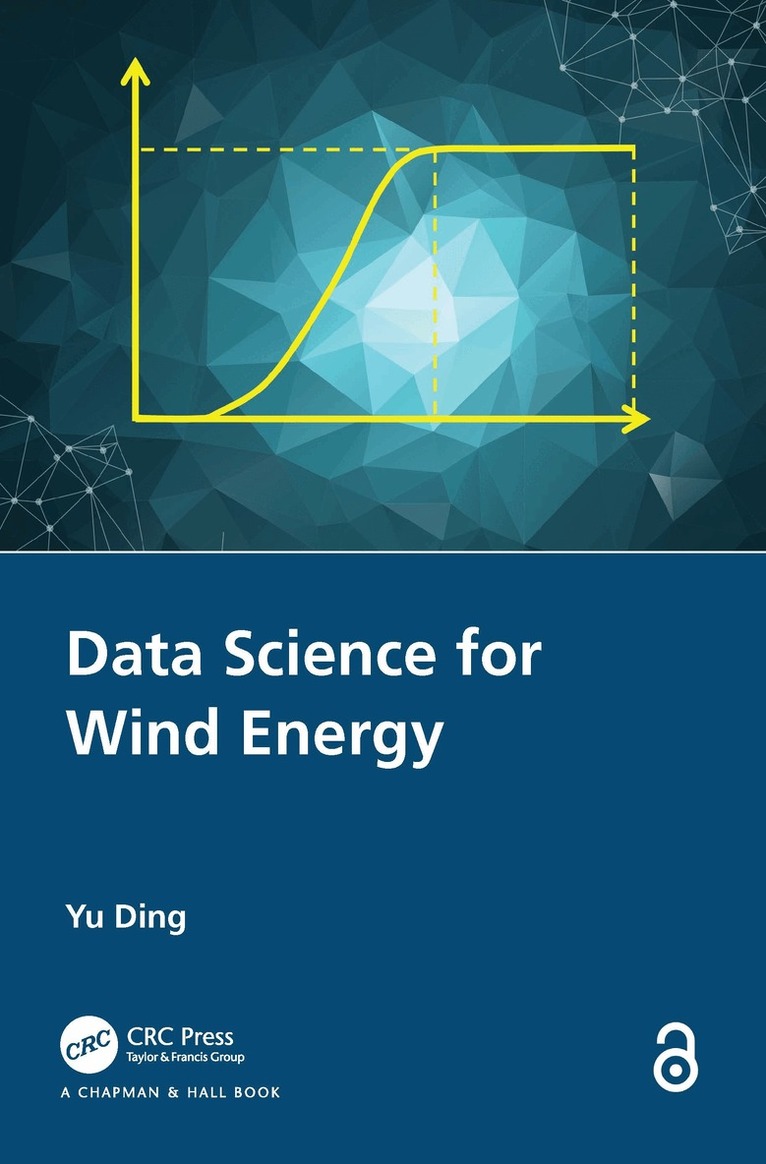
Data Science for Wind Energy provides an in-depth discussion on how data science methods can improve decision making for wind energy applications, near-ground wind field analysis and forecast, turbine power curve fitting and performance analysis, turbine reliability assessment, and maintenance optimization for wind turbines and wind farms. A broad set of data science methods covered, including time series models, spatio-temporal analysis, kernel regression, decision trees, kNN, splines, Bayesian inference, and importance sampling. More importantly, the data science methods are described in the context of wind energy applications, with specific wind energy examples and case studies. Please also visit the author’s book site at https://aml.engr.tamu.edu/book-dswe.FeaturesProvides an integral treatment of data science methods and wind energy applicationsIncludes specific demonstration of particular data science methods and their use in the context of addressing wind energy needsPresents real data, case studies and computer codes from wind energy research and industrial practiceCovers material based on the author's ten plus years of academic research and insights
1 694 kr
Skickas inom 10-15 vardagar
This book combines two distinctive topics: data science/image analysis and materials science. The purpose of this book is to show what type of nano material problems can be better solved by which set of data science methods. The majority of material science research is thus far carried out by domain-specific experts in material engineering, chemistry/chemical engineering, and mechanical & aerospace engineering. The book could benefit materials scientists and manufacturing engineers who were not exposed to systematic data science training while in schools, or data scientists in computer science or statistics disciplines who want to work on material image problems or contribute to materials discovery and optimization.This book provides in-depth discussions of how data science and operations research methods can help and improve nano image analysis, automating the otherwise manual and time-consuming operations for material engineering and enhancing decision making for nano material exploration. A broad set of data science methods are covered, including the representations of images, shape analysis, image pattern analysis, and analysis of streaming images, change points detection, graphical methods, and real-time dynamic modeling and object tracking. The data science methods are described in the context of nano image applications, with specific material science case studies.
1 694 kr
Skickas inom 10-15 vardagar
This book combines two distinctive topics: data science/image analysis and materials science. The purpose of this book is to show what type of nano material problems can be better solved by which set of data science methods. The majority of material science research is thus far carried out by domain-specific experts in material engineering, chemistry/chemical engineering, and mechanical & aerospace engineering. The book could benefit materials scientists and manufacturing engineers who were not exposed to systematic data science training while in schools, or data scientists in computer science or statistics disciplines who want to work on material image problems or contribute to materials discovery and optimization.This book provides in-depth discussions of how data science and operations research methods can help and improve nano image analysis, automating the otherwise manual and time-consuming operations for material engineering and enhancing decision making for nano material exploration. A broad set of data science methods are covered, including the representations of images, shape analysis, image pattern analysis, and analysis of streaming images, change points detection, graphical methods, and real-time dynamic modeling and object tracking. The data science methods are described in the context of nano image applications, with specific material science case studies.
Secure Communications in Unmanned Aerial Vehicle-Enabled Mobile Edge Computing Systems
Häftad, Engelska, 2025
532 kr
Skickas inom 7-10 vardagar
With the rapid evolution of wireless communication technologies, emerging applications like autonomous driving, telemedicine, and virtual reality are becoming integral to modern life. These advancements have significantly increased computing demands and coverage requirements, posing challenges for traditional systems and resource-constrained devices. Unmanned aerial vehicle-assisted mobile edge computing (UAV-assisted MEC) offers an innovative solution, enabling rapid deployment of communication infrastructure and providing efficient computing services for devices. However, the openness and broadcast nature of UAV communications make them highly susceptible to security threats.The book "Secure Communications in Unmanned Aerial Vehicle-Enabled Mobile Edge Computing Systems" explores advanced strategies to secure data transmission in UAV-enabled MEC systems. Furthermore, this book provides a detailed exploration of how physical-layer security techniques can be effectively employed to enhance secure communications within these complex systems. Aimed at researchers, engineers, and professionals in the fields of secure communications, MEC, and UAV technology, the book addresses the growing demand for resilient security frameworks that can handle the dynamic and real-time nature of UAV operations. It offers vital insights for anyone involved in the development of next-generation wireless networks, making it an indispensable reference for those tackling security challenges in UAV-enabled MEC systems.The content covers advanced theoretical insights and technical analysis, offering a comprehensive range of methods to strengthen security in UAV-enabled MEC systems. Key topics include secure offloading strategies, communication modes, edge learning, deep reinforcement learning, reconfigurable intelligent surface, and multiple UAVs collaboration. Additionally, the book delves into physical-layer security techniques such as artificial noise generation and cooperative jamming. These methods aim to safeguard sensitive information from eavesdroppers and secure communication channels at the physical layer. Alongside these security-focused techniques, the book also covers essential optimization strategies, including trajectory optimization, resource allocation under adversarial conditions, which collectively enhance secure performance in UAV-enabled MEC systems.
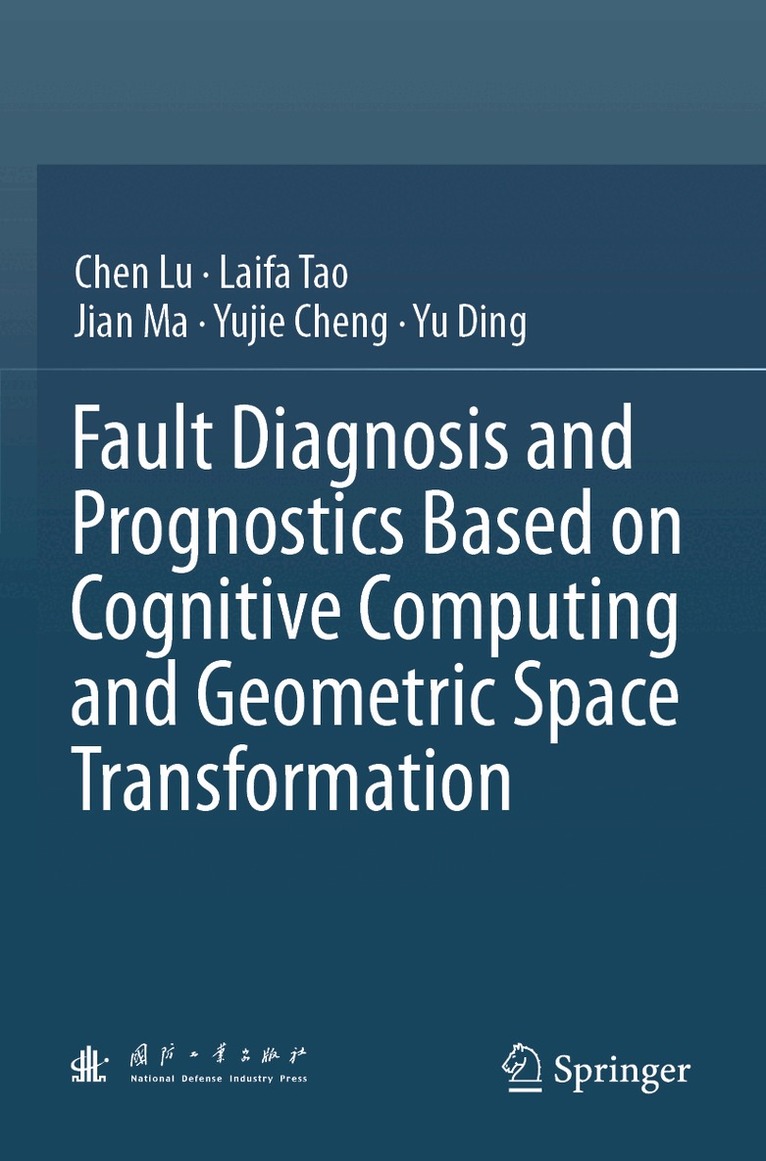
Fault Diagnosis and Prognostics Based on Cognitive Computing and Geometric Space Transformation
Inbunden, Engelska, 2025
2 316 kr
Skickas inom 7-10 vardagar
This monograph introduces readers to new theories and methods applying cognitive computing and geometric space transformation to the field of fault diagnosis and prognostics. It summarizes the basic concepts and technical aspects of fault diagnosis and prognostics technology. Existing bottleneck problems are examined, and the advantages of applying cognitive computing and geometric space transformation are explained. In turn, the book highlights fault diagnosis, prognostic, and health assessment technologies based on cognitive computing methods, including deep learning, transfer learning, visual cognition, and compressed sensing. Lastly, it covers technologies based on differential geometry, space transformation, and pattern recognition.
Fault Diagnosis and Prognostics Based on Cognitive Computing and Geometric Space Transformation
Häftad, Engelska, 2026
2 327 kr
Skickas inom 10-15 vardagar
This monograph introduces readers to new theories and methods applying cognitive computing and geometric space transformation to the field of fault diagnosis and prognostics. It summarizes the basic concepts and technical aspects of fault diagnosis and prognostics technology. Existing bottleneck problems are examined, and the advantages of applying cognitive computing and geometric space transformation are explained. In turn, the book highlights fault diagnosis, prognostic, and health assessment technologies based on cognitive computing methods, including deep learning, transfer learning, visual cognition, and compressed sensing. Lastly, it covers technologies based on differential geometry, space transformation, and pattern recognition.