Yueng-Djern Lenn – författare
Visar alla böcker från författaren Yueng-Djern Lenn. Handla med fri frakt och snabb leverans.
2 produkter
2 produkter
E-bok
Engelska, 2021149 kr
Läs direkt efter köp
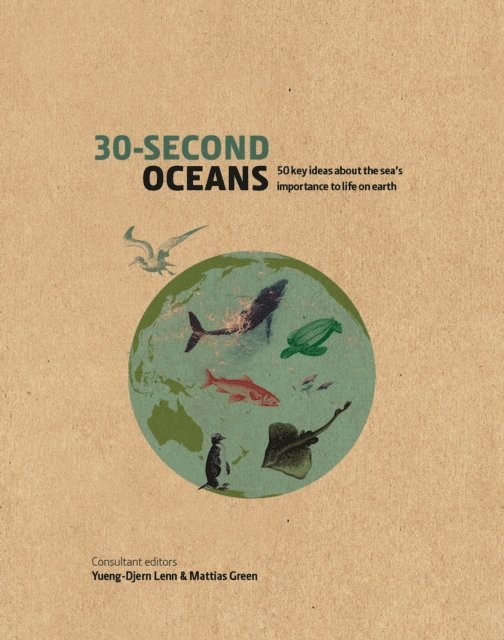
This information-packed book is the complete guide to everything you need to know about the world's oceans, with each conceptOceans cover two thirds of the Earth’s surface and are the driving force behind our weather systems, taking warm and cold water around the globe.Understanding solar radiation, currents, and rising sea levels are vital starting points to understanding and dealing with global warming, and this book covers these and many more essential topics in easily accessible chunks.Join expert authors on a tour of the world’s oceans, taking in waves, continental shelves, icebergs, underwater forests, monsoons, and coral reefs along the way.Learn about the different characteristics of the world’s major oceans, the amazing array of marine life that exists at different depths, how tides work, and what pollution is doing to the seas. There’s never been a more important time to get to grips with how the oceans work.The 30 Second series presents concise, informative guides to the most important topics which shape the world around us, presenting terms which are key to understanding the subject in 30 seconds, 300 words, and one image.
E-bok
Spanska, 202166 kr
Läs direkt efter köp
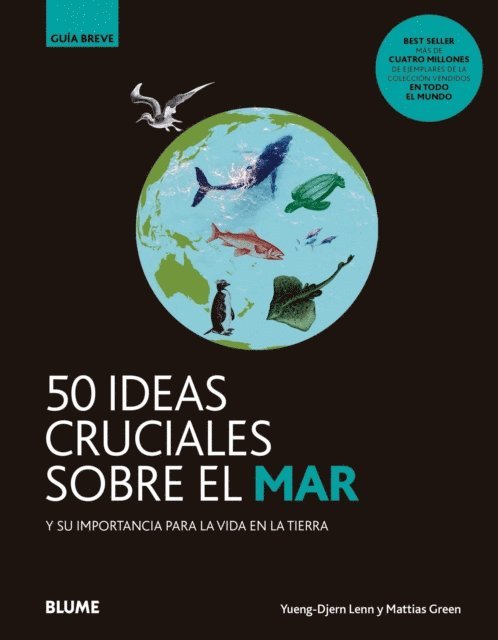
* Más de dos tercios de nuestro planeta están cubiertos de agua, pero ¿cuánto sabemos realmente sobre los océanos, su formación y su funcionamiento? * Sumérjase en este libro para descubrir por qué el mar es tan importante para la vida en la Tierra, ya que determina nuestro clima y acoge una abundante vida marina, y cuál es el verdadero impacto de la contaminación y el cambio climático en este valioso recurso.* Se exploran los mares desde la superficie hasta el lecho marino, pasando por las olas, las plataformas continentales, los glaciares, los monzones y los arrecifes de coral. A lo largo de las páginas de este libro se abordan temas tan específicos como la radiación solar, la contaminación del mar, las peculiaridades de los principales océanos del mundo y la amplia biodiversidad marina que albergan, desde el microscópico fitoplancton hasta la descomunal ballena azul. La acidificación, la contaminación plástica y el calentamiento global alteran y amenazan este ecosistema interconectado. De ahí la importancia de analizar la adaptación que experimentan los procesos en el mar y cómo será este en el futuro si no se detiene el cambio climático.