Yuet-Keung Lo – Författare
Visar alla böcker från författaren Yuet-Keung Lo. Handla med fri frakt och snabb leverans.
4 produkter
4 produkter
1 057 kr
Tillfälligt slut
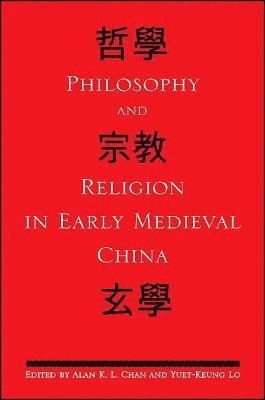
An exploration of Chinese during a time of monumental change, the period after the fall of the Han dynasty.Exploring a time of profound change, this book details the intellectual ferment after the fall of the Han dynasty. Questions about "heaven" and the affairs of the world that had seemed resolved by Han Confucianism resurfaced and demanded reconsideration. New currents in philosophy, religion, and intellectual life emerged to leave an indelible mark on the subsequent development of Chinese thought and culture. This period saw the rise of xuanxue ("dark learning" or "learning of the mysterious Dao"), the establishment of religious Daoism, and the rise of Buddhism. In examining the key ideas of xuanxue and focusing on its main proponents, the contributors to this volume call into question the often-presumed monolithic identity of this broad philosophical front. The volume also highlights the richness and complexity of religion in China during this period, examining the relationship between the Way of the Celestial Master and local, popular religious beliefs and practices, and discussing the relationship between religious Daoism and Buddhism.
402 kr
Tillfälligt slut
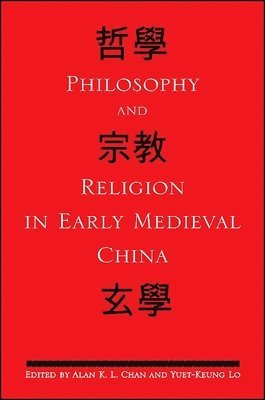
An exploration of Chinese during a time of monumental change, the period after the fall of the Han dynasty.Exploring a time of profound change, this book details the intellectual ferment after the fall of the Han dynasty. Questions about "heaven" and the affairs of the world that had seemed resolved by Han Confucianism resurfaced and demanded reconsideration. New currents in philosophy, religion, and intellectual life emerged to leave an indelible mark on the subsequent development of Chinese thought and culture. This period saw the rise of xuanxue ("dark learning" or "learning of the mysterious Dao"), the establishment of religious Daoism, and the rise of Buddhism. In examining the key ideas of xuanxue and focusing on its main proponents, the contributors to this volume call into question the often-presumed monolithic identity of this broad philosophical front. The volume also highlights the richness and complexity of religion in China during this period, examining the relationship between the Way of the Celestial Master and local, popular religious beliefs and practices, and discussing the relationship between religious Daoism and Buddhism.
1 215 kr
Tillfälligt slut
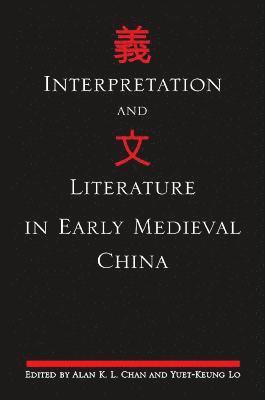
Explores the new literary and interpretive milieu that emerged in the years following the decline of China's Han dynasty.Covering a time of great intellectual ferment and great influence on what was to come, this book explores the literary and hermeneutic world of early medieval China. In addition to profound political changes, the fall of the Han dynasty allowed new currents in aesthetics, literature, interpretation, ethics, and religion to emerge during the Wei-Jin Nanbeichao period. The contributors to this volume present developments in literature and interpretation during this era from a variety of methodological perspectives, frequently highlighting issues hitherto unremarked in Western or even Chinese and Japanese scholarship. These include the rise of new literary and artistic values as the Han declined, changing patterns of patronage that helped reshape literary tastes and genres, and new developments in literary criticism. The religious changes of the period are revealed in the literary self-presentation of spiritual seekers, the influence of Daoism on motifs in poetry, and Buddhist influences on both poetry and historiography. Traditional Chinese literary figures, such as the fox and the ghost, receive fresh analysis about their particular representation during this period.
440 kr
Tillfälligt slut
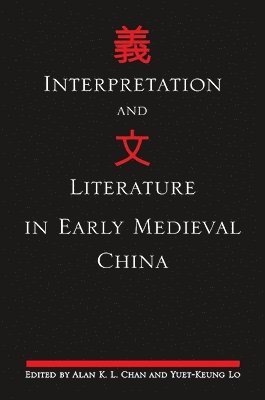
Explores the new literary and interpretive milieu that emerged in the years following the decline of China's Han dynasty.Covering a time of great intellectual ferment and great influence on what was to come, this book explores the literary and hermeneutic world of early medieval China. In addition to profound political changes, the fall of the Han dynasty allowed new currents in aesthetics, literature, interpretation, ethics, and religion to emerge during the Wei-Jin Nanbeichao period. The contributors to this volume present developments in literature and interpretation during this era from a variety of methodological perspectives, frequently highlighting issues hitherto unremarked in Western or even Chinese and Japanese scholarship. These include the rise of new literary and artistic values as the Han declined, changing patterns of patronage that helped reshape literary tastes and genres, and new developments in literary criticism. The religious changes of the period are revealed in the literary self-presentation of spiritual seekers, the influence of Daoism on motifs in poetry, and Buddhist influences on both poetry and historiography. Traditional Chinese literary figures, such as the fox and the ghost, receive fresh analysis about their particular representation during this period.