Yuka Hiruma Kishida - Böcker
Visar alla böcker från författaren Yuka Hiruma Kishida. Handla med fri frakt och snabb leverans.
3 produkter
3 produkter
Kenkoku University and the Experience of Pan-Asianism
Education in the Japanese Empire
Inbunden, Engelska, 2019
1 619 kr
Skickas inom 10-15 vardagar
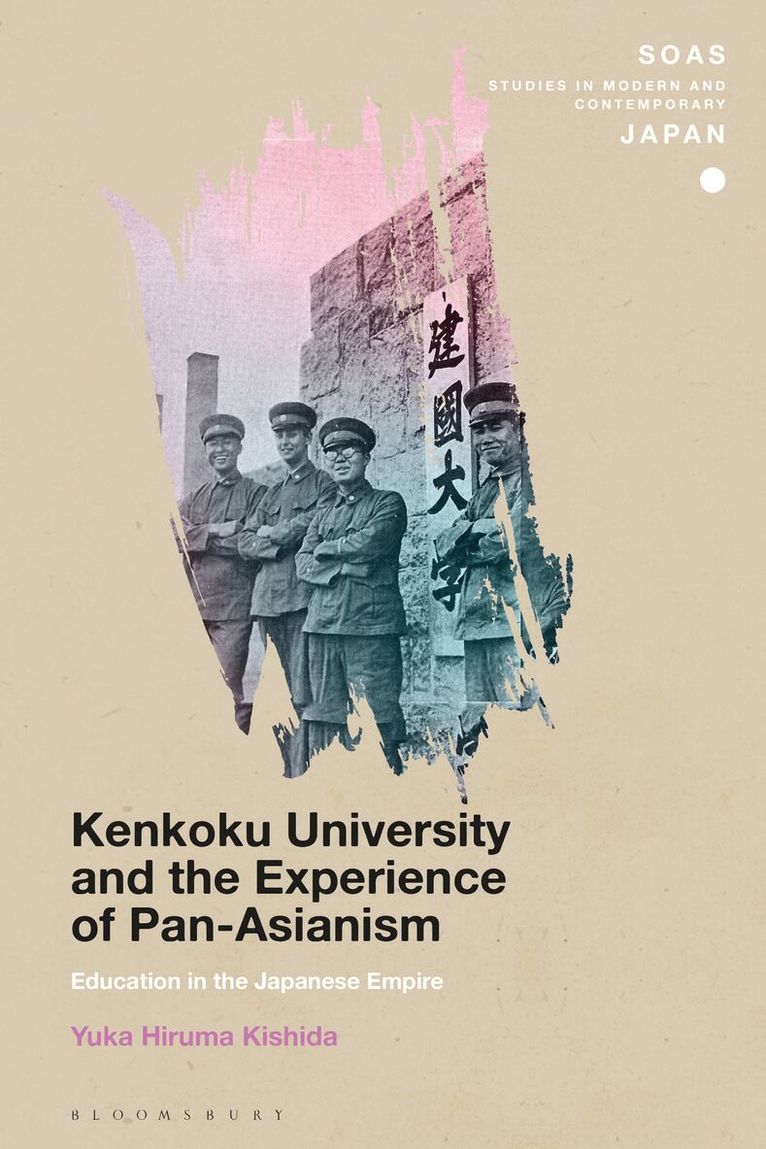
Kenkoku University and the Experience of Pan-Asianism makes a fresh contribution to the recent effort to re-examine the Japanese wartime ideology of Pan-Asianism by focusing on the experiences of students at Kenkoku University or “Nation-Building University,” abbreviated as Kendai (1938-1945). Located in the northeastern provinces of China commonly designated Manchuria, the university proclaimed to realize the goal of minzoku kyowa (“ethnic harmony”). It recruited students of Japanese, Chinese, Korean, Taiwanese, Mongolian and Russian backgrounds and aimed to foster a generation of leaders for the state of Manchukuo. Distinguishing itself from other colonial schools within the Japanese Empire, Kendai promised ethnic equality to its diverse student body, while at the same time imposing Japanese customs and beliefs on all students.In this book, Yuka Hiruma Kishida examines not only the theory and rhetoric of Pan-Asianism as an ideal in the service of the Japanese Empire, but more importantly its implementation in the curriculum and the daily lives of students and faculty whose socioeconomic backgrounds were broadly representative of their respective societies. She draws on archival material which reveals dynamic exchanges of ideas about the meaning of Asian unity among the campus community, and documents convergences as well as clashes of competing articulations of Pan-Asianism. Kishida argues that an idealistic and egalitarian conception of Pan-Asianism exercised considerable appeal late into the Second World War, even as mobilization for total war intensified contradictions between ideal and practice.More than an institutional history, this book makes an important intervention into the historiography on pan-Asianism and Japanese imperialism.
Kenkoku University and the Experience of Pan-Asianism
Education in the Japanese Empire
Häftad, Engelska, 2021
461 kr
Skickas inom 10-15 vardagar
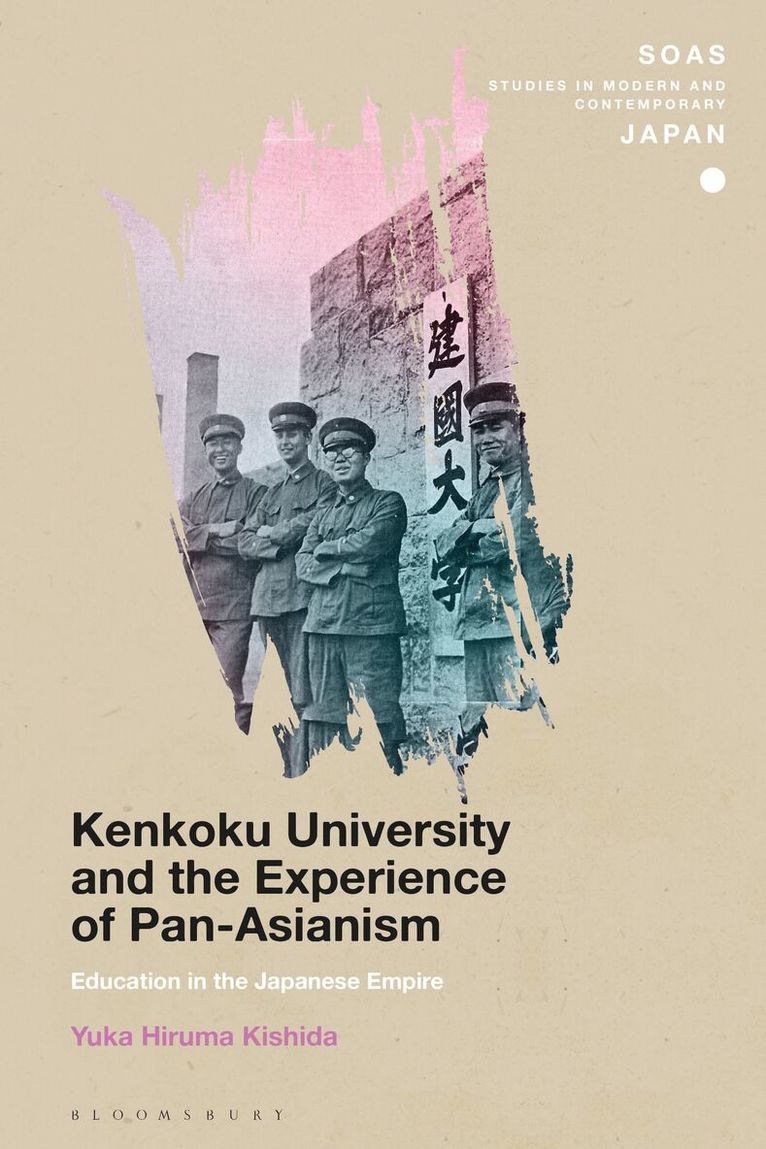
Kenkoku University and the Experience of Pan-Asianism makes a fresh contribution to the recent effort to re-examine the Japanese wartime ideology of Pan-Asianism by focusing on the experiences of students at Kenkoku University or “Nation-Building University,” abbreviated as Kendai (1938-1945). Located in the northeastern provinces of China commonly designated Manchuria, the university proclaimed to realize the goal of minzoku kyowa (“ethnic harmony”). It recruited students of Japanese, Chinese, Korean, Taiwanese, Mongolian and Russian backgrounds and aimed to foster a generation of leaders for the state of Manchukuo. Distinguishing itself from other colonial schools within the Japanese Empire, Kendai promised ethnic equality to its diverse student body, while at the same time imposing Japanese customs and beliefs on all students.In this book, Yuka Hiruma Kishida examines not only the theory and rhetoric of Pan-Asianism as an ideal in the service of the Japanese Empire, but more importantly its implementation in the curriculum and the daily lives of students and faculty whose socioeconomic backgrounds were broadly representative of their respective societies. She draws on archival material which reveals dynamic exchanges of ideas about the meaning of Asian unity among the campus community, and documents convergences as well as clashes of competing articulations of Pan-Asianism. Kishida argues that an idealistic and egalitarian conception of Pan-Asianism exercised considerable appeal late into the Second World War, even as mobilization for total war intensified contradictions between ideal and practice.More than an institutional history, this book makes an important intervention into the historiography on pan-Asianism and Japanese imperialism.
345 kr
Skickas inom 5-8 vardagar
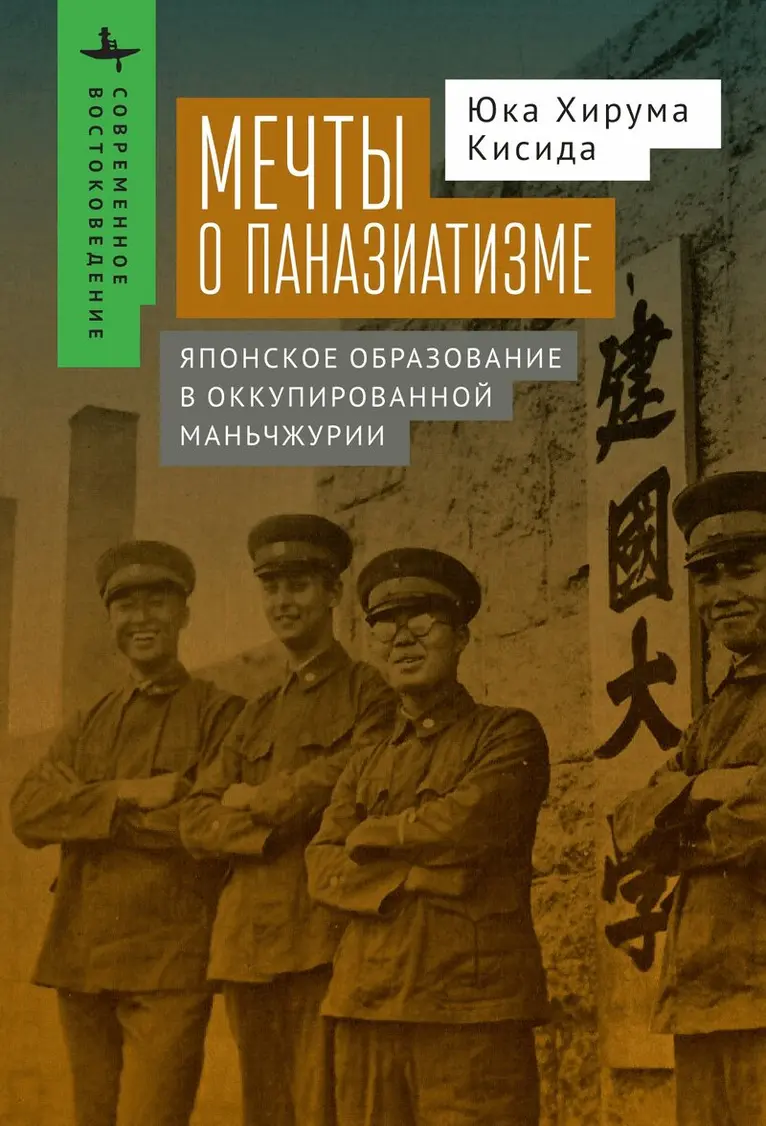
ENG: Kenkoku University and the Experience of Pan-Asianism makes a fresh contribution to the recent effort to re-examine the Japanese wartime ideology of Pan-Asianism by focusing on the experiences of students at Kenkoku University or “Nation-Building University,” abbreviated as Kendai (1938-1945). Located in the northeastern provinces of China commonly designated Manchuria, the university proclaimed to realize the goal of minzoku kyowa (“ethnic harmony”). It recruited students of Japanese, Chinese, Korean, Taiwanese, Mongolian and Russian backgrounds and aimed to foster a generation of leaders for the state of Manchukuo. Distinguishing itself from other colonial schools within the Japanese Empire, Kendai promised ethnic equality to its diverse student body, while at the same time imposing Japanese customs and beliefs on all students.RUS: Во время Второй мировой войны расположенный в оккупированной Маньчжурии университет Кенкоку провозгласил своей целью достижение «этнической гармонии». В него набирали студентов японского, китайского, корейского, тайваньского, монгольского и русского происхождения, а целью обучения было воспитание лидеров для марионеточного государства Маньчжоу-Го. В отличие от других колониальных школ Японской империи, этот университет обещал этническое равенство разнородному контингенту учащихся, но в то же время навязывал всем студентам японские обычаи и верования. В книге предпринята попытка переосмыслить японскую идеологию паназиатского движения, опираясь на свидетельства студентов университета Кенкоку.