Yuka Igarashi – författare
Visar alla böcker från författaren Yuka Igarashi. Handla med fri frakt och snabb leverans.
8 produkter
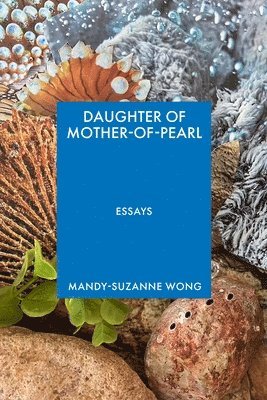
Daughter of Mother-of-Pearl
Av Mandy-Suzanne Wong, Yuka Igarashi
Häftad, 2026
203 kr
Lägg i varukorg
Daughter of Mother-of-Pearl collects Mandy-Suzanne Wong’s reminiscences, dreams, investigations, and experiments in being with small invertebrates whose vulnerability and creativity inspire radical reimaginings of Earthlinghood. In graceful linked essays, Wong wonders: What constitutes a self if a …
Daughter of Mother-of-Pearl
Av Mandy-Suzanne Wong, Yuka Igarashi
E-bok, 2026
192 kr
Lägg i varukorg
Mollusks' innermost selves are absolute secrets because, not only do they hide in shells or distant habitats, but also that's just how it is with innermost selves.Daughter of Mother-of-Pearl collects Mandy-Suzanne Wong's reminiscences, dreams, investigations, and experiments in being with small …
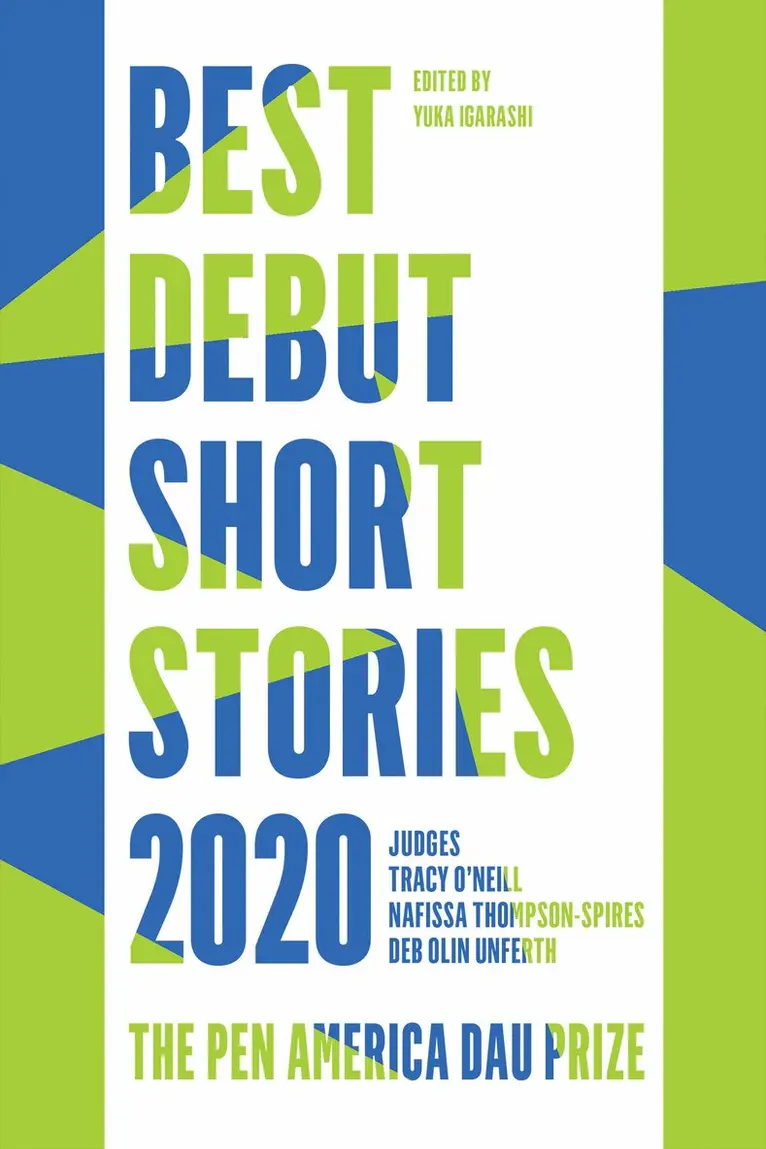
Best Debut Short Stories 2020
The PEN America Dau Prize
Av Yuka Igarashi, Tracy O'Neill m. fl.
Häftad, 2020
195 kr
Lägg i varukorg
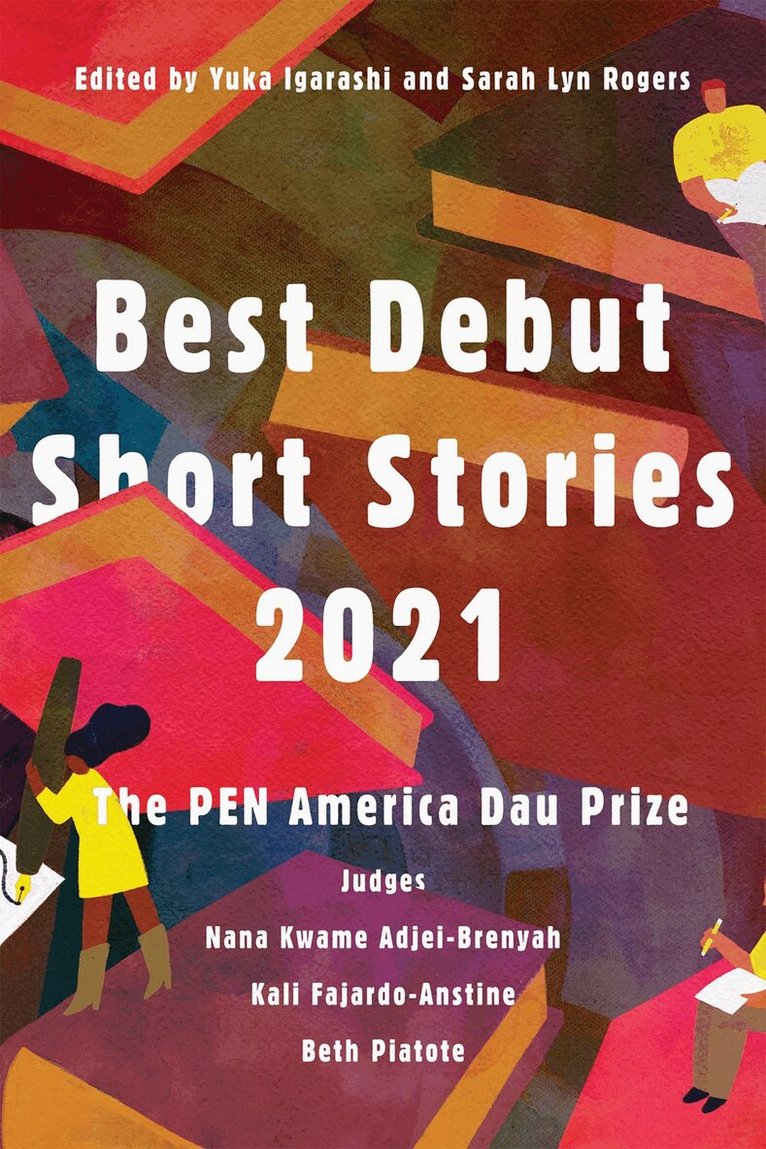
Best Debut Short Stories 2021
The PEN America Dau Prize
Av Nana Kwame Adjei-Brenyah, Kali Fajardo-Anstine m. fl.
Häftad, 2021
198 kr
Lägg i varukorg
The annual—and essential—collection of the newest voices in short fiction, selected this year by Nana Kwame Adjei-Brenyah, Kali Fajardo-Anstine, and Beth Piatote . Who are the most promising short story writers working today? Where do we look to discover the future stars of literary fiction? This …
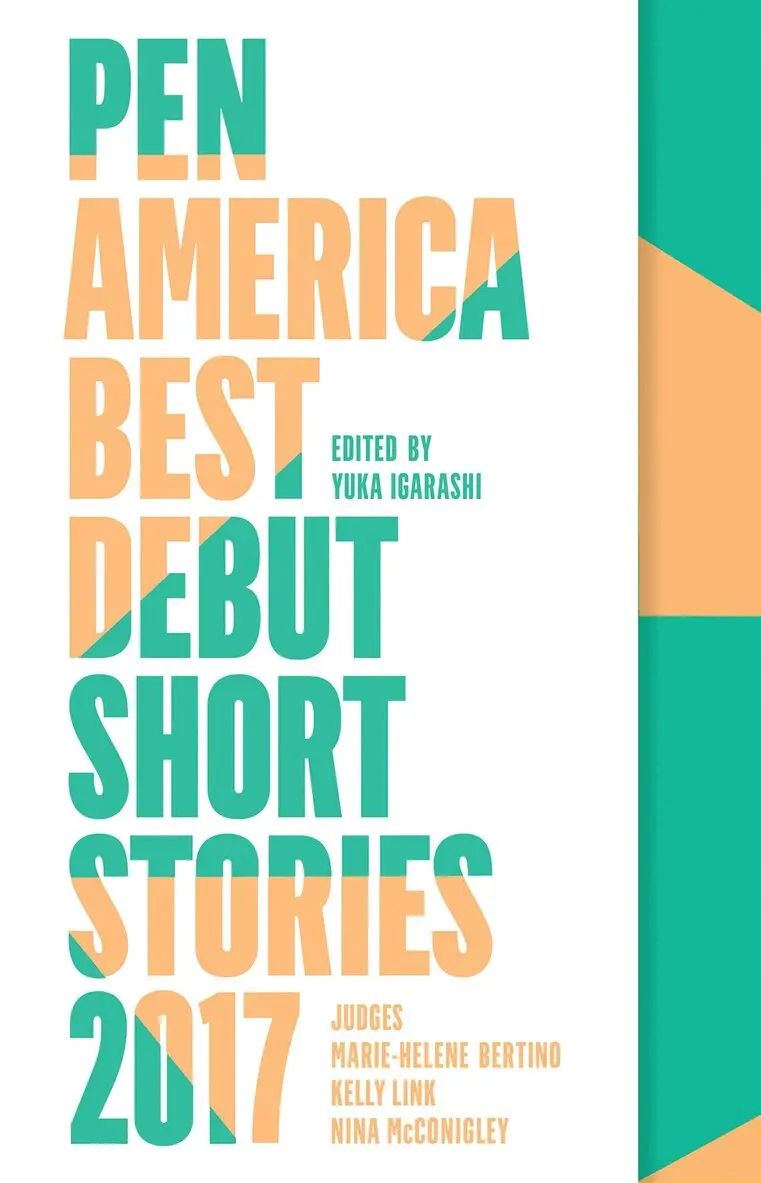
PEN America Best Debut Short Stories 2017
Av Yuka Igarashi, Marie-Helene Bertino m. fl.
Häftad, 2017
198 kr
Lägg i varukorg
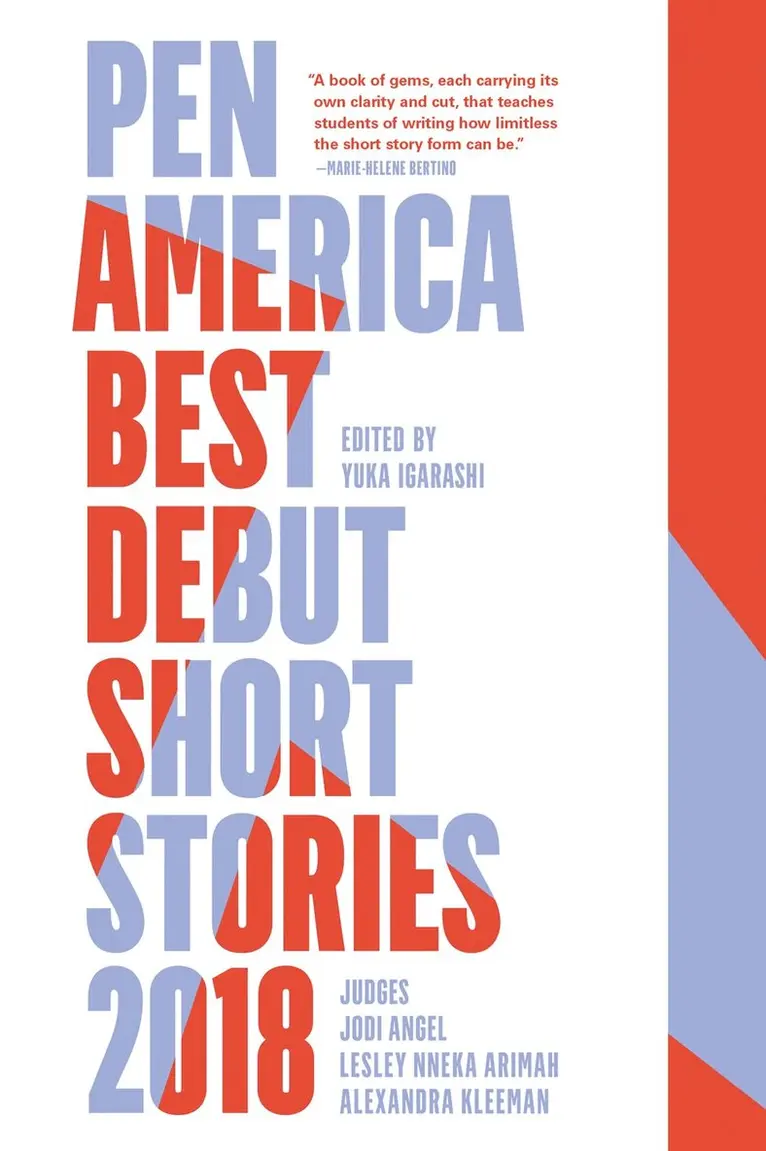
PEN America Best Debut Short Stories 2018
Av Yuka Igarashi, Jodi Angel m. fl.
Häftad, 2018
198 kr
Lägg i varukorg
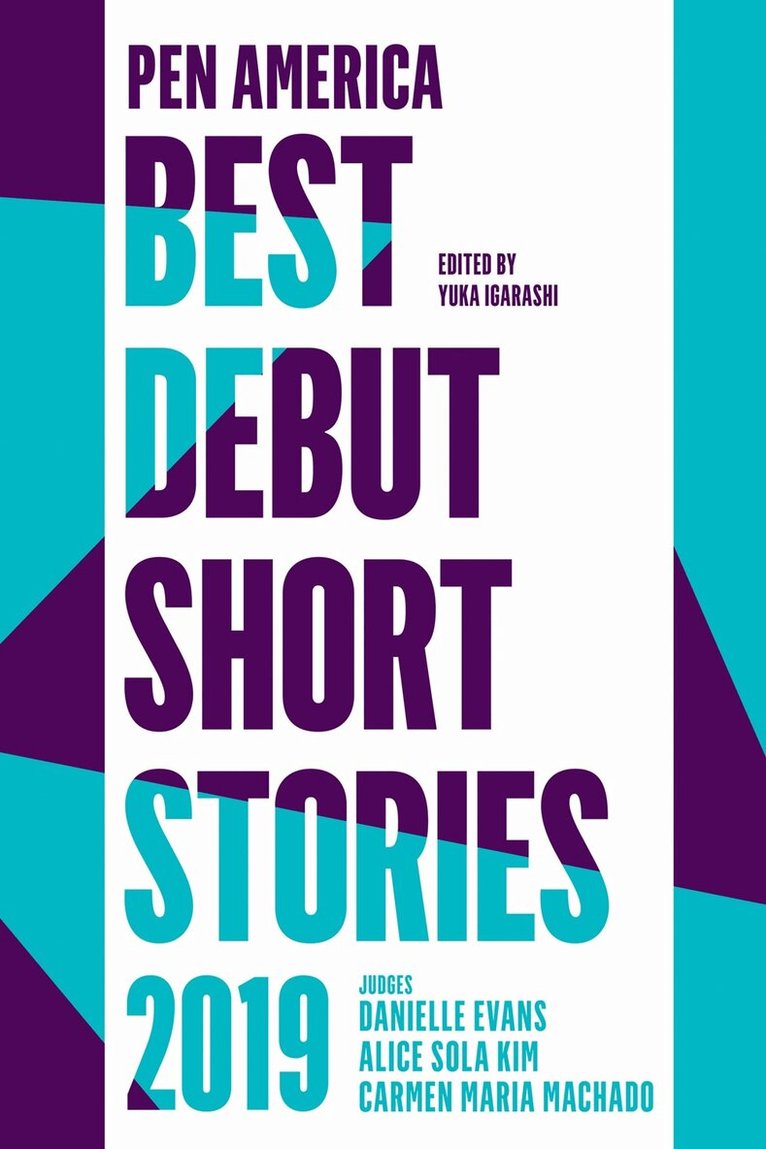
PEN America Best Debut Short Stories 2019
Av Yuka Igarashi, Carmen Maria Machado m. fl.
Häftad, 2019
195 kr
Lägg i varukorg
Granta 127
Japan
Häftad, 2014
162 kr
Tillfälligt slut
Everyone knows this country and no one knows it. This issue presents twenty new Japans by its writers and artists, and by residents and visitors and neighbours. A special edition of Granta published simultaneously in Japanese and English.