Yulia Ustinova – författare
Visar alla böcker från författaren Yulia Ustinova. Handla med fri frakt och snabb leverans.
7 produkter
Caves and the Ancient Greek Mind
Descending Underground in the Search for Ultimate Truth
E-bok, 2009
1723 kr
Lägg i varukorg
Caves and the Ancient Greek Mind analyses techniques of searching for ultimate wisdom in ancient Greece. The Greeks perceived mental experiences of exceptional intensity as resulting from divine intervention. They believed that to share in the immortals'' knowledge, one had to liberate the soul …
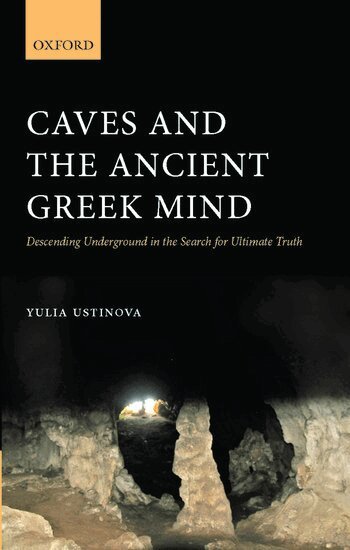
Caves and the Ancient Greek Mind
Descending Underground in the Search for Ultimate Truth
Inbunden, 2009
2765 kr
Lägg i varukorg
Caves and the Ancient Greek Mind analyses techniques of searching for ultimate wisdom in ancient Greece. The Greeks perceived mental experiences of exceptional intensity as resulting from divine intervention. They believed that to share in the immortals' knowledge, one had to liberate the soul from …
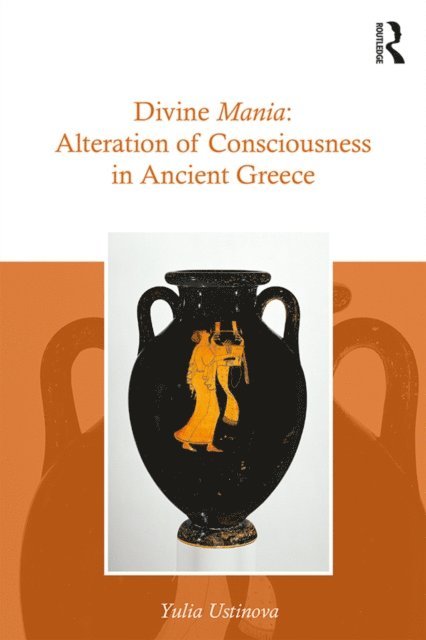
Divine Mania
Alteration of Consciousness in Ancient Greece
Häftad, 2020
704 kr
Lägg i varukorg
‘Our greatest blessings come to us by way of mania, provided it is given us by divine gift,’ – says Socrates in Plato’s Phaedrus. Certain forms of alteration of consciousness, considered to be inspired by supernatural forces, were actively sought in ancient Greece. Divine mania comprises a …
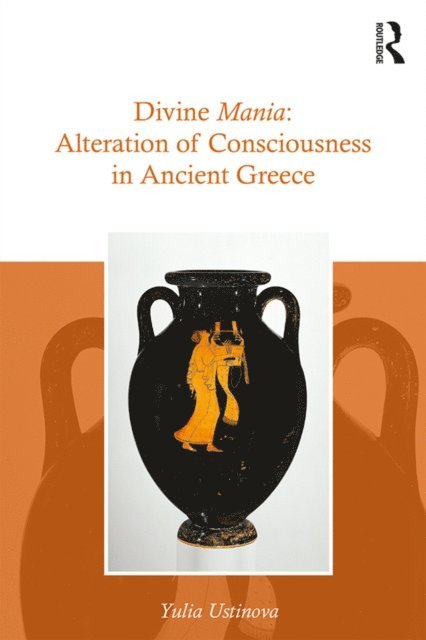
Divine Mania
Alteration of Consciousness in Ancient Greece
Inbunden, 2017
2504 kr
Lägg i varukorg
‘Our greatest blessings come to us by way of mania, provided it is given us by divine gift,’ – says Socrates in Plato’s Phaedrus. Certain forms of alteration of consciousness, considered to be inspired by supernatural forces, were actively sought in ancient Greece. Divine mania comprises a …
Divine Mania
Alteration of Consciousness in Ancient Greece
E-bok, 2017
856 kr
Lägg i varukorg
‘Our greatest blessings come to us by way of mania , provided it is given us by divine gift,’ – says Socrates in Plato’s Phaedrus . Certain forms of alteration of consciousness, considered to be inspired by supernatural forces, were actively sought in ancient Greece. Divine mania comprises a …
Divine Mania
Alteration of Consciousness in Ancient Greece
E-bok, 2017
856 kr
Lägg i varukorg
‘Our greatest blessings come to us by way of mania , provided it is given us by divine gift,’ – says Socrates in Plato’s Phaedrus . Certain forms of alteration of consciousness, considered to be inspired by supernatural forces, were actively sought in ancient Greece. Divine mania comprises a …
Supreme Gods of the Bosporan Kingdom
Celestial Aphrodite and the Most High God
Inbunden, 1998
3691 kr
Lägg i varukorg
This is the first systematic study of the cults of the Bosporan Kingdom, which existed in South Russia in the first centuries AD. The research is based on a variety of sources: archaeological evidence and inscriptions, largely unknown to the non-Russian readers, as well as historical and literary …