Yulia V. Ragulina – författare
Visar alla böcker från författaren Yulia V. Ragulina. Handla med fri frakt och snabb leverans.
8 produkter
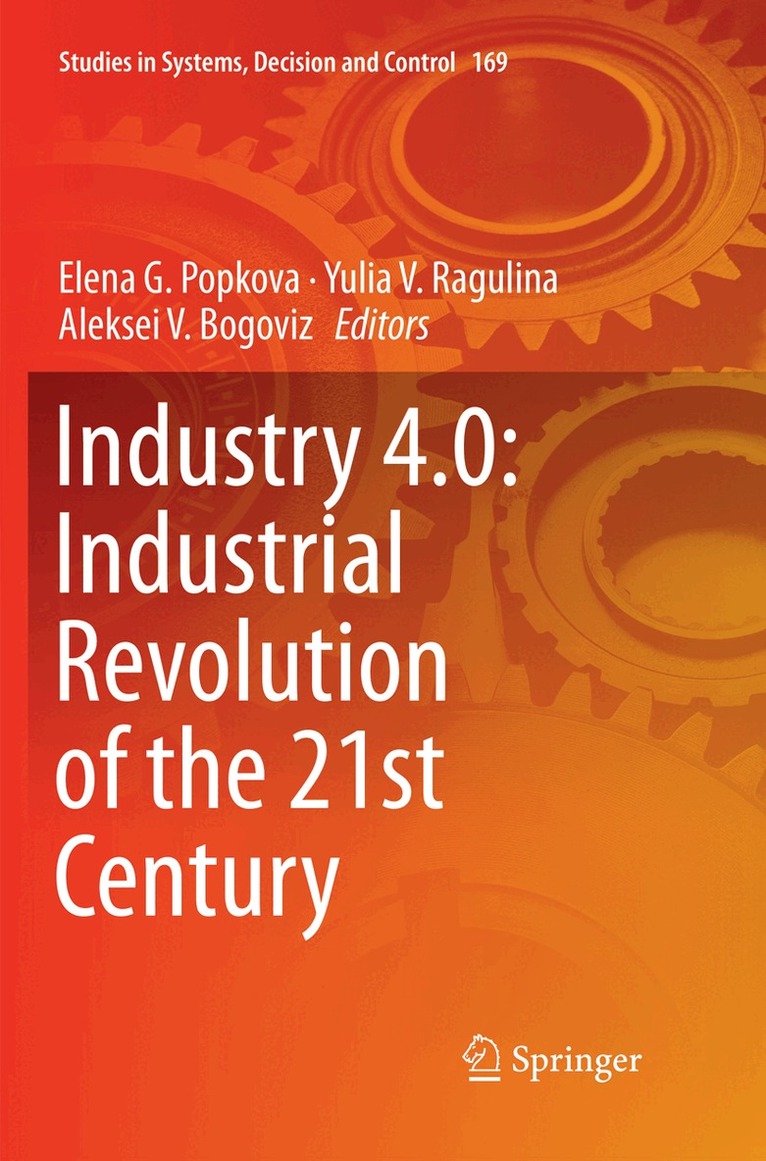
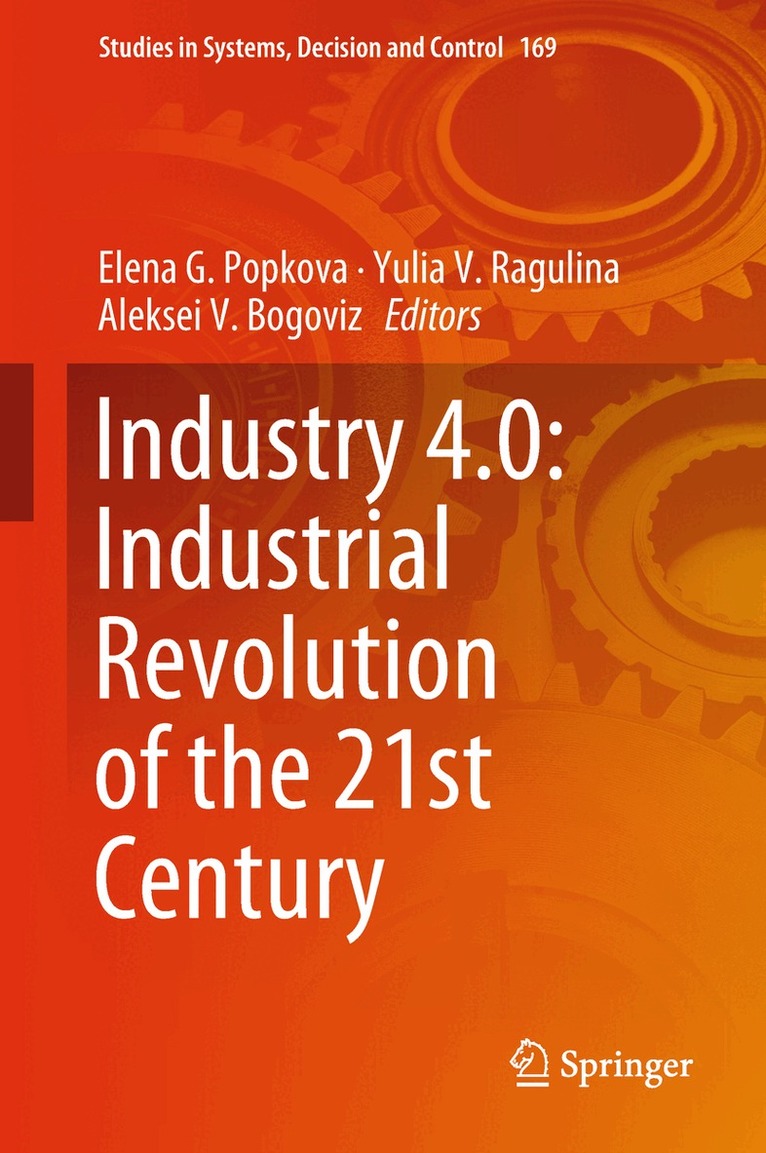
Industry 4.0: Industrial Revolution of the 21st Century
Av Elena G. Popkova, Yulia V. Ragulina m. fl.
Häftad, 2019
1855 kr
Lägg i varukorg
This book addresses a wide range of issues relating to the theoretical substantiation of the necessity of Industry 4.0, the development of the methodological tools for its analysis and evaluation, and practical solutions for effectively managing this process. It particularly focuses on solving the …
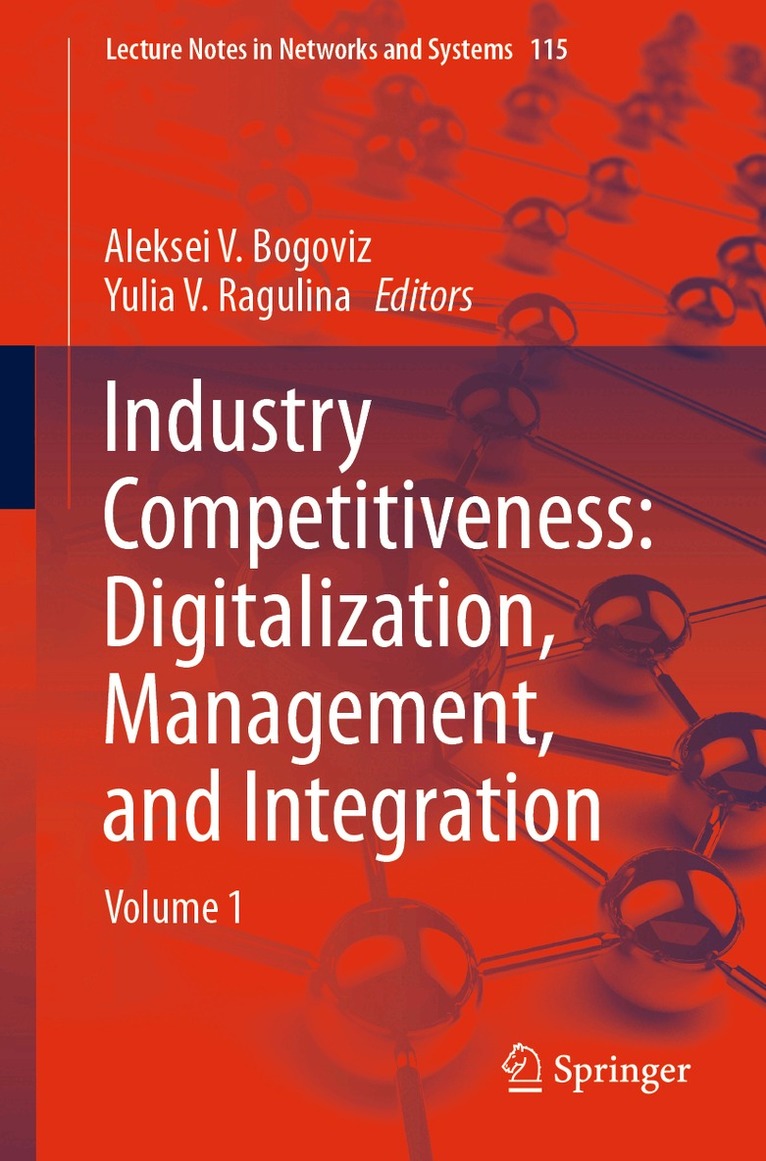
Industry Competitiveness: Digitalization, Management, and Integration
Volume 1
Av Aleksei V. Bogoviz, Yulia V. Ragulina
Häftad, 2020
3051 kr
Lägg i varukorg
This book, with contributions by both leading scholars and industry experts, provides a coherent framework for understanding complex determinants and patterns of industry competitiveness. Divided into eight parts, it covers both quantitative and qualitative research on the following topics: …
Industry Competitiveness: Digitalization, Management, and Integration
Volume 1
Av Yulia V. Ragulina, Aleksei V. Bogoviz
E-bok, 2020
4066 kr
Lägg i varukorg
This book, with contributions by both leading scholars and industry experts, provides a coherent framework for understanding complex determinants and patterns of industry competitiveness. Divided into eight parts, it covers both quantitative and qualitative research on the following topics: …
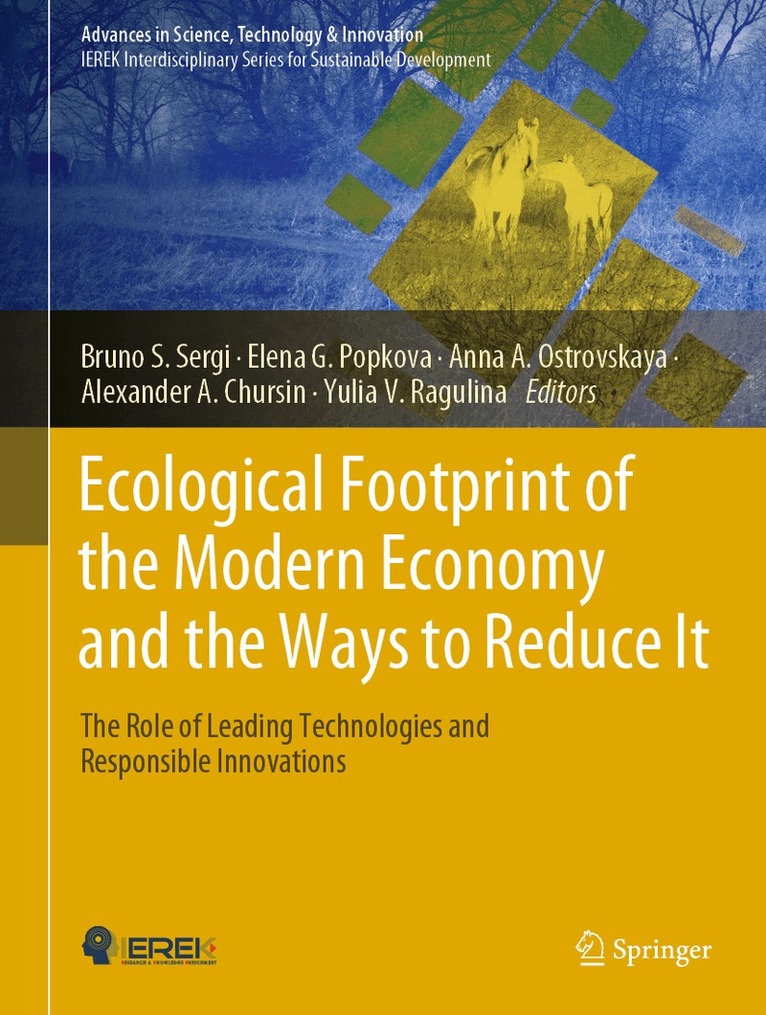
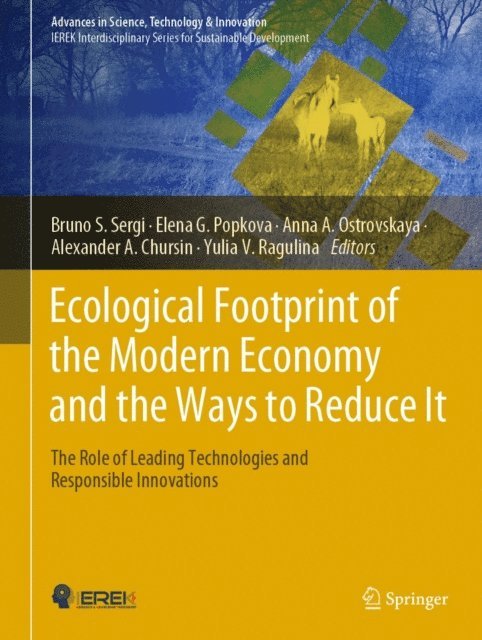
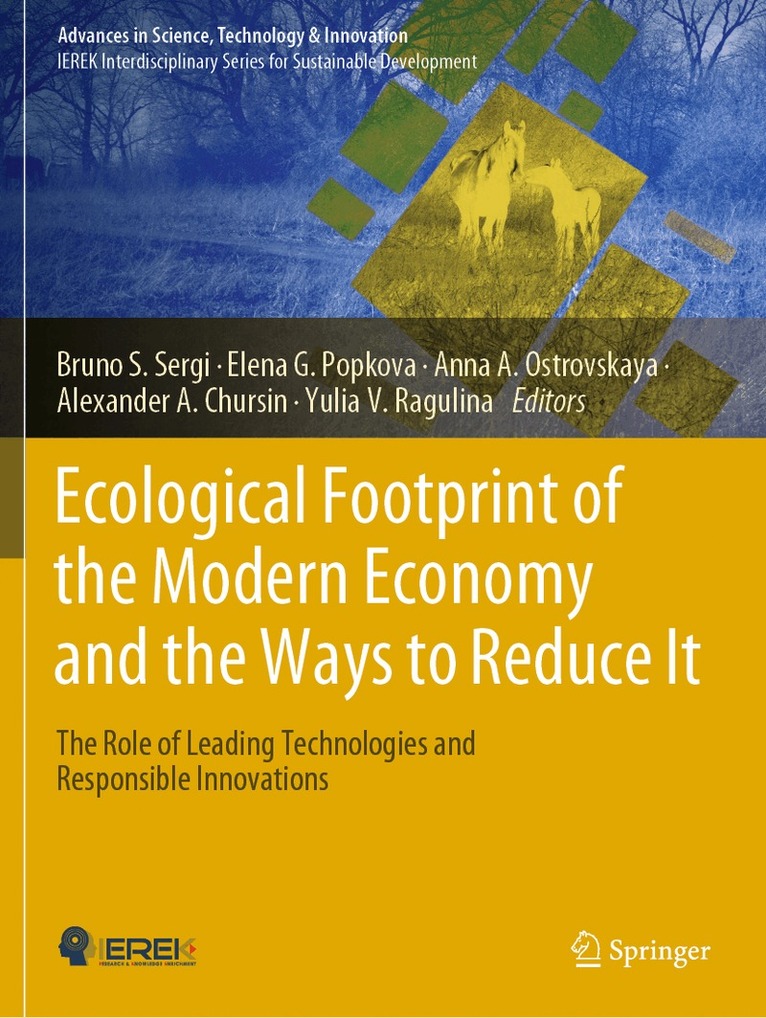
Ecological Footprint of the Modern Economy and the Ways to Reduce It
The Role of Leading Technologies and Responsible Innovations
Av Bruno S. Sergi, Elena G. Popkova m. fl.
Inbunden, 2024
2399 kr
Lägg i varukorg
This book is devoted to the systems rethinking of the role of the leading digital technologies and circular innovations to reduce the environmental footprint of the modern economy. The target audience of this book consists of scientists who explore environmental economics, energy economics, and …
Ecological Footprint of the Modern Economy and the Ways to Reduce It
The Role of Leading Technologies and Responsible Innovations
Av Yulia V. Ragulina, Alexander A. Chursin m. fl.
E-bok, 2024
3181 kr
Lägg i varukorg
This book is devoted to the systems rethinking of the role of the leading digital technologies and circular innovations to reduce the environmental footprint of the modern economy. The target audience of this book consists of scientists who explore environmental economics, energy economics, and …
Ecological Footprint of the Modern Economy and the Ways to Reduce It
The Role of Leading Technologies and Responsible Innovations
Av Bruno S. Sergi, Elena G. Popkova m. fl.
Häftad, 2025
2399 kr
Lägg i varukorg
This book is devoted to the systems rethinking of the role of the leading digital technologies and circular innovations to reduce the environmental footprint of the modern economy. The target audience of this book consists of scientists who explore environmental economics, energy economics, and …
Industry 4.0: Industrial Revolution of the 21st Century
Av Elena G. Popkova, Yulia V. Ragulina m. fl.
Inbunden, 2018
1855 kr
Lägg i varukorg
This book addresses a wide range of issues relating to the theoretical substantiation of the necessity of Industry 4.0, the development of the methodological tools for its analysis and evaluation, and practical solutions for effectively managing this process. It particularly focuses on solving the …
Industry 4.0: Industrial Revolution of the 21st Century
Av Aleksei V. Bogoviz, Yulia V. Ragulina m. fl.
E-bok, 2018
2384 kr
Lägg i varukorg
This book addresses a wide range of issues relating to the theoretical substantiation of the necessity of Industry 4.0, the development of the methodological tools for its analysis and evaluation, and practical solutions for effectively managing this process. It particularly focuses on solving the …