Yuriko Furuhata – författare
Visar alla böcker från författaren Yuriko Furuhata. Handla med fri frakt och snabb leverans.
8 produkter
8 produkter
Inbunden, Engelska, 2013
1 589 kr
Skickas inom 5-8 vardagar
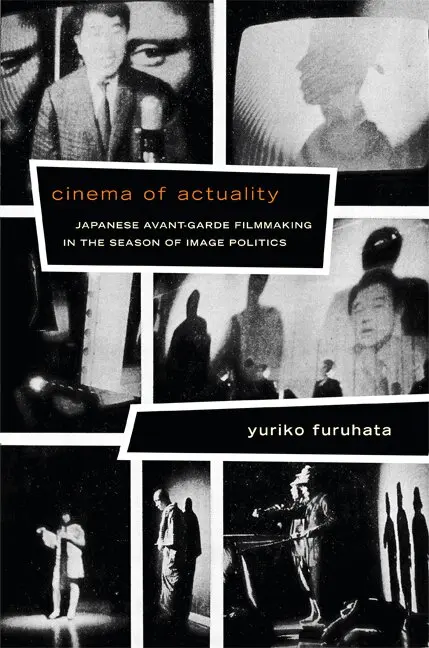
During the 1960s and early 1970s, Japanese avant-garde filmmakers intensely explored the shifting role of the image in political activism and media events. Known as the "season of politics," the era was filled with widely covered dramatic events from hijackings and hostage crises to student protests. This season of politics was, Yuriko Furuhata argues, the season of image politics. Well-known directors, including Oshima Nagisa, Matsumoto Toshio, Wakamatsu Kōji, and Adachi Masao, appropriated the sensationalized media coverage of current events, turning news stories into material for timely critique and intermedial experimentation. Cinema of Actuality analyzes Japanese avant-garde filmmakers' struggle to radicalize cinema in light of the intensifying politics of spectacle and a rapidly changing media environment, one that was increasingly dominated by television. Furuhata demonstrates how avant-garde filmmaking intersected with media history, and how sophisticated debates about film theory emerged out of dialogues with photography, television, and other visual arts.
Häftad, Engelska, 2013
378 kr
Skickas
During the 1960s and early 1970s, Japanese avant-garde filmmakers intensely explored the shifting role of the image in political activism and media events. Known as the "season of politics," the era was filled with widely covered dramatic events from hijackings and hostage crises to student protests. This season of politics was, Yuriko Furuhata argues, the season of image politics. Well-known directors, including Oshima Nagisa, Matsumoto Toshio, Wakamatsu Kōji, and Adachi Masao, appropriated the sensationalized media coverage of current events, turning news stories into material for timely critique and intermedial experimentation. Cinema of Actuality analyzes Japanese avant-garde filmmakers' struggle to radicalize cinema in light of the intensifying politics of spectacle and a rapidly changing media environment, one that was increasingly dominated by television. Furuhata demonstrates how avant-garde filmmaking intersected with media history, and how sophisticated debates about film theory emerged out of dialogues with photography, television, and other visual arts.
E-bok
PDF, Engelska, 2013570 kr
Läs direkt efter köp
During the 1960s and early 1970s, Japanese avant-garde filmmakers intensely explored the shifting role of the image in political activism and media events. Known as the "season of politics," the era was filled with widely covered dramatic events from hijackings and hostage crises to student protests. This season of politics was, Yuriko Furuhata argues, the season of image politics. Well-known directors, including Oshima Nagisa, Matsumoto Toshio, Wakamatsu Kōji, and Adachi Masao, appropriated the sensationalized media coverage of current events, turning news stories into material for timely critique and intermedial experimentation. Cinema of Actuality analyzes Japanese avant-garde filmmakers'' struggle to radicalize cinema in light of the intensifying politics of spectacle and a rapidly changing media environment, one that was increasingly dominated by television. Furuhata demonstrates how avant-garde filmmaking intersected with media history, and how sophisticated debates about film theory emerged out of dialogues with photography, television, and other visual arts.
Inbunden, Engelska, 2022
1 165 kr
Skickas inom 5-8 vardagar
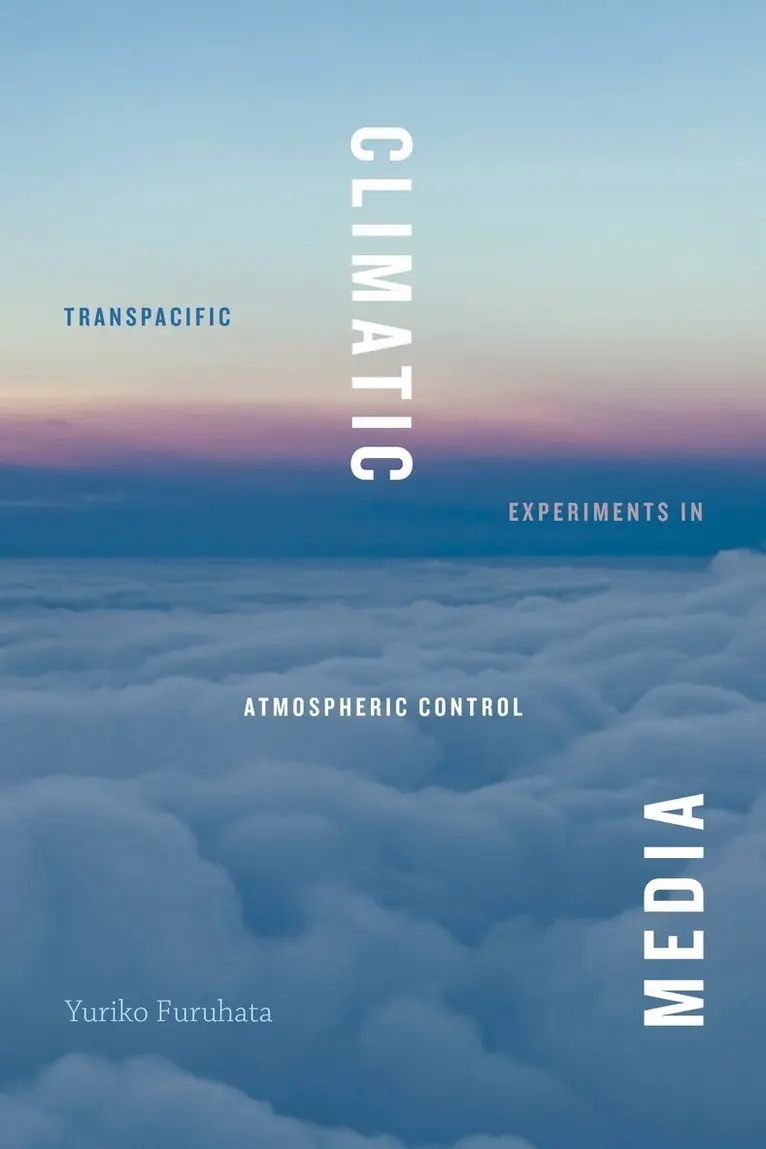
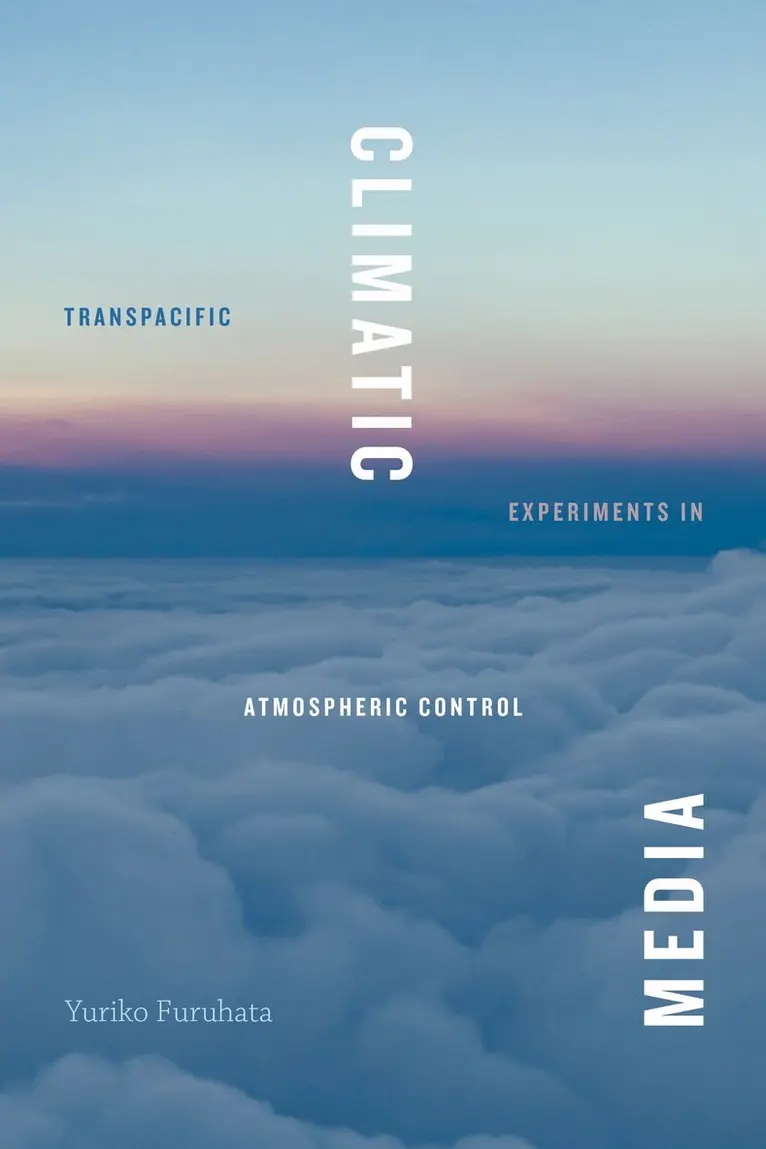
In Climatic Media, Yuriko Furuhata traces climate engineering from the early twentieth century to the present, emphasizing the legacies of Japan’s empire building and its Cold War alliance with the United States. Furuhata boldly expands the scope of media studies to consider technologies that chemically “condition” Earth’s atmosphere and socially “condition” the conduct of people, focusing on the attempts to monitor and modify indoor and outdoor atmospheres by Japanese scientists, technicians, architects, and artists in conjunction with their American counterparts. She charts the geopolitical contexts of what she calls climatic media by examining a range of technologies such as cloud seeding and artificial snowflakes, digital computing used for weather forecasting and weather control, cybernetics for urban planning and policing, Nakaya Fujiko’s fog sculpture, and the architectural experiments of Tange Lab and the Metabolists, who sought to design climate-controlled capsule housing and domed cities. Furuhata’s transpacific analysis offers a novel take on the elemental conditions of media and climate change.
Häftad, Engelska, 2022
285 kr
Skickas
In Climatic Media, Yuriko Furuhata traces climate engineering from the early twentieth century to the present, emphasizing the legacies of Japan’s empire building and its Cold War alliance with the United States. Furuhata boldly expands the scope of media studies to consider technologies that chemically “condition” Earth’s atmosphere and socially “condition” the conduct of people, focusing on the attempts to monitor and modify indoor and outdoor atmospheres by Japanese scientists, technicians, architects, and artists in conjunction with their American counterparts. She charts the geopolitical contexts of what she calls climatic media by examining a range of technologies such as cloud seeding and artificial snowflakes, digital computing used for weather forecasting and weather control, cybernetics for urban planning and policing, Nakaya Fujiko’s fog sculpture, and the architectural experiments of Tange Lab and the Metabolists, who sought to design climate-controlled capsule housing and domed cities. Furuhata’s transpacific analysis offers a novel take on the elemental conditions of media and climate change.
E-bok
PDF, Engelska, 2022440 kr
Läs direkt efter köp
In Climatic Media, Yuriko Furuhata traces climate engineering from the early twentieth century to the present, emphasizing the legacies of Japan’s empire building and its Cold War alliance with the United States. Furuhata boldly expands the scope of media studies to consider technologies that chemically “condition” Earth’s atmosphere and socially “condition” the conduct of people, focusing on the attempts to monitor and modify indoor and outdoor atmospheres by Japanese scientists, technicians, architects, and artists in conjunction with their American counterparts. She charts the geopolitical contexts of what she calls climatic media by examining a range of technologies such as cloud seeding and artificial snowflakes, digital computing used for weather forecasting and weather control, cybernetics for urban planning and policing, Nakaya Fujiko’s fog sculpture, and the architectural experiments of Tange Lab and the Metabolists, who sought to design climate-controlled capsule housing and domed cities. Furuhata’s transpacific analysis offers a novel take on the elemental conditions of media and climate change.
Inbunden, Engelska, 2026
1 290 kr
Kommande
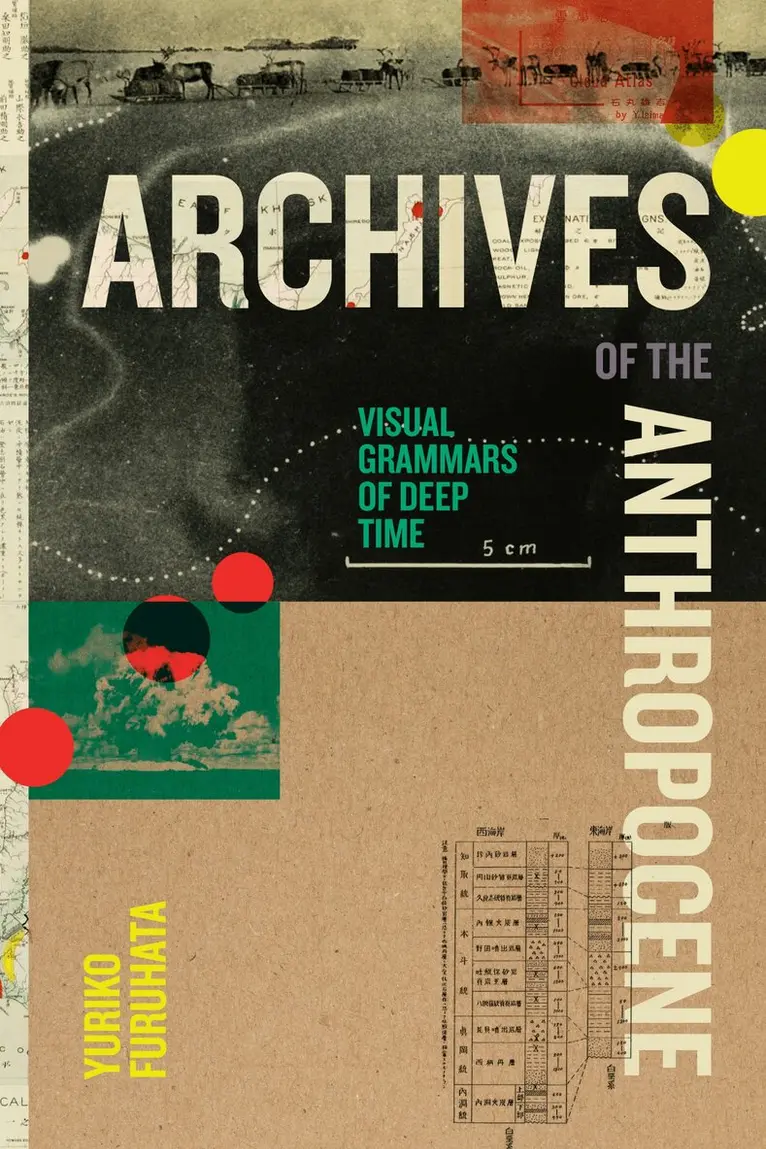
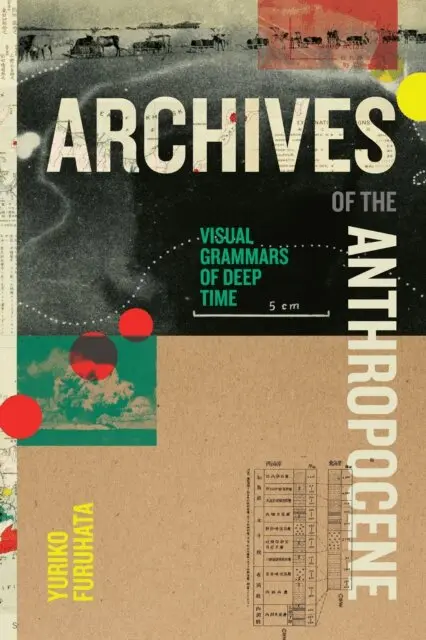
From geological maps to photographs and films of snow, ice, clouds, and coral reefs, visual inscriptions mediate the construction and codification of extractive modes of seeing Earth’s subterranean depths and aerial heights. Tracing the territorial ambitions of the archipelagic empires of Japan and the United States in the twentieth century, Archives of the Anthropocene explores crucial moments of overlap between the geoscientific history of studying Earth’s deep time and the geopolitical history of territorialization, militarization, and extraction in the Pacific and polar regions. By engaging with contemporary critiques of settler colonialism, liberal humanism, and nonhuman labor from the perspective of environmental media studies, Yuriko Furuhata unsettles the anthropocentric and universalist narrative of the Anthropocene, calling us to instead imagine an anticolonial and anti-imperial future for the planet.
Häftad, Engelska, 2026
316 kr
Kommande
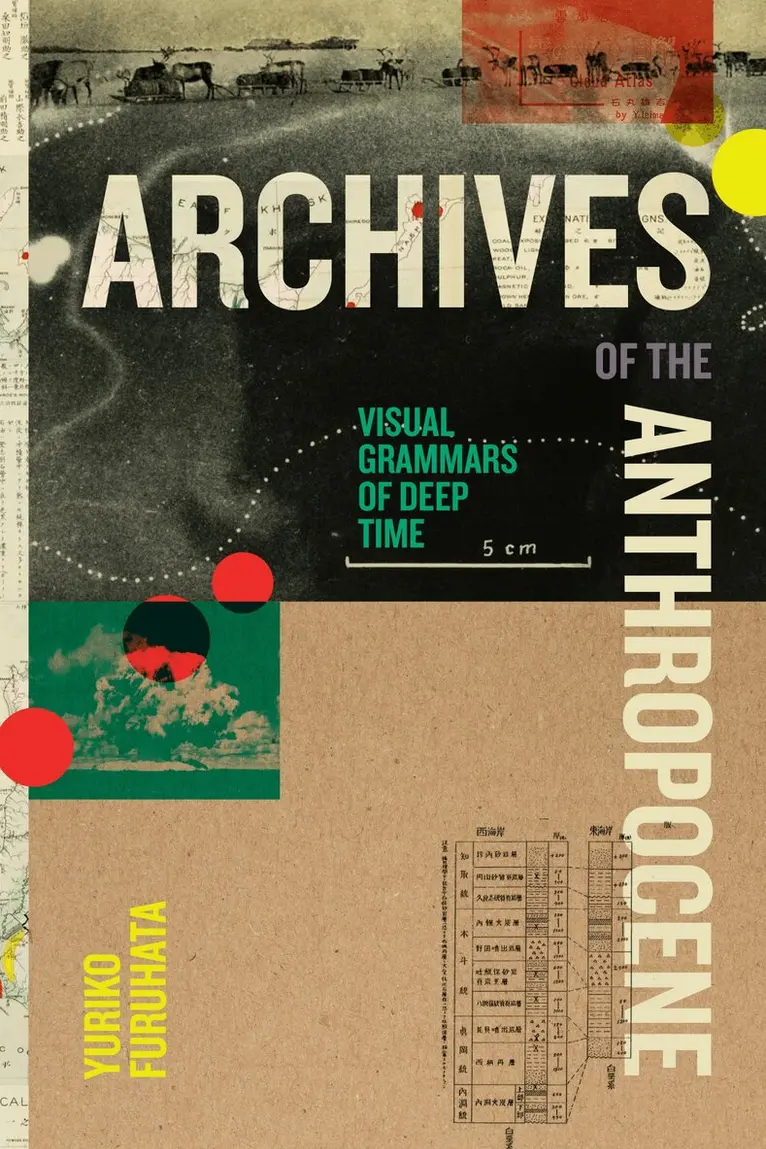
From geological maps to photographs and films of snow, ice, clouds, and coral reefs, visual inscriptions mediate the construction and codification of extractive modes of seeing Earth’s subterranean depths and aerial heights. Tracing the territorial ambitions of the archipelagic empires of Japan and the United States in the twentieth century, Archives of the Anthropocene explores crucial moments of overlap between the geoscientific history of studying Earth’s deep time and the geopolitical history of territorialization, militarization, and extraction in the Pacific and polar regions. By engaging with contemporary critiques of settler colonialism, liberal humanism, and nonhuman labor from the perspective of environmental media studies, Yuriko Furuhata unsettles the anthropocentric and universalist narrative of the Anthropocene, calling us to instead imagine an anticolonial and anti-imperial future for the planet.