Zach Liang – författare
Visar alla böcker från författaren Zach Liang. Handla med fri frakt och snabb leverans.
2 produkter
2 produkter
2 317 kr
Skickas inom 10-15 vardagar
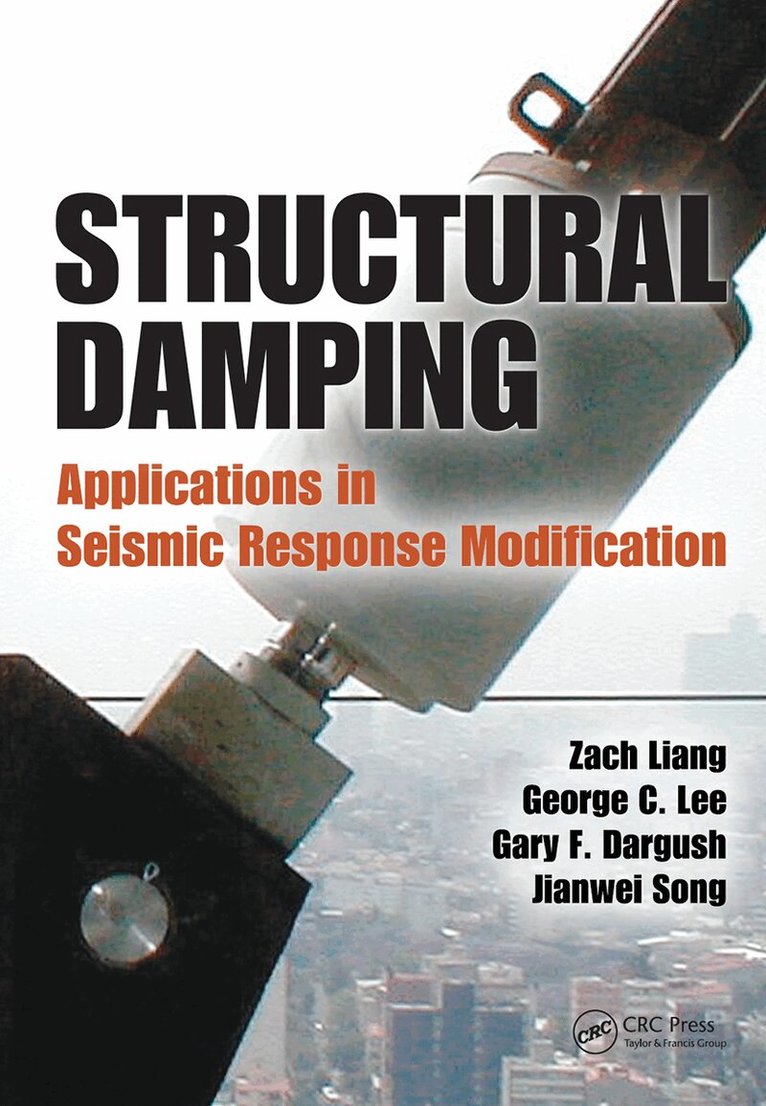
Rapid advances have been made during the past few decades in earthquake response modification technologies for structures, most notably in base isolation and energy dissipation systems. Many practical applications of various dampers can be found worldwide and, in the United States, damper design has been included in building codes. The current design process is simple and useful for adding supplemental damping up to a reasonable level—but it is not as useful with higher levels of damping.Taking a different approach, Structural Damping: Applications in Seismic Response Modification considers the dynamic responses of structures with added damping devices as systems governed by the combined effect of the static stiffness, period, and damping—or "dynamic stiffness"—of the structure-device system. This formulation supplies additional information for higher-level supplemental damping design that current provisions may not adequately cover. The authors also propose a more comprehensive consideration of the core issues in structural damping, which provides a useful foundation for continued research and development in seismic response modification technologies for performance-based engineering.The book includes design examples, based on the authors’ research and practical experience, to illustrate approaches that include higher-level supplemental damping to complement the use of the current NEHRP/ASCE-7 provisions. A self-contained resource on damping design principles, this book helps earthquake engineers select the most effective type of damper and determine the amount and configuration of damping under given working conditions.
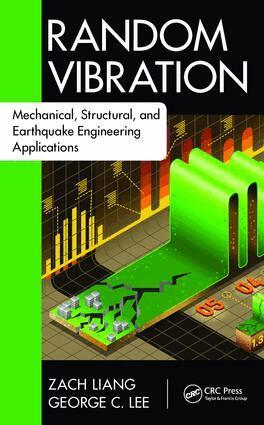
Random Vibration
Mechanical, Structural, and Earthquake Engineering Applications
Inbunden, Engelska, 2015
2 317 kr
Skickas inom 10-15 vardagar
Most textbooks on random vibrations are very mathematically intensive, and are often difficult for senior/graduate students to digest in the learning period of a single semester course. This book is designed to focus on basic methodologies to handle random process in engineering practices. Based on our teaching experience, this book can help students to directly gain the necessary knowledge and basic concept of random process, which used to be very difficult through math-intensive logic-rigorous training with conventional textbooks.