Zawiyah Mohammad Yusof – författare
Visar alla böcker från författaren Zawiyah Mohammad Yusof. Handla med fri frakt och snabb leverans.
4 produkter
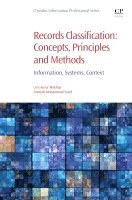
Records Classification: Concepts, Principles and Methods
Information, Systems, Context
Av Umi Asma' Mokhtar, Zawiyah Mohammad Yusof
Häftad, 2017
709 kr
Lägg i varukorg
Records Classification: Concepts, Principles and Methods: Information, Systems, Context introduces classification, an early part of the research lifecycle. Classification ensures systematic organization of documents and facilitates information retrieval. However, classification systems are not …
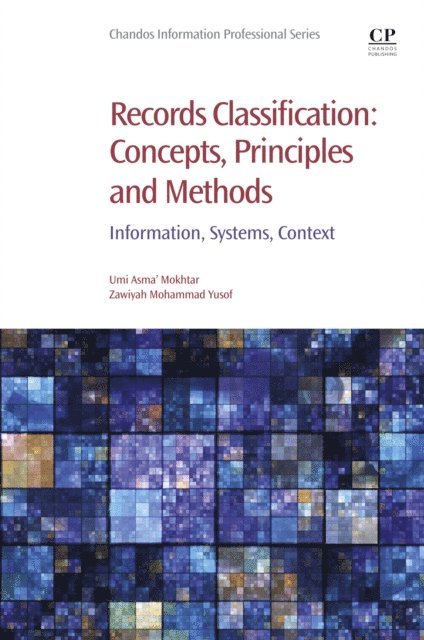
Records Classification: Concepts, Principles and Methods
Information, Systems, Context
Av Zawiyah Mohammad Yusof, Umi Asma' Mokhtar
E-bok, 2017
925 kr
Lägg i varukorg
Records Classification: Concepts, Principles and Methods: Information, Systems, Context introduces classification, an early part of the research lifecycle. Classification ensures systematic organization of documents and facilitates information retrieval. However, classification systems are not …
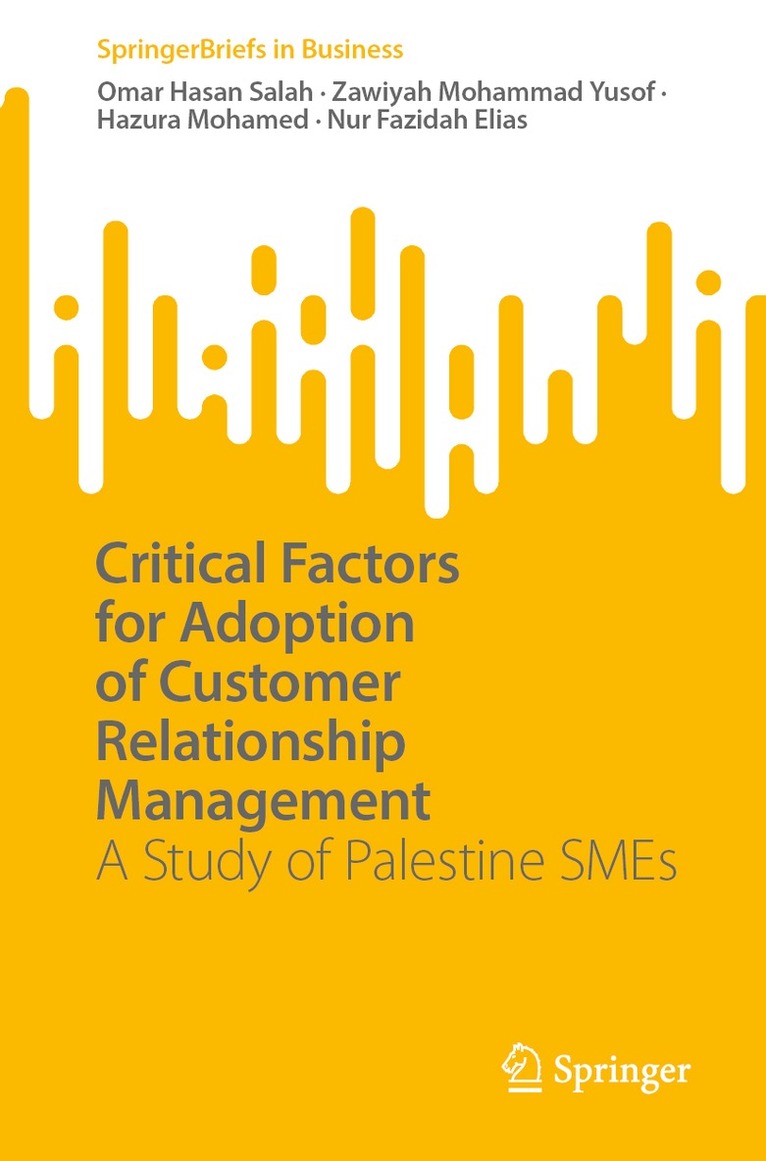
Critical Factors for Adoption of Customer Relationship Management
A Study of Palestine SMEs
Av Omar Hasan Salah, Zawiyah Mohammad Yusof m. fl.
Häftad, 2023
536 kr
Lägg i varukorg
This book explores the challenges in adopting customer relationship management (CRM) models in developing countries, with a focus on Palestine. Examining the cultural, organizational, and technological contexts, it reveals how these factors create adoption gaps, impacting customer pressure, …
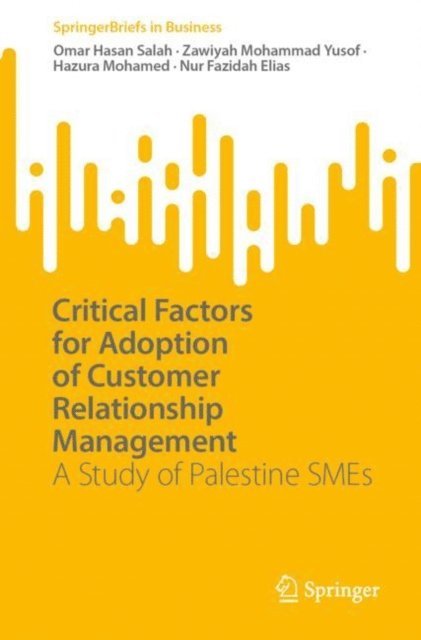
Critical Factors for Adoption of Customer Relationship Management
A Study of Palestine SMEs
Av Nur Fazidah Elias, Hazura Mohamed m. fl.
E-bok, 2023
690 kr
Lägg i varukorg
This book explores the challenges in adopting customer relationship management (CRM) models in developing countries, with a focus on Palestine. Examining the cultural, organizational, and technological contexts, it reveals how these factors create adoption gaps, impacting customer pressure, …