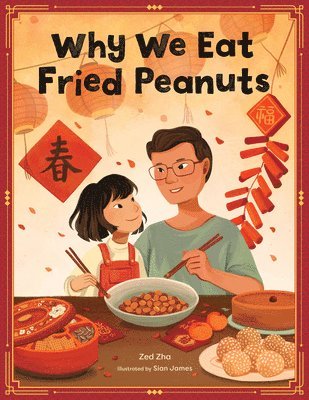
Celebrate Lunar New Year through a story of ancestral bravery while learning about Chinese history, language and food.Join Mèng, a Chinese American girl, as she prepares for the Lunar New Year festivities with her family and discovers the significance of ancestral stories and the history behind the Mandarin language and traditional foods eaten during the holiday. Meng’s father shares with her the family story of tài nai nai, Meng’s great-grandmother and a very important ancestor for the family. Tài nai nai’s brave act of courage many years ago inspired generations after and teaches valuable lessons that every child can learn from today. Along the way, see how food plays an important role in the festivities and why one food – peanuts – is an important snack. The simple recipe for fried peanuts at the end of the story provides a fun, easy way to include the Lunar New Year in your annually celebrated holidays.Through the tale of tài nai nai, you will also learn significant moments in Chinese history and how to say a few words in Mandarin, such as:太奶奶 – great-grandmother热心 – warmhearted故事 – story帮助 - help宝宝 – baby幸运 - lucky母亲 – motherand more!Rich with vibrant and joyful illustrations, Why We Eat Fried Peanuts honours the concept of ancestry, a pillar of Chinese culture that is remembered during the Lunar New Year celebrations. Through this engaging story, discover the rich history and culture of the Lunar New Year and learn how to apply the values of strength and courage all year round.
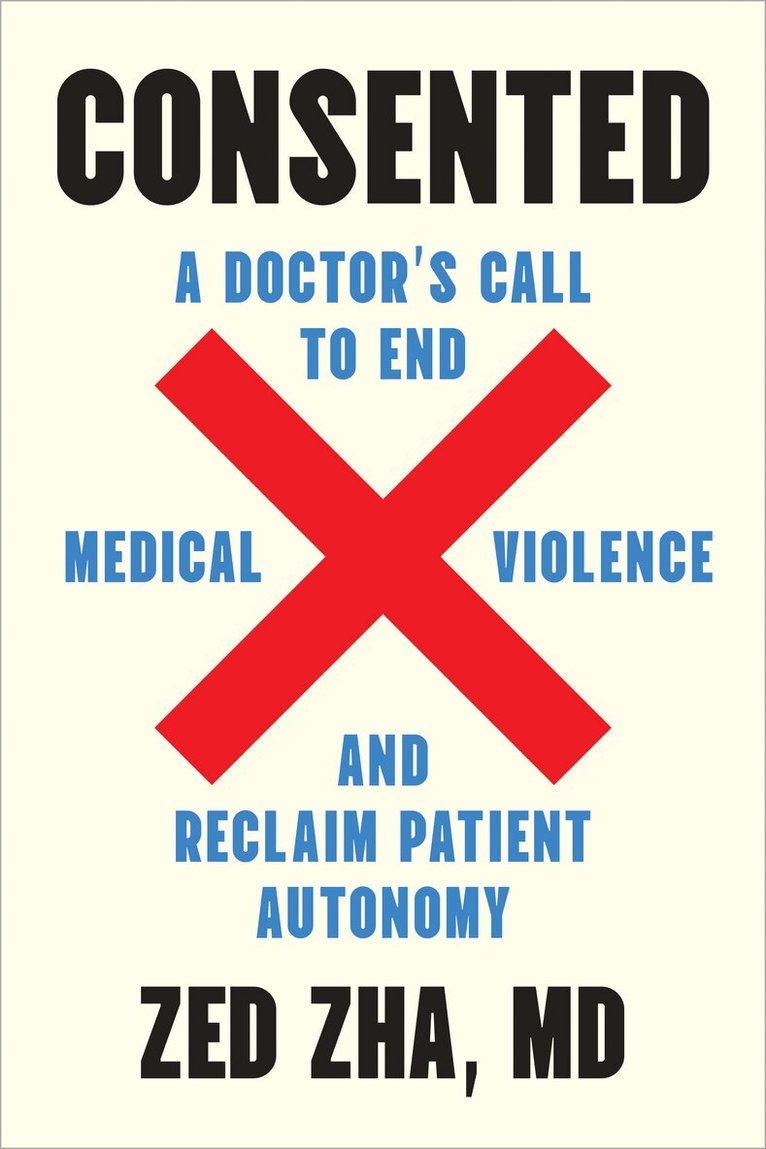
A physician’s bold critique of medical rape culture—and her call for a new model of care that centers consent and empowers patientsMedical culture has a problem with consent—and it’s not just a few bad doctors. That’s the conclusion of Dr. Zed Zha in Consented, a groundbreaking look at how the healthcare industry ignores patients’ agency and perpetuates violence.Even the best and most caring doctors can fall prey to what Dr. Zha identifies as medical rape culture: a system of beliefs and practices that enable and normalize the violation of patients’ autonomy. Dr. Zha shows how this culture is historically entrenched—from the invention of the speculum to eugenics—and argues that we need a sea change in our healthcare system to stop repeating the same mistakes. She interlaces these hidden histories of medicine with first-hand patient stories and her own personal journey, identifying four key problems of consent within medical practice: Non-consent (“Doctors know what’s best for the patient.”)Forced consent (“If patients are noncompliant, their voices cease to matter.”)Inadequate consent (“Doctors can decide what patients need to know.”)Contractual consent (“Sign here, then forever hold your peace.”)This fundamental misunderstanding of consent robs patients of the right to control what happens to their own bodies, and can cause serious harm. Instead, Dr. Zha offers a radical new vision of medical consent culture—one that embraces collectivity, accessibility, and compassion. This provocative book will validate anyone who has felt ignored, gaslight, or violated in the doctor’s office and inspire those working in the healthcare system to push for change.
Celebrate Lunar New Year through a story of ancestral bravery while learning about Chinese history, language and food.Join Mèng, a Chinese American girl, as she prepares for the Lunar New Year festivities with her family and discovers the significance of ancestral stories and the history behind the Mandarin language and traditional foods eaten during the holiday. Meng’s father shares with her the family story of tài nai nai, Meng’s great-grandmother and a very important ancestor for the family. Tài nai nai’s brave act of courage many years ago inspired generations after and teaches valuable lessons that every child can learn from today. Along the way, see how food plays an important role in the festivities and why one food – peanuts – is an important snack. The simple recipe for fried peanuts at the end of the story provides a fun, easy way to include the Lunar New Year in your annually celebrated holidays.Through the tale of tài nai nai, you will also learn significant moments in Chinese history and how to say a few words in Mandarin, such as:太奶奶 – great-grandmother热心 – warmhearted故事 – story帮助 - help宝宝 – baby幸运 - lucky母亲 – motherand more!Rich with vibrant and joyful illustrations, Why We Eat Fried Peanuts honours the concept of ancestry, a pillar of Chinese culture that is remembered during the Lunar New Year celebrations. Through this engaging story, discover the rich history and culture of the Lunar New Year and learn how to apply the values of strength and courage all year round.
A physician’s bold critique of medical rape culture—and her call for a new model of care that centers consent and empowers patientsMedical culture has a problem with consent—and it’s not just a few bad doctors. That’s the conclusion of Dr. Zed Zha in Consented, a groundbreaking look at how the healthcare industry ignores patients’ agency and perpetuates violence.Even the best and most caring doctors can fall prey to what Dr. Zha identifies as medical rape culture: a system of beliefs and practices that enable and normalize the violation of patients’ autonomy. Dr. Zha shows how this culture is historically entrenched—from the invention of the speculum to eugenics—and argues that we need a sea change in our healthcare system to stop repeating the same mistakes. She interlaces these hidden histories of medicine with first-hand patient stories and her own personal journey, identifying four key problems of consent within medical practice: Non-consent (“Doctors know what’s best for the patient.”)Forced consent (“If patients are noncompliant, their voices cease to matter.”)Inadequate consent (“Doctors can decide what patients need to know.”)Contractual consent (“Sign here, then forever hold your peace.”)This fundamental misunderstanding of consent robs patients of the right to control what happens to their own bodies, and can cause serious harm. Instead, Dr. Zha offers a radical new vision of medical consent culture—one that embraces collectivity, accessibility, and compassion. This provocative book will validate anyone who has felt ignored, gaslight, or violated in the doctor’s office and inspire those working in the healthcare system to push for change.