Zehra F. Kabasakal Arat – författare
Visar alla böcker från författaren Zehra F. Kabasakal Arat. Handla med fri frakt och snabb leverans.
4 produkter
4 produkter
E-bok
Engelska, 20131 297 kr
Läs direkt efter köp
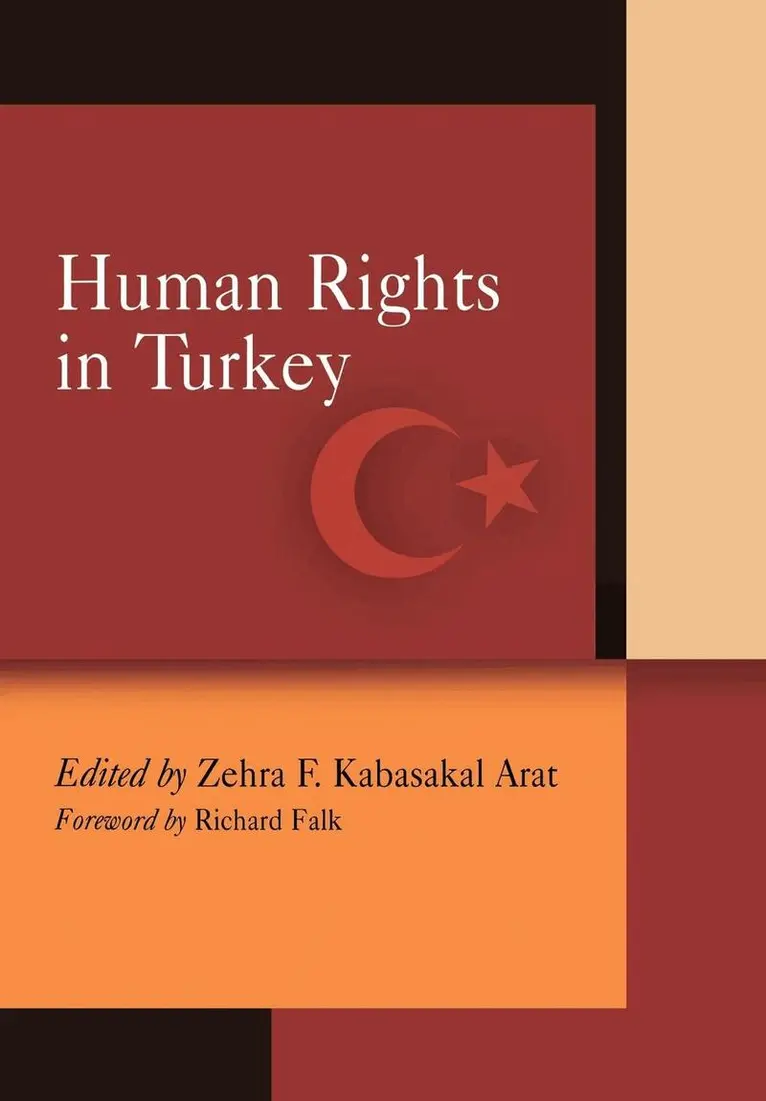
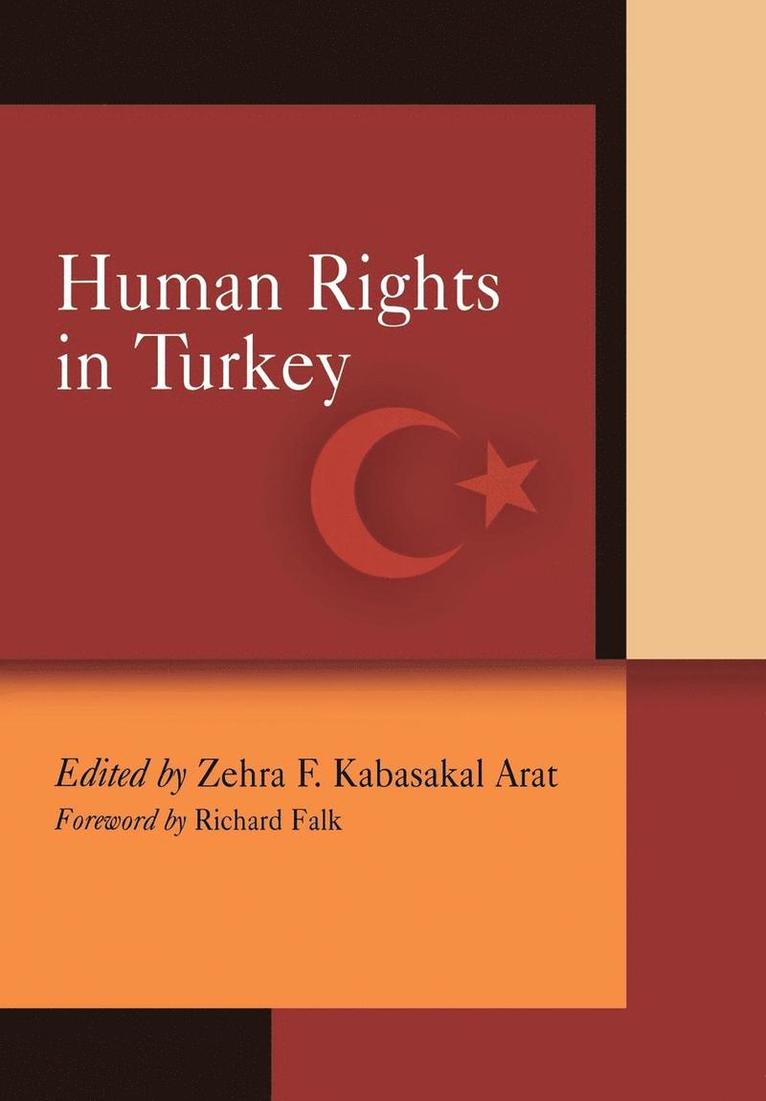
Turkey's mixed human rights record has been highly politicized in the debate surrounding the country's probable ascendance to membership in the European Union. Beginning with the foundation of a secular republic in 1923, and continuing with founding membership in the United Nations and participation in the European Convention on Human Rights and Fundamental Freedoms, Turkey made significant commitments to the advancement of human rights. However, its authoritarian tradition, periods of military rule, increasing social inequality, and economic crises have led to policies that undermine human rights. While legislative reforms and civil social activism since the 1980s have contributed greatly to the advancement of human rights, recent progress is threatened by the rise of nationalism, persistent gender inequality, and economic hardship.In Human Rights in Turkey, twenty-one Turkish and international scholars from various disciplines examine human rights policies and conditions since the 1920s, at the intersection of domestic and international politics, as they relate to all spheres of life in Turkey. A wide range of rights, such as freedom of the press and religion, minority, women's, and workers' rights, and the right to education, are examined in the context of the history and current conditions of the Republic of Turkey.In light of the events of September 11, 2001, and subsequent developments in the Middle East, recent proposals about modeling other Muslim countries after Turkey add urgency to an in-depth study of Turkish politics and the causal links with human rights. The scholarship presented in Human Rights in Turkey holds significant implications for the study of human rights in the Middle East and around the globe.
Inbunden, Engelska, 2007
945 kr
Skickas inom 10-15 vardagar
Turkey's mixed human rights record has been highly politicized in the debate surrounding the country's probable ascendance to membership in the European Union. Beginning with the foundation of a secular republic in 1923, and continuing with founding membership in the United Nations and participation in the European Convention on Human Rights and Fundamental Freedoms, Turkey made significant commitments to the advancement of human rights. However, its authoritarian tradition, periods of military rule, increasing social inequality, and economic crises have led to policies that undermine human rights. While legislative reforms and civil social activism since the 1980s have contributed greatly to the advancement of human rights, recent progress is threatened by the rise of nationalism, persistent gender inequality, and economic hardship.In Human Rights in Turkey, twenty-one Turkish and international scholars from various disciplines examine human rights policies and conditions since the 1920s, at the intersection of domestic and international politics, as they relate to all spheres of life in Turkey. A wide range of rights, such as freedom of the press and religion, minority, women's, and workers' rights, and the right to education, are examined in the context of the history and current conditions of the Republic of Turkey.In light of the events of September 11, 2001, and subsequent developments in the Middle East, recent proposals about modeling other Muslim countries after Turkey add urgency to an in-depth study of Turkish politics and the causal links with human rights. The scholarship presented in Human Rights in Turkey holds significant implications for the study of human rights in the Middle East and around the globe.
Inbunden, Engelska, 2006
834 kr
Skickas inom 10-15 vardagar
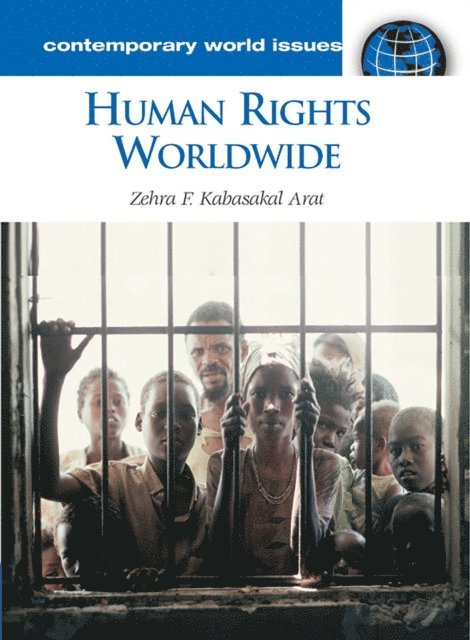
This work offers an insightful guide to the global struggle for human rights, the problems and shortcomings of the international human rights regime, and the resources essential to human rights studies.From royal decrees in the ancient kingdoms of Persia and Babylon to the latest controversies over reform of the United Nations, establishing international human rights norms has been a recurrent, if sometimes elusive, objective in world affairs.Internationally and domestically, controversies over human rights continue to fuel endless debate in politics, legal discourse, and the media. International human rights norms and treaties have helped to put Balkan war criminals behind bars, but genocidal acts continue in other parts of the world. Can governments, equipped with coercive power, eliminate human rights abuses? Who will counterbalance the increasing power of transnational corporations? How effective are the NGOs? Do human rights become a luxury under threats to the national security?
E-bok
PDF, Engelska, 2006876 kr
Läs direkt efter köp
This work offers an insightful guide to the global struggle for human rights, the problems and shortcomings of the international human rights regime, and the resources essential to human rights studies.From royal decrees in the ancient kingdoms of Persia and Babylon to the latest controversies over reform of the United Nations, establishing international human rights norms has been a recurrent, if sometimes elusive, objective in world affairs.Internationally and domestically, controversies over human rights continue to fuel endless debate in politics, legal discourse, and the media. International human rights norms and treaties have helped to put Balkan war criminals behind bars, but genocidal acts continue in other parts of the world. Can governments, equipped with coercive power, eliminate human rights abuses? Who will counterbalance the increasing power of transnational corporations? How effective are the NGOs? Do human rights become a luxury under threats to the national security?