Zerong Wang – författare
8 730 kr
Skickas inom 5-8 vardagar
2 892 kr
Läs direkt efter köp
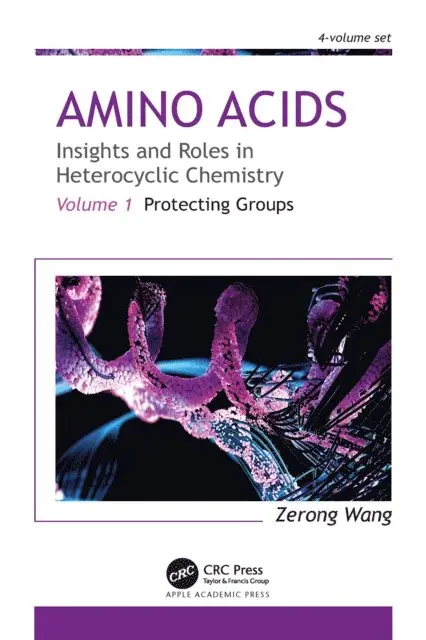
This is the first volume of a first-of-its-kind four-volume book set that provides readers with up-to-date information on α-amino acids, the potential challenges in working with α-amino acids, the protecting groups for the carboxyl, amino and side chain groups of the amino acids, and the most popular heterocyclic compounds that are originating from α-amino acids. These heterocyclic compounds include hydantoins, thiohydantoins (including 2-thiohydantoins, 4-thiohydantoins, 2,4-dithiohydantoins), 2,5-diketopiperazines, N-carboxyanhydrides, N-thiocarboxyanhydrides, sydnones, sydnonimines, azlactones, pseudoazlactones, and oxazolidin-5-ones. This is the first resource to comprehensively collect all the heterocycles that can be directly prepared from α-amino acids. In addition, almost all kinds of synthetic methods for a particular type of heterocycles from α-amino acids are included, along with the detailed mechanistic discussions and experimental procedures.
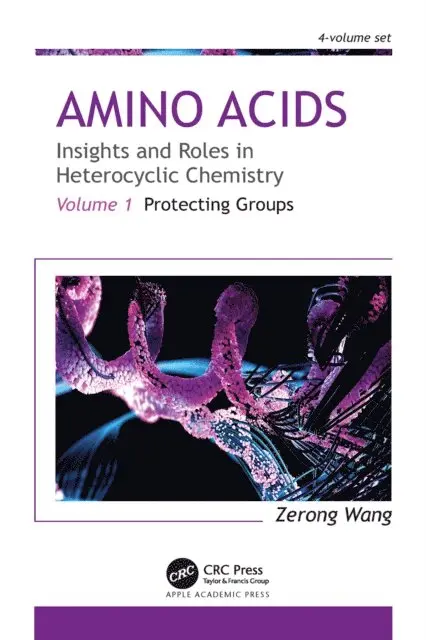
Volume 1: Protecting Groups collects and discusses the 260 protecting groups relating to amino acids, which have been organized by carboxyl group, amino group, and side chain group. The conditions to introduce these protecting groups as well as their deprotecting procedures have also been incorporated, along with the physical properties, solvent effects, and temperature effects on the solubility of amino acids. It presents the solubility of glycine and phenylalanine in a variety of solvent systems to show the impact on amino acid, where glycine generally represents the polar amino acid whereas phenylalanine represents the amino acid of non-polar side chain.
The other volumes include:
Volume 2: Hydantoins, Thiohydantoins, and 2,5-Diketopiperazines
Volume 3: N-Carboxyanhydrides, N-Thiocarboxyanhydrides, and Sydnones
Volume 4: Azlactones and Oxazolidin-5-ones
All together, this unique 4-volume set thoroughly covers the two types of heterocyclic compounds that are originated from alpha-amino acids, providing carefully compiled updated information with detailed examples. The author has shared many thoughtful insights based on his strong background in physical organic chemistry. The volumes will be highly valuable for graduate students and senior students, as well as for professors and researchers working in the field of medicinal and pharmaceutical chemistry, organic chemistry, organic synthesis, heterocycles, and proteins and peptides.

2 892 kr
Läs direkt efter köp
This is the first volume of a first-of-its-kind four-volume book set that provides readers with up-to-date information on α-amino acids, the potential challenges in working with α-amino acids, the protecting groups for the carboxyl, amino and side chain groups of the amino acids, and the most popular heterocyclic compounds that are originating from α-amino acids. These heterocyclic compounds include hydantoins, thiohydantoins (including 2-thiohydantoins, 4-thiohydantoins, 2,4-dithiohydantoins), 2,5-diketopiperazines, N-carboxyanhydrides, N-thiocarboxyanhydrides, sydnones, sydnonimines, azlactones, pseudoazlactones, and oxazolidin-5-ones. This is the first resource to comprehensively collect all the heterocycles that can be directly prepared from α-amino acids. In addition, almost all kinds of synthetic methods for a particular type of heterocycles from α-amino acids are included, along with the detailed mechanistic discussions and experimental procedures.
Volume 1: Protecting Groups collects and discusses the 260 protecting groups relating to amino acids, which have been organized by carboxyl group, amino group, and side chain group. The conditions to introduce these protecting groups as well as their deprotecting procedures have also been incorporated, along with the physical properties, solvent effects, and temperature effects on the solubility of amino acids. It presents the solubility of glycine and phenylalanine in a variety of solvent systems to show the impact on amino acid, where glycine generally represents the polar amino acid whereas phenylalanine represents the amino acid of non-polar side chain.
The other volumes include:
Volume 2: Hydantoins, Thiohydantoins, and 2,5-Diketopiperazines
Volume 3: N-Carboxyanhydrides, N-Thiocarboxyanhydrides, and Sydnones
Volume 4: Azlactones and Oxazolidin-5-ones
All together, this unique 4-volume set thoroughly covers the two types of heterocyclic compounds that are originated from alpha-amino acids, providing carefully compiled updated information with detailed examples. The author has shared many thoughtful insights based on his strong background in physical organic chemistry. The volumes will be highly valuable for graduate students and senior students, as well as for professors and researchers working in the field of medicinal and pharmaceutical chemistry, organic chemistry, organic synthesis, heterocycles, and proteins and peptides.
2 892 kr
Läs direkt efter köp
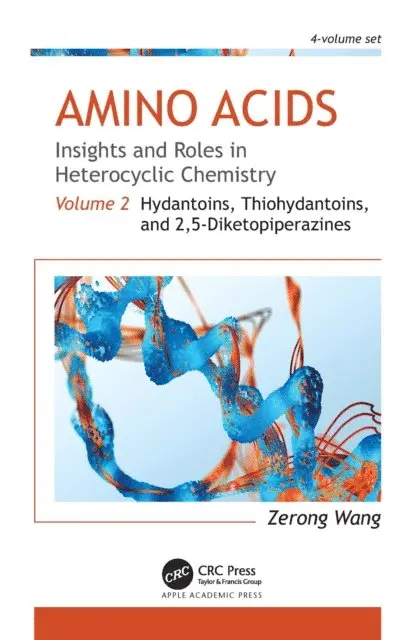
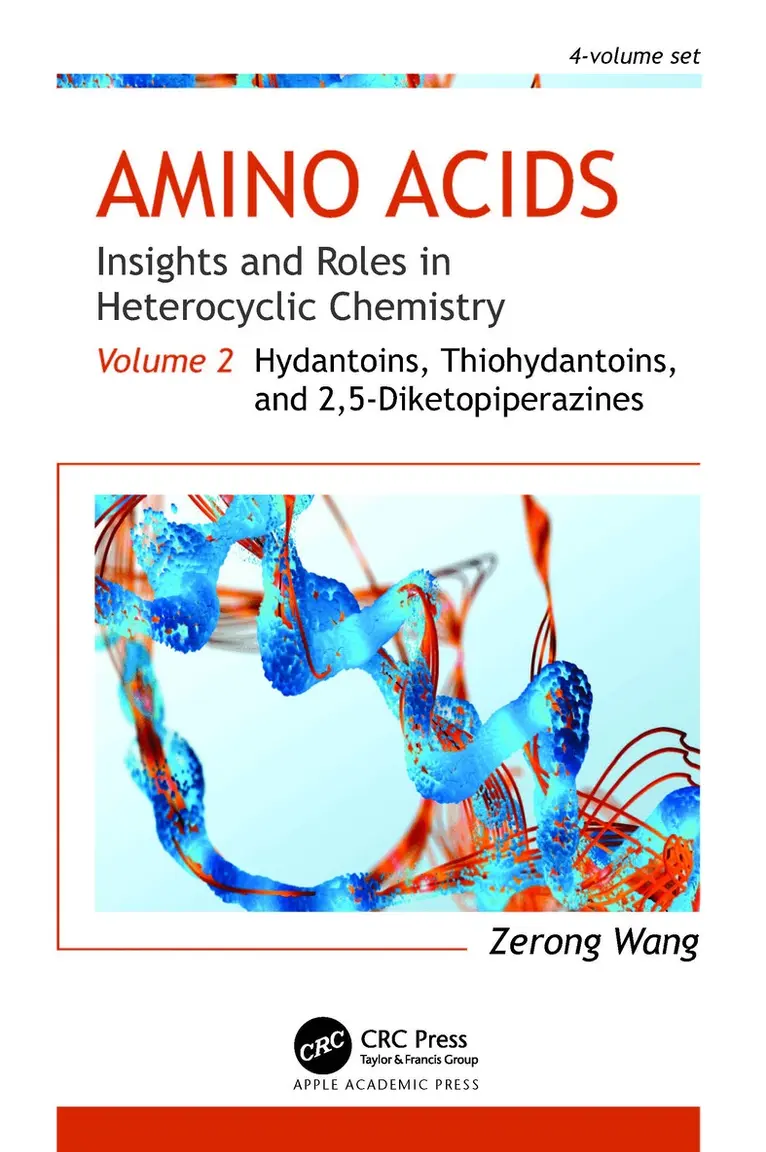
This is the second volume of a first-of-its-kind four-volume book set that provides readers with up-to-date information on α-amino acids, the potential challenges in working with α-amino acids, the protecting groups for the carboxyl, amino and side chain groups of the amino acids, and the most popular heterocyclic compounds that are originating from alpha-amino acids. These heterocyclic compounds include hydantoins, thiohydantoins (including 2-thiohydantoins, 4-thiohydantoins, 2,4-dithiohydantoins), 2,5-diketopiperazines, N-carboxyanhydrides, N-thiocarboxyanhydrides, sydnones, sydnonimines, azlactones, pseudoazlactones, and oxazolidin-5-ones. This is the first resource to comprehensively collect all the heterocycles that can be directly prepared from α-amino acids. In addition, almost all kinds of synthetic methods for a particular type of heterocycles from alpha-amino acids are included, along with the detailed mechanistic discussions and experimental procedures.
In Volume 2: Hydantoins, Thiohydantoins, and 2,5-Diketopiperazines compiles the three IUPAC accepted nomenclature systems for heterocyclic compounds, which will be very useful for readers working in the heterocyclic chemistry field for giving synthesized molecules their correct names. In addition, three groups of heterocyclic compounds, i.e., hydantoins, thiohydantoins (including 2-thiohydantoin, 4-thiohydantoin and 2,4-dithiohydantoin), and 2,5-diketopiperazines, have been organized with updated literature information. Particularly, all three groups of heterocyclic compounds have demonstrated many important biological activities, particularly anticancer and antibacterial activities. On the other hand, these three groups of heterocycles can be applied as substrates to make other chemical derivatives, particularly novel unnatural amino acids. All their reactivities have been compiled and updated. The other volumes include:
Volume 1: Protecting Groups
Volume 3: N-Carboxyanhydrides, N-Thiocarboxyanhydrides, and Sydnones
Volume 4: Azlactones and Oxazolidin-5-ones
All together, this unique 4-volume set thoroughly covers the two types of heterocyclic compounds that are originated from alpha-amino acids, providing carefully compiled updated information with detailed examples. The author has shared many thoughtful insights based on his strong background in physical organic chemistry. The volumes will be highly valuable for graduate students and senior students, as well as for professors and researchers working in the field of medicinal and pharmaceutical chemistry, organic chemistry, organic synthesis, heterocycles, and proteins and peptides.
2 790 kr
Läs direkt efter köp
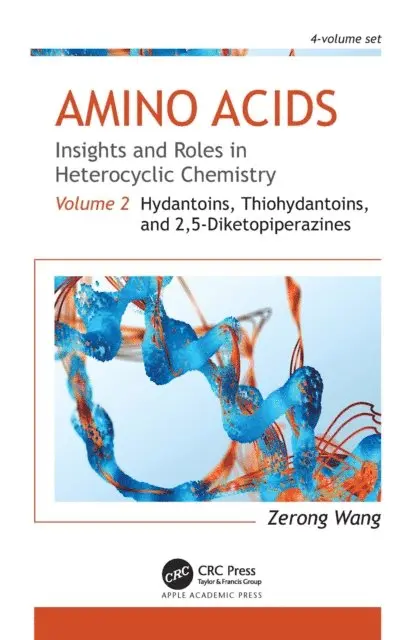
This is the second volume of a first-of-its-kind four-volume book set that provides readers with up-to-date information on α-amino acids, the potential challenges in working with α-amino acids, the protecting groups for the carboxyl, amino and side chain groups of the amino acids, and the most popular heterocyclic compounds that are originating from alpha-amino acids. These heterocyclic compounds include hydantoins, thiohydantoins (including 2-thiohydantoins, 4-thiohydantoins, 2,4-dithiohydantoins), 2,5-diketopiperazines, N-carboxyanhydrides, N-thiocarboxyanhydrides, sydnones, sydnonimines, azlactones, pseudoazlactones, and oxazolidin-5-ones. This is the first resource to comprehensively collect all the heterocycles that can be directly prepared from α-amino acids. In addition, almost all kinds of synthetic methods for a particular type of heterocycles from alpha-amino acids are included, along with the detailed mechanistic discussions and experimental procedures.
In Volume 2: Hydantoins, Thiohydantoins, and 2,5-Diketopiperazines compiles the three IUPAC accepted nomenclature systems for heterocyclic compounds, which will be very useful for readers working in the heterocyclic chemistry field for giving synthesized molecules their correct names. In addition, three groups of heterocyclic compounds, i.e., hydantoins, thiohydantoins (including 2-thiohydantoin, 4-thiohydantoin and 2,4-dithiohydantoin), and 2,5-diketopiperazines, have been organized with updated literature information. Particularly, all three groups of heterocyclic compounds have demonstrated many important biological activities, particularly anticancer and antibacterial activities. On the other hand, these three groups of heterocycles can be applied as substrates to make other chemical derivatives, particularly novel unnatural amino acids. All their reactivities have been compiled and updated. The other volumes include:
Volume 1: Protecting Groups
Volume 3: N-Carboxyanhydrides, N-Thiocarboxyanhydrides, and Sydnones
Volume 4: Azlactones and Oxazolidin-5-ones
All together, this unique 4-volume set thoroughly covers the two types of heterocyclic compounds that are originated from alpha-amino acids, providing carefully compiled updated information with detailed examples. The author has shared many thoughtful insights based on his strong background in physical organic chemistry. The volumes will be highly valuable for graduate students and senior students, as well as for professors and researchers working in the field of medicinal and pharmaceutical chemistry, organic chemistry, organic synthesis, heterocycles, and proteins and peptides.
2 892 kr
Läs direkt efter köp
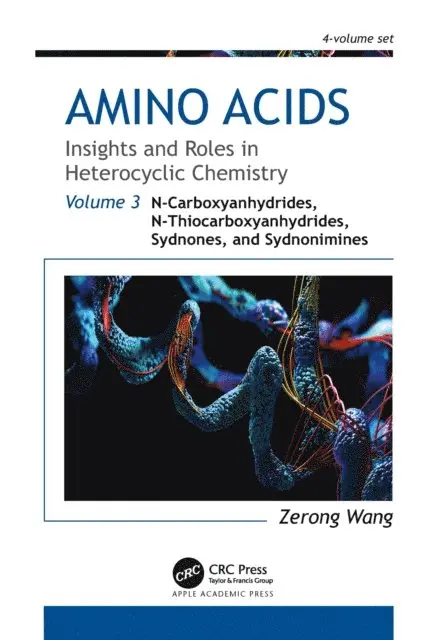
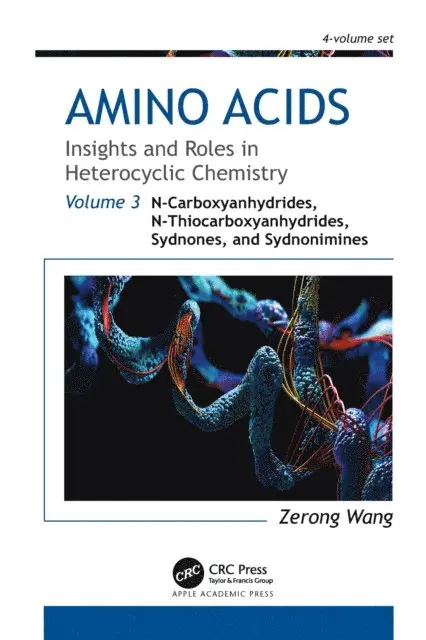
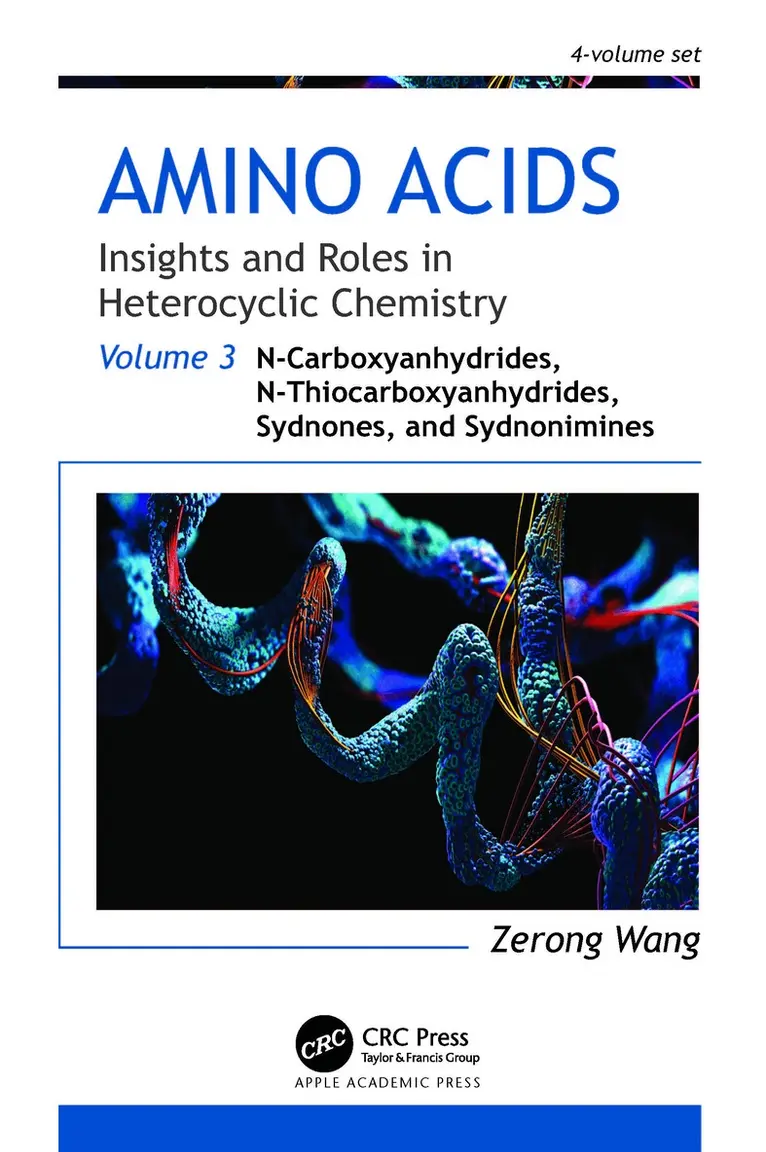
This is the third volume of a first-of-its-kind four-volume book set that provides readers with up-to-date information on α-amino acids, the potential challenges in working with α-amino acids, the protecting groups for the carboxyl, amino and side chain groups of the amino acids, and the most popular heterocyclic compounds that are originating from α-amino acids. These heterocyclic compounds include hydantoins, thiohydantoins (including 2-thiohydantoins, 4-thiohydantoins, 2,4-dithiohydantoins), 2,5-diketopiperazines, N-carboxyanhydrides, N-thiocarboxyanhydrides, sydnones, sydnonimines, azlactones, pseudoazlactones, and oxazolidin-5-ones. This is the first resource to comprehensively collect all the heterocycles that can be directly prepared from α-amino acids. In addition, almost all kinds of synthetic methods for a particular type of heterocycles from α-amino acids are included, along with the detailed mechanistic discussions and experimental procedures.
Volume 3: N-Carboxyanhydrides, N-Thiocarboxyanhydrides, and Sydnones presents up-to-date detailed information on two types of heterocyclic compounds that originate from alpha-amino acids: NCAs/NTAs and sydnones/sydnonimines. The volume also covers the more than 10 initiating systems for NCA monomers to undergo the ring-opening polymerization, which are very useful for the readers in order to make living polypeptides/polypeptoids. In addition, the method to characterize these prepared polypeptides/polypeptoids is also included. Particularly, two modern mass spectrometric techniques (MALDI-TOF and ESI-TOF) have been explained with detailed examples, where the elucidation of molecular weight of protein based on the ESI-TOF spectra has been given with a practical example as well as the theory that it is based on, a unique feature of the volume.
The other volumes in the set are:
Volume 1: Protecting Groups
Volume 2: Hydantoins, Thiohydantoins, and 2,5-Diketopiperazines
Volume 4: Azlactones and Oxazolidin-5-ones
All together, this unique 4-volume set thoroughly covers the two types of heterocyclic compounds that are originated from alpha-amino acids, providing carefully compiled updated information with detailed examples. The author has shared many thoughtful insights based on his strong background in physical organic chemistry. The volumes will be highly valuable for graduate students and senior students, as well as for professors and researchers working in the field of medicinal and pharmaceutical chemistry, organic chemistry, organic synthesis, heterocycles, and proteins and peptides.
2 892 kr
Läs direkt efter köp
This is the third volume of a first-of-its-kind four-volume book set that provides readers with up-to-date information on α-amino acids, the potential challenges in working with α-amino acids, the protecting groups for the carboxyl, amino and side chain groups of the amino acids, and the most popular heterocyclic compounds that are originating from α-amino acids. These heterocyclic compounds include hydantoins, thiohydantoins (including 2-thiohydantoins, 4-thiohydantoins, 2,4-dithiohydantoins), 2,5-diketopiperazines, N-carboxyanhydrides, N-thiocarboxyanhydrides, sydnones, sydnonimines, azlactones, pseudoazlactones, and oxazolidin-5-ones. This is the first resource to comprehensively collect all the heterocycles that can be directly prepared from α-amino acids. In addition, almost all kinds of synthetic methods for a particular type of heterocycles from α-amino acids are included, along with the detailed mechanistic discussions and experimental procedures.
Volume 3: N-Carboxyanhydrides, N-Thiocarboxyanhydrides, and Sydnones presents up-to-date detailed information on two types of heterocyclic compounds that originate from alpha-amino acids: NCAs/NTAs and sydnones/sydnonimines. The volume also covers the more than 10 initiating systems for NCA monomers to undergo the ring-opening polymerization, which are very useful for the readers in order to make living polypeptides/polypeptoids. In addition, the method to characterize these prepared polypeptides/polypeptoids is also included. Particularly, two modern mass spectrometric techniques (MALDI-TOF and ESI-TOF) have been explained with detailed examples, where the elucidation of molecular weight of protein based on the ESI-TOF spectra has been given with a practical example as well as the theory that it is based on, a unique feature of the volume.
The other volumes in the set are:
Volume 1: Protecting Groups
Volume 2: Hydantoins, Thiohydantoins, and 2,5-Diketopiperazines
Volume 4: Azlactones and Oxazolidin-5-ones
All together, this unique 4-volume set thoroughly covers the two types of heterocyclic compounds that are originated from alpha-amino acids, providing carefully compiled updated information with detailed examples. The author has shared many thoughtful insights based on his strong background in physical organic chemistry. The volumes will be highly valuable for graduate students and senior students, as well as for professors and researchers working in the field of medicinal and pharmaceutical chemistry, organic chemistry, organic synthesis, heterocycles, and proteins and peptides.
2 892 kr
Läs direkt efter köp
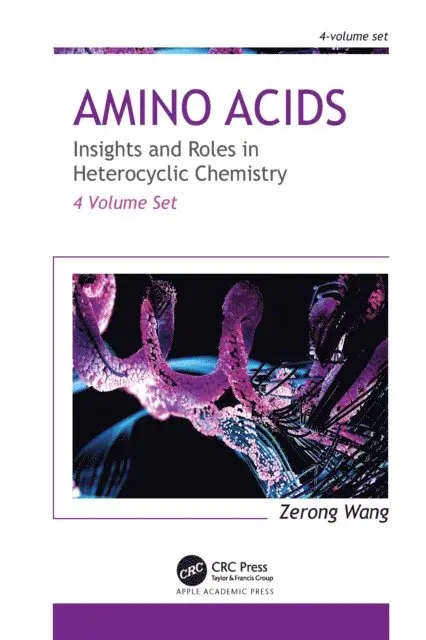
This first-of-its-kind four-volume book series provides up-to-date information on α-amino acids, detailing the potential challenges in working with α-amino acids, the protecting groups for the carboxyl, side chain groups of the amino acids, and the most popular heterocyclic compounds that are originating from α-amino acids. These heterocyclic compounds include hydantoins, thiohydantoins (including 2-thiohydantoins, 4-thiohydantoins, 2,4-dithiohydantoins), 2,5-diketopiperazines, N-carboxyanhydrides, N-thiocarboxyanhydrides, sydnones, sydnonimines, azlactones, pseudoazlactones, and oxazolidin-5-ones. This is the first resource to comprehensively present all the heterocycles that can be directly prepared from α-amino acids. In addition, almost all kinds of synthetic methods for a particular type of heterocycles from α-amino acids are included, along with the detailed mechanistic discussions and experimental procedures.
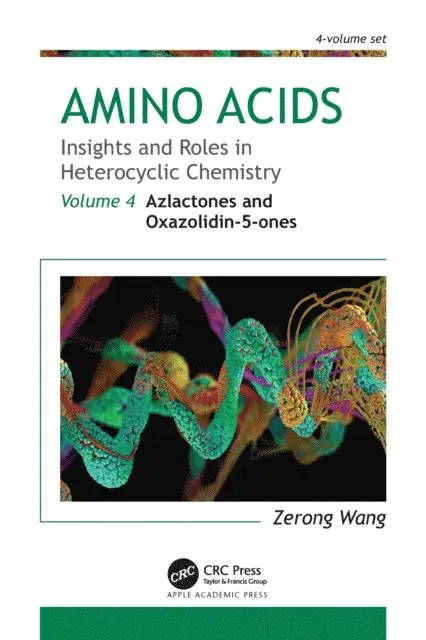
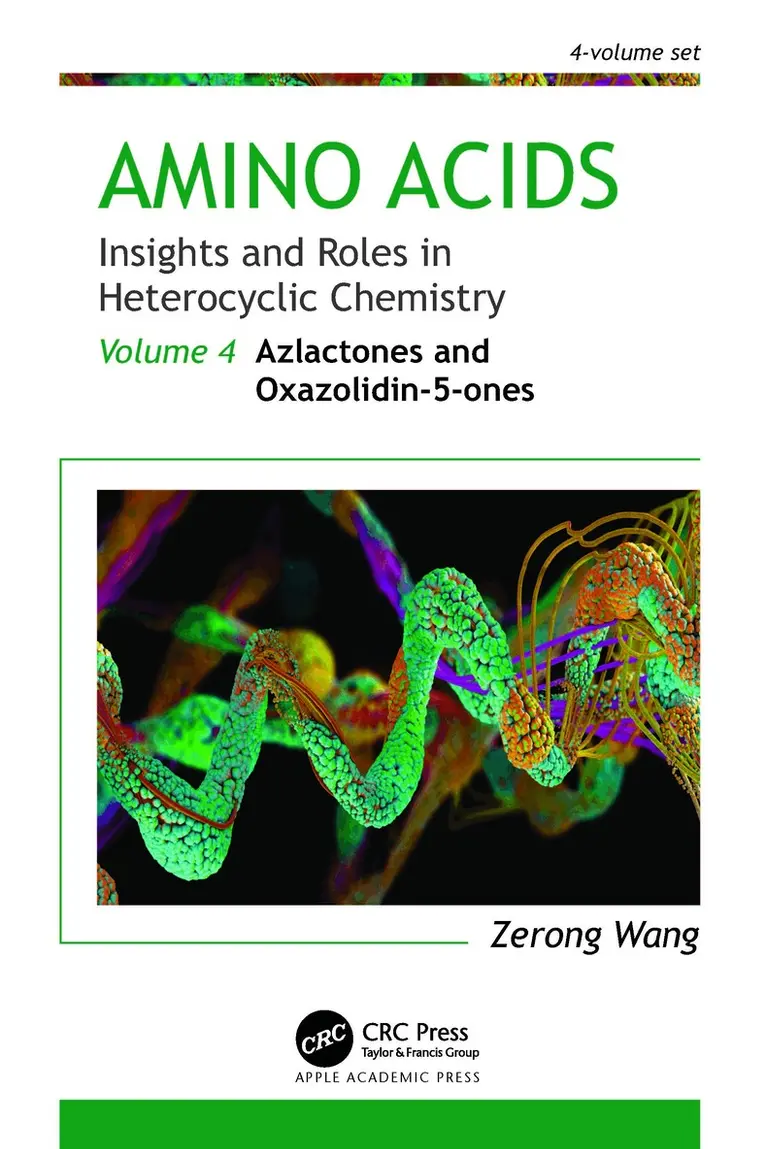
Volume 4: Azlactones and Oxazolidin-5-ones discusses two types of simple heterocycles that can be prepared from α-amino acids, i.e., azlactones (also known as oxazolones, 4-unsaturated azlactones included) and oxazolidin-5-ones. These heterocyclic compounds behave differently in both biological and chemical properties, and their biological activities are presented in a well-organized manner in this volume.
The other volumes in the set are:
Volume 1: Protecting Groups
Volume 2: Hydantoins, Thiohydantoins, and 2,5-Diketopiperazines
Volume 3: N-Carboxyanhydrides, N-Thiocarboxyanhydrides, and Sydnones
All together, this unique 4-volume set thoroughly covers the two types of heterocyclic compounds that are originated from alpha-amino acids, providing carefully compiled updated information with detailed examples. The author has shared many thoughtful insights based on his strong background in physical organic chemistry. The volumes will be highly valuable for graduate students and senior students, as well as for professors and researchers working in the field of medicinal and pharmaceutical chemistry, organic chemistry, organic synthesis, heterocycles, and proteins and peptides.
2 892 kr
Läs direkt efter köp
This first-of-its-kind four-volume book series provides up-to-date information on α-amino acids, detailing the potential challenges in working with α-amino acids, the protecting groups for the carboxyl, side chain groups of the amino acids, and the most popular heterocyclic compounds that are originating from α-amino acids. These heterocyclic compounds include hydantoins, thiohydantoins (including 2-thiohydantoins, 4-thiohydantoins, 2,4-dithiohydantoins), 2,5-diketopiperazines, N-carboxyanhydrides, N-thiocarboxyanhydrides, sydnones, sydnonimines, azlactones, pseudoazlactones, and oxazolidin-5-ones. This is the first resource to comprehensively present all the heterocycles that can be directly prepared from α-amino acids. In addition, almost all kinds of synthetic methods for a particular type of heterocycles from α-amino acids are included, along with the detailed mechanistic discussions and experimental procedures.
Volume 4: Azlactones and Oxazolidin-5-ones discusses two types of simple heterocycles that can be prepared from α-amino acids, i.e., azlactones (also known as oxazolones, 4-unsaturated azlactones included) and oxazolidin-5-ones. These heterocyclic compounds behave differently in both biological and chemical properties, and their biological activities are presented in a well-organized manner in this volume.
The other volumes in the set are:
Volume 1: Protecting Groups
Volume 2: Hydantoins, Thiohydantoins, and 2,5-Diketopiperazines
Volume 3: N-Carboxyanhydrides, N-Thiocarboxyanhydrides, and Sydnones
All together, this unique 4-volume set thoroughly covers the two types of heterocyclic compounds that are originated from alpha-amino acids, providing carefully compiled updated information with detailed examples. The author has shared many thoughtful insights based on his strong background in physical organic chemistry. The volumes will be highly valuable for graduate students and senior students, as well as for professors and researchers working in the field of medicinal and pharmaceutical chemistry, organic chemistry, organic synthesis, heterocycles, and proteins and peptides.
11 580 kr
Läs direkt efter köp
2 892 kr
Läs direkt efter köp
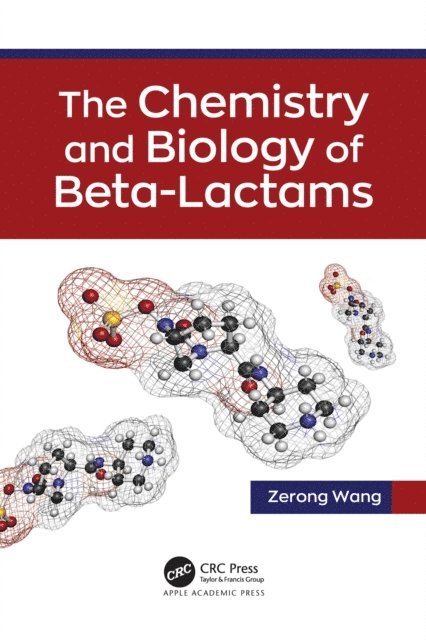
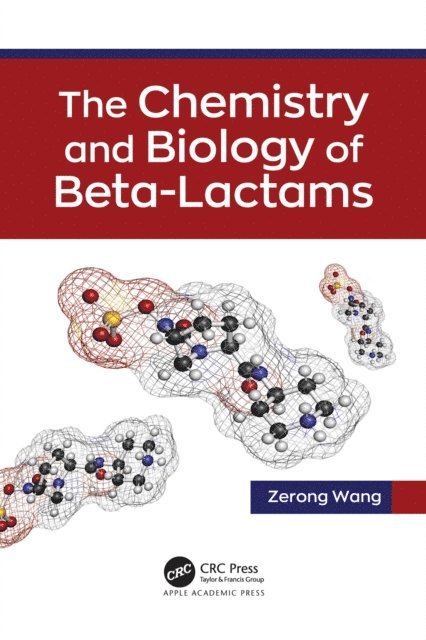
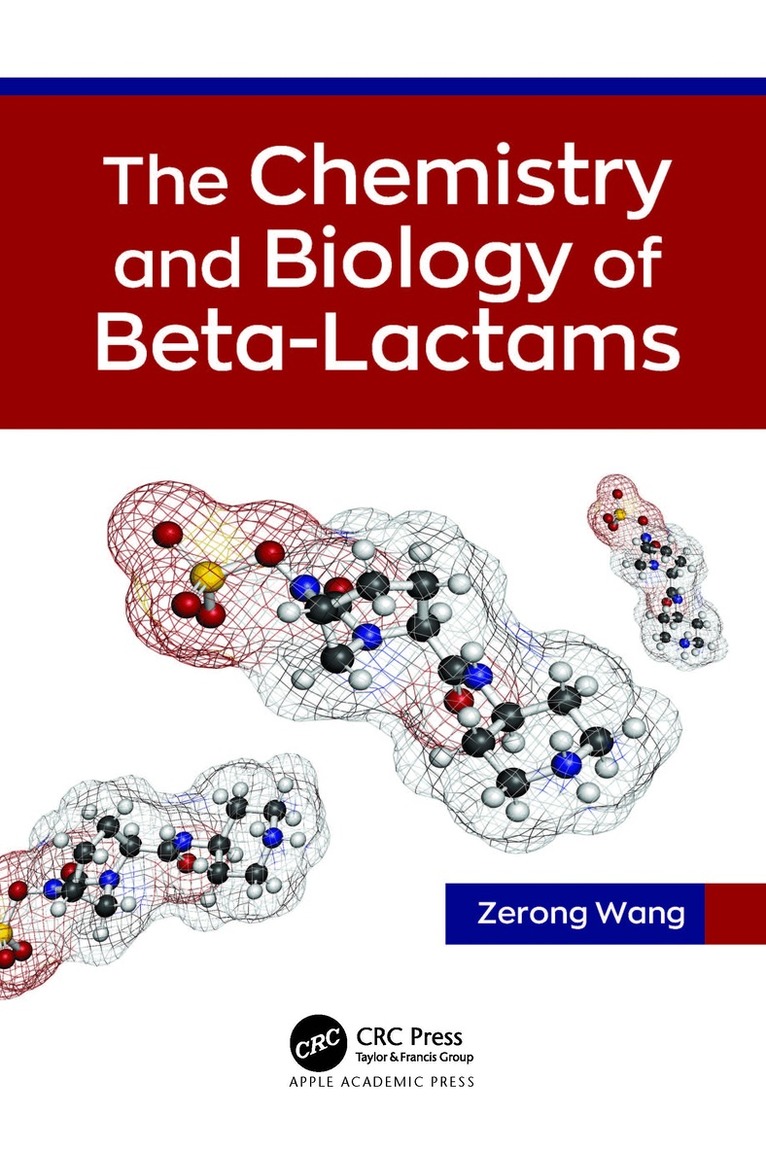
This new volume provides the most updated information about beta-lactams relating to both the pharmaceutical industry and synthetic chemistry. It provides the antibiotic activities as well as chemical reactivities of beta-lactams, which are important because they are commonly applied as antibiotics in the treatment of bacterial infections. The volume provides comprehensive coverage of most of the known beta-lactam antibiotics with both structural and biological information, antibiotic mechanisms, self-defense mechanisms of bacteria, nearly all known synthetic methods for the preparation of beta-lactams, and possible reactions in which beta-lactams can participate.
Key features:
Provides the most comprehensive collection of beta-lactam antibiotics (up to 269 molecules) with chemical structures, CAS number, IUPAC names and associated biological activities attached Offers a comprehensive and detailed collection of beta-lactamase databases Explains the self-defense mechanisms of bacteria for surviving, including the formation of biofilm and conversion into L-form and secretion of beta-lactamase to deactivate the beta-lactam antibiotics Provides a comprehensive survey on the synthetic methods to make beta-lactams Gives all of the possible reactions involving beta-lactams as the starting materials Surveys over 1000 research works and includes all available DOI informationThe volume is a valuable resource on the antibiotic activities as well as chemical reactivities of beta-lactams for researchers and scientists, faculty, and advanced students, as well as for industry professionals working in medicinal and pharmaceutical chemistry, organic chemistry, organic synthesis, heterocycles, proteins and peptides.
2 892 kr
Läs direkt efter köp
This new volume provides the most updated information about beta-lactams relating to both the pharmaceutical industry and synthetic chemistry. It provides the antibiotic activities as well as chemical reactivities of beta-lactams, which are important because they are commonly applied as antibiotics in the treatment of bacterial infections. The volume provides comprehensive coverage of most of the known beta-lactam antibiotics with both structural and biological information, antibiotic mechanisms, self-defense mechanisms of bacteria, nearly all known synthetic methods for the preparation of beta-lactams, and possible reactions in which beta-lactams can participate.
Key features:
Provides the most comprehensive collection of beta-lactam antibiotics (up to 269 molecules) with chemical structures, CAS number, IUPAC names and associated biological activities attached Offers a comprehensive and detailed collection of beta-lactamase databases Explains the self-defense mechanisms of bacteria for surviving, including the formation of biofilm and conversion into L-form and secretion of beta-lactamase to deactivate the beta-lactam antibiotics Provides a comprehensive survey on the synthetic methods to make beta-lactams Gives all of the possible reactions involving beta-lactams as the starting materials Surveys over 1000 research works and includes all available DOI informationThe volume is a valuable resource on the antibiotic activities as well as chemical reactivities of beta-lactams for researchers and scientists, faculty, and advanced students, as well as for industry professionals working in medicinal and pharmaceutical chemistry, organic chemistry, organic synthesis, heterocycles, proteins and peptides.
24 121 kr
Skickas inom 11-20 vardagar
11 457 kr
Skickas inom 10-15 vardagar
2 431 kr
Skickas inom 10-15 vardagar
2 431 kr
Skickas inom 10-15 vardagar
2 431 kr
Skickas inom 10-15 vardagar
2 431 kr
Skickas inom 10-15 vardagar
2 431 kr
Skickas inom 10-15 vardagar