Zhen Sun – författare
Visar alla böcker från författaren Zhen Sun. Handla med fri frakt och snabb leverans.
4 produkter
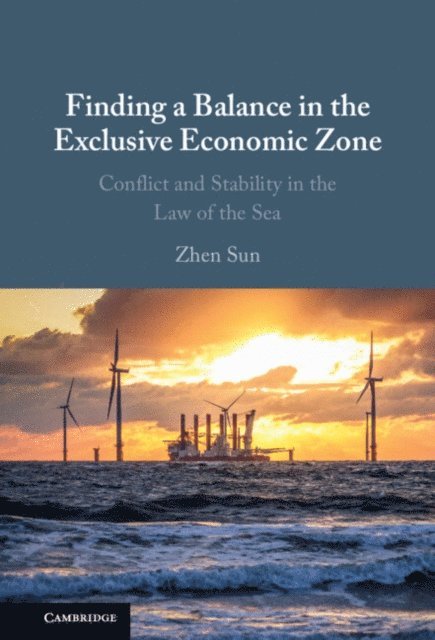
Finding a Balance in the Exclusive Economic Zone
Conflict and Stability in the Law of the Sea
Av Zhen Sun
E-bok, 2025
1649 kr
Lägg i varukorg
Finding a Balance in the Exclusive Economic Zone
Conflict and Stability in the Law of the Sea
Av Zhen Sun
E-bok, 2025
1649 kr
Lägg i varukorg
Finding a Balance in the Exclusive Economic Zone
Conflict and Stability in the Law of the Sea
Av Zhen Sun
Inbunden, 2025
1663 kr
Lägg i varukorg
Sun analyses the important and understudied subject of jurisdiction in the exclusive economic zone (EEZ) over five groups of activities. It explores whether the basic premises and essential compromises of the EEZ regime established by the United Nations Convention on the Law of the Sea still hold …
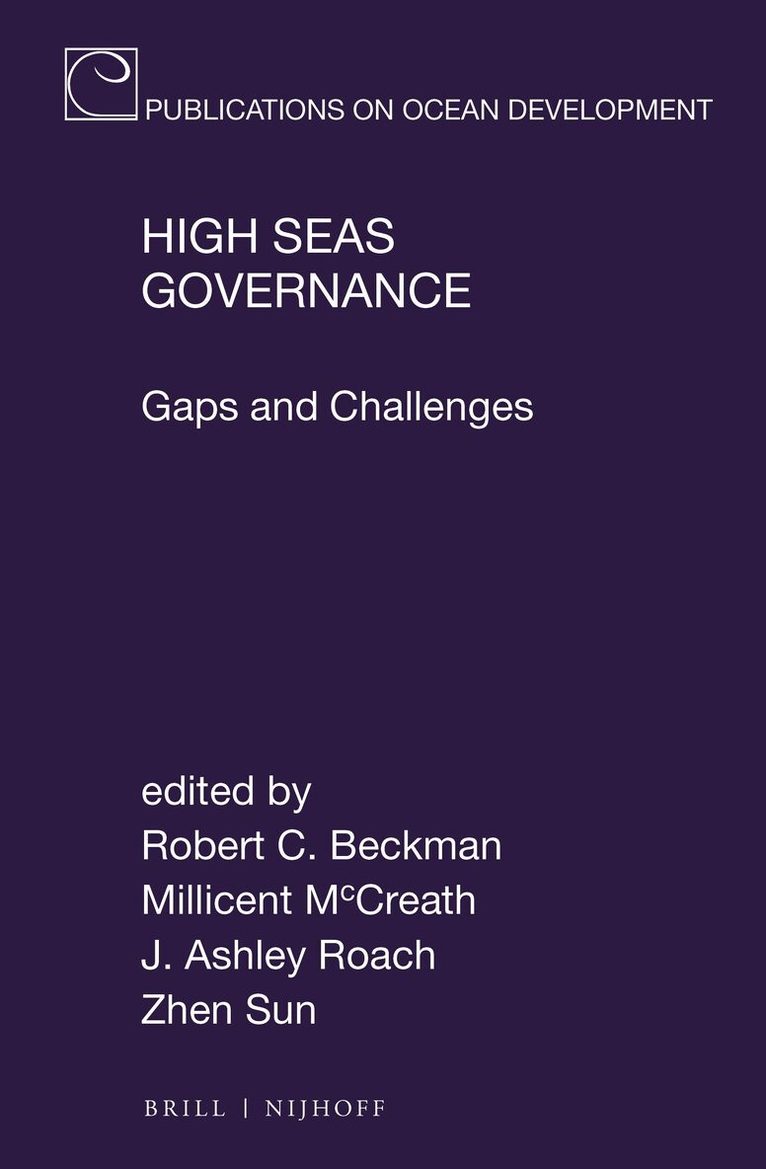
High Seas Governance
Gaps and Challenges
Av Robert C. Beckman, Millicent McCreath m. fl.
Inbunden, 2018
2316 kr
Lägg i varukorg
High Seas Governance: Gaps and Challenges identifies gaps in and challenges to the existing legal regime in the protection and preservation of the marine environment of the high seas, including sensitive marine areas. The gaps identified in the book include the failure of liability and compensation …