Zhetao Li – författare
Visar alla böcker från författaren Zhetao Li. Handla med fri frakt och snabb leverans.
3 produkter
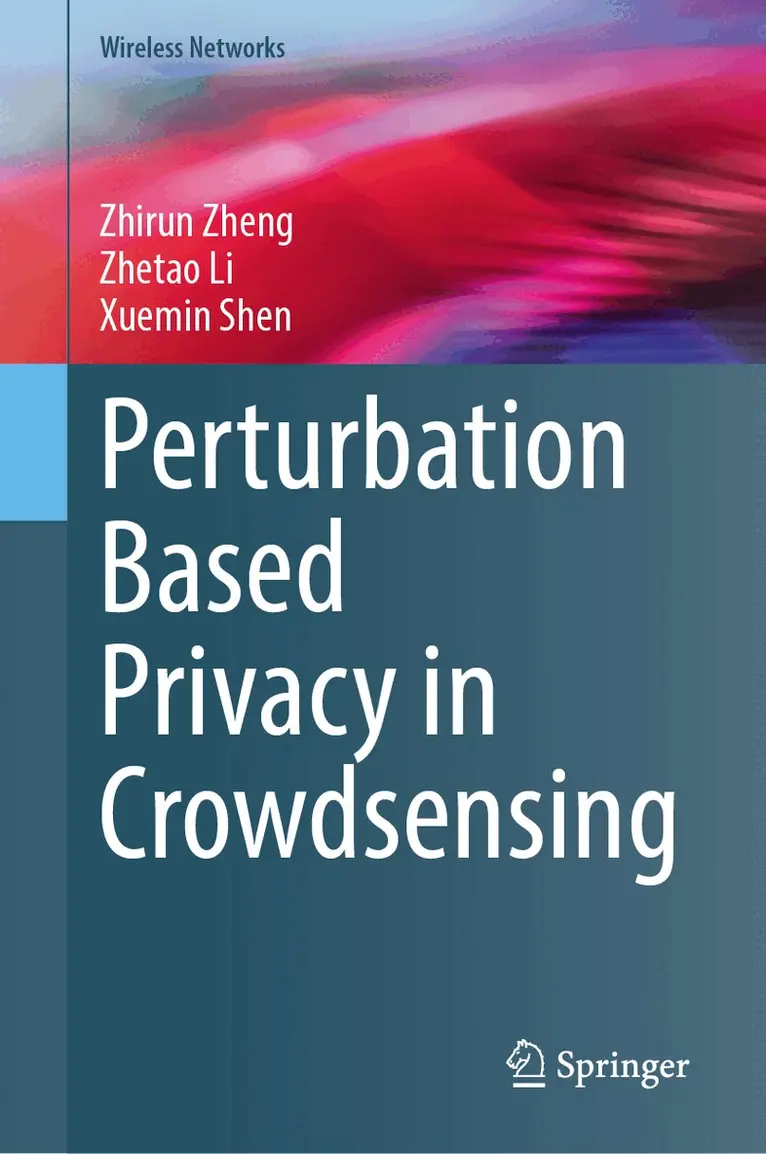
Perturbation Based Privacy in Crowdsensing
Av Zhirun Zheng, Zhetao Li m. fl.
Inbunden, 2025
1958 kr
Lägg i varukorg
This book investigates perturbation-based privacy in crowdsensing systems. The authors first present an explicit overview of crowdsensing systems and privacy challenges and briefly discuss how the noise added by perturbation-based privacy-preserving techniques could inevitably degrade data quality …
Perturbation Based Privacy in Crowdsensing
Av Xuemin Shen, Zhetao Li m. fl.
E-bok, 2025
2599 kr
Lägg i varukorg
This book investigates perturbation-based privacy in crowdsensing systems. The authors first present an explicit overview of crowdsensing systems and privacy challenges and briefly discuss how the noise added by perturbation-based privacy-preserving techniques could inevitably degrade data quality …
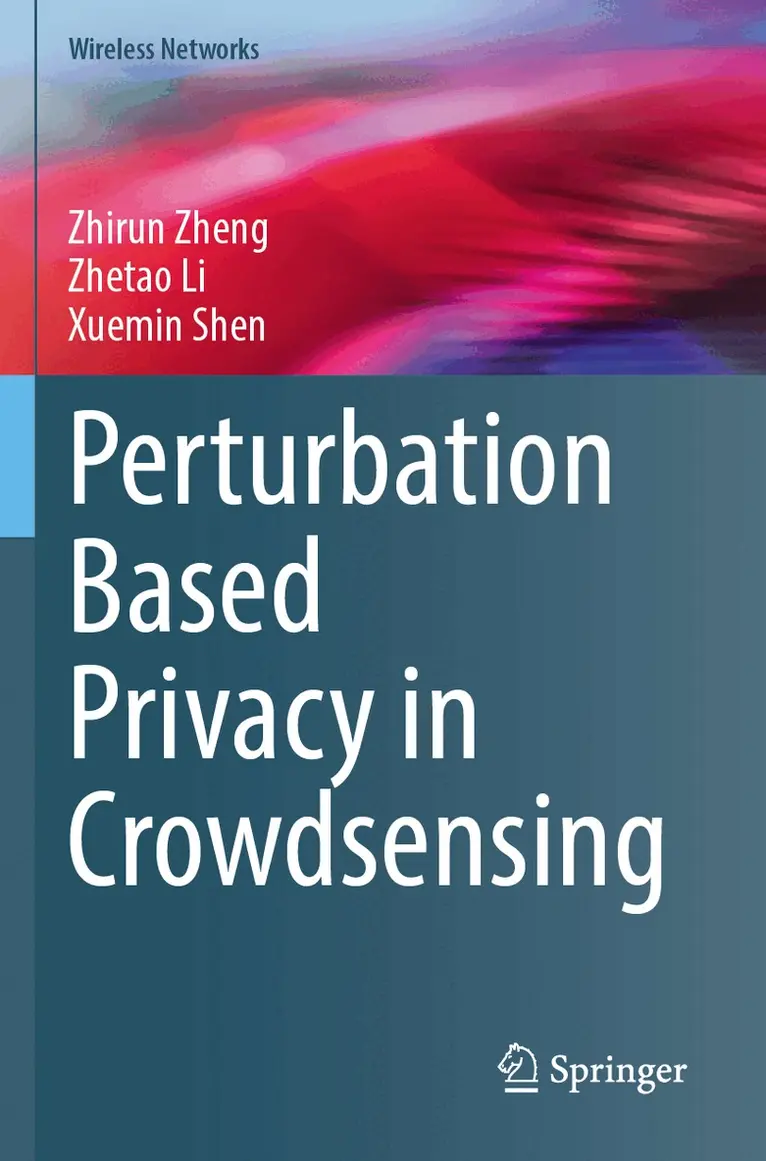
Perturbation Based Privacy in Crowdsensing
Av Zhirun Zheng, Zhetao Li m. fl.
Häftad, 2026
1967 kr
Lägg i varukorg
This book investigates perturbation-based privacy in crowdsensing systems. The authors first present an explicit overview of crowdsensing systems and privacy challenges and briefly discuss how the noise added by perturbation-based privacy-preserving techniques could inevitably degrade data quality …