
Zhiguo Wang - Böcker
Visar alla böcker från författaren Zhiguo Wang. Handla med fri frakt och snabb leverans.
9 produkter
9 produkter
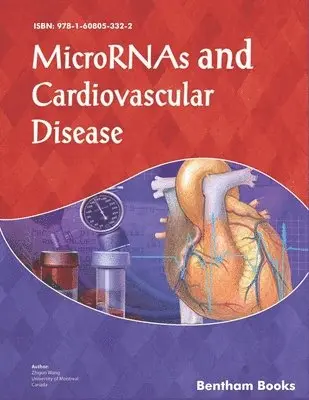
1 291 kr
Skickas inom 3-6 vardagar

1 281 kr
Skickas inom 10-15 vardagar
Easy syntax and flexibility make Python a perfect choice for this task, especially for psychology researchers with little or no computer programming experience.This book offers detailed coverage of the Pylink library, a Python interface for the gold standard EyeLink ® eye-trackers, with many step-by-step example scripts.

909 kr
Skickas inom 10-15 vardagar
Easy syntax and flexibility make Python a perfect choice for this task, especially for psychology researchers with little or no computer programming experience.This book offers detailed coverage of the Pylink library, a Python interface for the gold standard EyeLink ® eye-trackers, with many step-by-step example scripts.

1 924 kr
Skickas inom 10-15 vardagar
There is a growing interest in unmet needs for the development of a new discipline in drug discovery and in university education on polypharmacology.

1 924 kr
Skickas inom 10-15 vardagar
There is a growing interest in unmet needs for the development of a new discipline in drug discovery and in university education on polypharmacology.
1 632 kr
Skickas inom 10-15 vardagar
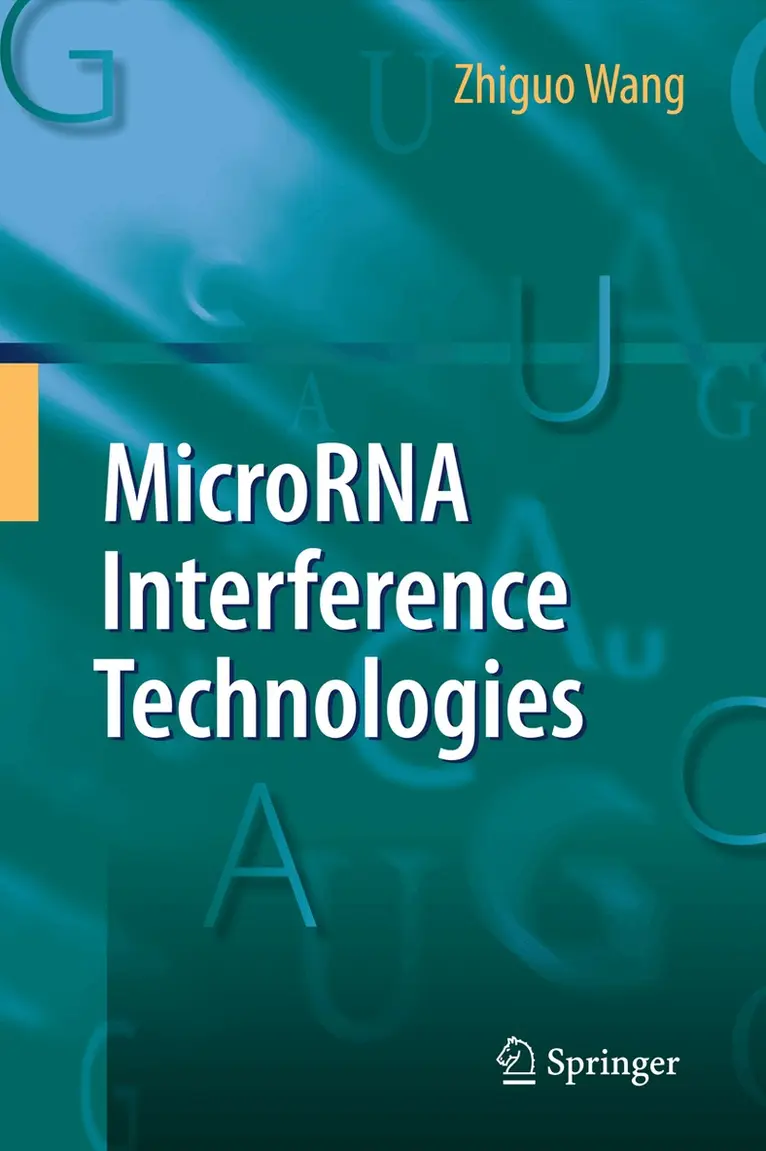
MicroRNAs (miRNAs), endogenous noncoding regulatory mRNAs of around 22-nucleotides long, have rapidly emerged as one of the key governors of the gene expression regulatory program in cells of varying species, with ever-increasing implications in the control of the fundamental biological processes and in the pathogenesis of adult humans. The exciting findings in this field have inspired us with a premise and a promise that miRNAs will ultimately be taken to the heart for therapy of human disease. While miRNAs have been considered potential therapeutic targets for disease treatment, it remains obscured what strategies we can use to achieve the goal. In the past years, we have witnessed a rapid evolving of many creative, innovative, inventive strategies and methodologies pertinent to miRNA research and applications. These technologies have convincingly demonstrated their efficacy and reliability in producing gain-of-function or loss-of-function of miRNAs through targeting miRNA expression/biogenesis/function, providing new tools for elucidating miRNA functions and opening up a new avenue for the development of new agents targeting miRNAs for therapeutic aims. The present book provides comprehensive descriptions of these technologies and their applications to miRNA research and to new drug design for miRNA-related diseases. It starts with an overview of up-to-date knowledge of miRNA biology and the potential of miRNAs as therapeutic targets for human disease, followed by an introduction of the new concept of miRNA interference (miRNAi) and the perspectives of miRNAi technologies in general terms. In the following, each chapter introduces one of the miRNAi technologies with detailed descriptions of state-of-the-art design, procedures, principles and applications to basic research, R and D and clinical therapy.

2 110 kr
Skickas inom 10-15 vardagar
MicroRNAs (miRNAs), endogenous noncoding regulatory mRNAs of - nucleotides, have rapidly emerged as the central players in gene expression regulation. Owing to their ever-increasing implications in the control of various biological and pathological processes, miRNAs have now been considered novel biomarkers of various human diseases including, cancer, viral disease, cardiov- cular disorders, metabolic disturbances, etc. Particular expression pro?les have been associated with particular pathological states. Expression pro?ling of miR- NAs have therefore become extremely important not only for fundamentalists but also for clinicians. However, the methodologies used for detecting protein-coding mRNAs cannot be directly applied to miRNAs because of their small size. Over the past years, researchers have made great efforts to developing techniques suitable for miRNA detection and quanti?cation; a wide spectrum of creative and inno- tive techniques (more than 30 different methods) have been invented and validated. It has come to the time now to summarize these methods and present them in an orderly manner for better understanding and utilization of these methods to miRNA research and applications. In particular, the development of methods for quantifying circulating miRNAs opens up a fascinating opportunity for realizing miRNA as diagnostic and prognostic biomarkers of human disease. A book on this subject may help boosting up the passion of researchers to further improve the existing techniques and develop more new methods to ?t to new application needs. These considerations prompted us and urged us to undertake the work: writing a book focusing on miRNA expression detection methods.
1 632 kr
Skickas inom 10-15 vardagar
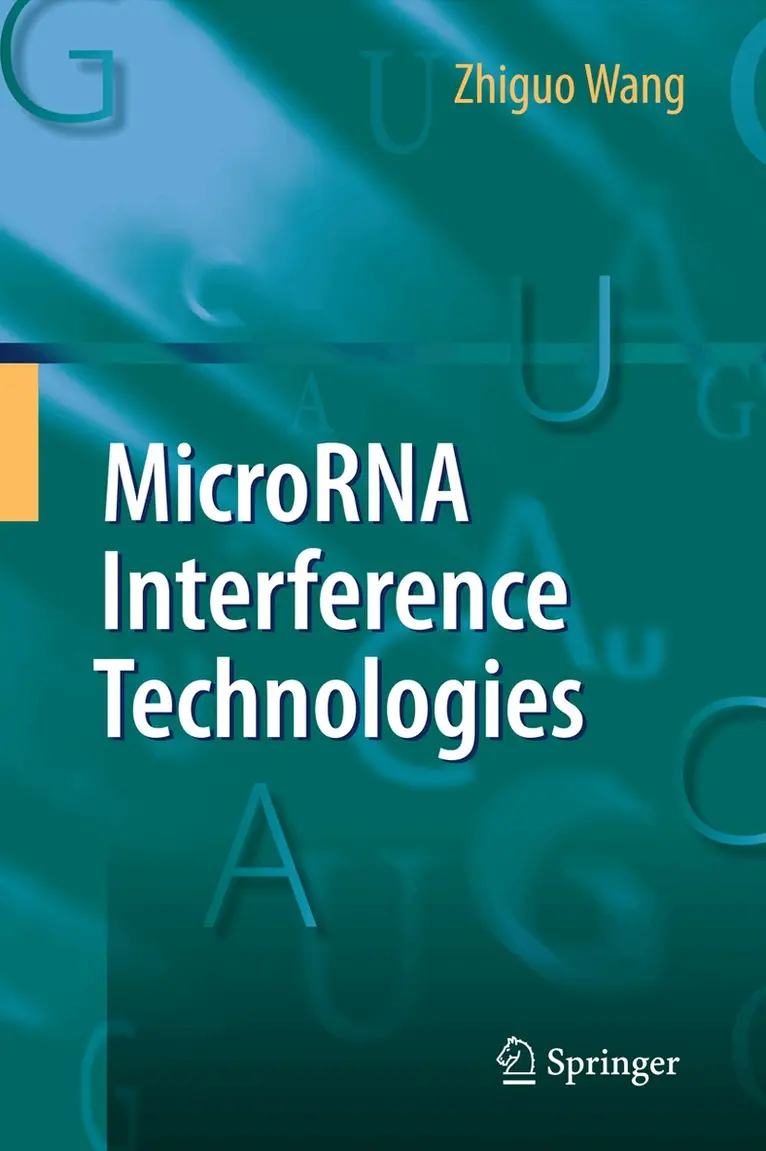
MicroRNAs (miRNAs), endogenous noncoding regulatory mRNAs of around 22-nucleotides long, have rapidly emerged as one of the key governors of the gene expression regulatory program in cells of varying species, with ever-increasing implications in the control of the fundamental biological processes and in the pathogenesis of adult humans. The exciting findings in this field have inspired us with a premise and a promise that miRNAs will ultimately be taken to the heart for therapy of human disease. While miRNAs have been considered potential therapeutic targets for disease treatment, it remains obscured what strategies we can use to achieve the goal. In the past years, we have witnessed a rapid evolving of many creative, innovative, inventive strategies and methodologies pertinent to miRNA research and applications. These technologies have convincingly demonstrated their efficacy and reliability in producing gain-of-function or loss-of-function of miRNAs through targeting miRNA expression/biogenesis/function, providing new tools for elucidating miRNA functions and opening up a new avenue for the development of new agents targeting miRNAs for therapeutic aims. The present book provides comprehensive descriptions of these technologies and their applications to miRNA research and to new drug design for miRNA-related diseases. It starts with an overview of up-to-date knowledge of miRNA biology and the potential of miRNAs as therapeutic targets for human disease, followed by an introduction of the new concept of miRNA interference (miRNAi) and the perspectives of miRNAi technologies in general terms. In the following, each chapter introduces one of the miRNAi technologies with detailed descriptions of state-of-the-art design, procedures, principles and applications to basic research, R and D and clinical therapy.

2 110 kr
Skickas inom 10-15 vardagar
MicroRNAs (miRNAs), endogenous noncoding regulatory mRNAs of - nucleotides, have rapidly emerged as the central players in gene expression regulation. Owing to their ever-increasing implications in the control of various biological and pathological processes, miRNAs have now been considered novel biomarkers of various human diseases including, cancer, viral disease, cardiov- cular disorders, metabolic disturbances, etc. Particular expression pro?les have been associated with particular pathological states. Expression pro?ling of miR- NAs have therefore become extremely important not only for fundamentalists but also for clinicians. However, the methodologies used for detecting protein-coding mRNAs cannot be directly applied to miRNAs because of their small size. Over the past years, researchers have made great efforts to developing techniques suitable for miRNA detection and quanti?cation; a wide spectrum of creative and inno- tive techniques (more than 30 different methods) have been invented and validated. It has come to the time now to summarize these methods and present them in an orderly manner for better understanding and utilization of these methods to miRNA research and applications. In particular, the development of methods for quantifying circulating miRNAs opens up a fascinating opportunity for realizing miRNA as diagnostic and prognostic biomarkers of human disease. A book on this subject may help boosting up the passion of researchers to further improve the existing techniques and develop more new methods to ?t to new application needs. These considerations prompted us and urged us to undertake the work: writing a book focusing on miRNA expression detection methods.