Zhihua Yao – författare
Visar alla böcker från författaren Zhihua Yao. Handla med fri frakt och snabb leverans.
10 produkter
10 produkter
Inbunden, Engelska, 2005
2 252 kr
Skickas inom 10-15 vardagar
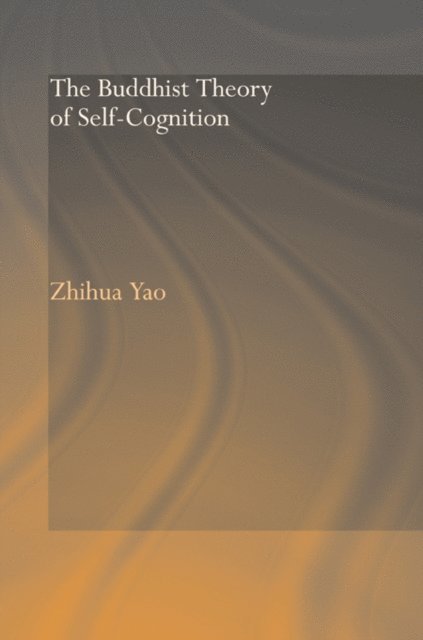
This highly original work explores the concept of self-awareness or self-consciousness in Buddhist thought. Its central thesis is that the Buddhist theory of self-cognition originated in a soteriological discussion of omniscience among the Mahasamghikas, and then evolved into a topic of epistemological inquiry among the Yogacarins. To illustrate this central theme, this book explores a large body of primary sources in Chinese, Pali, Sanskrit and Tibetan, most of which are presented to an English readership for the first time. It makes available important resources for the study of the Buddhist philosophy of mind.
Häftad, Engelska, 2009
835 kr
Skickas inom 10-15 vardagar
This highly original work explores the concept of self-awareness or self-consciousness in Buddhist thought. Its central thesis is that the Buddhist theory of self-cognition originated in a soteriological discussion of omniscience among the Mahasamghikas, and then evolved into a topic of epistemological inquiry among the Yogacarins. To illustrate this central theme, this book explores a large body of primary sources in Chinese, Pali, Sanskrit and Tibetan, most of which are presented to an English readership for the first time. It makes available important resources for the study of the Buddhist philosophy of mind.
Inbunden, Engelska, 2013
1 526 kr
Skickas inom 10-15 vardagar
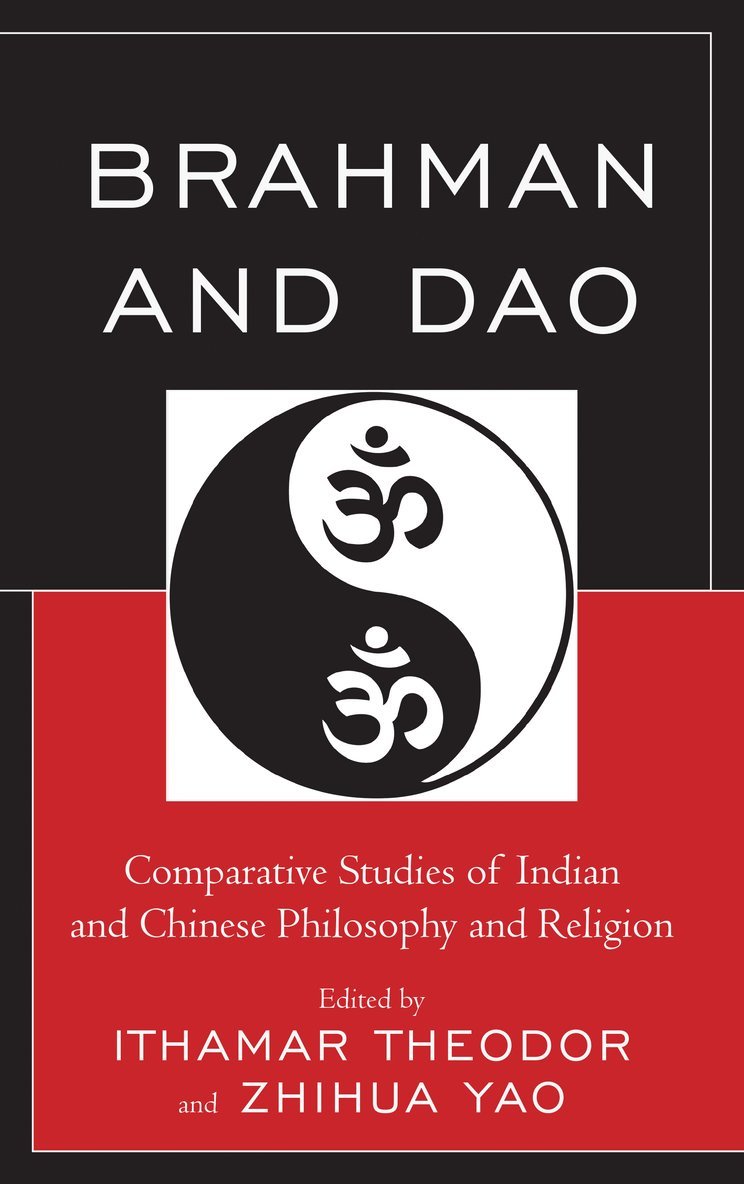
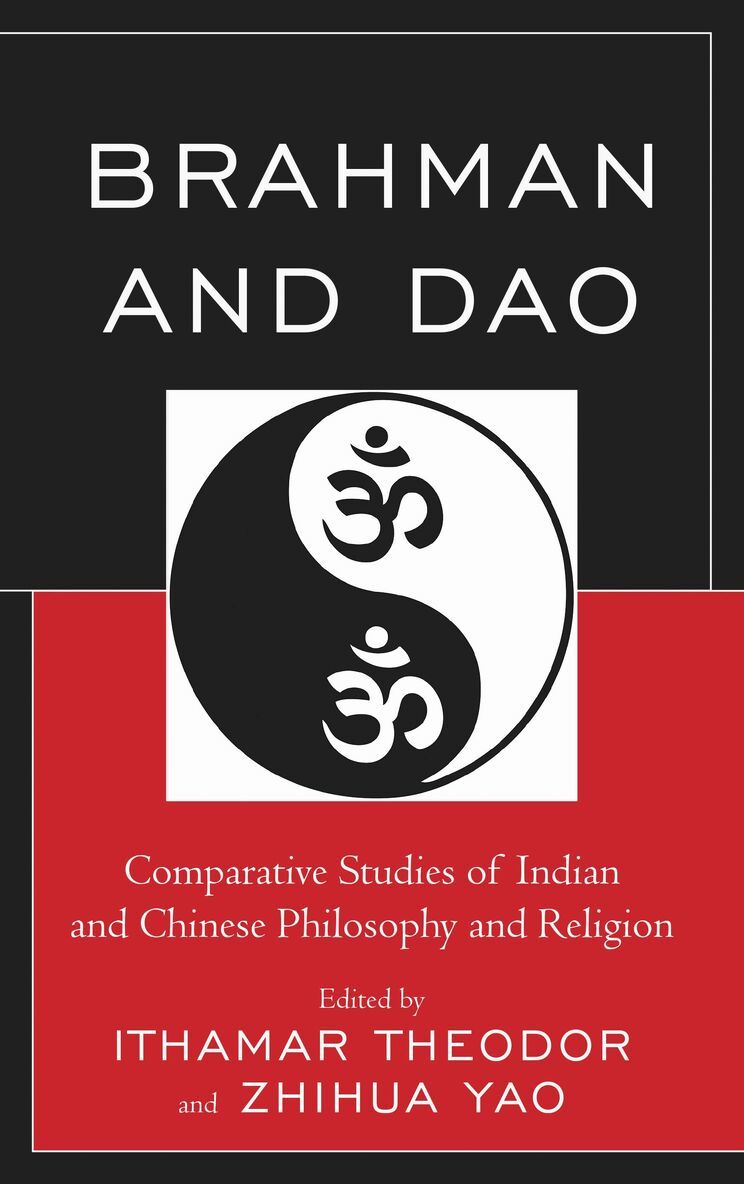
The present geopolitical rise of India and China evokes much interest in the comparative study of these two ancient Asian cultures. There are various studies comparing Western and Indian philosophies and religions, and there are similar works comparing Chinese and Western philosophy and religion. However, so far there is no systemic comparative study of Chinese and Indian philosophies and religions. Therefore there is a need to fill this gap. As such, Brahman and Dao: Comparative Studies of Indian and Chinese Philosophy and Religion is a pioneering volume in that it highlights possible bridges between these two great cultures and complex systems of thought, with seventeen chapters on various Indo-Chinese comparative topics. The book focuses on four themes: metaphysics and soteriology; ethics; body, health and spirituality; and language and culture.
E-bok
Engelska, 2012957 kr
Läs direkt efter köp
This highly original work explores the concept of self-awareness or self-consciousness in Buddhist thought. Its central thesis is that the Buddhist theory of self-cognition originated in a soteriological discussion of omniscience among the Mahasamghikas, and then evolved into a topic of epistemological inquiry among the Yogacarins. To illustrate this central theme, this book explores a large body of primary sources in Chinese, Pali, Sanskrit and Tibetan, most of which are presented to an English readership for the first time. It makes available important resources for the study of the Buddhist philosophy of mind.
E-bok
PDF, Engelska, 2012957 kr
Läs direkt efter köp
This highly original work explores the concept of self-awareness or self-consciousness in Buddhist thought. Its central thesis is that the Buddhist theory of self-cognition originated in a soteriological discussion of omniscience among the Mahasamghikas, and then evolved into a topic of epistemological inquiry among the Yogacarins. To illustrate this central theme, this book explores a large body of primary sources in Chinese, Pali, Sanskrit and Tibetan, most of which are presented to an English readership for the first time. It makes available important resources for the study of the Buddhist philosophy of mind.
Inbunden, Engelska, 2020
1 526 kr
Skickas inom 10-15 vardagar
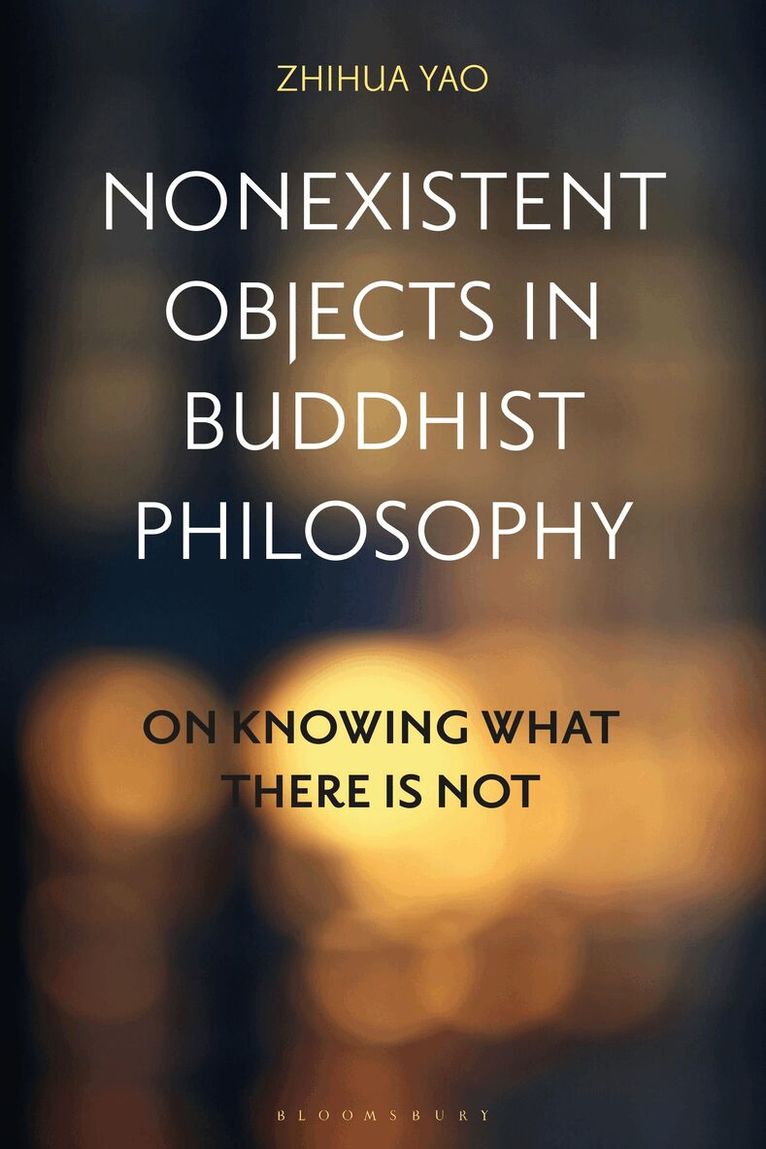
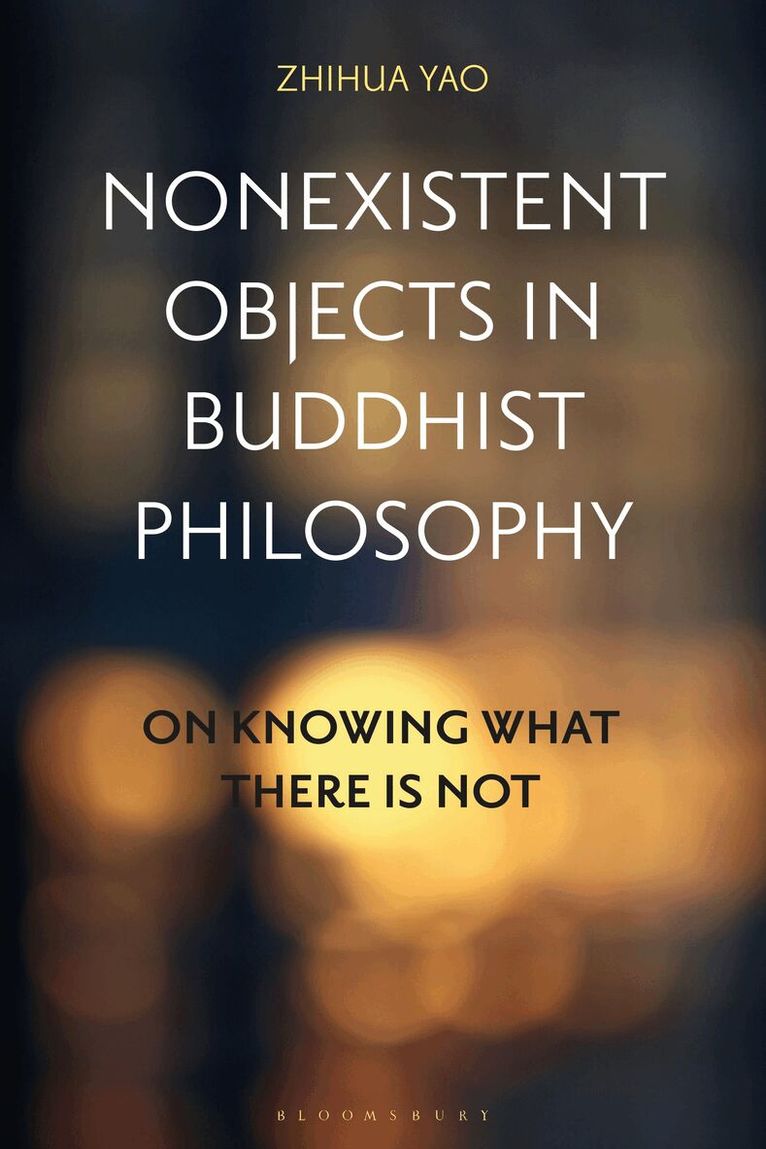
Can we know what there is not? This book examines the historical development of the concept of the cognition of nonexistent objects in several major Buddhist philosophical schools. Beginning with a study of the historical development of the concept in Mahasamghika, Darstantika, Yogacara and Sautrantika, it evaluates how successfully they have argued against the extreme view of their main opponent the Sarvastivadins and established their view that one can know what there is not. It also includes thematic studies on the epistemological issues of nonexistence, discussing making sense of empty terms, controversies over negative judgments, and a proper classification of the conceptions of nothing or nonexistence. Taking a comparative approach to these topics, this book considers contemporary Western philosophers such as Husserl, Heidegger, Meinong and Russell alongside representative figures of the Buddhist Pramana School. Based on first-hand study of primary sources in Sanskrit, Chinese and Tibetan, Nonexistent Objects in Buddhist Philosophy makes available the rich discussions and debates on the epistemological issues of nonexistence in Buddhist philosophy to students and researchers in Asian and comparative philosophy.
E-bok
PDF, Engelska, 2020482 kr
Läs direkt efter köp
Can we know what there is not? This book examines the historical development of the concept of the cognition of nonexistent objects in several major Buddhist philosophical schools. Beginning with a study of the historical development of the concept in Mahasamghika, Darstantika, Yogacara and Sautrantika, it evaluates how successfully they have argued against the extreme view of their main opponent the Sarvastivadins and established their view that one can know what there is not. It also includes thematic studies on the epistemological issues of nonexistence, discussing making sense of empty terms, controversies over negative judgments, and a proper classification of the conceptions of nothing or nonexistence. Taking a comparative approach to these topics, this book considers contemporary Western philosophers such as Husserl, Heidegger, Meinong and Russell alongside representative figures of the Buddhist Pramana School. Based on first-hand study of primary sources in Sanskrit, Chinese and Tibetan, Nonexistent Objects in Buddhist Philosophy makes available the rich discussions and debates on the epistemological issues of nonexistence in Buddhist philosophy to students and researchers in Asian and comparative philosophy.
E-bok
Engelska, 2020482 kr
Läs direkt efter köp
Can we know what there is not? This book examines the historical development of the concept of the cognition of nonexistent objects in several major Buddhist philosophical schools. Beginning with a study of the historical development of the concept in Mahasamghika, Darstantika, Yogacara and Sautrantika, it evaluates how successfully they have argued against the extreme view of their main opponent the Sarvastivadins and established their view that one can know what there is not. It also includes thematic studies on the epistemological issues of nonexistence, discussing making sense of empty terms, controversies over negative judgments, and a proper classification of the conceptions of nothing or nonexistence. Taking a comparative approach to these topics, this book considers contemporary Western philosophers such as Husserl, Heidegger, Meinong and Russell alongside representative figures of the Buddhist Pramana School. Based on first-hand study of primary sources in Sanskrit, Chinese and Tibetan, Nonexistent Objects in Buddhist Philosophy makes available the rich discussions and debates on the epistemological issues of nonexistence in Buddhist philosophy to students and researchers in Asian and comparative philosophy.
Häftad, Engelska, 2021
463 kr
Skickas inom 10-15 vardagar
Can we know what there is not? This book examines the historical development of the concept of the cognition of nonexistent objects in several major Buddhist philosophical schools. Beginning with a study of the historical development of the concept in Mahasamghika, Darstantika, Yogacara and Sautrantika, it evaluates how successfully they have argued against the extreme view of their main opponent the Sarvastivadins and established their view that one can know what there is not. It also includes thematic studies on the epistemological issues of nonexistence, discussing making sense of empty terms, controversies over negative judgments, and a proper classification of the conceptions of nothing or nonexistence. Taking a comparative approach to these topics, this book considers contemporary Western philosophers such as Husserl, Heidegger, Meinong and Russell alongside representative figures of the Buddhist Pramana School. Based on first-hand study of primary sources in Sanskrit, Chinese and Tibetan, Nonexistent Objects in Buddhist Philosophy makes available the rich discussions and debates on the epistemological issues of nonexistence in Buddhist philosophy to students and researchers in Asian and comparative philosophy.
Häftad, Engelska, 2015
835 kr
Skickas inom 10-15 vardagar
The present geopolitical rise of India and China evokes much interest in the comparative study of these two ancient Asian cultures. There are various studies comparing Western and Indian philosophies and religions, and there are similar works comparing Chinese and Western philosophy and religion. However, so far there is no systemic comparative study of Chinese and Indian philosophies and religions. Therefore there is a need to fill this gap. As such, Brahman and Dao: Comparative Studies of Indian and Chinese Philosophy and Religion is a pioneering volume in that it highlights possible bridges between these two great cultures and complex systems of thought, with seventeen chapters on various Indo-Chinese comparative topics. The book focuses on four themes: metaphysics and soteriology; ethics; body, health and spirituality; and language and culture.