Ziba Vaghri – författare
Visar alla böcker från författaren Ziba Vaghri. Handla med fri frakt och snabb leverans.
4 produkter
4 produkter
Inbunden, Engelska, 2022
545 kr
Skickas inom 10-15 vardagar
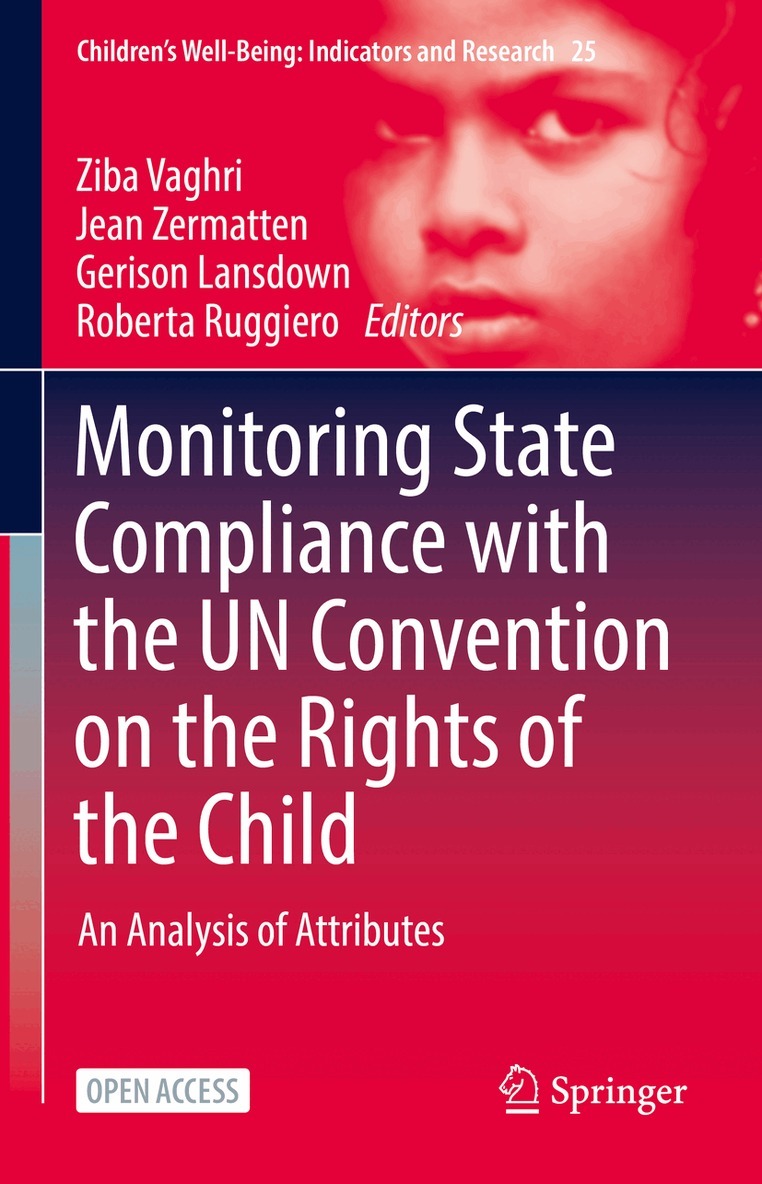
This open access book presents a discussion on human rights-based attributes for each article pertinent to the substantive rights of children, as defined in the United Nations Convention on the Rights of the Child (UNCRC). It provides the reader with a unique and clear overview of the scope and core content of the articles, together with an analysis of the latest jurisprudence of the UN Committee on the Rights of the Child. For each article of the UNCRC, the authors explore the nature and scope of corresponding State obligations, and identify the main features that need to be taken into consideration when assessing a State’s progressive implementation of the UNCRC. This analysis considers which aspects of a given right are most important to track, in order to monitor States' implementation of any given right, and whether there is any resultant change in the lives of children. This approach transforms the narrative of legal international standards concerning a given right into a set of characteristics that ensure no aspect of said right is overlooked. The book develops a clear and comprehensive understanding of the UNCRC that can be used as an introduction to the rights and principles it contains, and to identify directions for future policy and strategy development in compliance with the UNCRC. As such, it offers an invaluable reference guide for researchers and students in the field of childhood and children’s rights studies, as well as a wide range of professionals and organisations concerned with the subject.
Del 25 - Children’s Well-Being: Indicators and Research
Monitoring State Compliance with the UN Convention on the Rights of the Child
An Analysis of Attributes
Häftad, Engelska, 2022
437 kr
Skickas inom 10-15 vardagar
This open access book presents a discussion on human rights-based attributes for each article pertinent to the substantive rights of children, as defined in the United Nations Convention on the Rights of the Child (UNCRC). It provides the reader with a unique and clear overview of the scope and core content of the articles, together with an analysis of the latest jurisprudence of the UN Committee on the Rights of the Child. For each article of the UNCRC, the authors explore the nature and scope of corresponding State obligations, and identify the main features that need to be taken into consideration when assessing a State’s progressive implementation of the UNCRC. This analysis considers which aspects of a given right are most important to track, in order to monitor States' implementation of any given right, and whether there is any resultant change in the lives of children. This approach transforms the narrative of legal international standards concerning a given right into a set of characteristics that ensure no aspect of said right is overlooked. The book develops a clear and comprehensive understanding of the UNCRC that can be used as an introduction to the rights and principles it contains, and to identify directions for future policy and strategy development in compliance with the UNCRC. As such, it offers an invaluable reference guide for researchers and students in the field of childhood and children’s rights studies, as well as a wide range of professionals and organisations concerned with the subject.
Del 28 - Children’s Well-Being: Indicators and Research
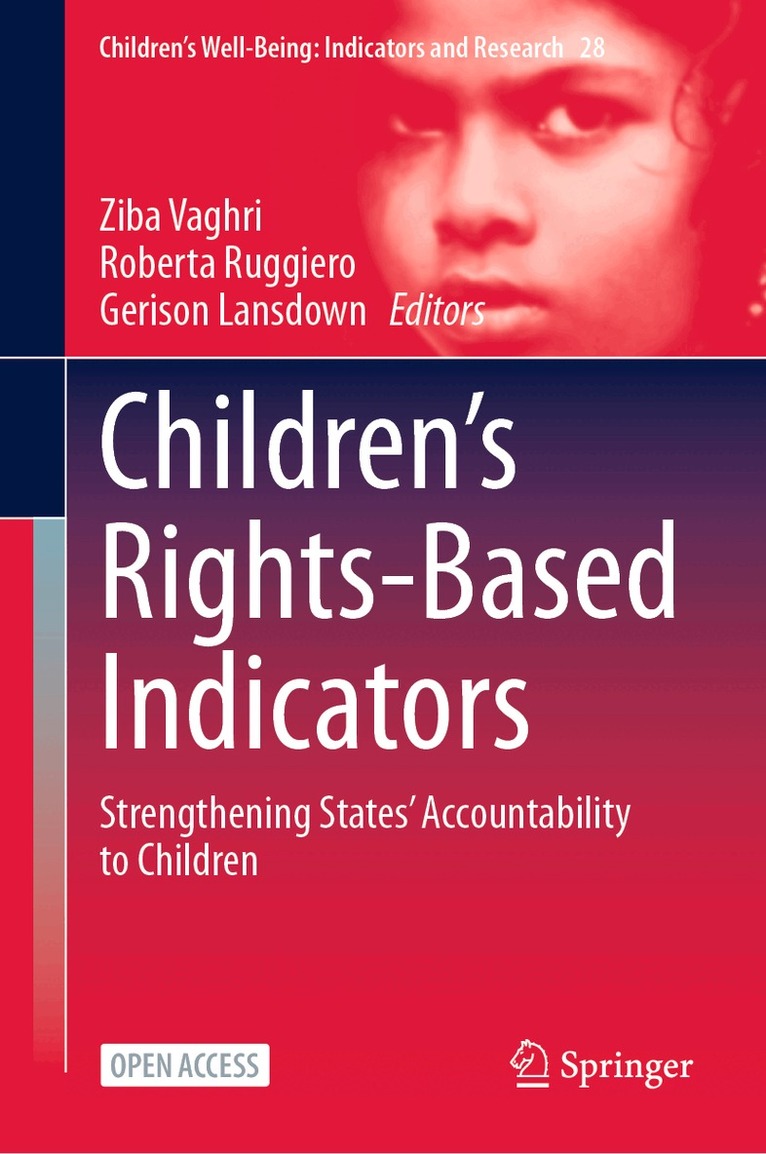
Children’s Rights-Based Indicators
Strengthening States’ Accountability to Children
Inbunden, Engelska, 2025
545 kr
Skickas inom 10-15 vardagar
This open access volume provides the first-ever comprehensive framework of indicators to measure progress in the implementation of the UN Convention on the Rights of the Child.
E-bok
PDF, Tyska, 2019215 kr
Läs direkt efter köp
Die empirische Bestandaufnahme der Menschenrechtslage ist ein methodisch anspruchsvolles Unterfangen von großer politischer Bedeutung. Die Fragen, wie es um die Menschenrechte in einem Land bestellt ist und inwiefern die jeweiligen Staaten die Menschenrechte umsetzen oder aber verletzen, bilden für gewöhnlich den Ausgangspunkt staatlicher wie nichtstaatlicher Bemühungen, die Menschenrechte besser zu schützen.Zugleich ist die methodisch reflektierte Erfassung der Menschenrechtslage auch sozialwissenschaftlich bedeutsam. Erst so lassen sich im zeitversetzten (diachronen) oder zeitgleichen (synchronen) Ländervergleich Entwicklungen und Unterschiede aufzeigen, die es zu erklären gilt. Warum hat sich beispielsweise die Menschenrechtslage in einem Land über die Zeit verbessert oder aber verschlechtert? Weshalb weisen einige Staaten ein besseres oder schlechteres Menschenrechtsprofil als andere Staaten auf? Gibt es Situationen, in denen die Menschenrechte besonders gefährdet sind, und gesellschaftliche Gruppen, die von Menschenrechtsverletzungen besonders betroffen sind? Solche Fragen lassen sich nicht beantworten, ohne die Menschenrechtslage empirisch zu erfassen.Es geht in diesem Heft also um quantitative Angaben zu Menschenrechten. Die jeweiligen Autorinnen und Autoren setzen sich mit menschenrechtsbezogenen oder -relevanten Daten, Indikatoren und Indizes auseinander, die für ihre Arbeitsbereiche wichtig sind. Dabei werden auch Probleme quantitativer Messungen von Menschenrechten benannt und deren Aussagekraft und Verwendung hinterfragt. So hoffen wir, der Debatte über "Menschenrechte in Zahlen" den einen oder anderen Impuls zu geben.