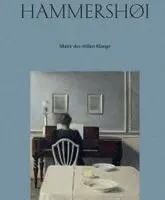
Danish painter Vilhelm Hammershøi is one of the most fascinating artists of the period around 1900. Using sparse imagery and a reduced colour palette, he created interiors that are overwhelmingly poetic in their reduction to the essentials. People rarely appear in his paintings, and when they do, they are shown from behind or absorbed in everyday activities. Hammershøi has therefore rightly been called the ‘Vermeer of the North.’ For the first time, the catalogue and exhibition focus on the role of sound in Hammershøi's visual world. The painter himself played the cello, and musical instruments are a recurring theme in his compositions. The subtitle ‘Painter of Silent Sound’ only superficially describes a paradox. For as ‘silent’ as the paintings may seem at first glance, it is a silence that resembles the concentrated calm immediately before the start of a concert. A silence that demands our attention and invites us to listen – thus revealing a completely new side to Hammershøi's art.
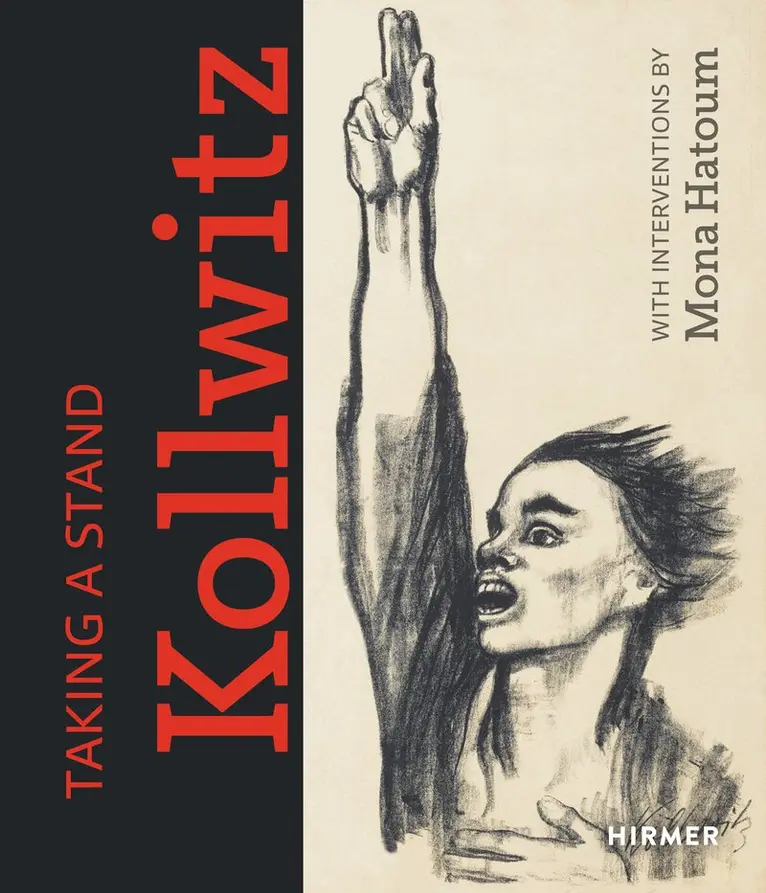
Raw, unprettified and decried in conservative circles as “gutter art”: Käthe Kollwitz employed her art uncompromisingly as a political voice for the social and human misery of her time. Her focus always lay on the dignity of humankind. The volume provides a wide-ranging insight into the commitment and creative work of the artist, whose achievements are more topical than ever. The book covers the entire spectrum of Kollwitz’ creative work with the world-famous cycles of graphic works A Weavers’ Revolt and Peasants’ War, rare proofs and moving drawings and sculptures, thereby showing all facets of her masterful skills. The political dimension of Kollwitz’ art becomes tangible in a particularly impressive manner through her posters. The unbroken validity of her work is demonstrated in a juxtaposition with the interventions by the artist Mona Hatoum (b. 1952), which revolve around topics such as vulnerability, persecution and the experience of conflict.
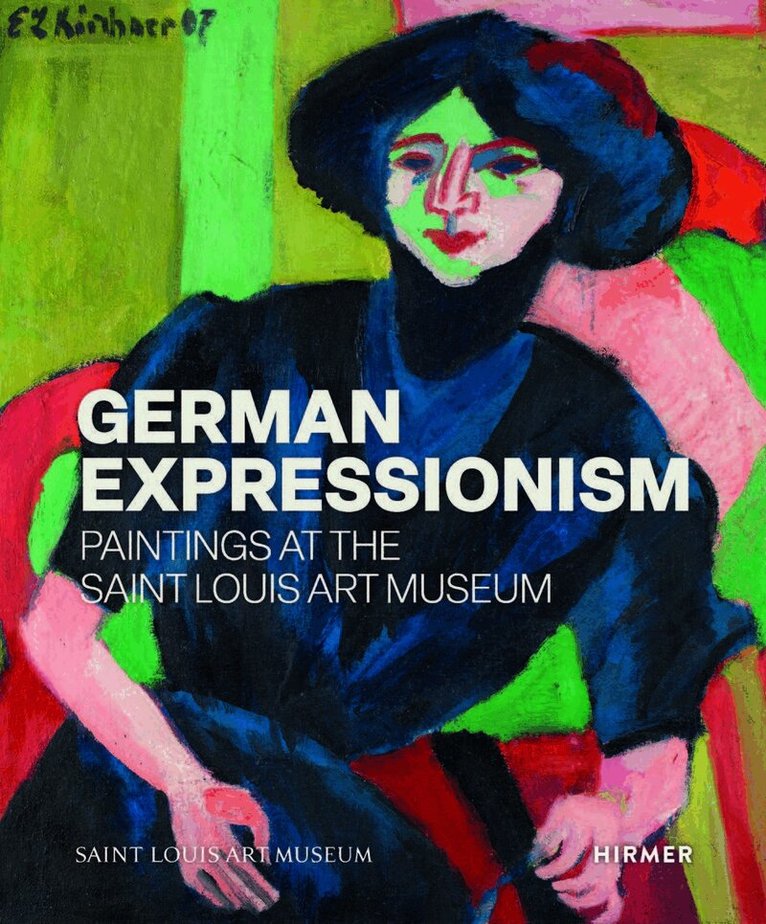
The Saint Louis Art Museum has assembled one of North America’s largest and most comprehensive collections of German Expressionist paintings. Rediscover a defining movement of modern art through this original study of works by 25 artists who span its famously wide arc. This is the first publication on the Saint Louis Art Museum’s internationally renowned collection of German Expressionist art, which includes major works by the movement’s leading artists and lesser-known figures rarely seen outside of Germany. Engaging entries delve into the paintings’ histories, from their production to their arrival in St. Louis. An introduction traces the collection’s origins to the flood of Expressionist art that entered the United States during World War II. What emerges is a new account of a pivotal era in modern art.