249 kr
Skickas inom 5-8 vardagar
249 kr
Skickas inom 5-8 vardagar
216 kr
Skickas inom 5-8 vardagar
222 kr
Kommande
297 kr
Kommande
98 kr
Läs direkt efter köp
183 kr
Skickas inom 5-8 vardagar
183 kr
Skickas inom 5-8 vardagar
133 kr
Läs direkt efter köp
179 kr
Skickas inom 5-8 vardagar
136 kr
Läs direkt efter köp
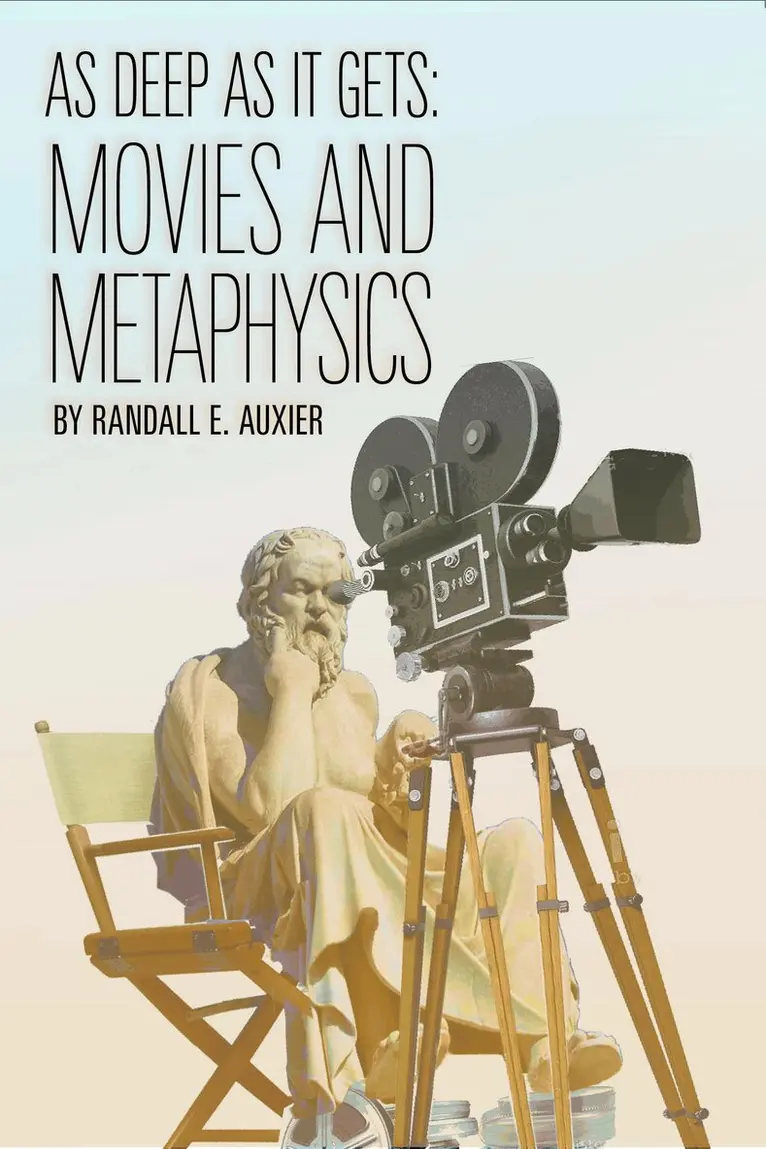
As Deep as It Gets: Movies and Metaphysics is a witty and light-hearted introduction to philosophy through a deep study of some well-known movies and TV shows: Pulp Fiction, South Park, The Princess Bride, The Wizard of Oz, Super 8, The Twilight Zone, House of Cards, Inception, Monty Python’s Life of Brian, His Dark Materials, Sergio Leone’s westerns, and Alfred Hitchock’s Lifeboat.
All the major branches of philosophy are covered, including aesthetics, political philosophy, metaphysics, and the theory of knowledge. The author’s approach is “Continental,” with some American idealism and process philosophy in support. The emphasis is on the primacy of time as a key to interpreting human experience. In that regard, existentialism, phenomenology, and process philosophy are better guides to thinking about time than the more popular approaches that depend on language analysis.
Professor Auxier says: “Philosophizing involves telling stories about life that are art, and making up stories that aren’t life but provide a contrast to it. I want readers to add to what I see, and to take up interpretations contrary to mine. A healthy discussion is good for everybody.”
130 kr
Läs direkt efter köp
231 kr
Skickas inom 5-8 vardagar
149 kr
Läs direkt efter köp
Volume #1 in the series Critical Responses®
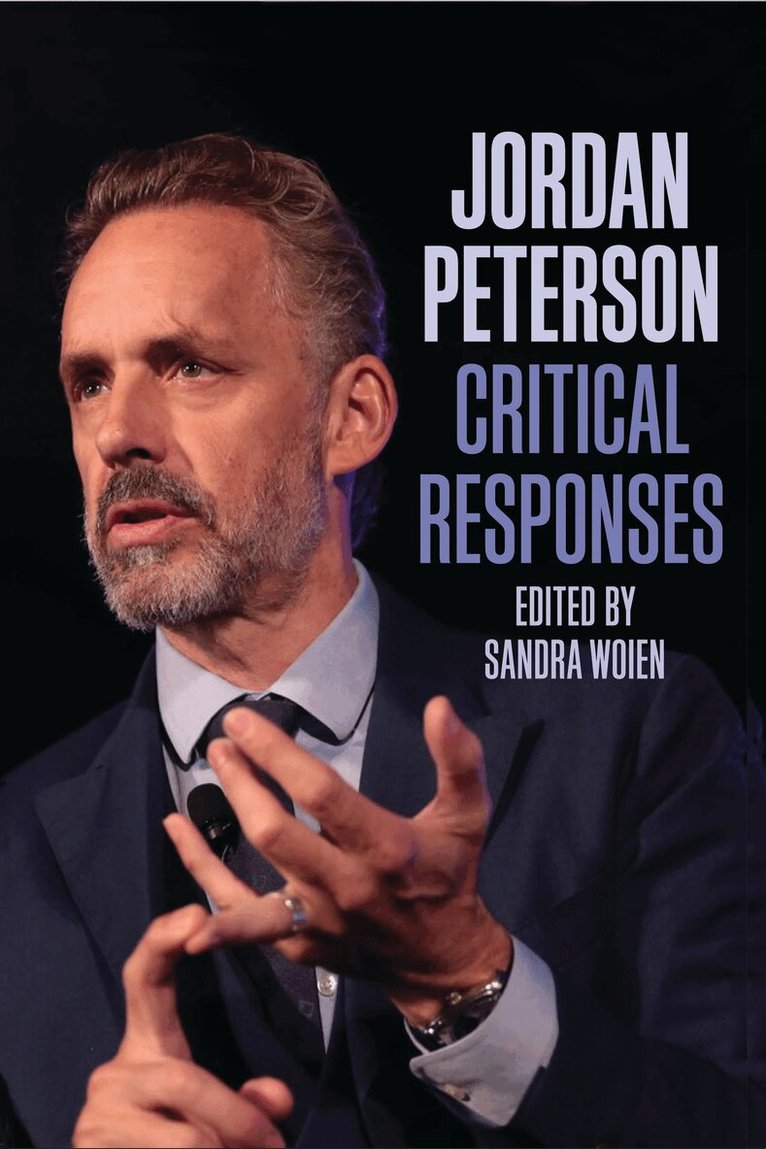
The Canadian psychology professor Jordan Peterson burst into public awareness when he opposed "the compulsory use of newfangled gender-pronouns". He has since published two best-selling books, 12 Rules for Life: An Antidote to Chaos (2018) and Beyond Order: 12 More Rules for Life (2021), and has become the leading public intellectual on social media.
Peterson has an almost cult-like following. Although he arouses strong passions both for and against his points, there has been very little focused, objective criticism of his provocative views on a wide variety of topics: the role of religion, the alleged need for more value and meaning in the modern world, the way young people should conduct their lives, the history of Marxism and postmodernism, male-female relations; the interpretation of Bible stories, the inevitability of hierarchy and inequality, and the application of Jungian archetypes.
Jordan Peterson: Critical Responses brings together new and searching criticisms of various specific aspects of Peterson’s ideas. Though on balance decidedly critical, the authors represent a range of different backgrounds and philosophical assumptions, and the criticisms are fair and temperate, eschewing the personal attacks which have marred many of the pronouncements of Peterson’s opponents.
133 kr
Läs direkt efter köp
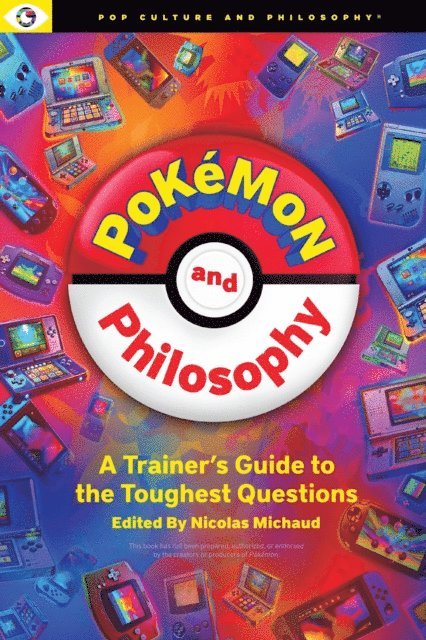
In this collection of essays, modern-day philosophers examine and dissect the video game extravaganza. They explore its creators'' original intent to entertain audiences, as well as examine the expansion of the Pokémon empire and its various wide-reaching effects on Western popular culture.
Using a collection of diverse backgrounds, cutting-edge arguments, and convictions, Pokémon and Philosophy encourages its readers to stay curious and to explore the world of Pokémon a little further in our attempt to philosophically ‘catch ’em all’! This is the latest edition in our series, Pop Culture and Philosophy.
207 kr
Skickas inom 5-8 vardagar
166 kr
Läs direkt efter köp
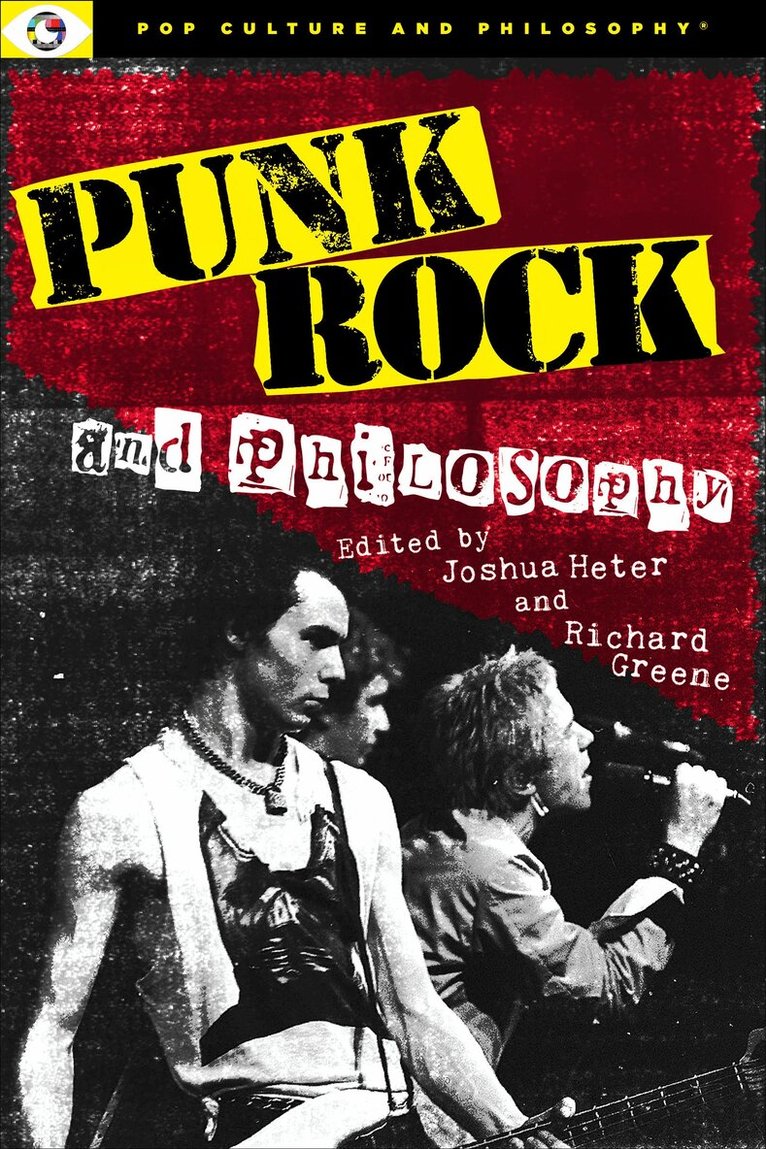
“All that is solid melts into air, all that is holy is profaned, and man is at last compelled to face with sober senses, his real conditions of life, and his relations with his kind.”
Karl Marx might have been thinking of punk rock when he wrote these words in 1847, but he overlooked the possibility that new forms of solidity and holiness could spring into existence overnight.
Punk rock was a celebration of nastiness, chaos, and defiance of convention, which quickly transcended itself and developed its own orthodoxies, shibboleths, heresies, and sectarian wars.
Is punk still alive today? What has it left us with? Does punk make any artistic sense? Is punk inherently anarchist, sexist, neo-Nazi, Christian, or—perish the thought—Marxist? When all’s said and done, does punk simply suck?
These obvious questions only scratch the surface of punk’s philosophical ramifications, explored in depth in this unprecedented and thoroughly nauseating volume.
Thirty-two professional thinkers-for-a-living and students of rock turn their x-ray eyes on this exciting and frequently disgusting topic, and penetrate to punk’s essence, or perhaps they end up demonstrating that it has no essence. You decide.
Among the nail-biting questions addressed in this book:
● Can punks both reject conformity to ideals and complain that poseurs fail to confirm to the ideals of punk?
● How and why can social protest take the form of arousing revulsion by displaying bodily functions and bodily abuse?
● Can punk ethics be reconciled with those philosophical traditions which claim that we should strive to become the best version of ourselves?
● How close is the message of Jesus of Nazareth to the message of punk?
● Is punk essentially the cry of cis, white, misogynist youth culture, or is there a more wholesome appeal to irrepressibly healthy tendencies like necrophilia, coprophilia, and sadomasochism?
● In its rejection of the traditional aesthetic of order and complexity, did punk point the way to “aesthetic anarchy,” based on simplicity and chaos?
● By becoming commercially successful, did punk fail by its very success?
● Is punk what Freddie Nietzsche was getting at in The Birth of Tragedy, when he called for Dionysian art, which venerates the raw, instinctual, and libidinous aspects of life?
Show Additional Fields
Review QuotesREC201 kr
Skickas inom 5-8 vardagar
149 kr
Läs direkt efter köp
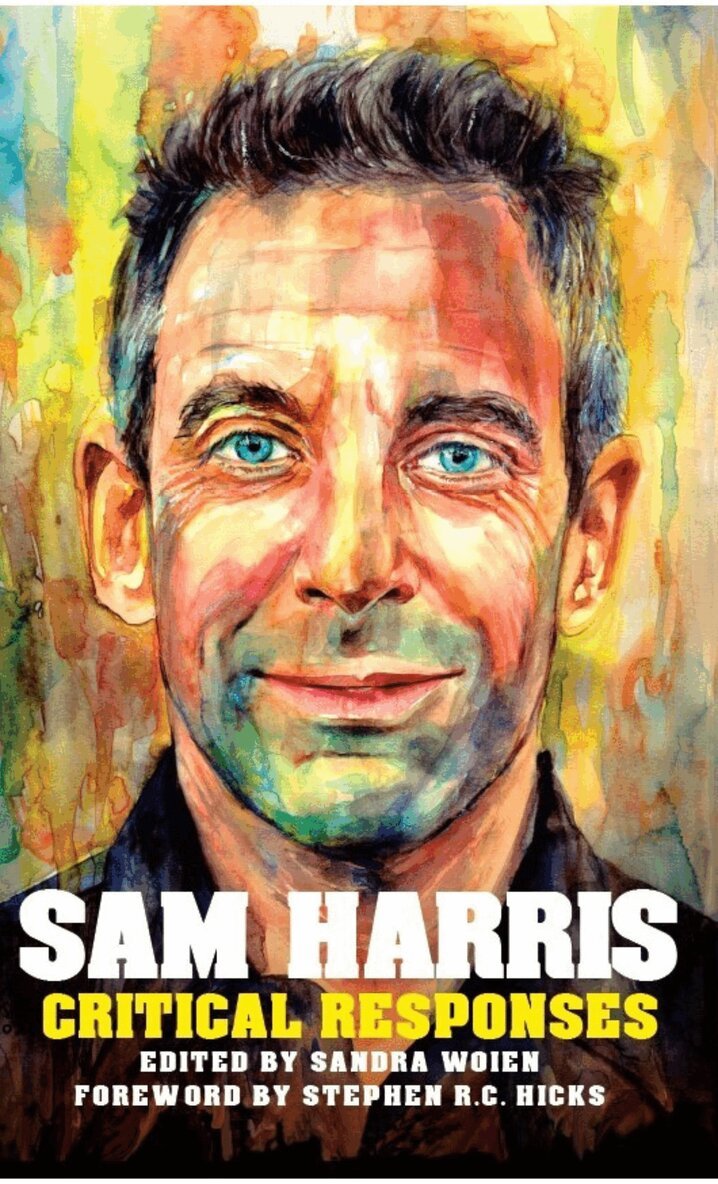
Sam Harris sparked off the unexpected phenomenon of the New Atheism with his best-seller The End of Faith (2004), and has since authored five more best-sellers on different topics, as well as becoming a leading presence on social media. His blog Making Sense has an enormous popular following.
Harris is celebrated as an opponent of theistic religion, a warning voice against the menace of Islamism, an atheist advocate of spiritual meditation (in the Tibetan Buddhist manner), a proponent of the controversial view that science can solve all ethical problems, and a disbeliever in the existence of free will.
Harris is frequently a target of hostility. Critics accuse him of a soulless mechanistic worldview, a bigoted Islamophobism, and a scientistic denial of deeper humanity. Typical of many bitter attacks on Harris is that of Union Theological Seminary professor Robert Wright, who wrote in 2018 that “the famous proponent of New Atheism is on a crusade against tribalism but seems oblivious to his own version of it.” Harris has been identified as a member of “the Intellectual Dark Web,” though he has recently disavowed any further adherence to that group. Harris’s much-anticipated confrontation with Jordan Peterson on the subject of religion disappointingly fell flat when Harris and Peterson were unable to get on to the serious discussion because they could not agree on the definition of the word “truth.”
Sam Harris: Critical Responses is a collection of essays criticizing different aspects of Harris’s thinking from a range of diverse perspectives—left and right, Christian and atheist, philosophical, psychological, and political. Though the criticisms are often severe, the approach is always reasonable and respectful. As one noted author commented on Sandra Woien’s previous collection, Jordan Peterson: Critical Responses, “Both fans and foes will appreciate this volume.”Forward by Stephen R. C. Hicks.
Stephen is a professor of Philosophy at Rockford University. He is the author of Explaining Postmodernism (2004) and Nietzsche and the Nazis (2010).
212 kr
Skickas inom 5-8 vardagar
146 kr
Läs direkt efter köp
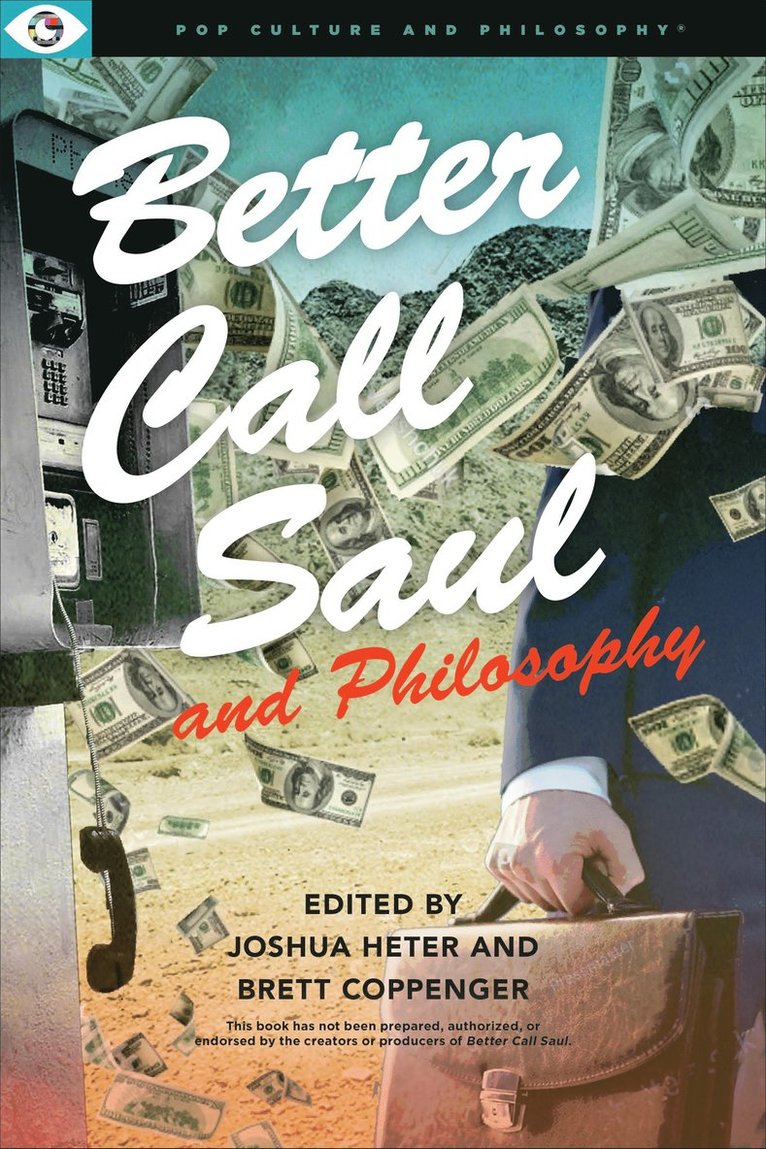
Better Call Saul and Philosophy: I Think Therefore I Scam is a collection of twenty-three essays exploring the philosophical themes in the hit television show Better Call Saul, a prequel to the TV show Breaking Bad. The sixth and final season of Better Call Saul, with thirteen episodes, began airing in April 2022.
The central character is Jimmy McGill, whom we know from Breaking Bad as Saul Goodman. In Better Call Saul he first takes the name of Saul Goodman from the phrase “S’all Good, Man!” Jimmy/Saul is a natural con artist who not only scams from self-interest but also because he enjoys it. He has a strange relationship with his brother, the distinguished lawyer Charles McGill, who resents Jimmy’s delinquency and advantage in parental affection. Jimmy/Saul becomes a lawyer for a drug cartel, and most of the people he meets are criminals and other kinds of villains.
Like Breaking Bad, Better Call Saul raises a wide range of philosophical issues including the nature of good and evil, personal identity, free will and determinism, the law as it relates to morality, the ethical implications of the war on drugs, death and dying, and many more. Better Call Saul and Philosophy offers thoughtful fans of the show deeper and more provocative insights into the story and the characters.
Topics covered include: the morality of keeping promises to wrongdoers, the nature of psychosomatic illness, difficult moral choices facing lawyers, just how good or bad are some of the compromised characters in the show, the unintended consequences of the War on Drugs, the similarities between drug cartels and governments, whether bad people are just unlucky, the perils of self-deception, and whether we ever really have much of a choice.
Better Call Saul and Philosophy is Volume 8 in the path-breaking series, Pop Culture and Philosophy.
139 kr
Läs direkt efter köp
148 kr
Läs direkt efter köp
205 kr
Skickas inom 5-8 vardagar
166 kr
Läs direkt efter köp
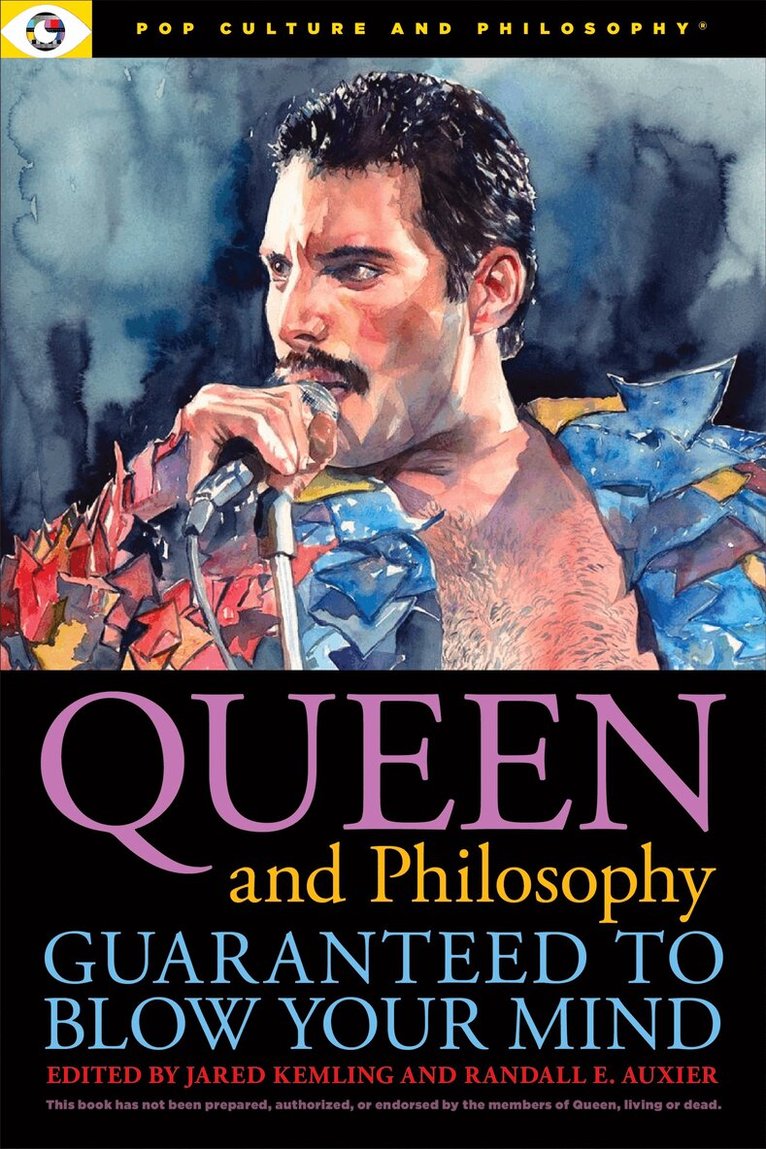
These insightful and provocative chapters include:
● uncover the origins of Queen’s unique style in prog rock, vulgarity, and lower versus higher Romanticism
● examine Queen’s view of love, friendship, and erotic relationships
● draw upon three timeless Queen songs, “We Will Rock You,” “We Are the Champions,” and “Don’t Stop Me Now” and Socrates’s behavior in the Apology, to understand the “rocking” nature of philosophy
● identify the connections between ancient matriarchal religion and Queen’s love for strong female imagery
● explore how Brian May’s astrophysics brings to bear the issues of absolute versus relative spacetime and how the philosophies of Newton, Mach, and Einstein contribute to Queen’s creative output
● analyze the structure of Queen’s sound to answer the inevitable question, How can four people make all that music?
● expose what Queen’s songs tell us about the contemporary theory of mental illness and therapy
● scrutinize Roger Taylor’s stark impressions of ordinary life and death, and their alignment to the cynical musings of Diogenes of Sinope and Seneca’s blunt observations on the shortness of life
This book is #6 in our series, Pop Culture and Philosophy.
361 kr
Skickas inom 5-8 vardagar
212 kr
Skickas inom 5-8 vardagar
130 kr
Läs direkt efter köp
212 kr
Skickas inom 5-8 vardagar
136 kr
Läs direkt efter köp
256 kr
Skickas inom 5-8 vardagar