393 kr
Skickas inom 11-20 vardagar
393 kr
Skickas inom 11-20 vardagar
340 kr
Skickas inom 5-8 vardagar
311 kr
Skickas inom 3-6 vardagar
340 kr
Skickas inom 5-8 vardagar
256 kr
Skickas inom 3-6 vardagar
340 kr
Skickas inom 5-8 vardagar
327 kr
Kommande
123 kr
Skickas inom 5-8 vardagar
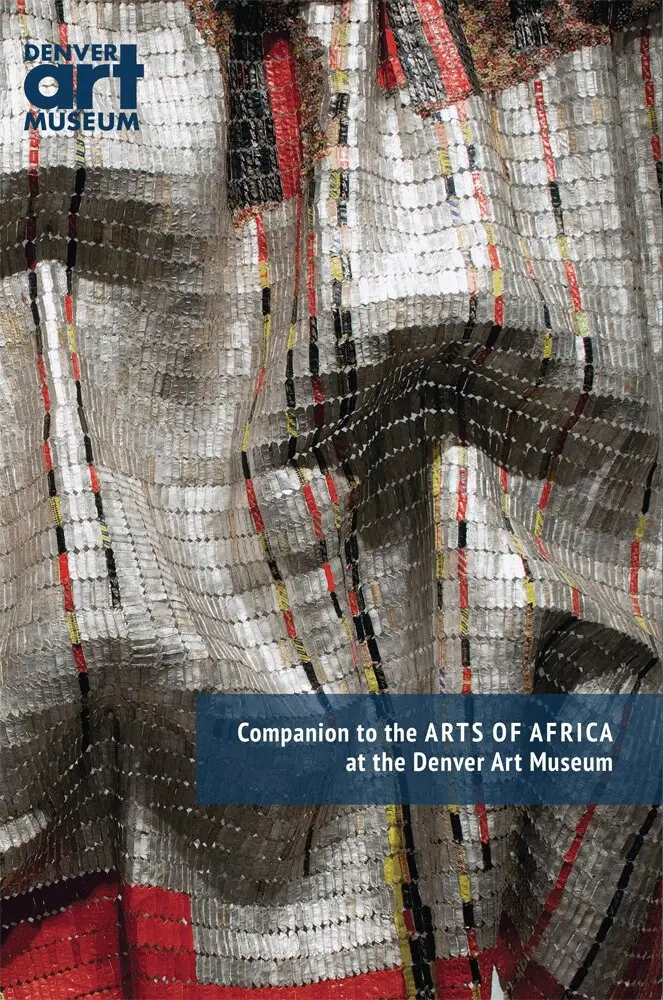
This guide offers readers an overview of the permanent collection of art from Africa and the diaspora as well as African American art from the Denver Art Museum. The arts of Africa collection, which was established in the 1920s, totals slightly over seven hundred artworks, mostly from the nineteenth and twentieth centuries. Although the collection is substantial in West African art, particularly Yoruba works, it also features masterpieces from the southern, eastern, central, and northern regions of the continent. It focuses on the diverse artistic traditions of Africa and includes rare and exquisite works in sculpture, textiles, brass, painting, printmaking, and jewelry, with quite strong holdings of gold weights and combs. The book offers comparison and analysis of cultures within the continent, the cross-cultural currents across regions, and links from further afield that influenced and were influenced by African art.
Contemporary artworks, including painting, mixed-media works, drawing, and sculpture, celebrate the radical acts of Black artists, such as Mark Bradord, Fred Wilson, and Kerry James Marshall, who have invented and reinvented themselves through their art in ways that resist erasure. The text also touches on contemporary issues such as repatriation, such as the recent return of the museum's Benin bronze to the Nigeria Commission for Monuments and Museums.
Syokau Mutonga and the other contributors explore the contribution of African art to world history and culture as well as its relevance to the Denver region, the importance and impact of African American art in the United States, and the wide reach of colonization and African artists in regions across the globe.
595 kr
Skickas inom 11-20 vardagar
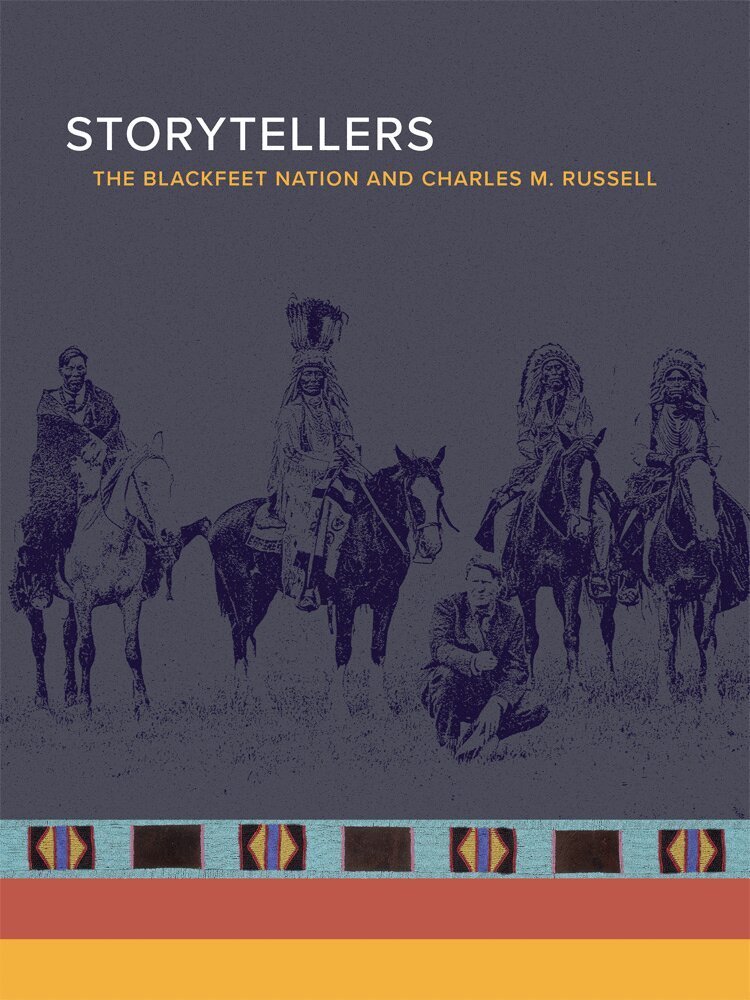
Storytellers: The Blackfeet Nation and Charles M. Russell honors the reciprocity between Russell and the Indigenous people on whose land he lived and worked. For the sake of focus and clarity, it celebrates Niitsitapi (Blackfoot Confederacy), and specifically Amskaapii Pikanii (Blackfeet Nation), art and culture. By presenting Niitsitapi objects from the Denver Art Museum's collection alongside Russell's paintings and sculptures, it offers new insight into this largely unexamined intercultural exchange. This project seeks to answer the questions: What can we learn about Russell's life and work when we broaden our lens and redirect our focus to include Indigenous perspectives? And, how is our understanding of the art, history, and cultures of the Northern Great Plains and Rocky Mountain region enhanced when we follow Russell's example of being curious about other cultures and making space for conversation and storytelling?
This is the first known exhibition that gives Indigenous art and culture equal prominence alongside Russell's paintings and sculptures. As such, it is one step toward a broader assessment and intentional indigenization of Russell scholarship. An introductory essay explores the historical context of the period of relevance—the 1880s through the 1920s—and considers two ways we might create a more expansive dialogue around Russell's life and work: first, by shifting attention to the Indigenous people and artworks that influenced him and, second, by broadening our frame of geographical and cultural references.
Emily C. Burns moves deeper into a consideration of how Amskaapii Pikanii art, people, and culture profoundly influenced Russell's practice and artistic vision. Through an analysis that shifts our perspective toward Indigenous epistemologies, Burns demonstrates the ongoing agency of Niitsitapi arts and people both outside of and within Russell's artworks.
Amskaapii Pikanii artist Ni-tah-mah-kwi-i's reminiscences present insights into the challenging early Reservation Era. While Ni-tah-mah-kwi-i (also known as Lone Wolf) and Russell had much in common—they knew each other, spent time working the range, and competed in the same fine art market— Ni-tah-mah-kwi-i's story reveals aspects of Indigenous life that rarely show up in Russell's art.
Finally, content contributed by Amskaapii Pikanii advisors, in addition to content from sources available in the bibliography, accompanies illustrations of works in the exhibition.
116 kr
Kommande
This guide offers readers an overview of the permanent collection of modern and contemporary art by Indigenous artists from Latin America in the collection of the Denver Art Museum, which totals nearly three hundred objects. The works include painting, sculpture, installation, works on paper, textiles, photography, and video, and the artists hail from more than twenty diverse communities from Mexico in the north to Chile and Argentina in the south, with significant representation from those centered in Brazil.
Through two essays and object entries, I Follow Rivers explores the profound resilience and evolving cultural landscapes of Indigenous peoples and artists throughout Latin America. The featured artists navigate history, land, community, and change, each charting their own course through the cultures they carry and innovate. Spanning the early twentieth century to the present, including newly commissioned works, the complex and layered practices and imagery resist fixed categories. While these artists navigate a world shaped by colonialism, they forge new paths for themselves and their communities and affirm that Indigenous knowledge and creativity are not static. These communities are vital, transformative, and always in motion.
This guide accompanies the largest exhibition in the United States to ever feature modern and contemporary Latin American artists who are Indigenous. The presentation includes such internationally established artists as Claudia Alarcn, Denilson Baniwa, Edgar Calel, Seba Calfuqueo, Martn Chambi, Rosa Elena Curruchich, Venuca Evann, Claudia Martinez Garay, Sheroanawe Hakihiiwe, Julia Isdrez, MAHKU (Huni Kuin Art Movement), Antnio Pichilla, Abel Rodriguez, and Kira Xonorika.
340 kr
Tillfälligt slut
123 kr
Tillfälligt slut
282 kr
Tillfälligt slut
224 kr
Tillfälligt slut
412 kr
Tillfälligt slut
123 kr
Tillfälligt slut
123 kr
Tillfälligt slut
340 kr
Tillfälligt slut
880 kr
Tillfälligt slut
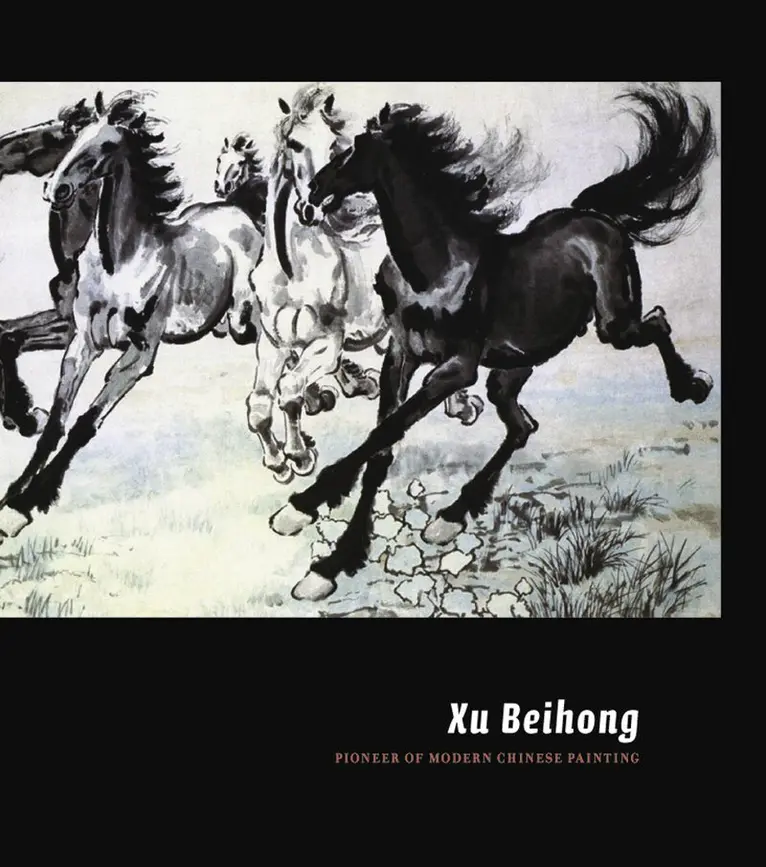
Xu Beihong: Pioneer of Modern Chinese Painting accompanies the first comprehensive exhibition of artwork by Xu Beihong hown outside Asia. It highlights a selection of 61 Chinese ink paintings, oil paintings, drawings, and pastels from the Xu Beihong Memorial Museum in Beijing.Xu Beihong (1895-1953) was among the first Chinese artists to study Western-style painting in Europe, and he is often called the "Father of Modern Chinese Painting." His images, particularly of horses, are familiar throughout China, as are his monumental history paintings Tian Heng and His Five Hundred Warriors and The Foolish Man Who Removed the Mountains. Photographs of Xu Beihong illustrate his life as an artist, educator, and family man.
340 kr
Tillfälligt slut
354 kr
Tillfälligt slut