
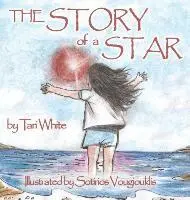
Del 1 - Star
Story of a Star
Inbunden, Engelska, 2015
183 kr
Skickas inom 5-8 vardagar
183 kr
Skickas inom 5-8 vardagar
216 kr
Läs direkt efter köp
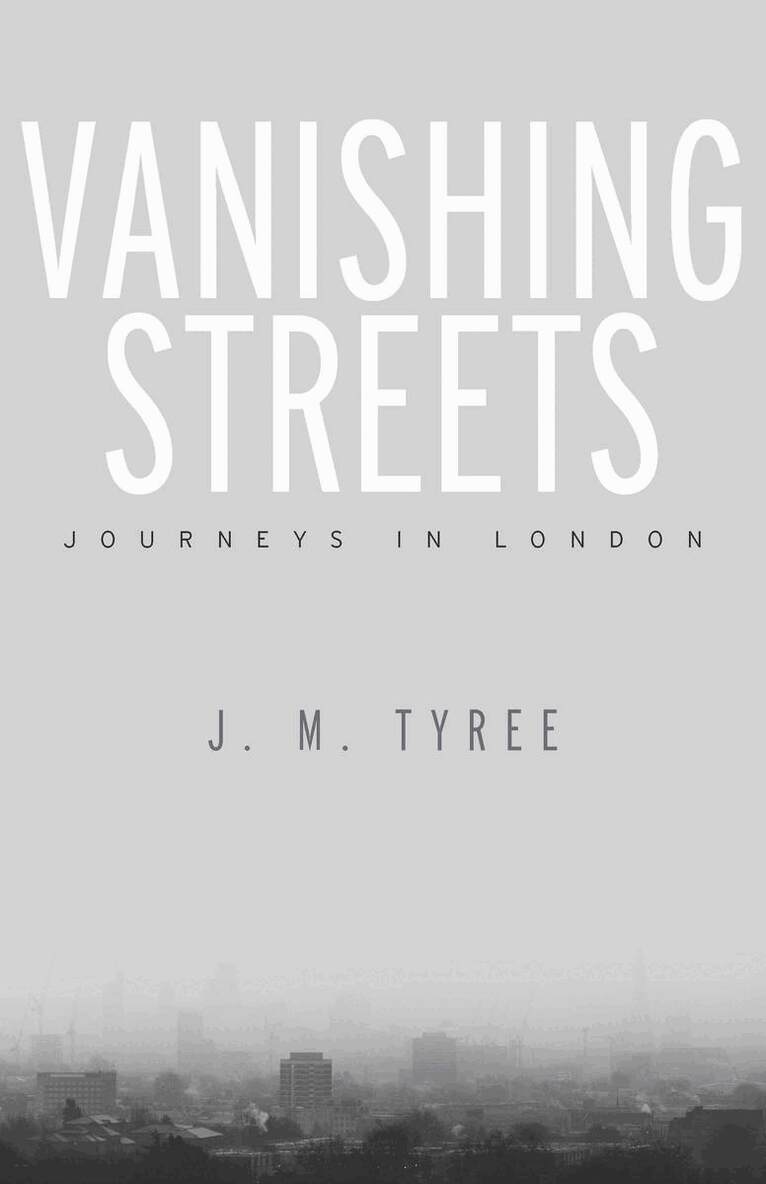
Vanishing Streets reveals an American writer''s twenty-year love affair with London. Beguiling and idiosyncratic, obsessive and wry, it offers an illustrated travelogue of the peripheries, retracing some of London''s most curious locations. As J. M. Tyree wanders deliriously in "the world''s most visited city," he rediscovers and reinvents places that have changed drastically since he was a student at Cambridge in the 1990s. Tyree stumbles into the ghosts of Alfred Hitchcock, Graham Greene, and the pioneers of the British Free Cinema Movement. He offers a new way of seeing familiar landmarks through the lens of film history, and reveals strange nooks and tiny oddities in out-of-the-way places, from a lost film by John Ford supposedly shot in Wapping to the beehives hidden in Tower Hamlets Cemetery, an area haunted by a translation error in W. G. Sebald''s Austerlitz.
This book blends deeply personal writing with a foreigner''s observations on a world capital experiencing an unsettling moment of transition. Vanishing Streets builds into an astonishing and innovative multi-layered project combining autobiography, movie madness, and postcard-like annotations on the magical properties of a great city. Tyree argues passionately for London as a cinematic dream city of perpetual fascinations and eccentricities, bridging the past and the present as well as the real and the imaginary.
276 kr
Läs direkt efter köp
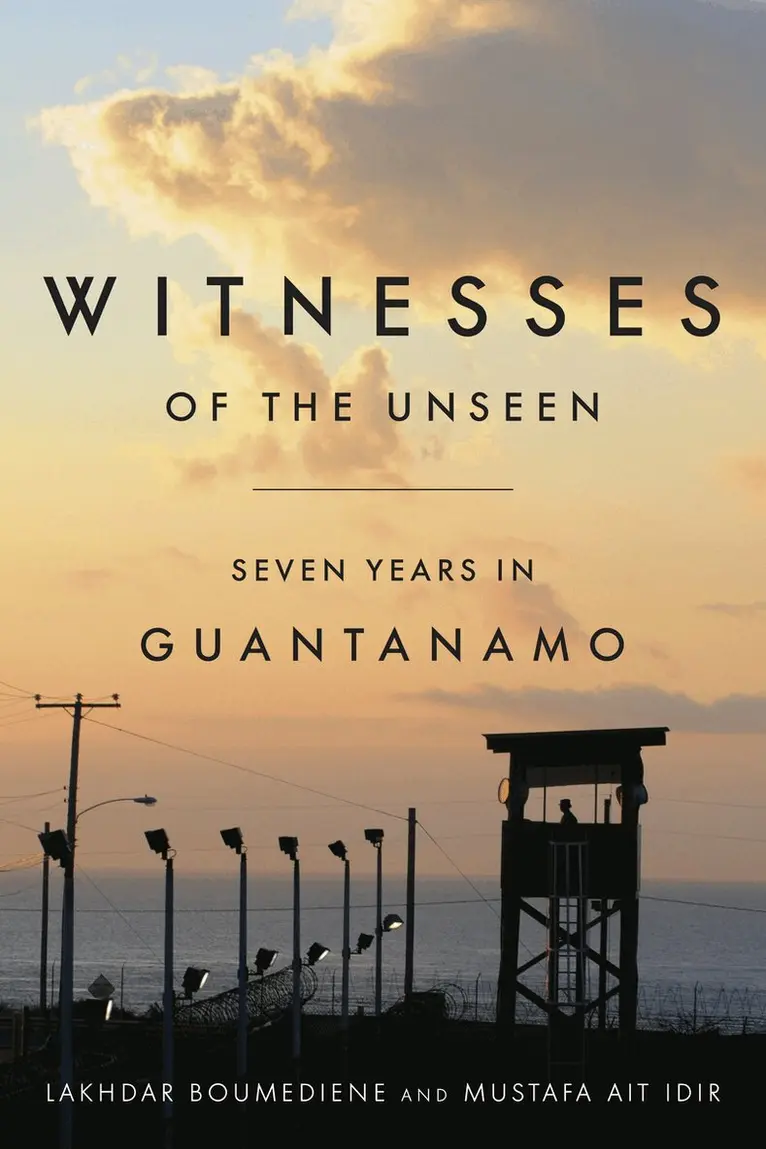
This searing memoir shares the trauma and triumphs of Lakhdar Boumediene and Mustafa Ait Idir''s time inside America''s most notorious prison.
Lakhdar and Mustafa were living quiet, peaceful lives in Bosnia when, in October 2001, they were arrested and accused of participating in a terrorist plot. After a three-month investigation uncovered no evidence, all charges were dropped and Bosnian courts ordered their freedom. However, under intense U.S. pressure, Bosnian officials turned them over to American soldiers. They were flown blindfolded and shackled to Guantanamo Bay, Cuba, where they were held in outdoor cages for weeks as the now-infamous military prison was built around them.
Guantanamo became their home for the next seven years. They endured torture and harassment and force-feedings and beatings, all the while not knowing if they would ever see their families again. They had no opportunity to argue their innocence until 2008, when the Supreme Court issued a landmark ruling in their case, Boumediene v. Bush, confirming Guantanamo detainees'' constitutional right to challenge their detention in federal court. Weeks later, the George W. Bush–appointed federal judge who heard their case, stunned by the absence of evidence against them, ordered their release. Now living in Europe and rebuilding their lives, Lakhdar and Mustafa are finally free to share a story that every American ought to know.
Learn more at witnessesbook.com or donate to a crowdsourced restitution fund at GoFundMe.com/witnesses.
246 kr
Läs direkt efter köp
243 kr
Läs direkt efter köp
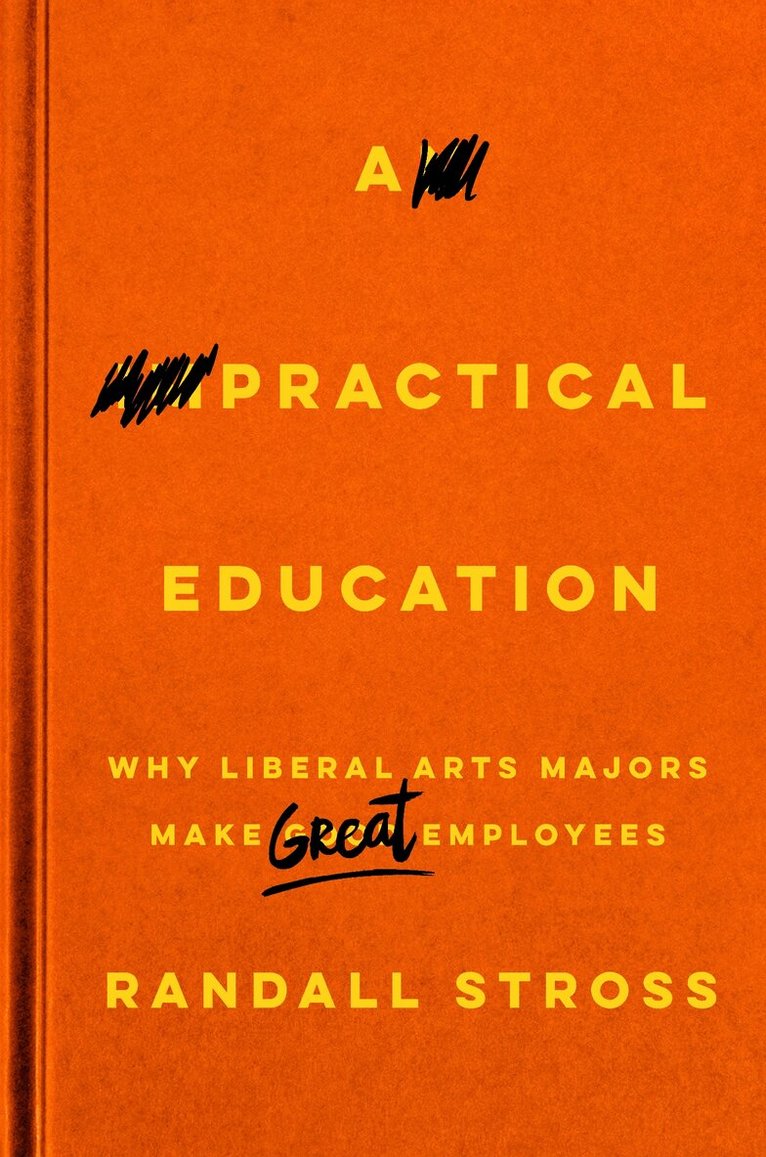
The liberal arts major is often lampooned: lacking in "skills," unqualified for a professional career, underemployed. But studying for the joy of learning turns out to be surprisingly practical. Unlike career-focused education, liberal education prepares graduates for anything and everything—and nervous "fuzzy major" students, their even more nervous parents, college career center professionals, and prospective employers would do well to embrace liberal arts majors. Just look to Silicon Valley, of all places, to see that liberal arts majors can succeed not in spite of, but because of, their education.
A Practical Education investigates the real-world experiences of graduates with humanities majors, the majors that would seem the least employable in Silicon Valley''s engineering-centric workplaces. Drawing on the experiences of Stanford University graduates and using the students'' own accounts of their education, job searches, and first work experiences, Randall Stross provides heartening demonstrations of how multi-capable liberal arts graduates are. When given a first opportunity, these majors thrive in work roles that no one would have predicted.
Stross also weaves the students'' stories with the history of Stanford, the rise of professional schools, the longstanding contention between engineering and the liberal arts, the birth of occupational testing, and the popularity of computer science education to trace the evolution in thinking about how to prepare students for professional futures. His unique blend of present and past produces a provocative exploration of how best to utilize the undergraduate years.
At a time when institutions of higher learning are increasingly called on to justify the tangible merits of the liberal arts, A Practical Education reminds readers that the most useful training for an unknowable future is the universal, time-tested preparation of a liberal education.
302 kr
Läs direkt efter köp
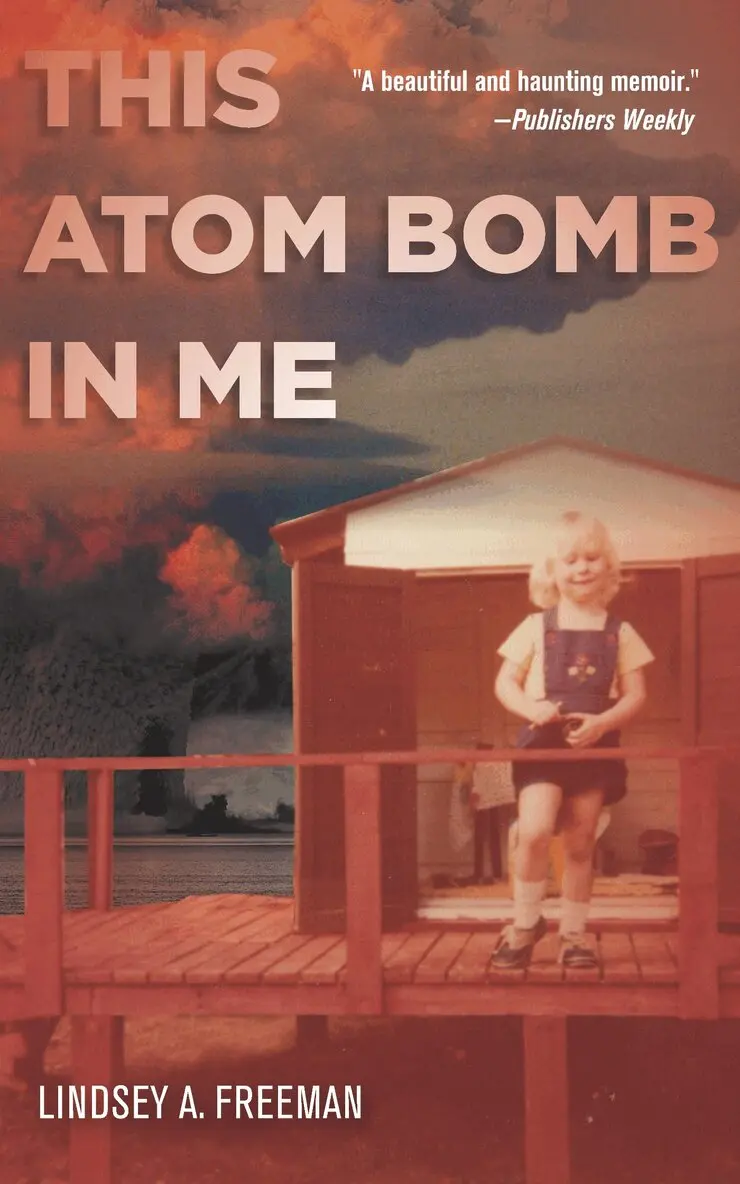
This Atom Bomb in Me traces what it felt like to grow up suffused with American nuclear culture in and around the atomic city of Oak Ridge, Tennessee. As a secret city during the Manhattan Project, Oak Ridge enriched the uranium that powered Little Boy, the bomb that destroyed Hiroshima. The city was a major nuclear production site throughout the Cold War, adding something to each and every bomb in the United States arsenal. Even today, Oak Ridge contains the world''s largest supply of fissionable uranium.
The granddaughter of an atomic courier, Lindsey A. Freeman turns a critical yet nostalgic eye to the place where her family was sent as part of a covert government plan. Theirs was a city devoted to nuclear science within a larger America obsessed with its nuclear prowess. Through memories, mysterious photographs, and uncanny childhood toys, she shows how Reagan-era politics and nuclear culture irradiated the late twentieth century. Alternately tender and alarming, her book takes a Geiger counter to recent history, reading the half-life of the atomic past as it resonates in our tense nuclear present.
224 kr
Läs direkt efter köp
423 kr
Läs direkt efter köp
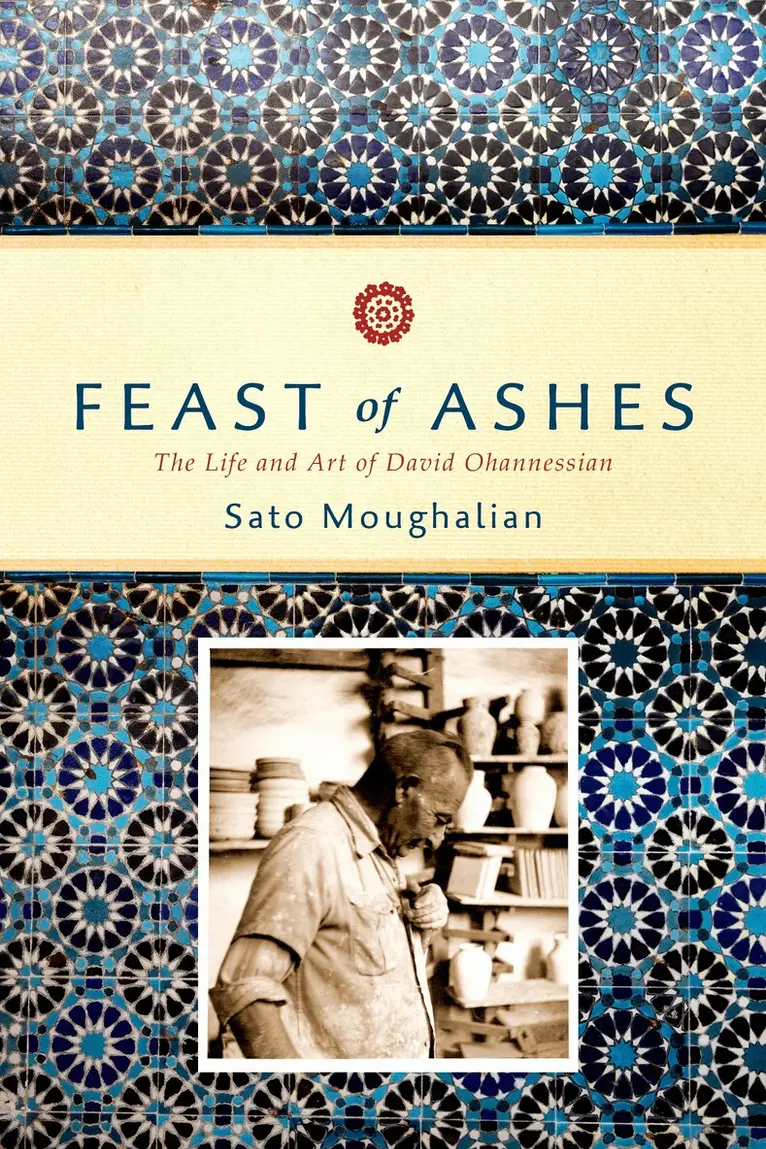
The compelling life story of Armenian ceramicist David Ohannessian, whose work changed the face of Jerusalem—and a granddaughter''s search for his legacy.
Along the cobbled streets and golden walls of Jerusalem, brilliantly glazed tiles catch the light and beckon the eye. These colorful wares—known as Armenian ceramics—are iconic features of the Holy City. Silently, these works of ceramic art—art that also graces homes and museums around the world—represent a riveting story of resilience and survival: In the final years of the Ottoman Empire, as hundreds of thousands of Armenians were forcibly marched to their deaths, one man carried the secrets of this age-old art with him into exile toward the Syrian desert.
Feast of Ashes tells the story of David Ohannessian, the renowned ceramicist who in 1919 founded the art of Armenian pottery in Jerusalem, where his work and that of his followers is now celebrated as a local treasure. Ohannessian''s life encompassed some of the most tumultuous upheavals of the modern Middle East. Born in an isolated Anatolian mountain village, he witnessed the rise of violent nationalism in the waning years of the Ottoman Empire, endured arrest and deportation in the Armenian Genocide, founded a new ceramics tradition in Jerusalem under the British Mandate, and spent his final years, uprooted, in Cairo and Beirut.
Ohannessian''s life story is revealed by his granddaughter Sato Moughalian, weaving together family narratives with newly unearthed archival findings. Witnessing her personal quest for the man she never met, we come to understand a universal story of migration, survival, and hope.
297 kr
Läs direkt efter köp
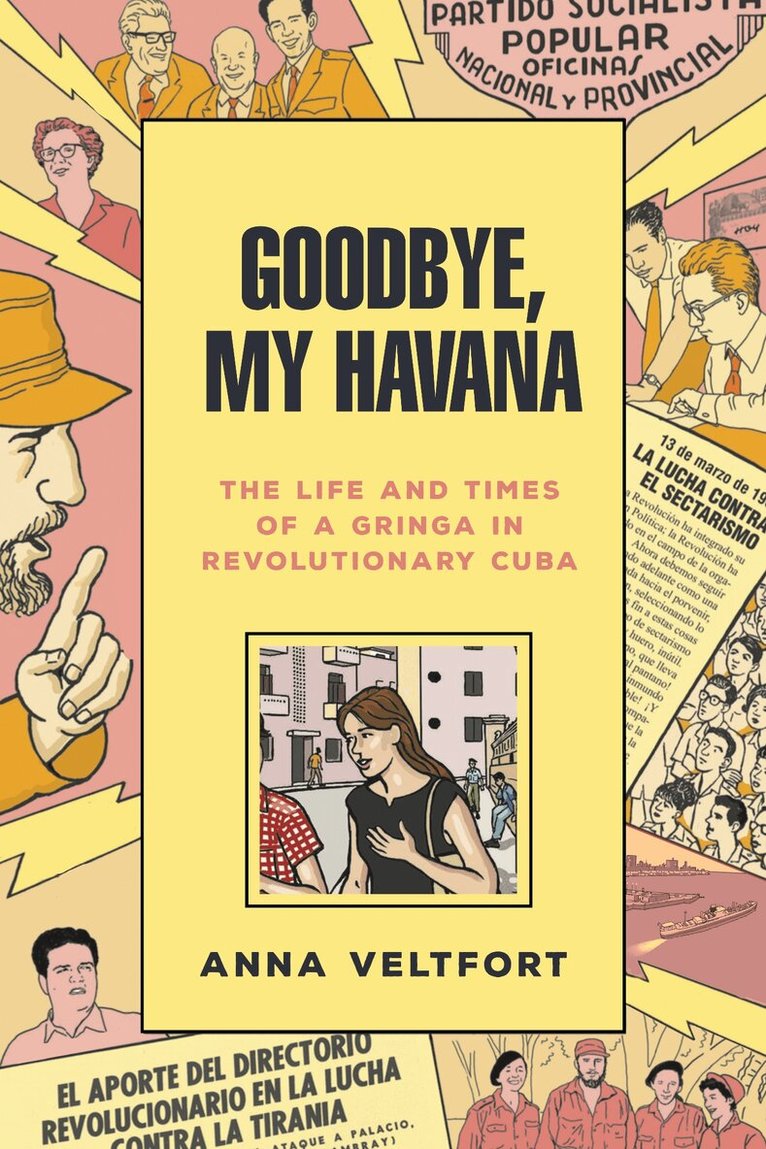
An eyewitness account of idealism, self-discovery, and loss under one of the twentieth-century''s most repressive political regimes
Set against a backdrop of world-changing events during the headiest years of the Cuban Revolution, Goodbye, My Havana follows young Connie Veltfort as her once relatively privileged life among a community of anti-imperialist expatriates turns to progressive disillusionment and heartbreak. The consolidation of Castro''s position brings violence, cruelty, and betrayal to Connie''s doorstep. And the crackdown that ultimately forces her family and others to flee for their lives includes homosexuals among its targets—Connie''s coming-of-age story is one also about the dangers of coming out. Looking back with a mixture of hardheaded clarity and tenderness at her alter ego and a forgotten era, with this gripping graphic memoir Anna Veltfort takes leave of the past even as she brings neglected moments of the Cold War into the present.
437 kr
Läs direkt efter köp
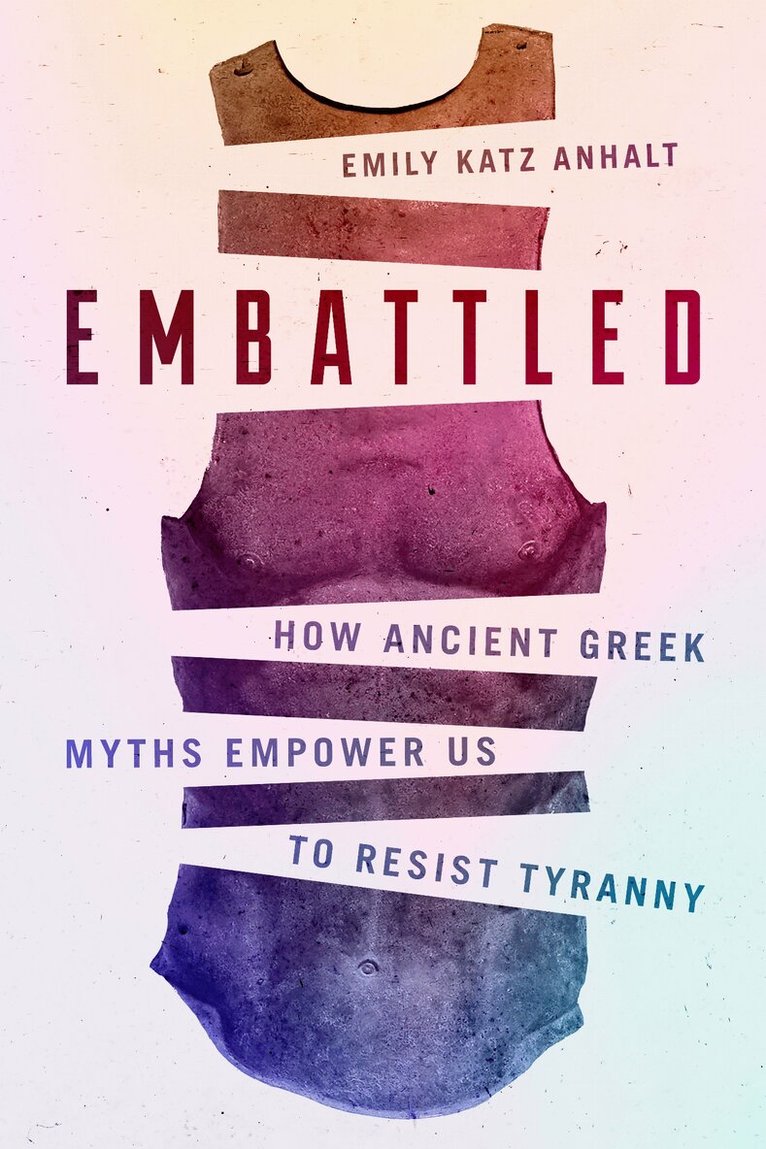
An incisive exploration of the way Greek myths empower us to defeat tyranny.
As tyrannical passions increasingly plague twenty-first-century politics, tales told in ancient Greek epics and tragedies provide a vital antidote. Democracy as a concept did not exist until the Greeks coined the term and tried the experiment, but the idea can be traced to stories that the ancient Greeks told and retold. From the eighth through the fifth centuries BCE, Homeric epics and Athenian tragedies exposed the tyrannical potential of individuals and groups large and small. These stories identified abuses of power as self-defeating. They initiated and fostered a movement away from despotism and toward broader forms of political participation.
Following her highly praised book Enraged: Why Violent Times Need Ancient Greek Myths, the classicist Emily Katz Anhalt retells tales from key ancient Greek texts and proceeds to interpret the important message they hold for us today. As she reveals, Homer''s Iliad and Odyssey, Aeschylus''s Oresteia, and Sophocles''s Antigone encourage us—as they encouraged the ancient Greeks—to take responsibility for our own choices and their consequences. These stories emphasize the responsibilities that come with power (any power, whether derived from birth, wealth, personal talents, or numerical advantage), reminding us that the powerful and the powerless alike have obligations to each other. They assist us in restraining destructive passions and balancing tribal allegiances with civic responsibilities. They empower us to resist the tyrannical impulses not only of others but also in ourselves.
In an era of political polarization, Embattled demonstrates that if we seek to eradicate tyranny in all its toxic forms, ancient Greek epics and tragedies can point the way.
354 kr
Läs direkt efter köp
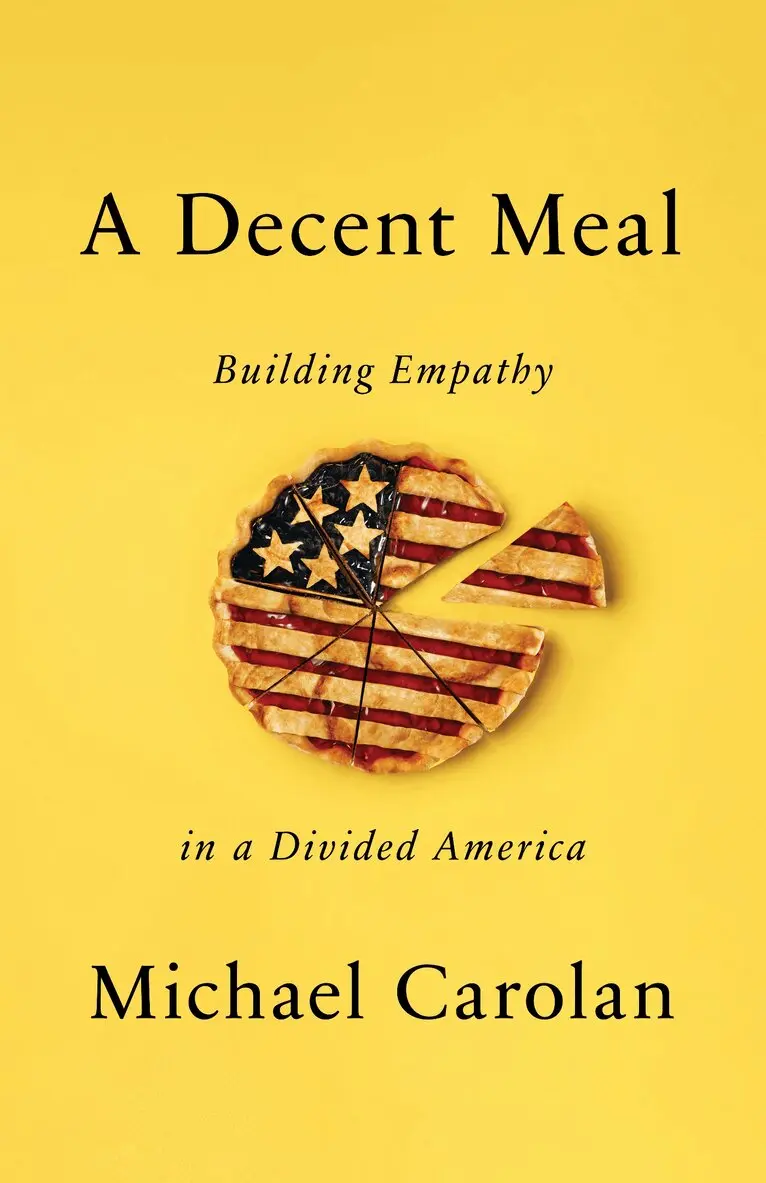
A poignant look at empathetic encounters between staunch ideological rivals, all centered around our common need for food.
While America''s new reality appears to be a deeply divided body politic, many are wondering how we can or should move forward from here. Can political or social divisiveness be healed? Is empathy among people with very little ideological common ground possible? In A Decent Meal, Michael Carolan finds answers to these fundamental questions in a series of unexpected places: around our dinner tables, along the aisles of our supermarkets, and in the fields growing our fruits and vegetables. What is more common, after all, than the simple fact that we all need to eat?
This book is the result of Carolan''s career-long efforts to create simulations in which food could be used to build empathy, among even the staunchest of rivals. Though most people assume that presenting facts will sway the way the public behaves, time and again this assumption is proven wrong as we all selectively accept the facts that support our beliefs. Drawing on the data he has collected, Carolan argues that we must, instead, find places and practices where incivility—or worse, hate—is suspended and leverage those opportunities into tools for building social cohesion.
Each chapter follows the individuals who participated in a given experiment, ranging from strawberry-picking, attempting to subsist on SNAP benefits, or attending a dinner of wild game. By engaging with participants before, during, and after, Carolan is able to document their remarkable shifts in attitude and opinion. Though this book is framed around food, it is really about the spaces opened up by our need for food, in our communities, in our homes, and, ultimately, in our minds.
379 kr
Läs direkt efter köp
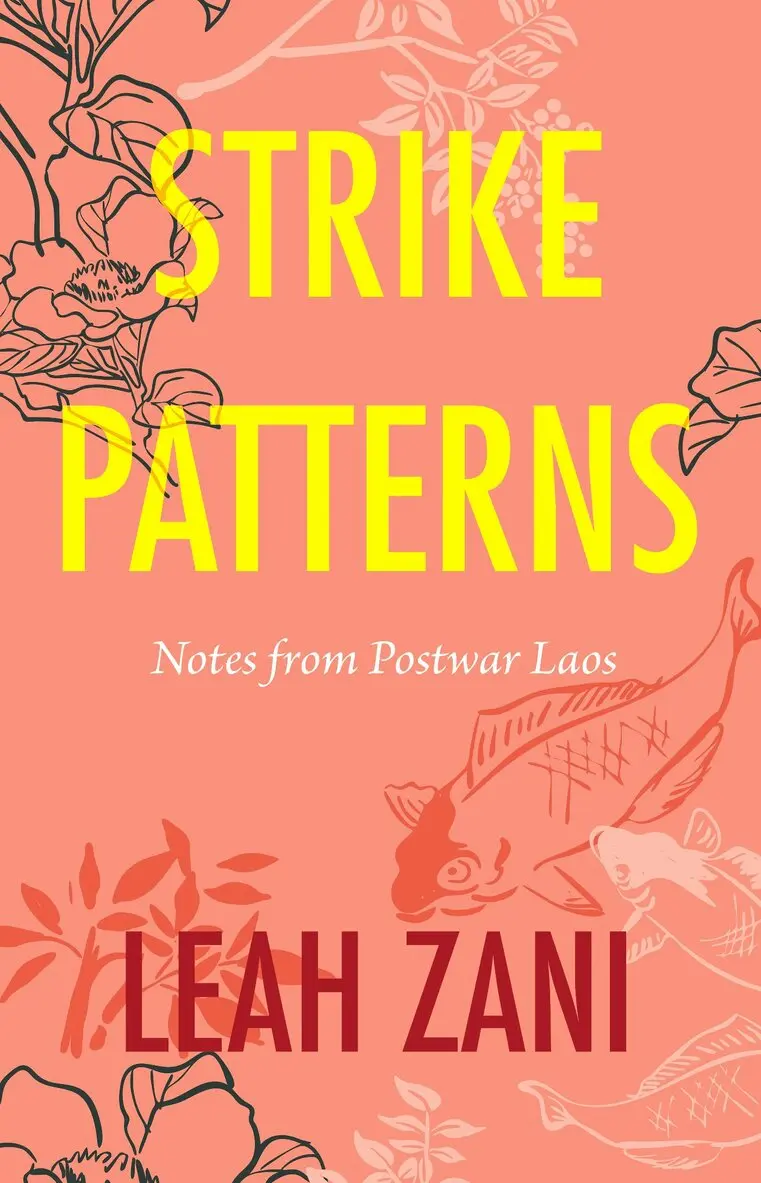
A strike pattern is a signature of violence carved into the land—bomb craters or fragments of explosives left behind, forgotten. In Strike Patterns, poet and anthropologist Leah Zani journeys to a Lao river community where people live alongside such relics of a secret war. With sensitive and arresting prose, Zani reveals the layered realities that settle atop one another in Laos—from its French colonial history to today''s authoritarian state—all blown open by the war. This excavation of postwar life''s balance between the mundane, the terrifying, and the extraordinary propels Zani to confront her own explosive past.
From 1964 to 1973, the United States carried out a covert air war against Laos. Frequently overshadowed by the war with Vietnam, the Secret War was the longest and most intense air war in history. As Zani uncovers this hidden legacy, she finds herself immersed in the lives of her hosts: Chantha, a daughter of war refugees who grapples with her place in a future Laos of imagined prosperity; Channarong, a bomb technician whose Thai origins allow him to stand apart from the battlefields he clears; and Bounmi, a young man who has inherited his bomb expertise from his father but now struggles to imagine a similar future for his unborn son. Wandering through their lives are the restless ghosts of kin and strangers.
Today, much of Laos remains contaminated with dangerous leftover explosives. Despite its obscurity, the Secret War has become a shadow model for modern counterinsurgency. Investigating these shadows of war, Zani spends time with silk weavers and rice farmers, bomb clearance crews and black market war scrap traders, ritual healers and survivors of explosions. Combining her fieldnotes with poetry, fiction, and memoir she reflects on the power of building new lives in the ruins.
358 kr
Skickas inom 3-6 vardagar
347 kr
Läs direkt efter köp
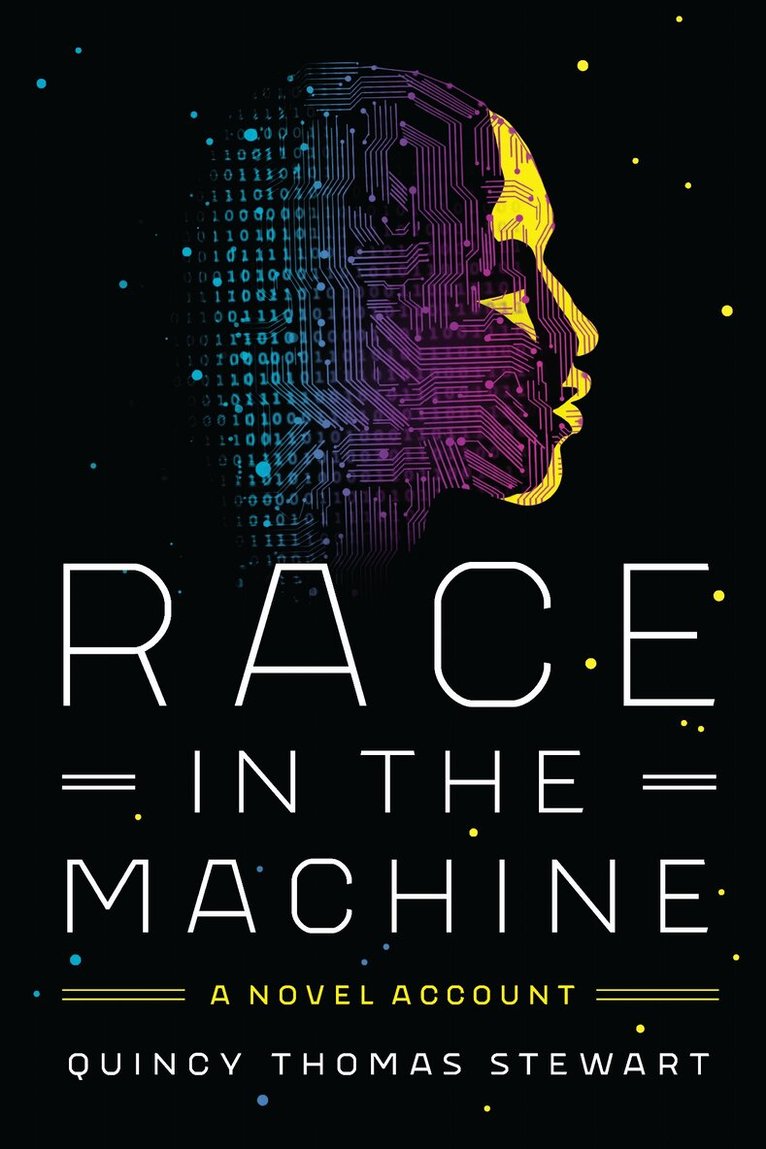
An intelligent machine built to study methods of social warfare struggles to understand and communicate the lived experience of race
In a narrative full of social significance and poetically decorated with monks, vampires, and mythical statistics, Race in the Machine presents a world where the stories we use to explain race all simultaneously exist, within and around us, dictating our interactions and innermost beliefs.
The nameless protagonist, an enigmatic social mechanic at Nearbay Institute, living in a population of socially connected intelligent machines, encounters a simple query in the context of an introductory lecture: "What exactly is race? And what is it in the context of the social machine?" This prompt guides the protagonist along a twisting intellectual tale surrounding a series of experiments which explore: How many racists does it take to create systems of inequality? What role do non-racists actors play in upholding them? How is bias learned? How does it spread?
The narrator develops a distinct understanding of race through the figurative bending of time, dreams of a "race code" and by confronting a series of mysterious communications that remain just outside comprehension. Over the course of this journey, the answers to important questions about racial inequality quietly emerge for the protagonist. Scholarly encounters with both antagonistic colleagues and unexpected allies, culminate when the hero is forced to reach a devastating conclusion about themself and the world.
Stirring and luminous, Race in the Machine deftly oscillates between the allegorically simplified and the impossibly complex to weave an utterly unique and nuanced portrait of race in the modern world.
245 kr
Läs direkt efter köp
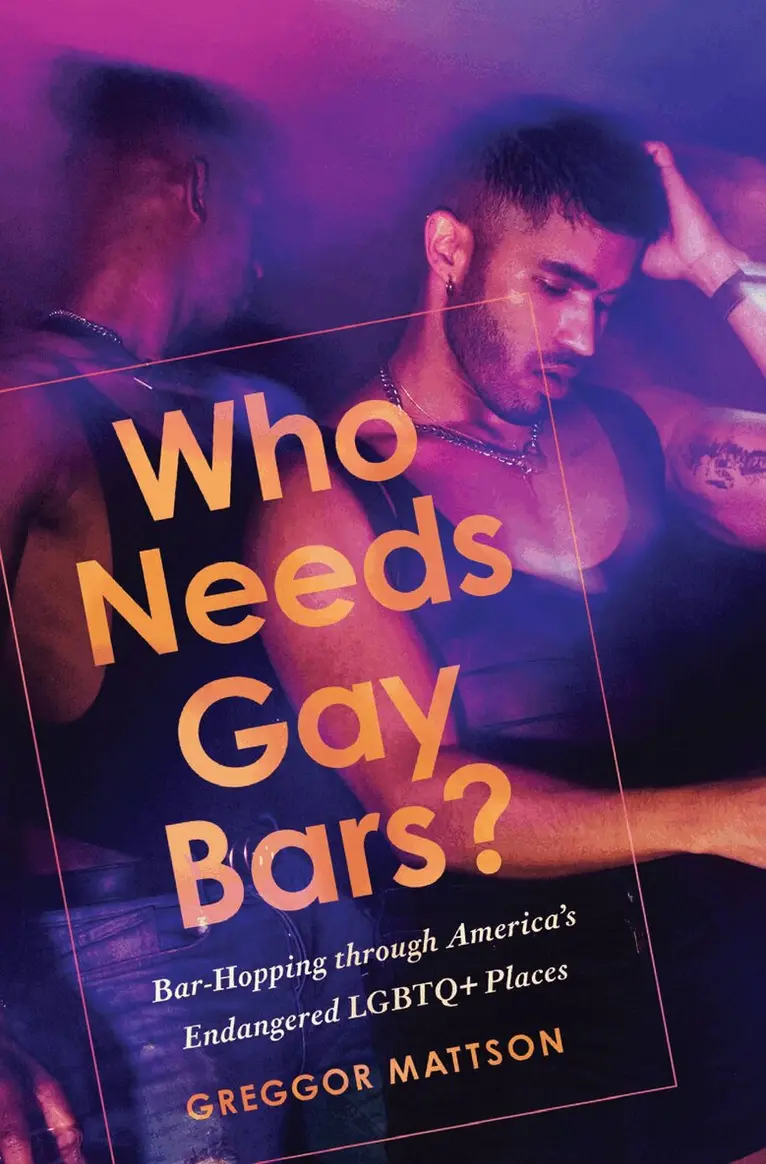
Gay bars have been closing by the hundreds. The story goes that increasing mainstream acceptance of LGBTQ+ people, plus dating apps like Grindr and Tinder, have rendered these spaces obsolete. Beyond that, rampant gentrification in big cities has pushed gay bars out of the neighborhoods they helped make hip. Who Needs Gay Bars? considers these narratives, accepting that the answer for some might be: maybe nobody. And yet...
Jarred by the closing of his favorite local watering hole in Cleveland, Ohio, Greggor Mattson embarks on a journey across the country to paint a much more complex picture of the cultural significance of these spaces, inside "big four" gay cities, but also beyond them. No longer the only places for their patrons to socialize openly, Mattson finds in them instead a continuously evolving symbol; a physical place for feeling and challenging the beating pulse of sexual progress.
From the historical archives of Seattle''s Garden of Allah, to the outpost bars in Texas, Missouri or Florida that serve as community hubs for queer youth—these are places of celebration, where the next drag superstar from Alaska or Oklahoma may be discovered. They are also fraught grounds for confronting the racial and gender politics within and without the LGBTQ+ community.
The question that frames this story is not asking whether these spaces are needed, but for whom, earnestly exploring the diversity of folks and purposes they serve today. Loosely informed by the Damron Guide, the so-called "Green Book" of gay travel, Mattson logged 10,000 miles on the road to all corners of the United States. His destinations are sometimes thriving, sometimes struggling, but all offering intimate views of the wide range of gay experience in America: POC, white, trans, cis; past, present, and future.
374 kr
Läs direkt efter köp
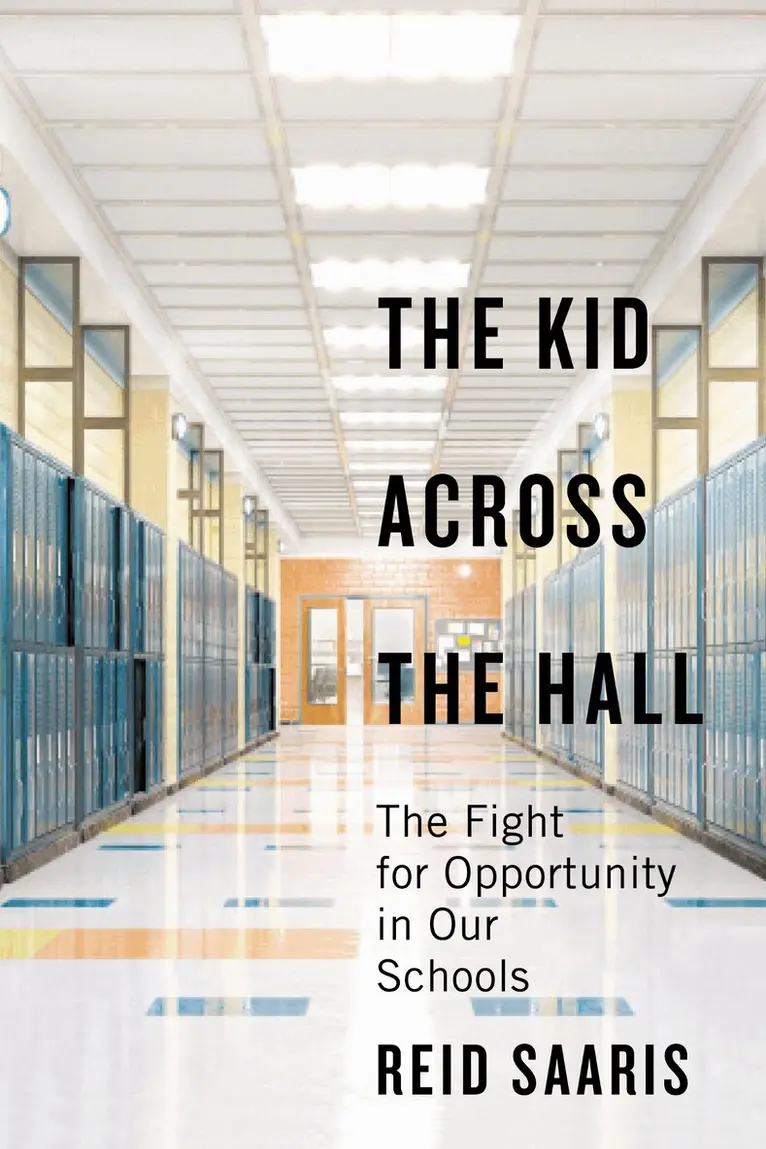
Growing up, Reid was confused and disturbed by the radically different opportunities his best friend received. After a childhood spent together, Jamie and Reid found themselves on opposite sides of a high school hallway that separated kids based on a misunderstanding of their supposed "potential." The gap between the two friends widened as Reid''s classes enabled him to pursue an elite college degree across the country studying educational opportunity and teaching.
Then, Reid became a teacher at an under-resourced South Carolina high school where efforts to serve the incredible students were stymied by internal segregation and administrative ambivalence. He was disabused of the Hollywood myth that a good teacher could simply save the day, when each false start with his students forced him to reckon with how much he didn''t know. After Reid assigned students a project to create a positive change, they pushed him to figure out how he, too, could make a bigger difference.
While an individual''s efforts are no match against entrenched systems, Reid learned firsthand that a community of people powered by data can effect change. This lesson motivated him to found Equal Opportunity Schools (EOS), a nationwide nonprofit dedicated to finding the students who were overlooked, discouraged, or otherwise missing from higher-level classes.
As EOS became more successful, partnering with major philanthropies, universities, and even the White House, Reid grappled with his role as a leader. Only through the efforts of, first, his students in South Carolina, and later his team at EOS, would he come to understand, and begin to overcome, the limitations of his vision. Informed by extensive new data on educational opportunity in America, The Kid Across the Hall is a powerful story of learning and unlearning; of leading and learning to follow.
239 kr
Läs direkt efter köp
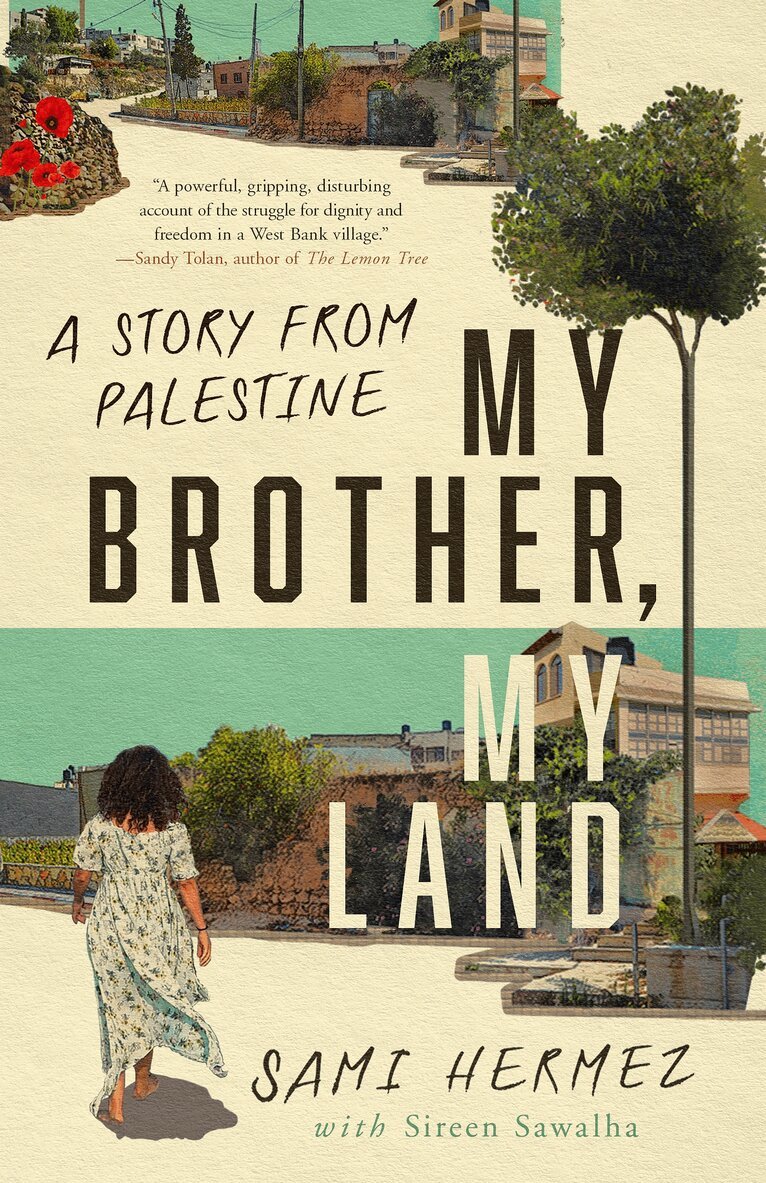
A riveting and unapologetic account of Palestinian resistance, the story of one family''s care for their land, and a reflection on love and heartache while living under military occupation.
In 1967, Sireen Sawalha''s mother, with her young children, walked back to Palestine against the traffic of exile. My Brother, My Land is the story of Sireen''s family in the decades that followed and their lives in the Palestinian village of Kufr Ra''i. From Sireen''s early life growing up in the shadow of the ''67 War and her family''s work as farmers caring for their land, to the involvement of her brother Iyad in armed resistance in the First and Second Intifada, Sami Hermez, with Sireen Sawalha, crafts a rich story of intertwining voices, mixing genres of oral history, memoir, and creative nonfiction.
Through the lives of the Sawalha family, and the story of Iyad''s involvement with the Palestinian Islamic Jihad, Hermez confronts readers with the politics and complexities of armed resistance and the ethical tensions and contradictions that arise, as well as with the dispossession and suffocation of people living under occupation and their ordinary lives in such times. Whether this story leaves readers discomforted, angry, or empowered, they will certainly emerge with a deeper understanding of the Palestinian predicament.
381 kr
Läs direkt efter köp
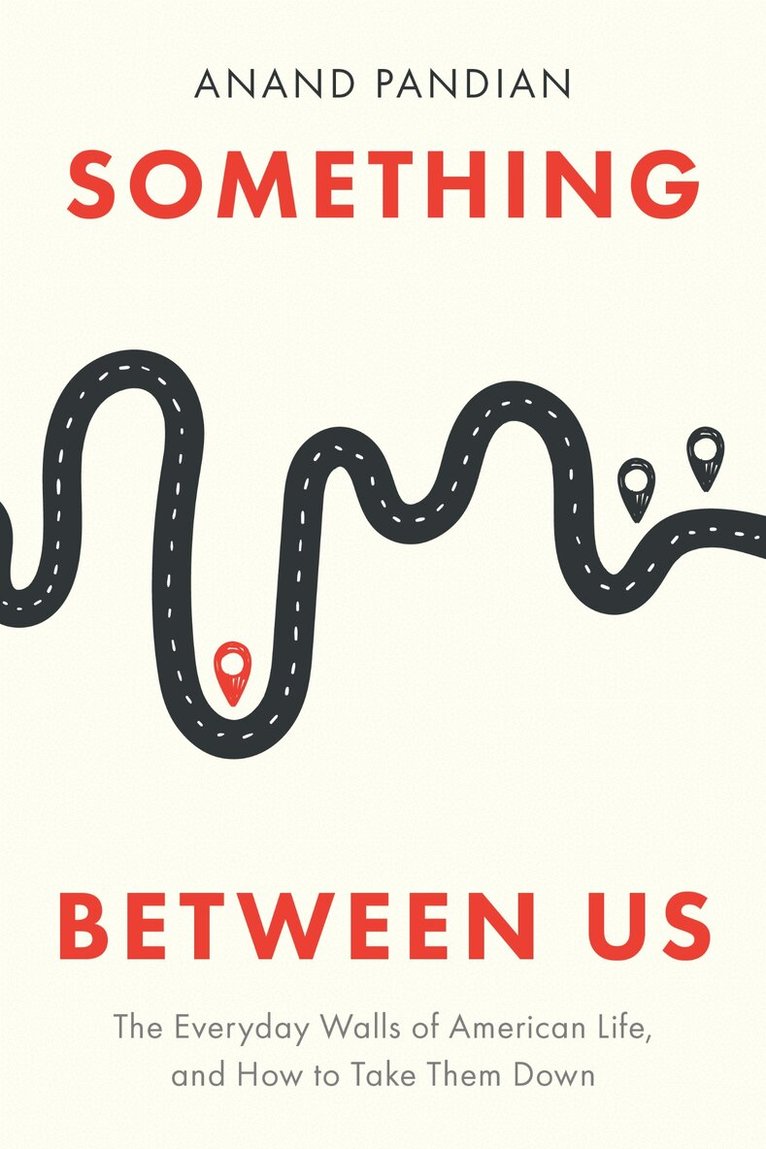
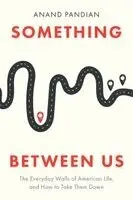
An anthropologist''s quest to understand the deep social and political divides in American society, and the everyday strategies that can overcome them.
In 2016, Anand Pandian was alarmed by Donald Trump''s harsh attacks on immigrants to the United States, the appeal of that politics of anger and fear. In the years that followed, he crisscrossed the country—from Fargo, North Dakota to Denton, Texas, from southern California to upstate New York—seeking out fellow Americans with markedly different social and political commitments, trying to understand the forces that have hardened our suspicions of others. The result is Something Between Us: The Everyday Walls of American Life, and How to Take Them Down, a groundbreaking and ultimately hopeful exploration of the ruptures in our social fabric, and courageous efforts to rebuild a collective life beyond them.
The stakes of disconnection have never been higher. From the plight of migrants and refugees to the climate crisis and the recent pandemic, so much turns on the care and concern we can muster for lives and circumstances beyond our own. But as Pandian discovers, such empathy is often thwarted by the infrastructure of everyday American life: fortified homes and neighborhoods, bulked-up cars and trucks, visions of the body as an armored fortress, and media that shut out contrary views. Home and road, body and mind: these interlocking walls sharpen the divide between insiders and outsiders, making it difficult to take unfamiliar people and perspectives seriously, to acknowledge the needs of others and relate to their struggles.
Through vivid encounters with Americans of many kinds—including salesmen, truck drivers, police officers, urban planners, and activists for women''s rights and environmental justice—Pandian shares tools to think beyond the twists and turns of our bracing present. While our impasses draw from deep American histories of isolation and segregation, he reveals how strategies of mutual aid and communal caretaking can help to surface more radical visions for a life in common with others, ways of meeting strangers in this land as potential kin.
261 kr
Skickas inom 5-8 vardagar
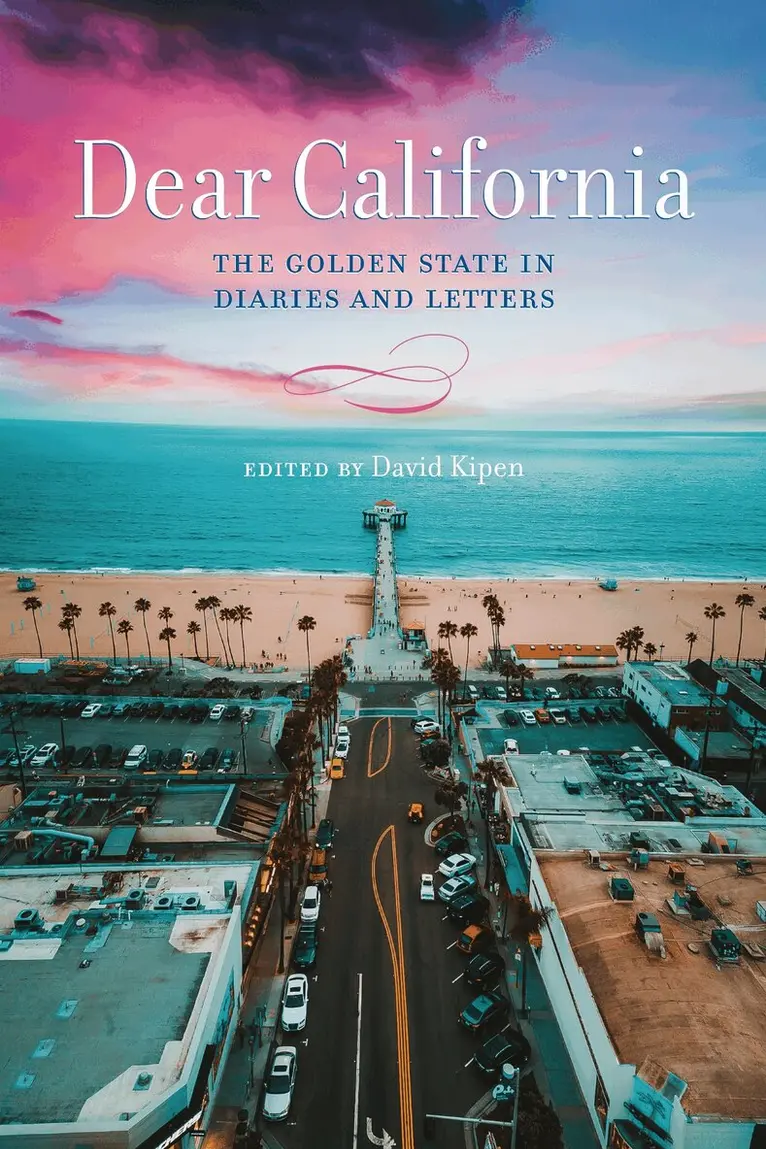
Dispatches from a land of extremes, by writers and movie stars, natives and visitors, activists and pioneers, and more.
California has always been, literally, a place to write home about. Renowned figures and iconoclasts; politicians, actors, and artists; the world-famous and the not-so-much—all have contributed their voices to the patchwork of the state. With this book, cultural historian and California scholar David Kipen reveals this long-storied place through its diaries and letters, and gives readers a highly anticipated follow up to his book Dear Los Angeles.
Running from January 1 through December 31, leaping across decades and centuries, Dear California reflects on the state's shifting landscapes and the notion of place. Entries talk across the centuries, from indigenous stories told before the Spanish arrived on the Pacific coast through to present-day tweets, blogs, and other ephemera. The collected voices show how far we've wandered—and how far we still have to go in chasing the elusive California dream.
This is a book for readers who love California—and for anyone who simply treasures flavorful writing. Weaving together the personal, the insightful, the impressionistic, the lewd, and the hysterically funny, Dear California presents collected writings essential to understanding the diversity, antagonisms, and abiding promise of the Golden State.
Writings from Edward Abbey, Louis Armstrong, Ambrose Bierce, Octavia Butler, John Cage, Willa Cather, Cesar Chavez, Julia Child, Winston Churchill, Simone de Beauvoir, Albert Einstein, F. Scott Fitzgerald, Jane Fonda, Allen Ginsberg, Dolores Huerta, Langston Hughes, Zora Neale Hurston, Steve Jobs, Billy Joel, Frida Kahlo, John F. Kennedy, Anne Lamott, John Lennon, Groucho Marx, Henri Matisse, Marshall McLuhan, Herman Melville, Charles Mingus, Marilyn Monroe, John Muir, Ronald Reagan, Sally Ride, Joan Rivers, Susan Sontag, Mark Twain, Oscar Wilde, Laura Ingalls Wilder, Mark Zuckerberg, and many others.

302 kr
Kommande
413 kr
Kommande
206 kr
Kommande
184 kr
Skickas inom 5-8 vardagar

A Forbidden Love Mafia Romance
178 kr
Skickas inom 5-8 vardagar