Chris Rose – illustratör
Upptäck titlar med illustrationer av Chris Rose.
10 produkter
10 produkter
Inbunden, Engelska, 2015
861 kr
Skickas inom 3-6 vardagar
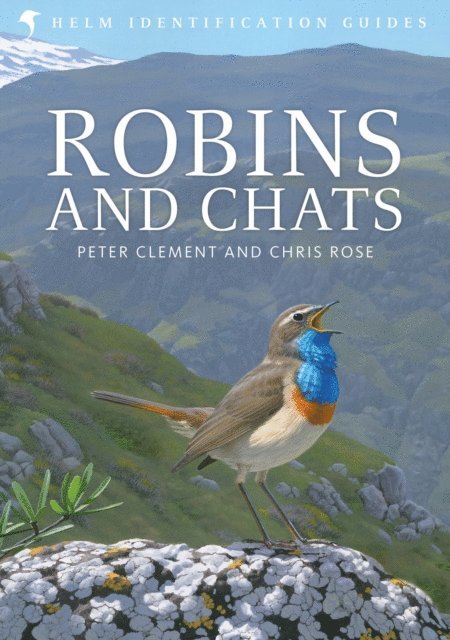
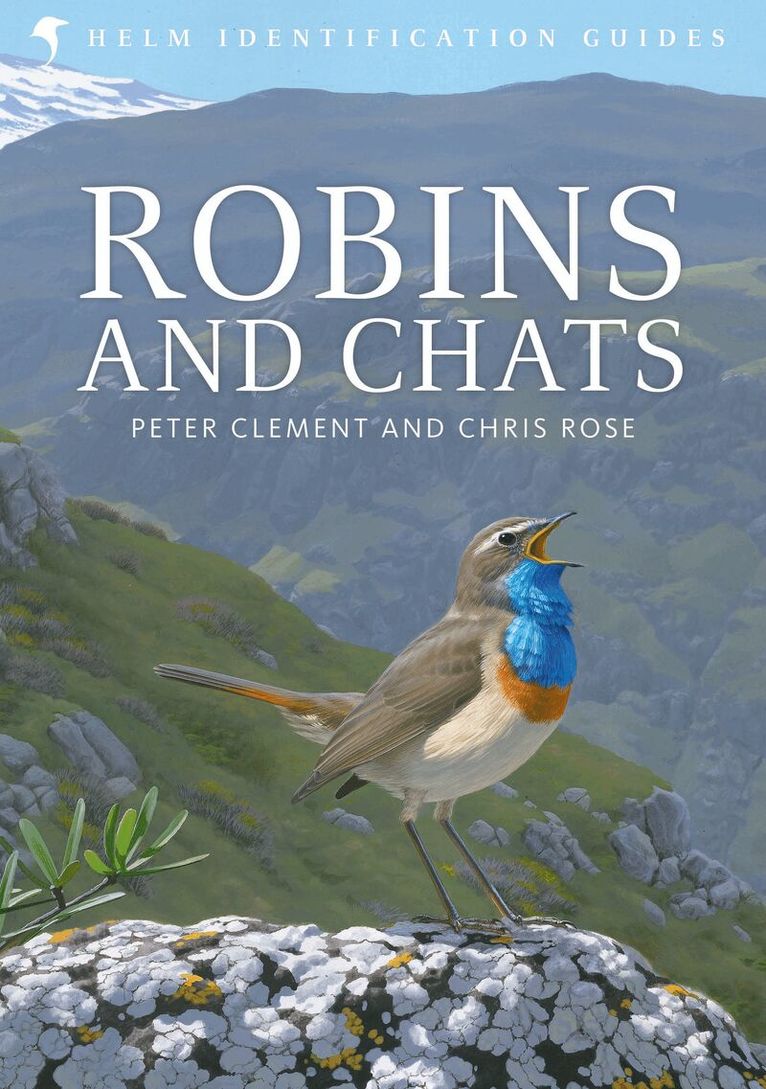
This authoritative handbook, part of the Helm Identification Guides series, looks in detail at the world's 170 species of robins and chats.This large family of small passerines was formerly considered to be part of the thrush family (Turdidae), but is now usually treated as a separate family, Muscicapidae, together with the Old World flycatchers. The vast majority of species are Eurasian or African, with only a handful of species straying into the New World or Australasia. The Australian Robins, although superficially similar, have long been regarded as a separate family.Robins and chats are a diverse family comprising both highly colourful and visible species, such as the robin-chats of Africa, as well as some of the most skulking and elusive birds, such as the shortwings of Asia. Many chats, such as the well-known Nightingale, are renowned songsters, and a good number are highly sought-after by world listers for their extreme rarity or simply because they are hard to see.This book discusses the identification and habits of these birds on a species-by-species basis, bringing together the very latest research with accurate range maps, more than 600 stunning colour photographs that illustrate age and racial plumage differences, and 64 superb colour plates by the internationally renowned artist, Chris Rose.This authoritative and sumptuous book will be an essential purchase for all chat enthusiasts, and will become the standard reference on the subject for many years to come.
Inbunden, Engelska, 2011
830 kr
Skickas inom 5-8 vardagar
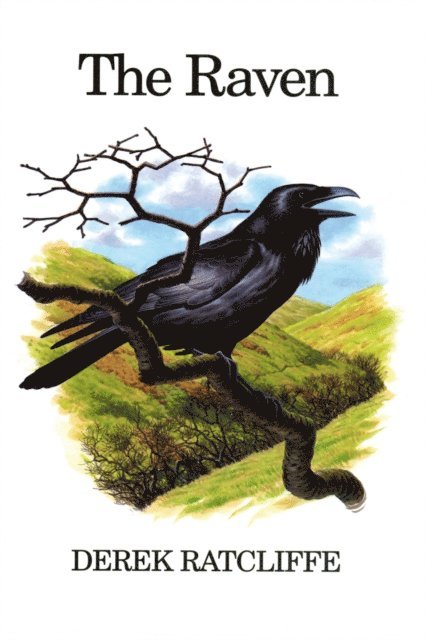
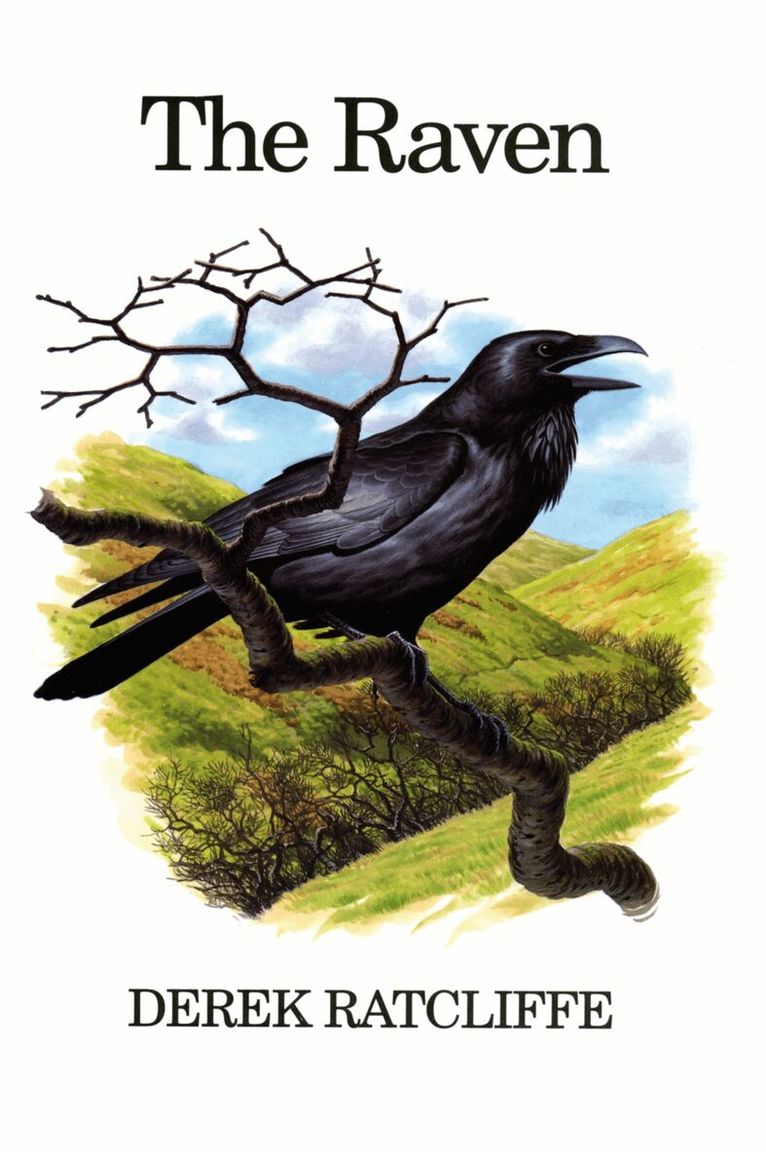
The Raven presents a summary of knowledge of its natural history, describing its distribution, feeding habits, association with other animals, and breeding.The Raven is one of the most spectacular and romantic of British birds, but relatively neglected in the modern literature of ornithology. Derek Ratcliffe here presents a thorough summary of our knowledge of its natural history, emphasizing the long association of the bird with humankind. The place of the Raven in myth, legend and history is long established, and this book describes the bird’s fall from grace as a valued scavenger in medieval cities to a persecuted outcast in the modern wilds.The previous wide occurrence of Ravens is reviewed against the relationships between their present distribution, status and habitat requirements, as both a nesting and a non-breeding resident. The dependence of Ravens on carrion (especially sheep) within an omnivorous diet is the key to the species’ ecology, and its social behaviour has evolved in close relation to this lifestyle.The flocking and communal roosting of non-breeders are major features of Raven behaviour, while their nesting habits emphasise the territorial nature of breeding birds and their adaptation to secure but harsh environments. Raven numbers vary in relation to their food supply, local populations adjusting accordingly, although the precise mechanism involved is still obscure. Ravens have a considerable capacity for recolonising old haunts when suitable conditions are restored, as well as exploiting new areas where the habitat becomes favourable, and there are local success stories to tell.Nationwide, however, the species’ position is delicately balanced and depends on both sympathetic land management practices and improving attitudes to Ravens as friends not foes. Worldwide, Ravens are one of the most successful of all bird groups, occurring over a large part of the northern hemisphere, and replaced in some southern and tropical regions by other raven species which exploit the familiar raven niche in their own environments. The discussion of the northern hemisphere species is enlivened by reference to other species where useful.Finally, the Raven’s age-old reputation for high intelligence is weighed critically against the available evidence. Today, Ravens carry a new omen in the modern world, as a barometer of goodwill to wildlife. Like those in the Tower of London, the continued existence of Ravens in our wild countryside will reveal something about both our current situation and our prospects for the future.The text is brought to life through wonderful illustrations by Chris Rose.
E-bok
Engelska, 2010908 kr
Läs direkt efter köp
The Raven presents a summary of knowledge of its natural history, describing its distribution, feeding habits, association with other animals, and breeding.The Raven is one of the most spectacular and romantic of British birds, but relatively neglected in the modern literature of ornithology. Derek Ratcliffe here presents a thorough summary of our knowledge of its natural history, emphasizing the long association of the bird with humankind. The place of the Raven in myth, legend and history is long established, and this book describes the bird''s fall from grace as a valued scavenger in medieval cities to a persecuted outcast in the modern wilds.The previous wide occurrence of Ravens is reviewed against the relationships between their present distribution, status and habitat requirements, as both a nesting and a non-breeding resident. The dependence of Ravens on carrion (especially sheep) within an omnivorous diet is the key to the species'' ecology, and its social behaviour has evolved in close relation to this lifestyle.The flocking and communal roosting of non-breeders are major features of Raven behaviour, while their nesting habits emphasise the territorial nature of breeding birds and their adaptation to secure but harsh environments. Raven numbers vary in relation to their food supply, local populations adjusting accordingly, although the precise mechanism involved is still obscure. Ravens have a considerable capacity for recolonising old haunts when suitable conditions are restored, as well as exploiting new areas where the habitat becomes favourable, and there are local success stories to tell.Nationwide, however, the species'' position is delicately balanced and depends on both sympathetic land management practices and improving attitudes to Ravens as friends not foe. Worldwide, Ravens are one of the most successful of all bird groups, occurring over a large part of the northern hemisphere, and replaced in some southern and tropical regions by other raven species which exploit the familiar raven niche in their own environments. The discussion of the northern hemisphere species is enlivened by reference to other species where useful.Finally, the Raven''s age-old reputation for high intelligence is weighed critically against the available evidence. Today, Ravens carry a new omen in the modern world, as a barometer of goodwill to wildlife. Like those in the Tower of London, the continued existence of Ravens in our wild countryside will reveal something about both our current situation and our prospects for the future.The text is brought to life through wonderful illustrations by Chris Rose.
E-bok
Engelska, 2010701 kr
Läs direkt efter köp
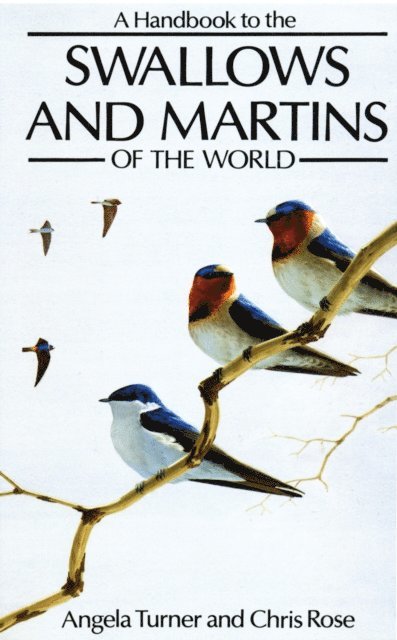
This reference guide gives general details about the swallows and martins of the world. These include appearance, the basic coloration and differences between the sexes and immatures and the function of other areas of colouring. Several species within the same geographical area are often segregated by feeding in different habitats or at different heights or by eating different size-classes of insects. The two sub-families, one being the two river martins, the other containing about 72 species mainly in the genus hirundo, are dealt with, including their distribution and migration patterns.Feeding, courtship and breeding habits are considered, together with details of nesting sites, clutch size, incubation and life-span. Finally, the population sizes of the various species are examined, noting that whilst many have expanded their range by using man-made structures, forest species probably remain small and one species, the Red Sea swallow is known from only one specimen.The book follows the same approach, style and presentation as The Herons Handbook published in 1985. It is illustrated by the winner of the prestigious British Birds Illustrator of the Year Award and the author has contributed to many scientific papers and journals including BBC''s Wildlife Magazine.
E-bok
PDF, Engelska, 2010676 kr
Läs direkt efter köp
This reference guide gives general details about the swallows and martins of the world. These include appearance, the basic coloration and differences between the sexes and immatures and the function of other areas of colouring. Several species within the same geographical area are often segregated by feeding in different habitats or at different heights or by eating different size-classes of insects. The two sub-families, one being the two river martins, the other containing about 72 species mainly in the genus hirundo, are dealt with, including their distribution and migration patterns.Feeding, courtship and breeding habits are considered, together with details of nesting sites, clutch size, incubation and life-span. Finally, the population sizes of the various species are examined, noting that whilst many have expanded their range by using man-made structures, forest species probably remain small and one species, the Red Sea swallow is known from only one specimen.The book follows the same approach, style and presentation as The Herons Handbook published in 1985. It is illustrated by the winner of the prestigious British Birds Illustrator of the Year Award and the author has contributed to many scientific papers and journals including BBC''s Wildlife Magazine.
E-bok
Engelska, 2010876 kr
Läs direkt efter köp
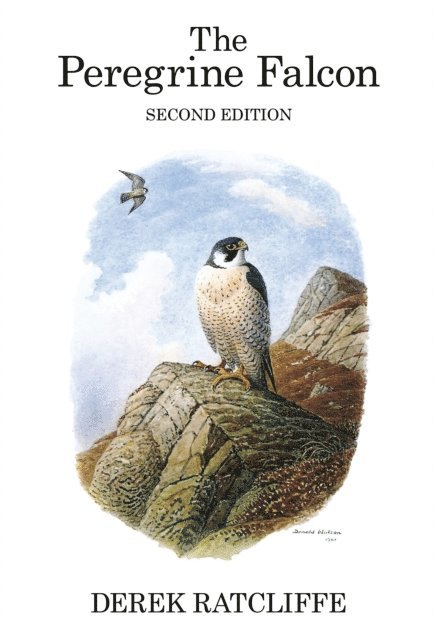
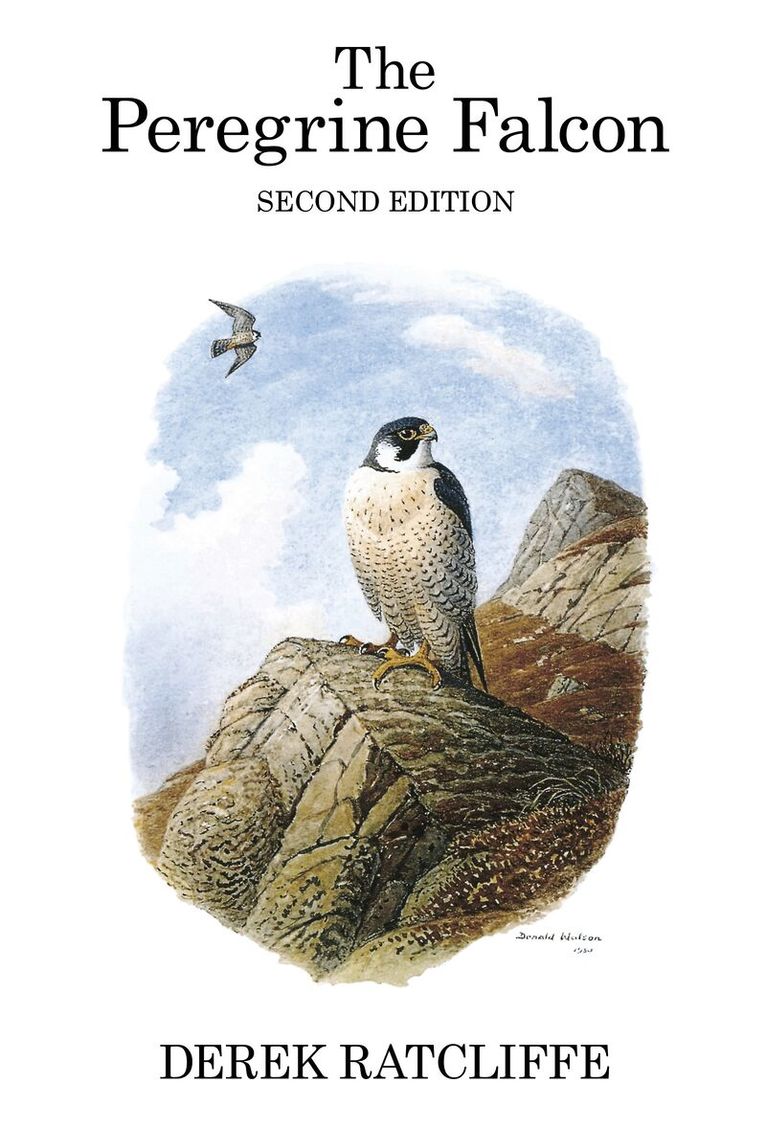
The first edition of The Peregrine Falcon was widely recognised as a classic of its kind, documenting not only the species'' biology but also the sad tale of its decline due to the impact of pesticides. This extensively revised and enlarged second edition takes full account of important new developments in the story of this bird during the intervening 12 years. It reports one of the few notable successes in wildlife conservation: the full restoration of British and Irish Peregrine populations, and their appreciable recovery in other countries where numbers had also been greatly reduced by the impact of organochlorine pesticides. The pattern of increase in Britain has been extremely varied, from districts where numbers are now far higher than at any time in recorded history, to others where the bird is now at its lowest ebb. The examination of the reasons for these differences helps us to understand the most recent developments in the Peregrine saga. Particular attention has been paid to the recent major advances in our knowledge of Peregrine biology, such as its movements, population turnover, food and nesting habits. Many of the tables and figures have been revised and brought up to date so that this volume, like its predecessor, is once again by far the most detailed and readable reference on this most evocative of birds. Donald Watson''s colour paintings, monochrome washes and line drawings, and the original photographs, illustrate the book as before. Cover illustration by Donald Watson.
E-bok
PDF, Engelska, 2010908 kr
Läs direkt efter köp
feeding habits, association with other animals, and breeding. The Raven is one of the most spectacular and romantic of British birds, but relatively neglected in the modern literature of ornithology. Derek Ratcliffe here presents a thorough summary of our knowledge of its natural history, emphasizing the long association of the bird with humankind. The place of the Raven in myth, legend and history is long established, and this book describes the bird''s fall from grace as a valued scavenger in medieval cities to a persecuted outcast in the modern wilds. The previous wide occurrence of Ravens is reviewed against the relationships between their present distribution, status and habitat requirements, as both a nesting and a non-breeding resident. The dependence of Ravens on carrion (especially sheep) within an omnivorous diet is the key to the species'' ecology, and its social behaviour has evolved in close relation to this lifestyle. The flocking and communal roosting of non-breeders are major features of Raven behaviour, while their nesting habits emphasise the territorial nature of breeding birds and their adaptation to secure but harsh environments. Raven numbers vary in relation to their food supply, local populations adjusting accordingly, although the precise mechanism involved is still obscure. Ravens have a considerable capacity for recolonising old haunts when suitable conditions are restored, as well as exploiting new areas where the habitat becomes favourable, and there are local success stories to tell. Nationwide, however, the species'' position is delicately balanced and depends on both sympathetic land management practices and improving attitudes to Ravens as friends not foe. Worldwide, Ravens are one of the most successful of all bird groups, occurring over a large part of the northern hemisphere, and replaced in some southern and tropical regions by other raven species which exploit the familiar raven niche in their own environments. The discussion of the northern hemisphere species is enlivened by reference to other species where useful. Finally, the Raven''s age-old reputation for high intelligence is weighed critically against the available evidence. Today, Ravens carry a new omen in the modern world, as a barometer of goodwill to wildlife. Like those in the Tower of London, the continued existence of Ravens in our wild countryside will reveal something about both our current situation and our prospects for the future. The text is brought to life through wonderful illustrations by Chris Rose.
E-bok
Engelska, 20161 008 kr
Läs direkt efter köp
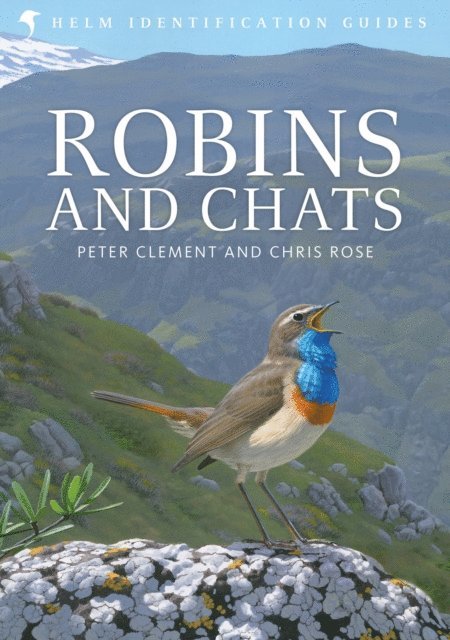
This authoritative handbook, part of the Helm Identification Guides series, looks in detail at the world''s 170 species of robins and chats. This large family of small passerines was formerly considered to be part of the thrush family (Turdidae), but is now usually treated as a separate family, Muscicapidae, together with the Old World flycatchers. The vast majority of species are Eurasian or African, with only a handful of species straying into the New World or Australasia. The Australian Robins, although superficially similar, have long been regarded as a separate family. Robins and chats are a diverse family comprising both highly colourful and visible species, such as the robin-chats of Africa, as well as some of the most skulking and elusive birds, such as the shortwings of Asia. Many chats, such as the well-known Nightingale, are renowned songsters, and a good number are highly sought-after by world listers for their extreme rarity or simply because they are hard to see. This book discusses the identification and habits of these birds on a species-by-species basis, bringing together the very latest research with accurate range maps, more than 600 stunning colour photographs that illustrate age and racial plumage differences, and 64 superb colour plates by the internationally renowned artist, Chris Rose. This authoritative and sumptuous book will be an essential purchase for all chat enthusiasts, and will become the standard reference on the subject for many years to come.
E-bok
PDF, Engelska, 20161 008 kr
Läs direkt efter köp
This authoritative handbook, part of the Helm Identification Guides series, looks in detail at the world''s 170 species of robins and chats. This large family of small passerines was formerly considered to be part of the thrush family (Turdidae), but is now usually treated as a separate family, Muscicapidae, together with the Old World flycatchers. The vast majority of species are Eurasian or African, with only a handful of species straying into the New World or Australasia. The Australian Robins, although superficially similar, have long been regarded as a separate family. Robins and chats are a diverse family comprising both highly colourful and visible species, such as the robin-chats of Africa, as well as some of the most skulking and elusive birds, such as the shortwings of Asia. Many chats, such as the well-known Nightingale, are renowned songsters, and a good number are highly sought-after by world listers for their extreme rarity or simply because they are hard to see. This book discusses the identification and habits of these birds on a species-by-species basis, bringing together the very latest research with accurate range maps, more than 600 stunning colour photographs that illustrate age and racial plumage differences, and 64 superb colour plates by the internationally renowned artist, Chris Rose. This authoritative and sumptuous book will be an essential purchase for all chat enthusiasts, and will become the standard reference on the subject for many years to come.
Inbunden, Engelska, 2017
1 477 kr
Tillfälligt slut