1 040 kr
Skickas
1 040 kr
Skickas
3 186 kr
Läs direkt efter köp
238 kr
Skickas
1 483 kr
Skickas
3 955 kr
Läs direkt efter köp
Ludwig Wittgenstein, the central founder of the linguistic turn and the inspiration of countless works, inspires the search of this book for various linguistic functions: Dialogic, aesthetic, and mystical. The search investigates four Modern Hebrew poets: Zelda, Yehuda Amichai, Admiel Kosman, and Shimon Adaf based on their family resemblance of intertextuality in their language-games. The book resists social-cultural categorizations as religious vs. secular poetry or Mizrahi vs. Ashkenazi literature, and instead, focuses on Wittgenstein''s aspects, suggesting universal interpretation of these corpuses.
1 628 kr
Skickas inom 7-10 vardagar
556 kr
Skickas inom 3-6 vardagar
3 463 kr
Läs direkt efter köp
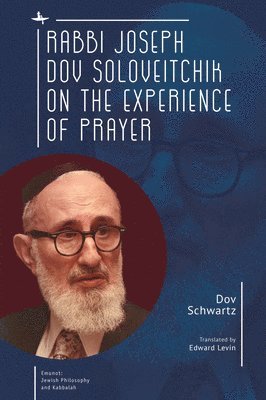
This book is devoted to Rabbi Joseph B. Soloveitchik’s discussions on the practice of prayer. Prayer is analyzed across a broad and complex spectrum in Soloveitchik’s work, and his writings describing and analyzing the experience of prayer afford a profound insight into its diversity, ranging from existential crisis to communion with God.
Through a careful reading of R. Soloveitchik’s texts dealing with this topic, the book follows the consciousness of prayer across its various stages until maturity, starting with an analysis of Worship of the Heart, through to Reflections on the Amidah and other writings.
1 648 kr
Skickas inom 7-10 vardagar
1 707 kr
Läs direkt efter köp
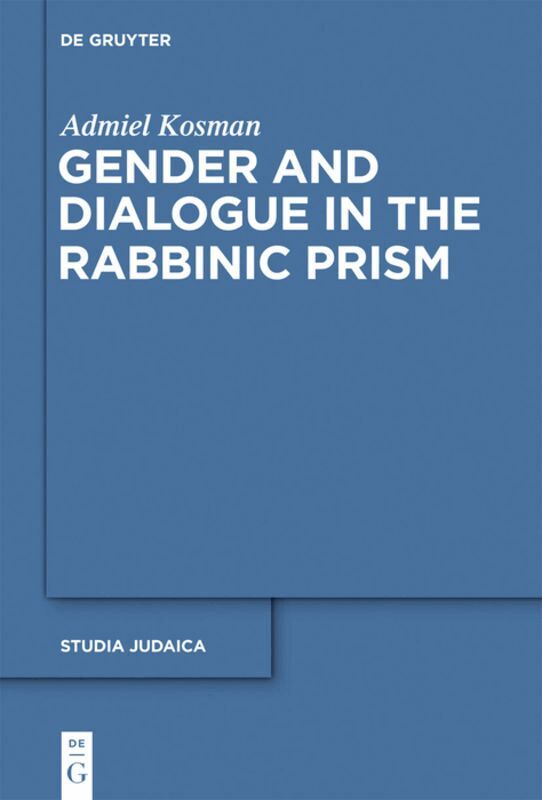
The author applies the fields of gender studies, psychoanalysis, and literature to Talmudic texts. In opposition to the perception of Judaism as a legal system, he argues that the Talmud demands inner spiritual effort, to which the trait of humility and the refinement of the ego are central. This leads to the question of the attitude to the Other, in general, and especially to women. The author shows that the Talmud places the woman (who represents humility and good-heartedness in the Talmudic narratives) above the character of the male depicted in these narratives as a scholar with an inflated sense of self-importance.In the last chapter (that in terms of its scope and content could be a freestanding monograph) the author employs the insights that emerged from the preceding chapters to present a new reading of the Creation narrative in the Bible and the Rabbinic commentaries. The divine act of creation is presented as a primal sexual act, a sort of dialogic model of the consummate sanctity that takes its place in man’s spiritual life when the option of opening one’s heart to the other in a male-female dialogue is realized.