If any writer can be said to have invented the modern short story, it is Anton Chekhov. It is not just that Chekhov democratized this art form; more than that, he changed the thrust of short fiction from relating to revealing. And what marvelous and unbearable things are revealed in these Forty Stories. The abashed happiness of a woman in the presence of the husband who abandoned her years before. The obsequious terror of the official who accidentally sneezes on a general. The poignant astonishment of an aging Don Juan overtaken by love. Spanning the entirety of Chekhov''s career and including such masterpieces as "Surgery," "The Huntsman," "Anyuta," "Sleepyhead," "The Lady With the Pet Dog," and "The Bishop," this collection manages to be amusing, dazzling, and supremely moving—often within a single page.
If any writer can be said to have invented the modern short story, it is Anton Chekhov. It is not just that Chekhov democratized this art form; more than that, he changed the thrust of short fiction from relating to revealing. And what marvelous and unbearable things are revealed in these Forty Stories. The abashed happiness of a woman in the presence of the husband who abandoned her years before. The obsequious terror of the official who accidentally sneezes on a general. The poignant astonishment of an aging Don Juan overtaken by love. Spanning the entirety of Chekhov's career and including such masterpieces as "Surgery," "The Huntsman," "Anyuta," "Sleepyhead," "The Lady With the Pet Dog," and "The Bishop," this collection manages to be amusing, dazzling, and supremely moving—often within a single page.
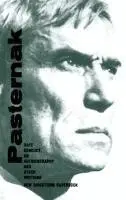
The awarding of the 1958 Nobel Prize for Literature to Boris Pasternak and the subsequent calumny of his fellow citizens in Soviet Russia focused unusual attention on Pasternak's great novel, Dr. Zhivago, and the small body of his other work. At the time, the latter was only available (in any language, as far as is known) in New Directions' Selected Writings of Pasternak, first published in 1949. The 1958 edition was issued with a new introduction by Babette Deutsch under the title of the book's main component, Pasternak's autobiography.Written when he was forty, Safe Conduct puzzled many readers in Russia and when it appeared in English, because its isolated sharp impressions and juxtapositions seem to deny chronology, but at least one critic recognized it as "the most original of autobiographies, employing a new technique of great important."Also included is a group of remarkable short stories, translated by Robert Payne, dealing with the mysteries of life and art, and a selection of the poems that have made Pasternak known, to the few at last, as the "outstanding Russian poet of the century." these are translated by the British Critic and poet C. M. Bowra, and by Miss Deutsch.