205 kr
Sasha Dugdale – översättare
Upptäck titlar översatta av Sasha Dugdale.
21 produkter
21 produkter
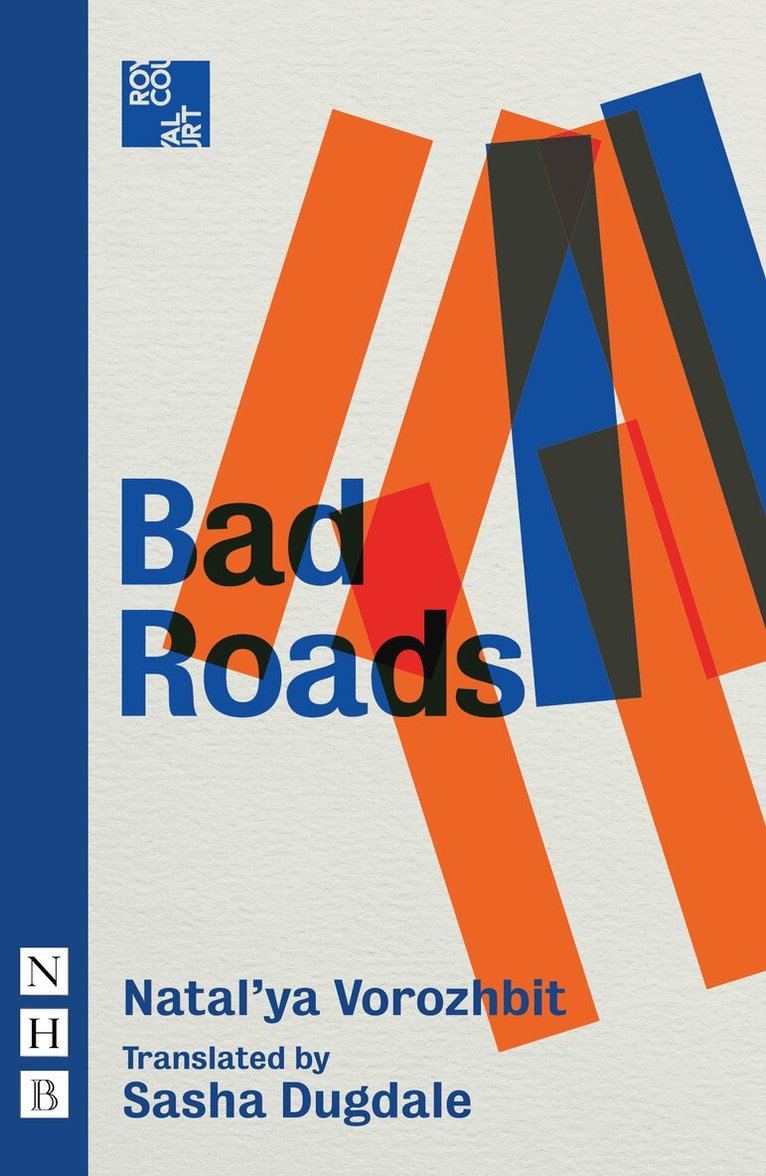
- Häftad, Engelska, 2017'I spend the night in an officer’s barracks, where no woman has ever set foot.' In the darkest recesses of Ukraine, a war is raging.A journalist takes a research trip to the front line. Teenage girls wait for soldiers on benches. A medic mourns her lover killed in action.Natal'ya Vorozhbit's play Bad Roads is a heartbreaking, powerful and bitterly comic account of what it is to be a woman in wartime.It was premiered at the Royal Court Theatre, London, in the Jerwood Theatre Upstairs, in November 2017, in a production directed by Vicky Featherstone. It was developed by the Royal Court International Department, and translated by Sasha Dugdale.Natal’ya Vorozhbit is the leading Ukrainian playwright of her generation and has worked with the Royal Court since 2004. Her work includes The Khomenko Family Chronicles, Maidan Diaries (Royal Court) and The Grain Store (RSC).
- Häftad, Engelska, 2008
165 kr
Skickas
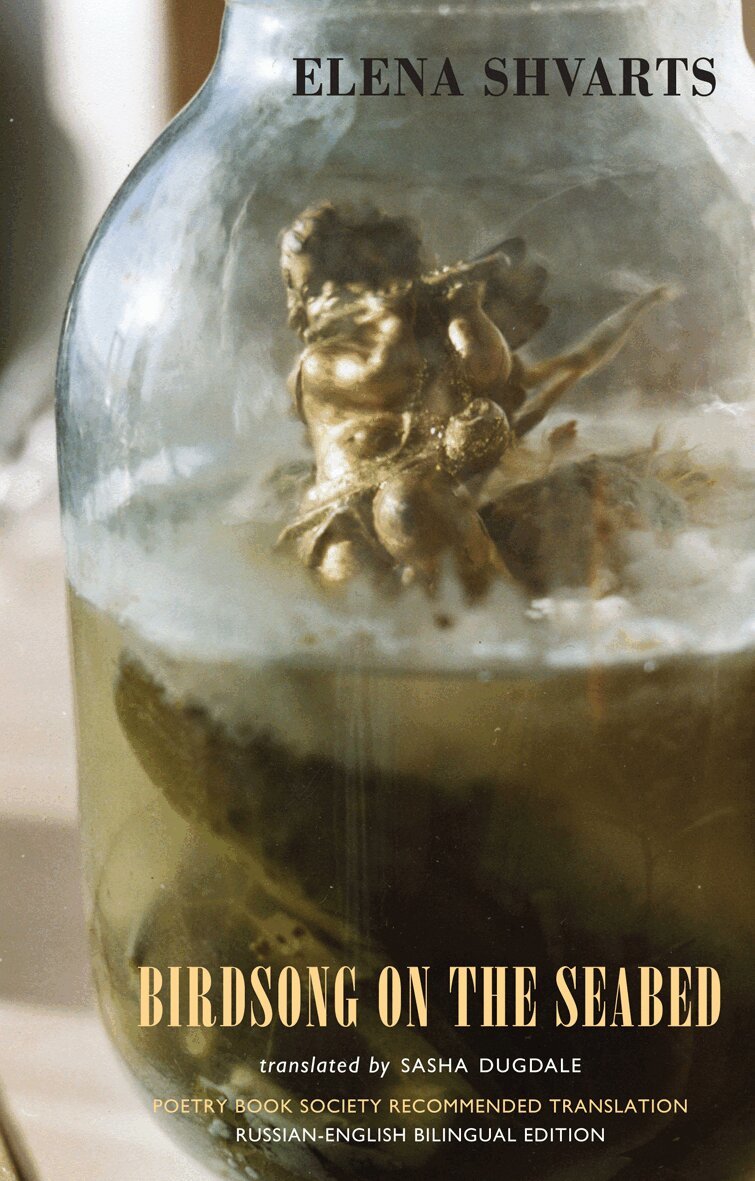
Elena Shvarts was the most outstanding Russian poet of her generation. Birdsong on the Seabed presents a selection of her later poetry. Shvarts brought out four new collections in Russian after the publication by Bloodaxe in 1993 of 'Paradise': Selected Poems, the first English edition of her poetry and also a Poetry Book Society Recommended Translation. This second bilingual Russian-English selection of her work also includes some poems unpublished in Russia at the time. Sasha Dugdale's translation of Birdsong on the Seabed was shortlisted for both the Rossica Translation Prize and the Corneliu M. Popescu Award for European Poetry in Translation.Elena Shvarts stood outside all schools and movements in contemporary Russian poetry. She once famously described poetry as a 'dance without legs'. Her own poetry fits this description perfectly, a combination of deeply rhythmic and lyrical dance with the eccentric, perpetual movement of flight. The world of her poems is strange and grotesque; often the setting is urban, but unrecognisable - towns emptied of the everyday and peopled only by animals, spirits and strange elemental forces. A peculiar religious fervour illuminates these scenes, but her religion is unorthodox and highly individual. Shvarts’ poetry is visionary. Her vision takes her to the edge of language and rhythm, and she was one of the few contemporary poets brave enough to trust her vision absolutely.Poetry Book Society Recommended Translation - E-bokPDF, Engelska, 2013
126 kr
Läs direkt efter köp
Presenting stories which represent each layer of the city of Moscow, from the centre of power to the outer rings of desolate estates and tumbledown shacks, this fascinating collection offers a lively and varied portrait in fiction of Russia''s mysterious capital city. The collection includes works by Russian authors ranging from Anton Chekhov and Yuri Koval to Larisa Miller and Marina Boroditskaia, collating nineteeth- and twentieth-century tales, as well those written by contemporary authors. The stories are intriguingly varied --an account of life in the city''s infamous high security prison, a tale of a lady with a supernatural gift for repairing household devices, the story of another pitiful lost dog who nearly joins the Moscow Circus -- and together they shed light on the changing nature of Moscow society across the centuries. The next instalment in a series of successful translated anthologies of stories set in and around a particular European City. Moscow Tales combines two genres, travel writing and literary fiction and provides an insight into the lives of those who live in Moscow or have written about it. - E-bokEngelska, 2013
127 kr
Läs direkt efter köp
Presenting stories which represent each layer of the city of Moscow, from the centre of power to the outer rings of desolate estates and tumbledown shacks, this fascinating collection offers a lively and varied portrait in fiction of Russia''s mysterious capital city. The collection includes works by Russian authors ranging from Anton Chekhov and Yuri Koval to Larisa Miller and Marina Boroditskaia, collating nineteeth- and twentieth-century tales, as well those written by contemporary authors. The stories are intriguingly varied --an account of life in the city''s infamous high security prison, a tale of a lady with a supernatural gift for repairing household devices, the story of another pitiful lost dog who nearly joins the Moscow Circus -- and together they shed light on the changing nature of Moscow society across the centuries. The next instalment in a series of successful translated anthologies of stories set in and around a particular European City. Moscow Tales combines two genres, travel writing and literary fiction and provides an insight into the lives of those who live in Moscow or have written about it. - Häftad, Engelska, 2013
171 kr
Skickas inom 10-15 vardagar
Presenting stories which represent each layer of the city of Moscow, from the centre of power to the outer rings of desolate estates and tumbledown shacks, this fascinating collection offers a lively and varied portrait in fiction of Russia's mysterious capital city. The collection includes works by Russian authors ranging from Anton Chekhov and Yuri Koval to Larisa Miller and Marina Boroditskaia, collating nineteeth- and twentieth-century tales, as well those written by contemporary authors. The stories are intriguingly varied --an account of life in the city's infamous high security prison, a tale of a lady with a supernatural gift for repairing household devices, the story of another pitiful lost dog who nearly joins the Moscow Circus -- and together they shed light on the changing nature of Moscow society across the centuries. The next instalment in a series of successful translated anthologies of stories set in and around a particular European City. Moscow Tales combines two genres, travel writing and literary fiction and provides an insight into the lives of those who live in Moscow or have written about it. - Häftad, Engelska, 2021
240 kr
Skickas inom 7-10 vardagar
With the death of her aunt, the narrator is left to sift through an apartment full of faded photographs, old postcards, letters, diaries, and heaps of souvenirs: a withered repository of a century of life in Russia. Carefully reassembled with calm, steady hands, these shards tell the story of how a seemingly ordinary Jewish family somehow managed to survive the myriad persecutions and repressions of the last century.In dialogue with writers like Roland Barthes, W. G. Sebald, Susan Sontag, and Osip Mandelstam, In Memory of Memory is imbued with rare intellectual curiosity and a wonderfully soft-spoken, poetic voice. Dipping into various forms—essay, fiction, memoir, travelogue, and historical documents—Stepanova assembles a vast panorama of ideas and personalities and offers an entirely new and bold exploration of cultural and personal memory. - Häftad, Engelska, 2024
147 kr
Skickas
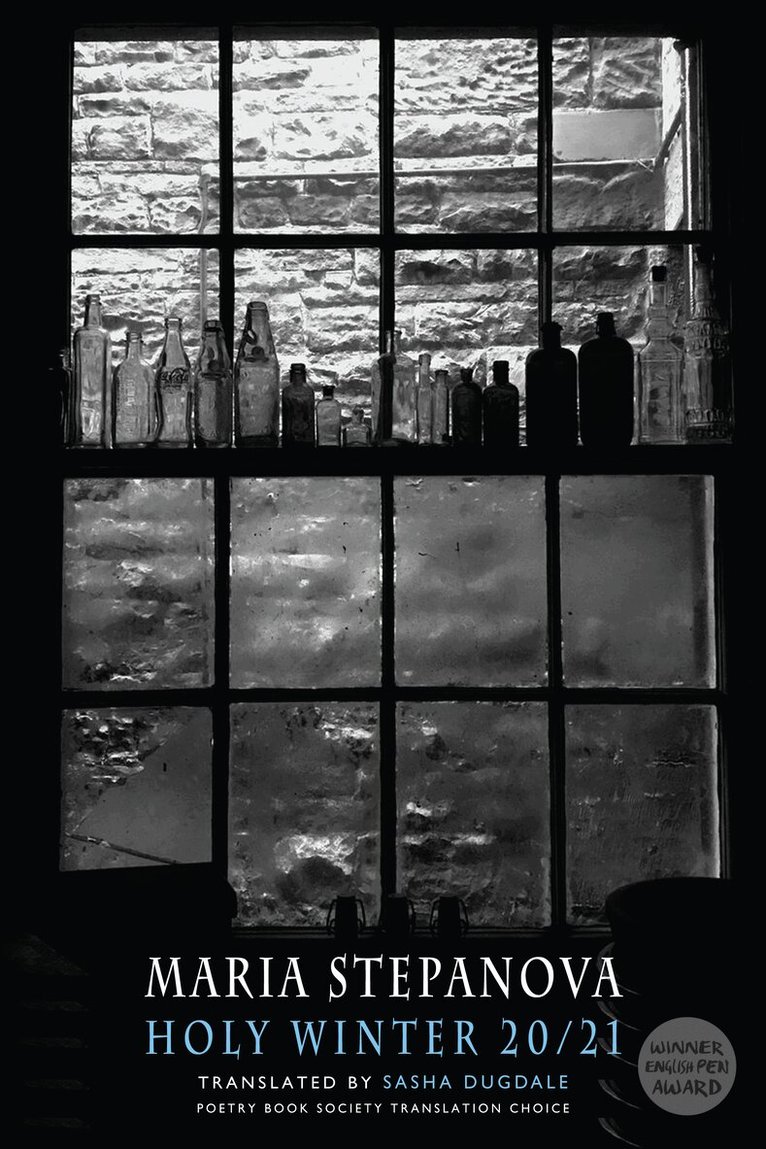
The outbreak of Covid-19 cut short Maria Stepanova’s 2020 stay in Cambridge. Back in Russia, she spent the ensuing months in a state of torpor—the world had withdrawn from her, time had “gone numb.” When she awoke from this state, she began to read Ovid, and the shock of the pandemic dissolved into the voices and metaphors of a transformative, epochal experience. Her book-length poem Holy Winter, written in a frenzy of poetic inspiration, speaks of winter and war, of banishment and exile, of social isolation and existential abandonment. Stepanova finds sublime imagery for the process of falling silent, interweaving love letters and travelogues, Chinese verse and Danish fairy tales into a polyphonic evocation of frozen time and its slow thawing.As a poet and essayist, Stepanova was a highly influential figure for many years in Moscow’s cosmopolitan literary scene until it was strangled by Putin, along with civil liberties and dissent. Like Joseph Brodsky before her, she has mastered modern poetry’s rich repertoire of forms and moves effortlessly between the languages and traditions of Russian, European, and transatlantic literature, potently yet subtly creating a voice like no other.Her poetry, which here echoes verses by Pushkin and Lermontov, Mandelstam and Tsvetaeva, is not hermetic. She takes in and incorporates the confusing signals from social networks and the media, opening herself up to the voices of kindred poets like Sylvia Plath, Inger Christensen, and Anne Carson. - Häftad, Engelska, 2026
253 kr
Skickas inom 3-6 vardagar
435 kr
Skickas inom 10-15 vardagar
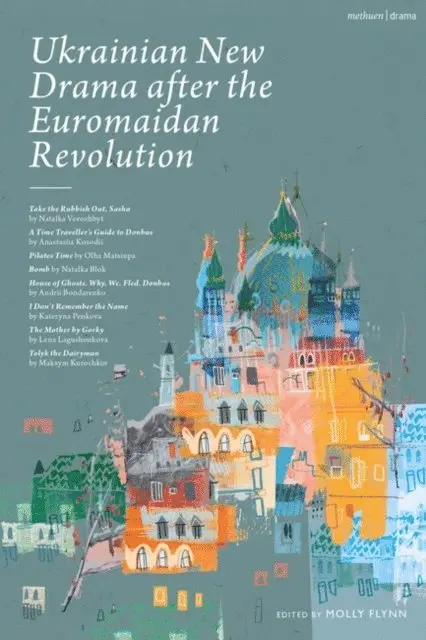
Ukraine’s remarkable aptitude for resilience and grassroots activism, as witnessed since February 2022, is closely connected to a process that began with the Euromaidan Revolution in 2013-14, when over two million Ukrainians took to the streets in defense of democracy and human rights. In the months directly following the Revolution, Russia illegally occupied Ukraine’s Crimean Peninsula, and began funneling both arms and troops into the eastern region of Donbas to fuel a conflict between the Ukrainian army and a small group of radical separatists. Since that time, Ukrainians have been working diligently to build the society in which they have wanted to live, all while fighting Russia and its proxies in Europe’s forgotten war. Ukrainian New Drama After the Euromaidan Revolution brings together key works from the country’s impressively generative post-Revolutionary period, many of them published here in English for the first time. As well as established voices from the European theatre repertoire such as Natalka Vorozhbyt and Maksym Kurochkin, this collection also features iconic plays from Ukraine’s post-Maidan generation of playwrights Natalka Blok, Andrii Bondarenko, Anastsiia Kosodii, Lena Lagushonkova, Olha Matsiupa, and Kateryna Penkova. Considered together, these plays reflect the diversity of voices in Ukraine as a country seeking to comprehend both the personal and political consequences of the Revolution, the war, and all that has come since.A key element to the remarkable culture of defiance and resistance that Ukrainians created in these years has been new approaches to arts activism, particularly in the performing arts. In the eight years between Euromaidan and the full-scale invasion, Ukraine witnessed an incredible boom in socially engaged performance practice. Playwriting in particular has become an essential genre through which artists have sought to bear witness to the repercussions of the war and to create spaces for the reclaiming of historical and cultural narratives; Ukrainian New Drama After the Euromaidan Revolution captures this spirit and published this necessary and vital work in English for the very first time.1 323 kr
Skickas inom 10-15 vardagar
Ukraine’s remarkable aptitude for resilience and grassroots activism, as witnessed since February 2022, is closely connected to a process that began with the Euromaidan Revolution in 2013-14, when over two million Ukrainians took to the streets in defense of democracy and human rights. In the months directly following the Revolution, Russia illegally occupied Ukraine’s Crimean Peninsula, and began funneling both arms and troops into the eastern region of Donbas to fuel a conflict between the Ukrainian army and a small group of radical separatists. Since that time, Ukrainians have been working diligently to build the society in which they have wanted to live, all while fighting Russia and its proxies in Europe’s forgotten war. Ukrainian New Drama After the Euromaidan Revolution brings together key works from the country’s impressively generative post-Revolutionary period, many of them published here in English for the first time. As well as established voices from the European theatre repertoire such as Natalka Vorozhbyt and Maksym Kurochkin, this collection also features iconic plays from Ukraine’s post-Maidan generation of playwrights Natalka Blok, Andrii Bondarenko, Anastsiia Kosodii, Lena Lagushonkova, Olha Matsiupa, and Kateryna Penkova. Considered together, these plays reflect the diversity of voices in Ukraine as a country seeking to comprehend both the personal and political consequences of the Revolution, the war, and all that has come since.A key element to the remarkable culture of defiance and resistance that Ukrainians created in these years has been new approaches to arts activism, particularly in the performing arts. In the eight years between Euromaidan and the full-scale invasion, Ukraine witnessed an incredible boom in socially engaged performance practice. Playwriting in particular has become an essential genre through which artists have sought to bear witness to the repercussions of the war and to create spaces for the reclaiming of historical and cultural narratives; Ukrainian New Drama After the Euromaidan Revolution captures this spirit and published this necessary and vital work in English for the very first time.463 kr
Läs direkt efter köp
Ukraine''s remarkable aptitude for resilience and grassroots activism, as witnessed since February 2022, is closely connected to a process that began with the Euromaidan Revolution in 2013-14, when over two million Ukrainians took to the streets in defense of democracy and human rights. In the months directly following the Revolution, Russia illegally occupied Ukraine''s Crimean Peninsula, and began funneling both arms and troops into the eastern region of Donbas to fuel a conflict between the Ukrainian army and a small group of radical separatists. Since that time, Ukrainians have been working diligently to build the society in which they have wanted to live, all while fighting Russia and its proxies in Europe''s forgotten war. Ukrainian New Drama After the Euromaidan Revolution brings together key works from the country''s impressively generative post-Revolutionary period, many of them published here in English for the first time. As well as established voices from the European theatre repertoire such as Natalka Vorozhbyt and Maksym Kurochkin, this collection also features iconic plays from Ukraine''s post-Maidan generation of playwrights Natalka Blok, Andrii Bondarenko, Anastsiia Kosodii, Lena Lagushonkova, Olha Matsiupa, and Kateryna Penkova. Considered together, these plays reflect the diversity of voices in Ukraine as a country seeking to comprehend both the personal and political consequences of the Revolution, the war, and all that has come since. A key element to the remarkable culture of defiance and resistance that Ukrainians created in these years has been new approaches to arts activism, particularly in the performing arts. In the eight years between Euromaidan and the full-scale invasion, Ukraine witnessed an incredible boom in socially engaged performance practice. Playwriting in particular has become an essential genre through which artists have sought to bear witness to the repercussions of the war and to create spaces for the reclaiming of historical and cultural narratives; Ukrainian New Drama After the Euromaidan Revolution captures this spirit and published this necessary and vital work in English for the very first time.463 kr
Läs direkt efter köp
Ukraine''s remarkable aptitude for resilience and grassroots activism, as witnessed since February 2022, is closely connected to a process that began with the Euromaidan Revolution in 2013-14, when over two million Ukrainians took to the streets in defense of democracy and human rights. In the months directly following the Revolution, Russia illegally occupied Ukraine''s Crimean Peninsula, and began funneling both arms and troops into the eastern region of Donbas to fuel a conflict between the Ukrainian army and a small group of radical separatists. Since that time, Ukrainians have been working diligently to build the society in which they have wanted to live, all while fighting Russia and its proxies in Europe''s forgotten war. Ukrainian New Drama After the Euromaidan Revolution brings together key works from the country''s impressively generative post-Revolutionary period, many of them published here in English for the first time. As well as established voices from the European theatre repertoire such as Natalka Vorozhbyt and Maksym Kurochkin, this collection also features iconic plays from Ukraine''s post-Maidan generation of playwrights Natalka Blok, Andrii Bondarenko, Anastsiia Kosodii, Lena Lagushonkova, Olha Matsiupa, and Kateryna Penkova. Considered together, these plays reflect the diversity of voices in Ukraine as a country seeking to comprehend both the personal and political consequences of the Revolution, the war, and all that has come since. A key element to the remarkable culture of defiance and resistance that Ukrainians created in these years has been new approaches to arts activism, particularly in the performing arts. In the eight years between Euromaidan and the full-scale invasion, Ukraine witnessed an incredible boom in socially engaged performance practice. Playwriting in particular has become an essential genre through which artists have sought to bear witness to the repercussions of the war and to create spaces for the reclaiming of historical and cultural narratives; Ukrainian New Drama After the Euromaidan Revolution captures this spirit and published this necessary and vital work in English for the very first time.- Häftad, Engelska, 2021
165 kr
Skickas
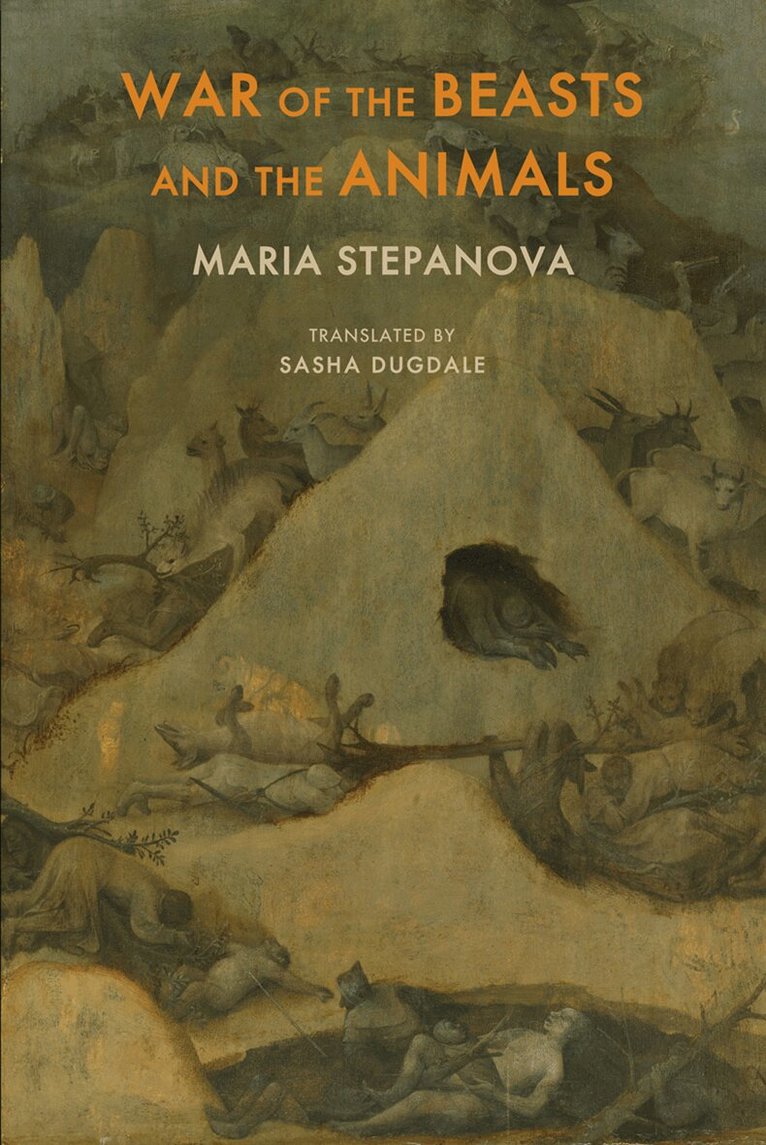
War of the Beasts and the Animals is Russian poet Maria Stepanova’s first full English-language collection. Stepanova is one of Russia’s most innovative and exciting poets and thinkers, and founding editor of Colta.ru, an online independent site which has been compared to Huffington Post in its status and importance. IImmensely high-profile in Russia for many years, recognition in the West has followed the publication of her documentary novel In Memory of Memory, first in German translation in 2018 and now with Sasha Dugdale's English translation – published by Fitzcarraldo in the UK and by New Directions in the US – longlisted for the International Booker Prize in 2021. War of the Beasts and the Animals includes her recent long poems of conflict ‘Spolia’ and ‘War of the Beasts and Animals’, written during the Donbas conflict, as well as a third long poem ‘The Body Returns’, commissioned by Hay International Festival in 2018 to commemorate the Centenary of the First World War. In all three long poems Stepanova’s assured and experimental use of form, her modernist appropriation of poetic texts from around the world and her constant consideration of the way that culture, memory and contemporary life are interwoven make her work both pleasurable and deeply necessary. This collection also includes two sequences of poems from her 2015 collection Kireevsky: sequences of ‘weird’ ballads and songs, subtly changed folk and popular songs and poems which combine historical lyricism and a contemporary understanding of the effects of conflict and trauma. Stepanova uses the ready forms of ballads and songs, but alters them, so they almost appear to be refracted in moonlit water. The forms seem recognisable, but the words are oddly fragmented and suggestive, they weave together well-known refrains of songs, apparently familiar images, subtle half-nods to films and music. - Häftad, Engelska, 2024
166 kr
Skickas
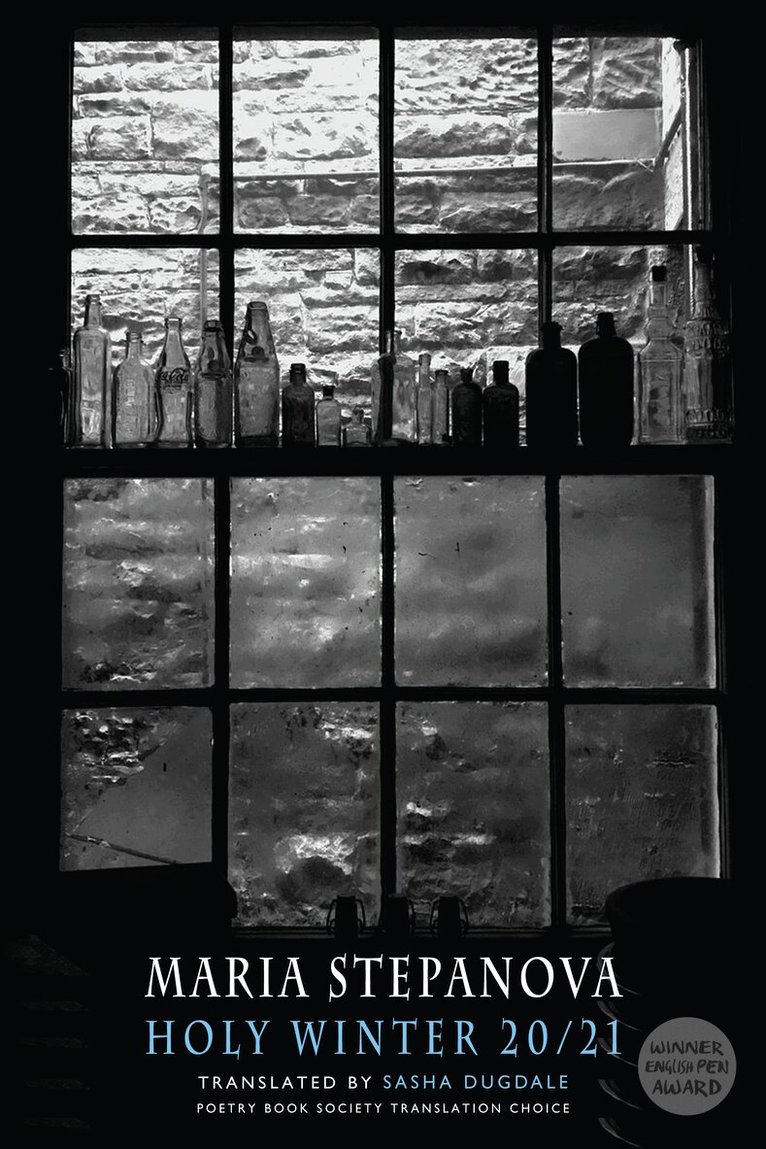
The outbreak of Covid-19 cut short Maria Stepanova’s stay in Cambridge. Back in Russia, she spent the ensuing months in a state of torpor – the world had withdrawn from her, time had ‘gone numb’. When she awoke from this state, she began to read Ovid, and the shock of the pandemic dissolved into the voices and metaphors of an epochal experience.Her book-length poem Holy Winter 20/21, written in a frenzy of poetic inspiration, speaks of winter and war, of banishment and exile, of social isolation and existential abandonment. Stepanova finds sublime imagery for the process of falling silent, interweaving love letters and travelogues, Chinese verse and Danish fairy tales into a polyphonic evocation of frozen and slowly thawing time.Following her previous book of poetry, War of the Beasts and the Animals – in part a response to the Donbas conflict – her book’s title is even more prophetic now, echoing a famous patriotic Soviet song from 1941, ‘a holy war is underway’.Born in 1972, Maria Stepanova – as poet and essayist – was a highly influential figure for many years in Moscow’s cosmopolitan literary scene until its suppression along with civil liberties and dissent under Putin’s latter-day reign of terror. Her first prose work In Memory of Memory established her internationally as one of the most important intellectual voices of contemporary Russia. Her poetry, which here echoes verses by Pushkin and Lermontov, Mandelstam and Tsvetaeva, is not hermetic. She takes in the confusing signals from social networks and the media, opening herself up to the voices of kindred poets like Sylvia Plath, Inger Christensen and Anne Carson. She has moreover mastered modern poetry’s rich repertoire of forms and moves effortlessly between the linguistic and traditional spaces of Russian, European and transatlantic literature.In her prose, Stepanova searches for the essence of the moment in the maelstrom of historical time. As an essayist, she traces the reactions of her critical consciousness; taken together, her politically alert commentaries form a chronicle of the troubled present. - E-bokEngelska, 2024
164 kr
Läs direkt efter köp
The outbreak of Covid-19 cut short Maria Stepanova’s stay in Cambridge. Back in Russia, she spent the ensuing months in a state of torpor – the world had withdrawn from her, time had ‘gone numb’. When she awoke from this state, she began to read Ovid, and the shock of the pandemic dissolved into the voices and metaphors of an epochal experience.Her book-length poem Holy Winter 20/21, written in a frenzy of poetic inspiration, speaks of winter and war, of banishment and exile, of social isolation and existential abandonment. Stepanova finds sublime imagery for the process of falling silent, interweaving love letters and travelogues, Chinese verse and Danish fairy tales into a polyphonic evocation of frozen and slowly thawing time.Following her previous book of poetry, War of the Beasts and the Animals – in part a response to the Donbas conflict – her book’s title is even more prophetic now, echoing a famous patriotic Soviet song from 1941, ‘a holy war is underway’.Born in 1972, Maria Stepanova – as poet and essayist – was a highly influential figure for many years in Moscow’s cosmopolitan literary scene until its suppression along with civil liberties and dissent under Putin’s latter-day reign of terror. Her first prose work In Memory of Memory established her internationally as one of the most important intellectual voices of contemporary Russia. Her poetry, which here echoes verses by Pushkin and Lermontov, Mandelstam and Tsvetaeva, is not hermetic. She takes in the confusing signals from social networks and the media, opening herself up to the voices of kindred poets like Sylvia Plath, Inger Christensen and Anne Carson. She has moreover mastered modern poetry’s rich repertoire of forms and moves effortlessly between the linguistic and traditional spaces of Russian, European and transatlantic literature.In her prose, Stepanova searches for the essence of the moment in the maelstrom of historical time. As an essayist, she traces the reactions of her critical consciousness; taken together, her politically alert commentaries form a chronicle of the troubled present. - Häftad, Engelska, 2023
131 kr
Skickas
With the death of her aunt, Maria Stepanova is left to sift through an apartment full of faded photographs, old postcards, letters, diaries, and heaps of souvenirs: a withered repository of a century of life in Russia. Carefully reassembled with calm, steady hands, these shards tell the story of how a seemingly ordinary Jewish family somehow managed to survive the myriad persecutions and repressions of the last century. Dipping into various forms – essay, fiction, memoir, travelogue and historical documents – Stepanova’s In Memory of Memory assembles a vast panorama of ideas and personalities and offers an entirely new and bold exploration of cultural and personal memory. - Häftad, Engelska, 2026
165 kr
Skickas
The writer known as M. is living in exile while her home country wages war on a neighbouring state. Wracked by shame and severed from her language, M. finds herself unable to write, unmoored in a present where the future feels unknowable. When she travels to a nearby country for an event, a twist of fate leaves her stranded in an unfamiliar city, phoneless and untraceable. In this rupture, she feels a flicker of liberation – the possibility of starting over – but memories of childhood, books, films and tarot cards pull her back, the last fragments of a vanishing world. Then she meets a troupe of circus performers who invite her to join them. For a moment, reinvention seems within reach. Oscillating between reality and dream, written in rich, hypnotic prose, The Disappearing Act is a haunting meditation on identity, language and the fragile desire to disappear by Maria Stepanova, one of Russia’s greatest living writers. - Häftad, Engelska, 2004
131 kr
Skickas inom 7-10 vardagar
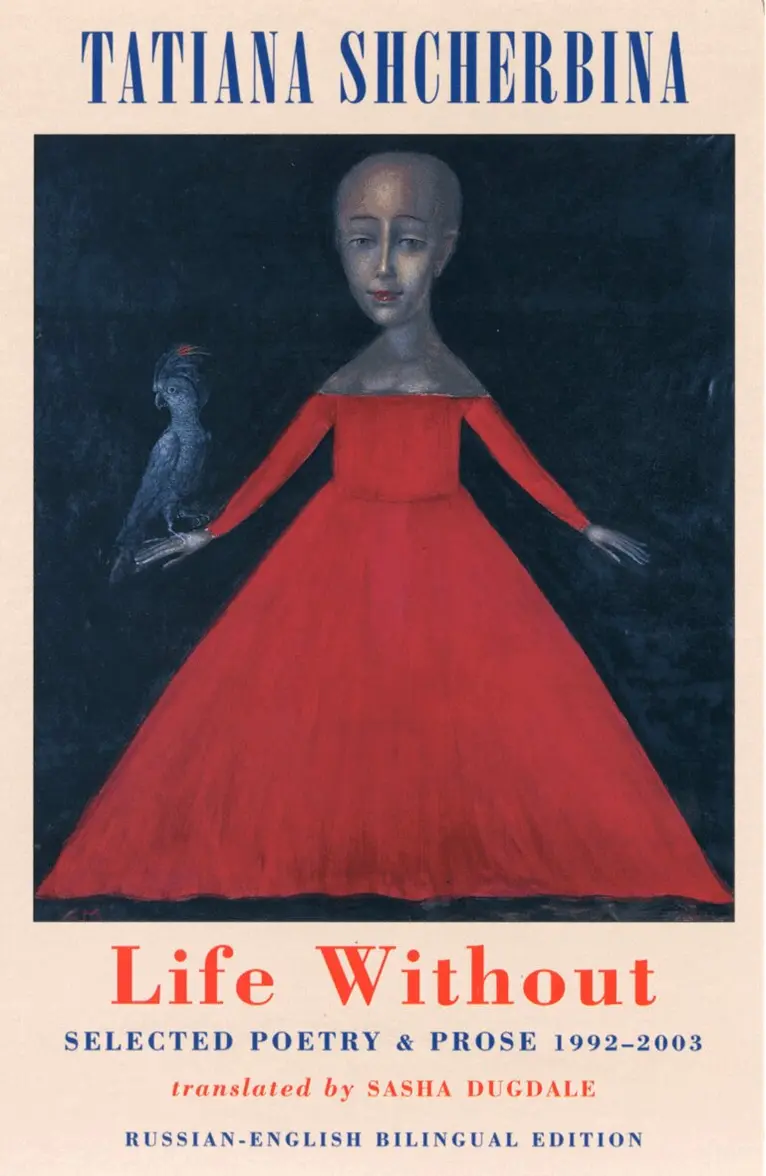
Tatiana Shcherbina has been described as ‘one of the most significant figures in contemporary Russian poetry’ (Kommersant’). In her recent work the elegant and ironic narrator meditates on love, disappointment and loss against the backdrop of Russia’s social collapse. Sometimes her poems take the form of overtly political statements (‘Dictatorship, democracy’), sometimes new capitalist Russia is reflected merely in the emotional plane – in a poem on lost love she claims she has paid the highest rate: cash.Whilst her themes are timeless, Shcherbina’s settings are distinctly contemporary. She writes about sitting at a computer gazing into the Microsoft Windows; her poems are full of supermarkets, printing cartridges, TV, the environment; she considers applying make-up, drinking alone, falling asleep to the sounds of films in the next room.Tatiana Shcherbina is one of a generation of Russians who have been to travel frequently in Europe. She has lived in France – and sometimes writes in French – and her Russian poetry is filled with an awareness of other ‘European’ culture. She has even been criticised for a supposedly anti-Russian stance, yet she understands absolutely what is happening in Russia and is in no way an outsider. Hers is also the stance of a woman challenging Russia’s patriarchal and chauvinist society. However, Tatiana Shcherbina’s poetry is not primarily political, but literary, and she shows great versatility in different forms and genres. Her playfully meditative essays form the perfect counterpoint to her sophisticated and self-aware poetry.Russian-English dual language edition. - Häftad, Engelska, 2003
206 kr
Skickas inom 7-10 vardagar
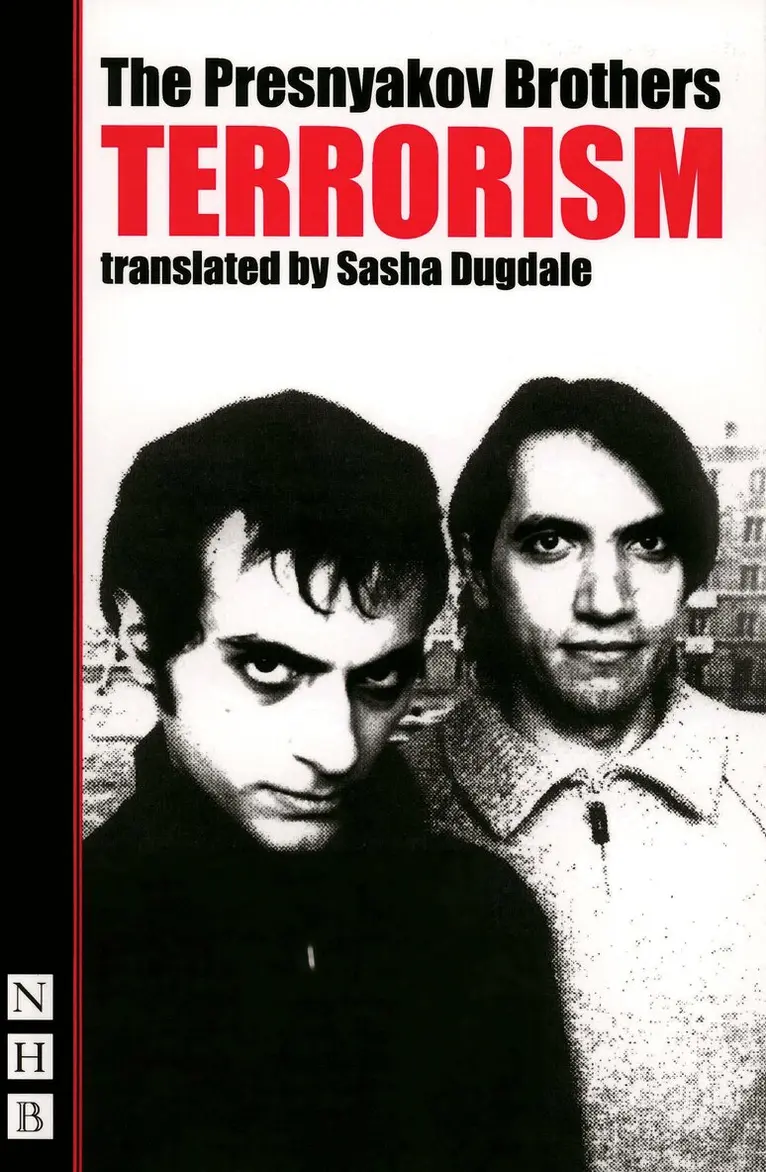
The extraordinary debut play from the Royal Court by two brothers from Siberia.A series of seemingly unrelated scenes portray the ordinary frustrations of everyday life: office workers bickering, a couple committing adultery, grannies complaining about their husbands. But the scenes unfold to reveal the mistrust and dysfunction that have become the norm, in Russia and elsewhere.Terrorism by the Presnyakov Brothers was first performed, in this English translation by Sasha Dugdale, at the Royal Court Theatre, London, in 2003. - Häftad, Engelska, 2004
160 kr
Skickas inom 7-10 vardagar
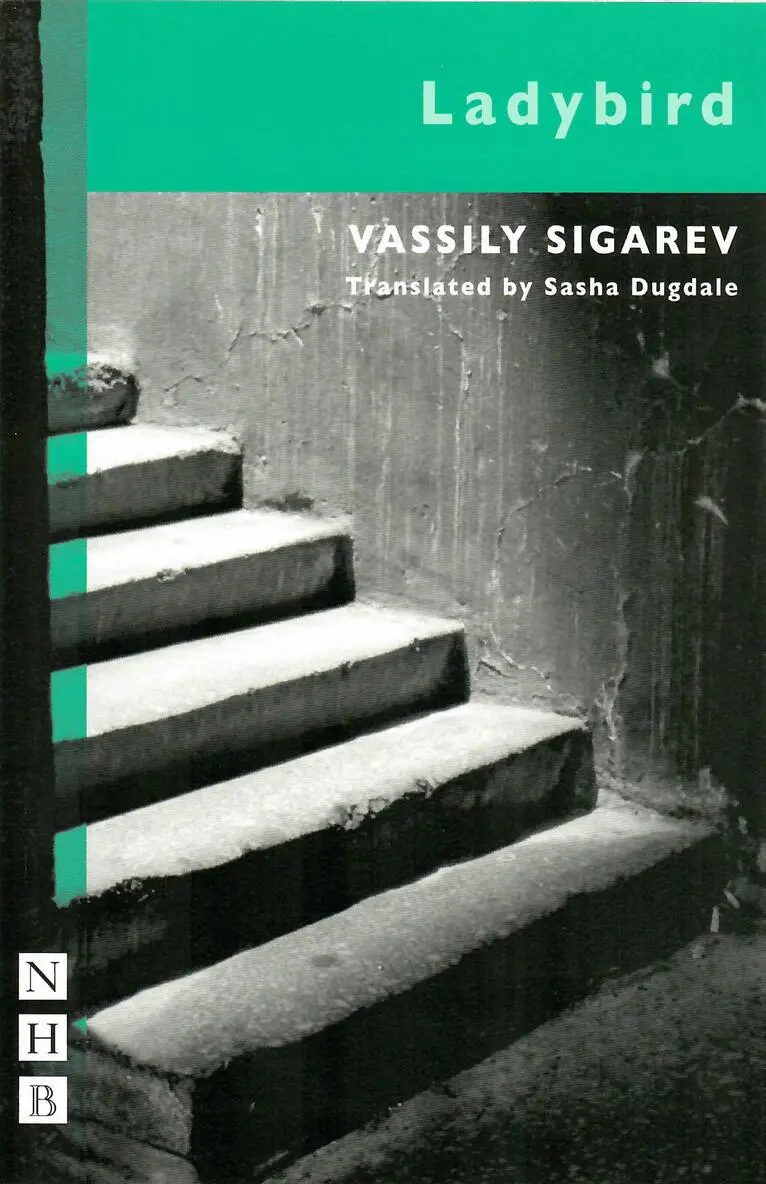
A tough but tender portrait of urban squalor, from the award-winning Siberian-born author of Plasticine.Dima, 19, lives with his alcoholic father. The night before he leaves for the war in Chechnya to do his national service, he throws a party. Lera, 20, lives in the same block. She's convinced that she'll win a fortune if only she can borrow enough money for a lottery ticket. Lera's cousin Yulka, 18, is more interested in seeing just how far Dima will go to prove his devotion to her.Vassily Sigarev's play Ladybird was first performed in this English translation by Sasha Dugdale at the Royal Court Theatre, London, in 2004. - Häftad, Engelska, 2009
116 kr
Tillfälligt slut
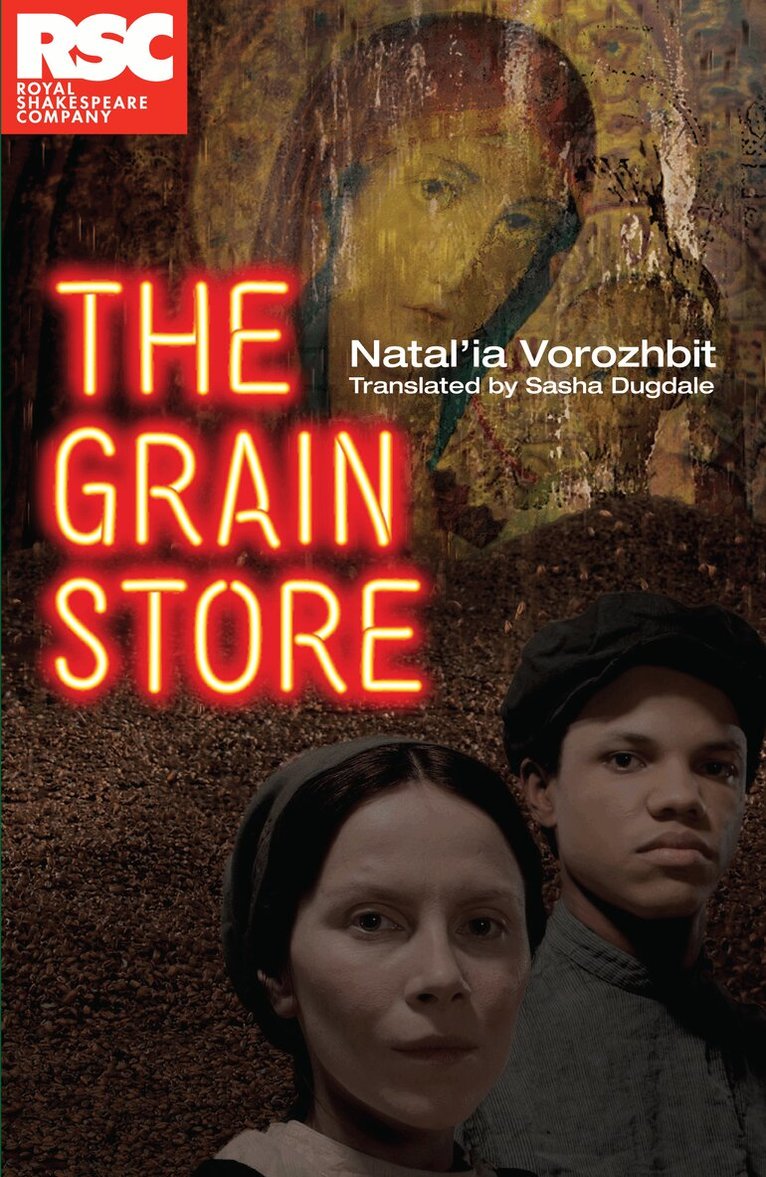
Ukraine 1929. As Stalin launches the first of his Five-Year Plans, a closeknit rural community stands unwittingly in the path of his drive to create a thriving socialist Soviet Union. The outcome is catastrophic.What begins for the people of the village as an amusingly alien concept rapidly becomes an unstoppable force for change. Robbed first of their land, then their religion and independence, the whole country soon becomes engulfed by a tragedy that will scar a nation for generations.Natal'ya Vorozhbit's play The Grain Store was first staged in this English translation by Sasha Dugdale by the Royal Shakespeare Company at the Courtyard Theatre, Stratford-upon-Avon, in 2009.