
E-bok
Engelska, 2025514 kr
Läs direkt efter köp
514 kr
Läs direkt efter köp

495 kr
Skickas
717 kr
Läs direkt efter köp
2 190 kr
Skickas inom 10-15 vardagar
2 268 kr
Läs direkt efter köp
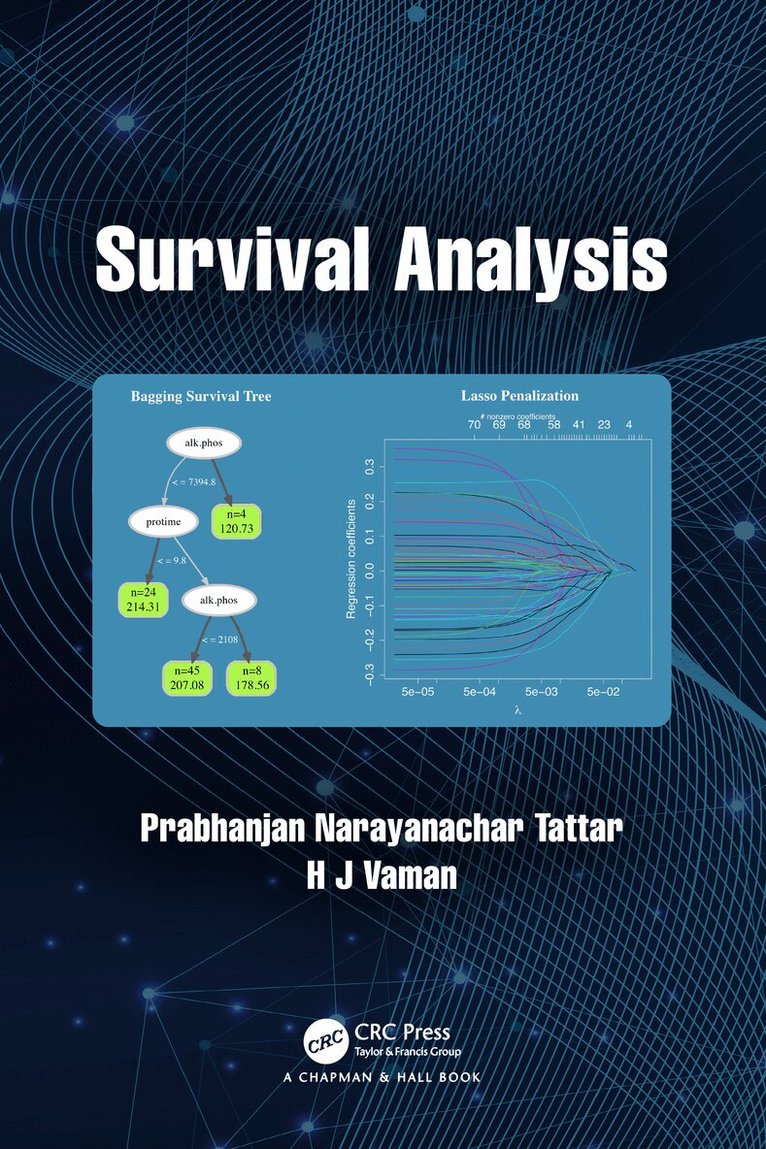
Survival analysis generally deals with analysis of data arising from clinical trials. Censoring, truncation, and missing data create analytical challenges and the statistical methods and inference require novel and different approaches for analysis. Statistical properties, essentially asymptotic ones, of the estimators and tests are aptly handled in the counting process framework which is drawn from the larger arm of stochastic calculus. With explosion of data generation during the past two decades, survival data has also enlarged assuming a gigantic size. Most statistical methods developed before the millennium were based on a linear approach even in the face of complex nature of survival data. Nonparametric nonlinear methods are best envisaged in the Machine Learning school. This book attempts to cover all these aspects in a concise way.
Survival Analysis offers an integrated blend of statistical methods and machine learning useful in analysis of survival data. The purpose of the offering is to give an exposure to the machine learning trends for lifetime data analysis.
Features:
Classical survival analysis techniques for estimating statistical functional and hypotheses testing Regression methods covering the popular Cox relative risk regression model, Aalen’s additive hazards model, etc. Information criteria to facilitate model selection including Akaike, Bayes, and Focused Penalized methods Survival trees and ensemble techniques of bagging, boosting, and random survival forests A brief exposure of neural networks for survival data R program illustration throughout the book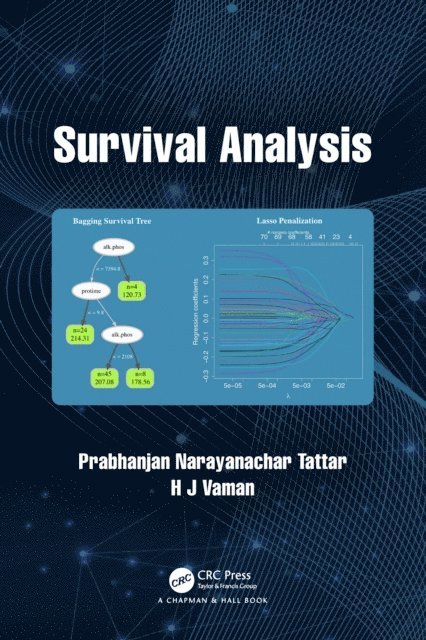
2 268 kr
Läs direkt efter köp
Survival analysis generally deals with analysis of data arising from clinical trials. Censoring, truncation, and missing data create analytical challenges and the statistical methods and inference require novel and different approaches for analysis. Statistical properties, essentially asymptotic ones, of the estimators and tests are aptly handled in the counting process framework which is drawn from the larger arm of stochastic calculus. With explosion of data generation during the past two decades, survival data has also enlarged assuming a gigantic size. Most statistical methods developed before the millennium were based on a linear approach even in the face of complex nature of survival data. Nonparametric nonlinear methods are best envisaged in the Machine Learning school. This book attempts to cover all these aspects in a concise way.
Survival Analysis offers an integrated blend of statistical methods and machine learning useful in analysis of survival data. The purpose of the offering is to give an exposure to the machine learning trends for lifetime data analysis.
Features:
Classical survival analysis techniques for estimating statistical functional and hypotheses testing Regression methods covering the popular Cox relative risk regression model, Aalen’s additive hazards model, etc. Information criteria to facilitate model selection including Akaike, Bayes, and Focused Penalized methods Survival trees and ensemble techniques of bagging, boosting, and random survival forests A brief exposure of neural networks for survival data R program illustration throughout the book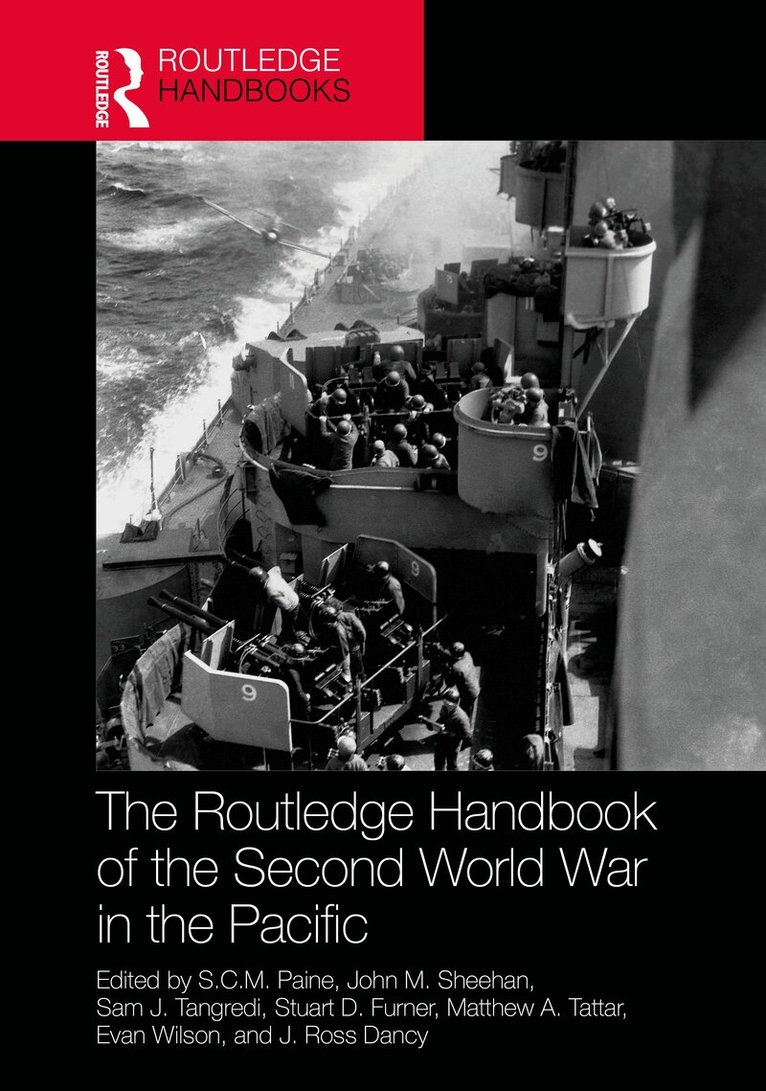
3 839 kr
Kommande
1 108 kr
Skickas inom 5-8 vardagar
1 259 kr
Läs direkt efter köp
Key features:
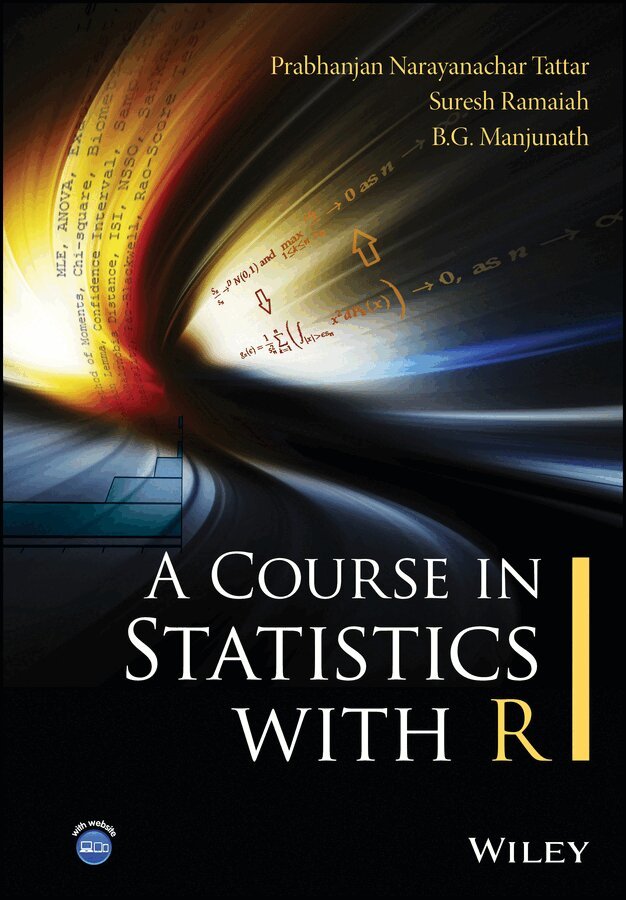
Integrates R basics with statistical concepts Provides graphical presentations inclusive of mathematical expressions Aids understanding of limit theorems of probability with and without the simulation approach Presents detailed algorithmic development of statistical models from scratch Includes practical applications with over 50 data sets
1 259 kr
Läs direkt efter köp
Key features:
Integrates R basics with statistical concepts Provides graphical presentations inclusive of mathematical expressions Aids understanding of limit theorems of probability with and without the simulation approach Presents detailed algorithmic development of statistical models from scratch Includes practical applications with over 50 data sets
807 kr
Läs direkt efter köp
789 kr
Läs direkt efter köp
670 kr
Skickas inom 5-8 vardagar
488 kr
Läs direkt efter köp
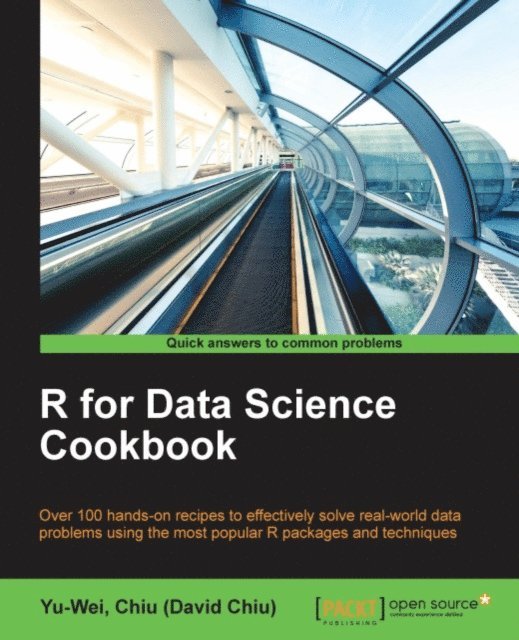
Over 100 hands-on recipes to effectively solve real-world data problems using the most popular R packages and techniques
Key Features
[] Gain insight into how data scientists collect, process, analyze, and visualize data using some of the most popular R packages[] Understand how to apply useful data analysis techniques in R for real-world applications[] An easy-to-follow guide to make the life of data scientist easier with the problems faced while performing data analysisBook Description
This cookbook offers a range of data analysis samples in simple and straightforward R code, providing step-by-step resources and time-saving methods to help you solve data problems efficiently.The first section deals with how to create R functions to avoid the unnecessary duplication of code. You will learn how to prepare, process, and perform sophisticated ETL for heterogeneous data sources with R packages. An example of data manipulation is provided, illustrating how to use the “dplyr” and “data.table” packages to efficiently process larger data structures. We also focus on “ggplot2” and show you how to create advanced figures for data exploration.In addition, you will learn how to build an interactive report using the “ggvis” package. Later chapters offer insight into time series analysis on financial data, while there is detailed information on the hot topic of machine learning, including data classification, regression, clustering, association rule mining, and dimension reduction.By the end of this book, you will understand how to resolve issues and will be able to comfortably offer solutions to problems encountered while performing data analysis.What you will learn
[] Get to know the functional characteristics of R language[] Extract, transform, and load data from heterogeneous sources[] Understand how easily R can confront probability and statistics problems[] Get simple R instructions to quickly organize and manipulate large datasets[] Create professional data visualizations and interactive reports[] Predict user purchase behavior by adopting a classification approach[] Implement data mining techniques to discover items that are frequently purchased together[] Group similar text documents by using various clustering methodsWho this book is for
This book is for those who are already familiar with the basic operation of R, but want to learn how to efficiently and effectively analyze real-world data problems using practical R packages.
463 kr
Läs direkt efter köp
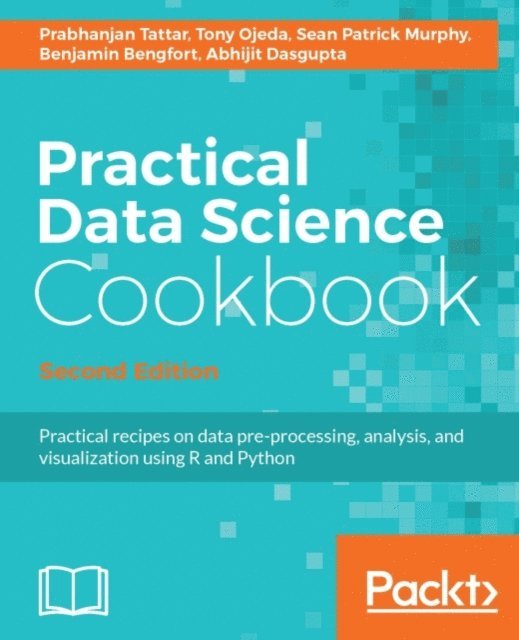
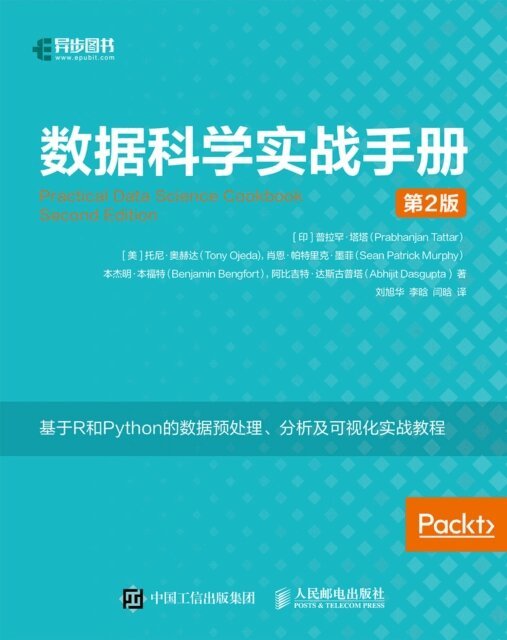
Over 85 recipes to help you complete real-world data science projects in R and Python
About This Book
Tackle every step in the data science pipeline and use it to acquire, clean, analyze, and visualize your dataGet beyond the theory and implement real-world projects in data science using R and PythonEasy-to-follow recipes will help you understand and implement the numerical computing conceptsWho This Book Is For
If you are an aspiring data scientist who wants to learn data science and numerical programming concepts through hands-on, real-world project examples, this is the book for you. Whether you are brand new to data science or you are a seasoned expert, you will benefit from learning about the structure of real-world data science projects and the programming examples in R and Python.
What You Will Learn
Learn and understand the installation procedure and environment required for R and Python on various platformsPrepare data for analysis by implement various data science concepts such as acquisition, cleaning and munging through R and PythonBuild a predictive model and an exploratory modelAnalyze the results of your model and create reports on the acquired dataBuild various tree-based methods and Build random forestIn Detail
As increasing amounts of data are generated each year, the need to analyze and create value out of it is more important than ever. Companies that know what to do with their data and how to do it well will have a competitive advantage over companies that don''t. Because of this, there will be an increasing demand for people that possess both the analytical and technical abilities to extract valuable insights from data and create valuable solutions that put those insights to use.
Starting with the basics, this book covers how to set up your numerical programming environment, introduces you to the data science pipeline, and guides you through several data projects in a step-by-step format. By sequentially working through the steps in each chapter, you will quickly familiarize yourself with the process and learn how to apply it to a variety of situations with examples using the two most popular programming languages for data analysis—R and Python.
Style and approach
This step-by-step guide to data science is full of hands-on examples of real-world data science tasks. Each recipe focuses on a particular task involved in the data science pipeline, ranging from readying the dataset to analytics and visualization
670 kr
Skickas inom 5-8 vardagar
730 kr
Skickas inom 5-8 vardagar
527 kr
Läs direkt efter köp
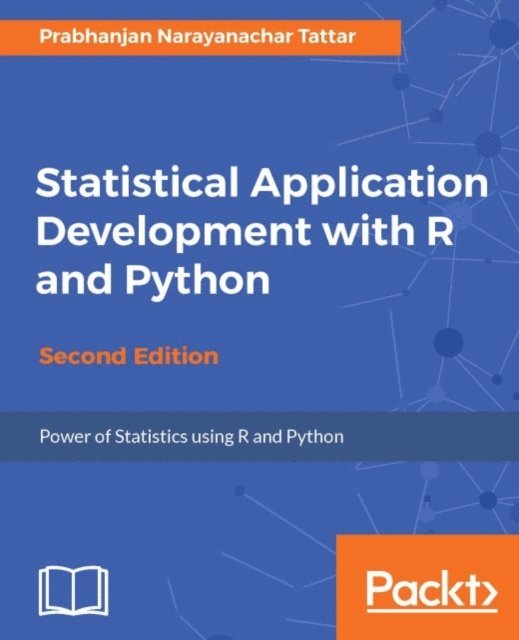
Software Implementation Illustrated with R and Python
About This Book
Learn the nature of data through software which takes the preliminary concepts right away using R and Python.Understand data modeling and visualization to perform efficient statistical analysis with this guide.Get well versed with techniques such as regression, clustering, classification, support vector machines and much more to learn the fundamentals of modern statistics.Who This Book Is For
If you want to have a brief understanding of the nature of data and perform advanced statistical analysis using both R and Python, then this book is what you need. No prior knowledge is required. Aspiring data scientist, R users trying to learn Python and vice versa
What You Will Learn
Learn the nature of data through software with preliminary concepts right away in RRead data from various sources and export the R output to other softwarePerform effective data visualization with the nature of variables and rich alternative optionsDo exploratory data analysis for useful first sight understanding building up to the right attitude towards effective inferenceLearn statistical inference through simulation combining the classical inference and modern computational powerDelve deep into regression models such as linear and logistic for continuous and discrete regressands for forming the fundamentals of modern statisticsIntroduce yourself to CART – a machine learning tool which is very useful when the data has an intrinsic nonlinearityIn Detail
Statistical Analysis involves collecting and examining data to describe the nature of data that needs to be analyzed. It helps you explore the relation of data and build models to make better decisions.
This book explores statistical concepts along with R and Python, which are well integrated from the word go. Almost every concept has an R code going with it which exemplifies the strength of R and applications. The R code and programs have been further strengthened with equivalent Python programs. Thus, you will first understand the data characteristics, descriptive statistics and the exploratory attitude, which will give you firm footing of data analysis. Statistical inference will complete the technical footing of statistical methods. Regression, linear, logistic modeling, and CART, builds the essential toolkit. This will help you complete complex problems in the real world.
You will begin with a brief understanding of the nature of data and end with modern and advanced statistical models like CART. Every step is taken with DATA and R code, and further enhanced by Python.
The data analysis journey begins with exploratory analysis, which is more than simple, descriptive, data summaries. You will then apply linear regression modeling, and end with logistic regression, CART, and spatial statistics.
By the end of this book you will be able to apply your statistical learning in major domains at work or in your projects.
Style and approach
Developing better and smarter ways to analyze data. Making better decisions/future predictions. Learn how to explore, visualize and perform statistical analysis. Better and efficient statistical and computational methods. Perform practical examples to master your learning
670 kr
Skickas inom 5-8 vardagar
457 kr
Läs direkt efter köp
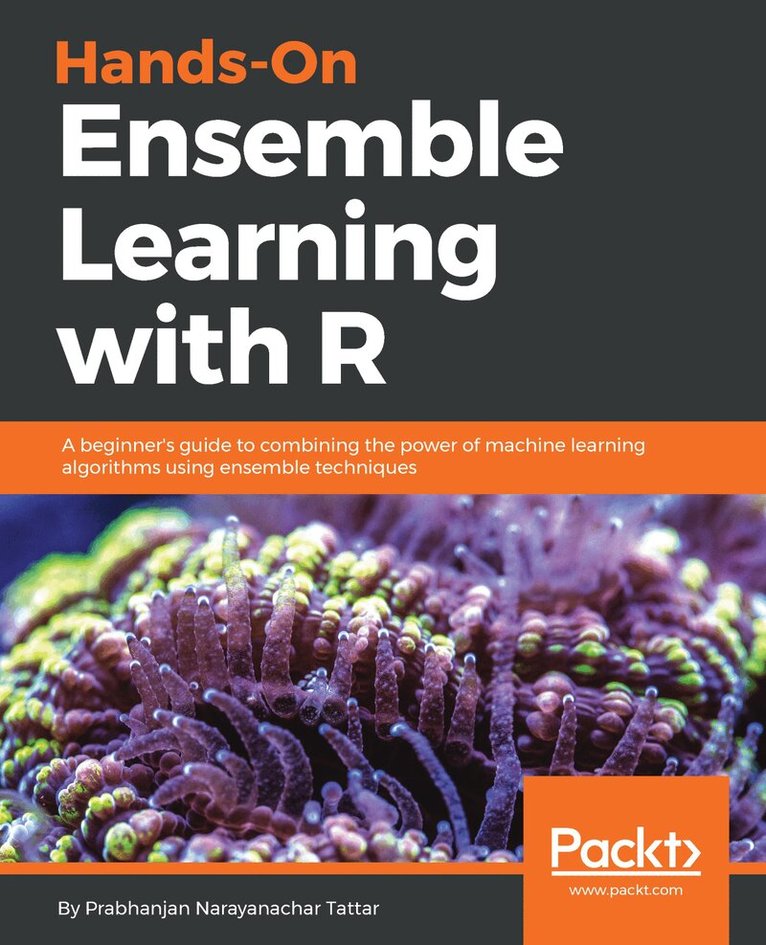
Explore powerful R packages to create predictive models using ensemble methods
Key Features
Implement machine learning algorithms to build ensemble-efficient modelsExplore powerful R packages to create predictive models using ensemble methodsLearn to build ensemble models on large datasets using a practical approachBook Description
Ensemble techniques are used for combining two or more similar or dissimilar machine learning algorithms to create a stronger model. Such a model delivers superior prediction power and can give your datasets a boost in accuracy.
Hands-On Ensemble Learning with R begins with the important statistical resampling methods. You will then walk through the central trilogy of ensemble techniques – bagging, random forest, and boosting – then you''ll learn how they can be used to provide greater accuracy on large datasets using popular R packages. You will learn how to combine model predictions using different machine learning algorithms to build ensemble models. In addition to this, you will explore how to improve the performance of your ensemble models.
By the end of this book, you will have learned how machine learning algorithms can be combined to reduce common problems and build simple efficient ensemble models with the help of real-world examples.
What you will learn
Carry out an essential review of re-sampling methods, bootstrap, and jackknifeExplore the key ensemble methods: bagging, random forests, and boostingUse multiple algorithms to make strong predictive modelsEnjoy a comprehensive treatment of boosting methodsSupplement methods with statistical tests, such as ROCWalk through data structures in classification, regression, survival, and time series dataUse the supplied R code to implement ensemble methodsLearn stacking method to combine heterogeneous machine learning modelsWho this book is for
This book is for you if you are a data scientist or machine learning developer who wants to implement machine learning techniques by building ensemble models with the power of R. You will learn how to combine different machine learning algorithms to perform efficient data processing. Basic knowledge of machine learning techniques and programming knowledge of R would be an added advantage.
441 kr
Läs direkt efter köp
John Wiley and Sons Ltd
1 346 kr
Tillfälligt slut