550 kr
Skickas
550 kr
Skickas
820 kr
Skickas inom 10-15 vardagar
844 kr
Skickas inom 5-8 vardagar
315 kr
Skickas inom 5-8 vardagar
535 kr
Läs direkt efter köp
1 279 kr
Skickas inom 3-6 vardagar
629 kr
Skickas inom 5-8 vardagar
604 kr
Skickas inom 5-8 vardagar
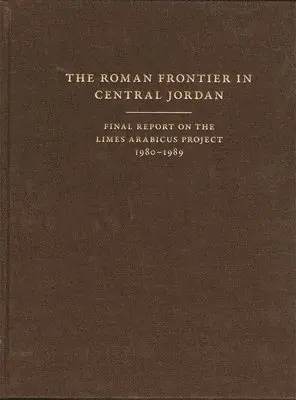
Final Report on the Limes Arabicus Project, 1980–1989
1 108 kr
Skickas inom 5-8 vardagar
176 kr
Skickas inom 5-8 vardagar
356 kr
Skickas inom 5-8 vardagar
199 kr
Skickas inom 5-8 vardagar
356 kr
Skickas inom 5-8 vardagar
200 kr
Skickas inom 5-8 vardagar
558 kr
Skickas inom 5-8 vardagar
426 kr
Skickas inom 5-8 vardagar
356 kr
Skickas inom 5-8 vardagar
382 kr
Skickas inom 5-8 vardagar
359 kr
Skickas inom 5-8 vardagar
367 kr
Skickas inom 5-8 vardagar
185 kr
Skickas inom 5-8 vardagar
216 kr
Skickas inom 5-8 vardagar
209 kr
Skickas inom 5-8 vardagar
199 kr
Skickas inom 5-8 vardagar
415 kr
Skickas inom 5-8 vardagar
296 kr
Skickas inom 5-8 vardagar
236 kr
Skickas inom 3-6 vardagar
1 083 kr
Läs direkt efter köp
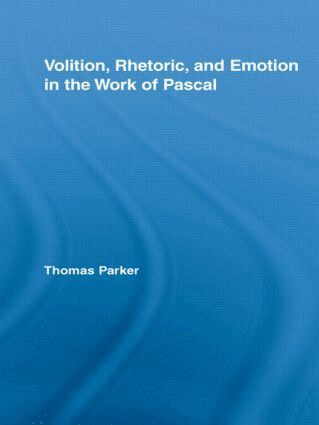
This study identifies and analyzes a compelling theory and practice of persuasion that integrates the complexity of human desire. It demonstrates how the philosophical component in Pascal''s description of the will makes a seamless integration into a vehicle of persuasion and poetics, providing a privileged viewpoint for understanding the author''s complete works, arguing that the notion of will is of fundamental importance in Pascal''s anthropology as well as in his rhetoric. This avenue of interpretation is both fruitful and difficult, because the word "volonte" means very different things in Pascal and in modern French. Beginning by contextualizing the notion of ''volonte'' and explaining its expanded use in the seventeenth-century lexicon, the author then endeavors to show that Pascal borrows an essentially Augustinian paradigm of desire to create a depiction of the will divided against itself, surreptitiously yearning for what its bearer does not want.
1 091 kr
Läs direkt efter köp
This study identifies and analyzes a compelling theory and practice of persuasion that integrates the complexity of human desire. It demonstrates how the philosophical component in Pascal''s description of the will makes a seamless integration into a vehicle of persuasion and poetics, providing a privileged viewpoint for understanding the author''s complete works, arguing that the notion of will is of fundamental importance in Pascal''s anthropology as well as in his rhetoric. This avenue of interpretation is both fruitful and difficult, because the word "volonte" means very different things in Pascal and in modern French. Beginning by contextualizing the notion of ''volonte'' and explaining its expanded use in the seventeenth-century lexicon, the author then endeavors to show that Pascal borrows an essentially Augustinian paradigm of desire to create a depiction of the will divided against itself, surreptitiously yearning for what its bearer does not want.
294 kr
Skickas inom 5-8 vardagar