Advances in Environmental Microbiology – serie
Visar alla böcker i serien Advances in Environmental Microbiology. Handla med fri frakt och snabb leverans.
17 produkter
17 produkter
2 117 kr
Skickas inom 10-15 vardagar
This book summarizes current advances in our understanding of how infectious disease represents an ecological interaction between a pathogenic microorganism and the host species in which that microbe causes illness.The contributing authors explain that pathogenic microorganisms often also have broader ecological connections, which can include a natural environmental presence; possible transmission by vehicles such as air, water, and food; and interactions with other host species, including vectors for which the microbe either may or may not be pathogenic.This field of science has been dubbed disease ecology, and the chapters that examine it have been grouped into three sections. The first section introduces both the role of biological community interactions and the impact of biodiversity on infectious disease. In turn, the second section considers those diseases directly affecting humans, with a focus on waterborne and foodborne illnesses, while also examining the critical aspect of microbial biofilms. Lastly, the third section presents the ecology of infectious diseases from the perspective of their impact on mammalian livestock and wildlife as well as on humans. Given its breadth of coverage, the volume offers a valuable resource for microbial ecologists and biomedical scientists alike.
1 589 kr
Skickas inom 10-15 vardagar
This book presents a summary of terrestrial microbial processes, which are a key factor in supporting healthy life on our planet. The authors explain how microorganisms maintain the soil ecosystem through recycling carbon and nitrogen and then provide insights into how soil microbiology processes integrate into ecosystem science, helping to achieve successful bioremediation as well as safe and effective operation of landfills, and enabling the design of composting processes that reduce the amount of waste that is placed in landfills. The book also explores the effect of human land use, including restoration on soil microbial communities and the response of wetland microbial communities to anthropogenic pollutants. Lastly it discusses the role of fungi in causing damaging, and often lethal, infectious diseases in plants and animals.
1 906 kr
Skickas inom 10-15 vardagar
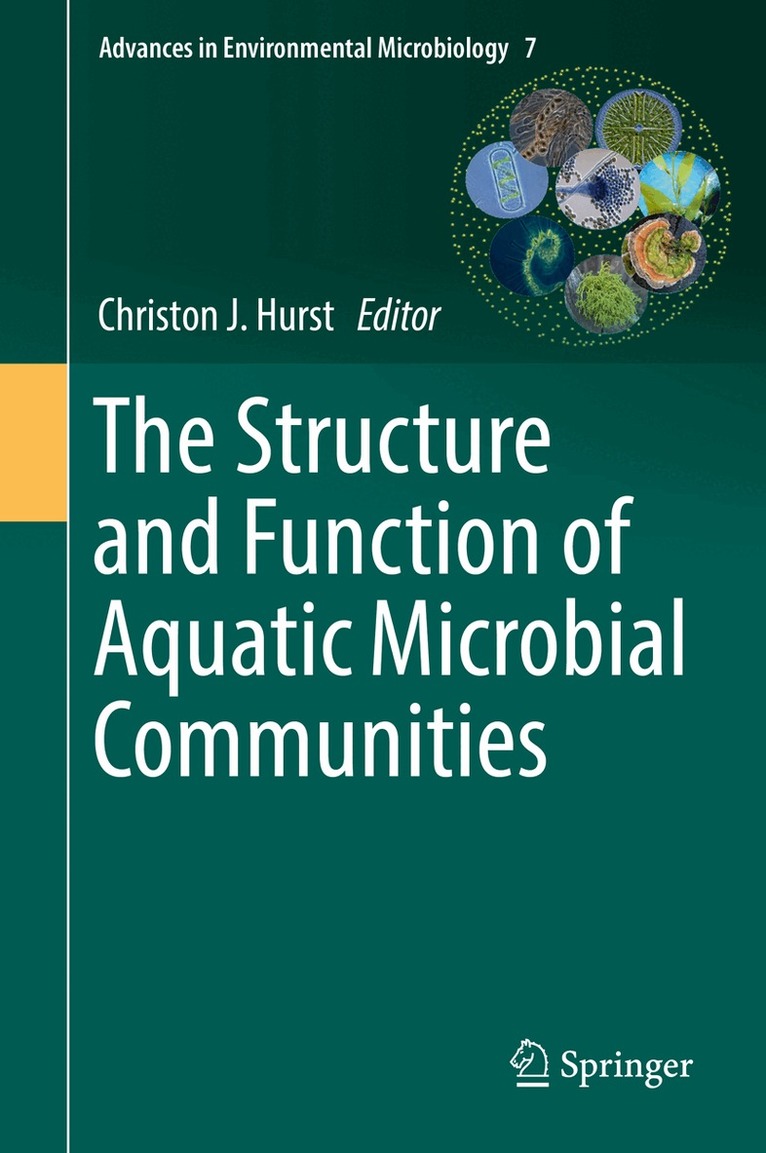
This book discusses how aquatic microbial communities develop interactive metabolic coordination both within and between species to optimize their energetics. It explains that microbial community structuration often includes functional stratification among a multitude of organisms that variously exist either suspended in the water, lodged in sediments, or bound to one another as biofilms on solid surfaces. The authors describe techniques that can be used for preparing and distributing microbiologically safe drinking water, which presents the challenge of successfully removing the pathogenic members of the aquatic microbial community and then safely delivering that water to consumers. Drinking water distribution systems have their own microbial ecology, which we must both understand and control in order to maintain the safety of the water supply. Since studying aquatic microorganisms often entails identifying them, the book also discusses techniques for successfully isolating and cultivating bacteria. As such, it appeals to microbiologists, microbial ecologists and water quality scientists.
1 800 kr
Skickas inom 10-15 vardagar
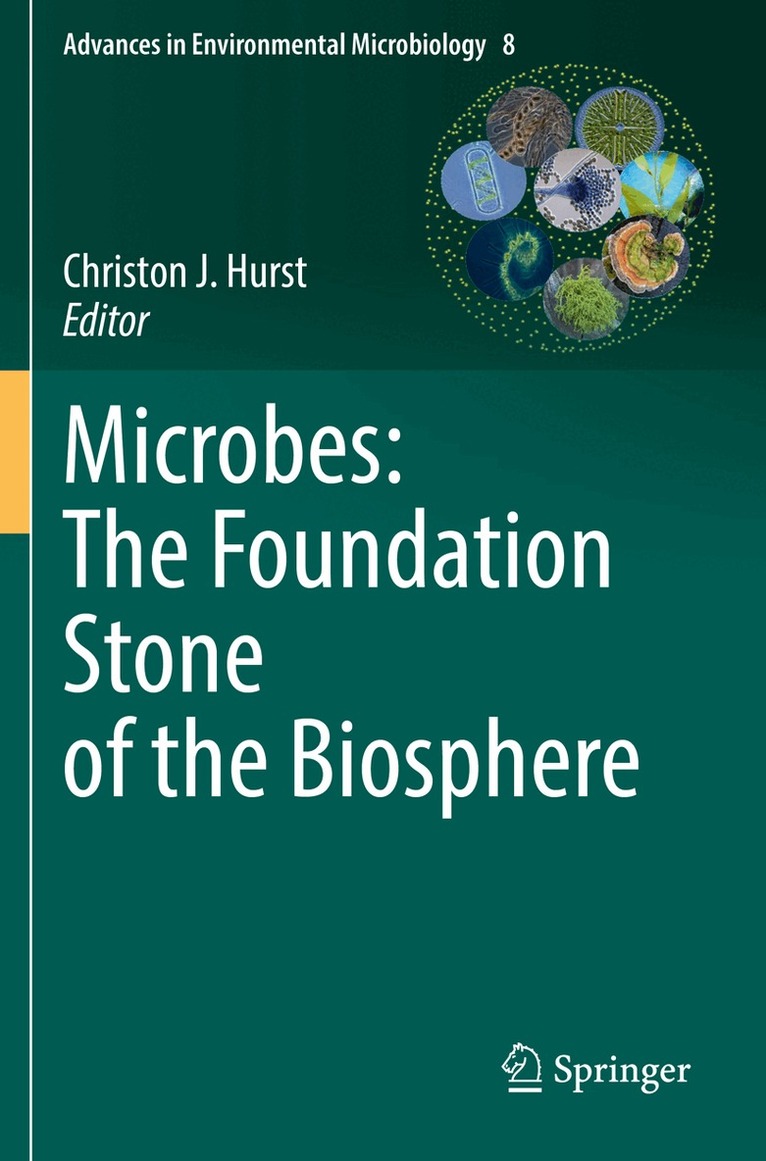
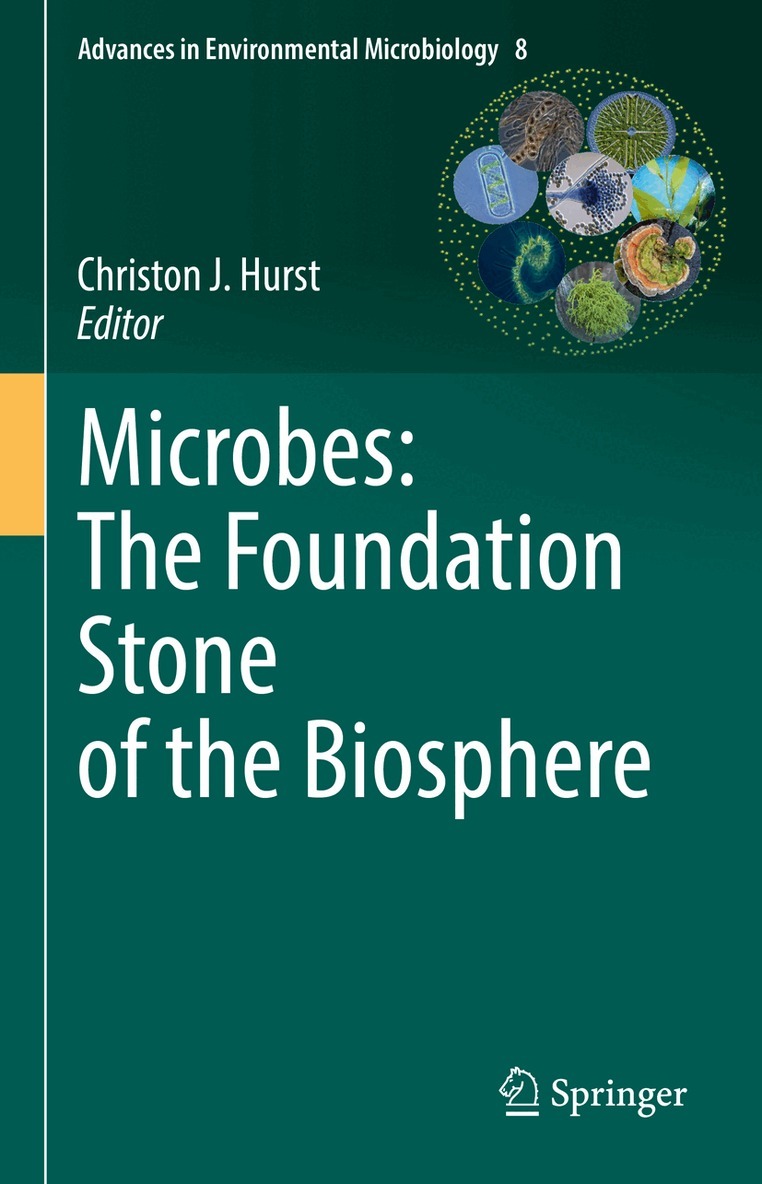
This collection of essays discusses fascinating aspects of the concept that microbes are at the root of all ecosystems. Part II explains the ways in which microbial life persists in some of the most extreme environments, while Part III presents our understanding of the core aspects of microbial metabolism.
1 800 kr
Skickas inom 10-15 vardagar
This collection of essays discusses fascinating aspects of the concept that microbes are at the root of all ecosystems. Part II explains the ways in which microbial life persists in some of the most extreme environments, while Part III presents our understanding of the core aspects of microbial metabolism.
1 800 kr
Skickas inom 10-15 vardagar
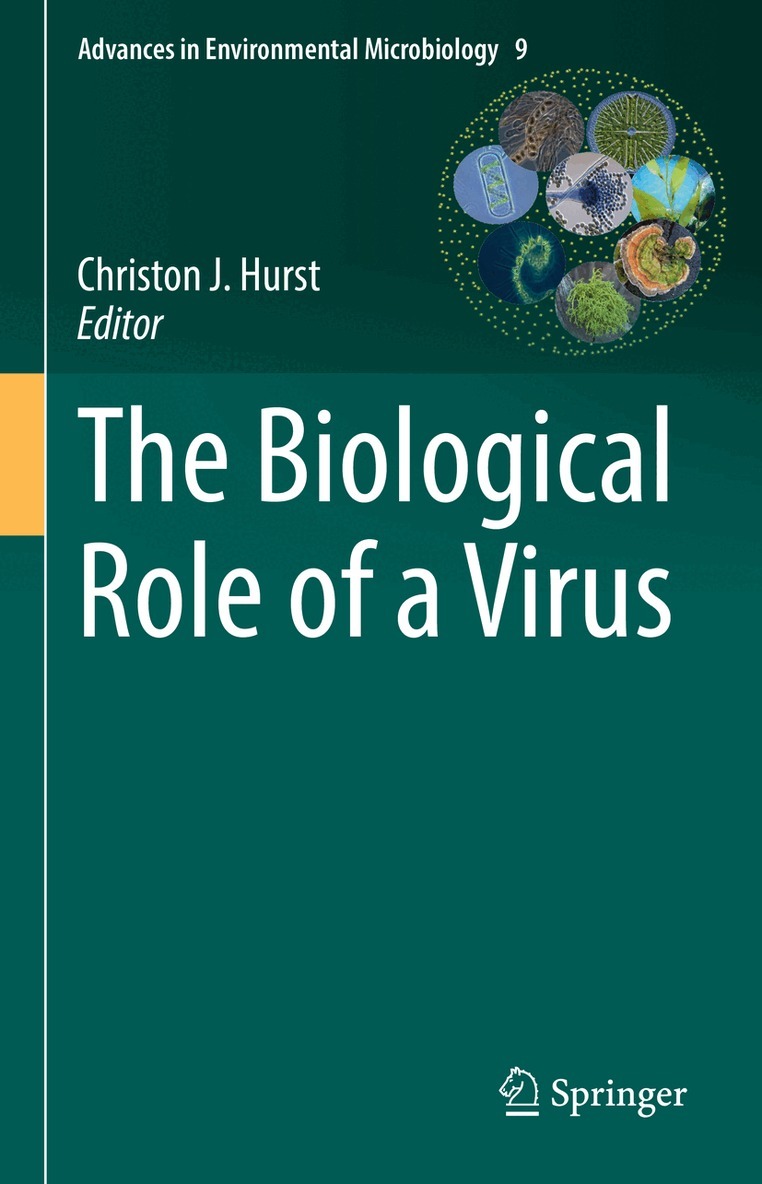
This book answers the question “What is it that viruses do?” by presenting three aspects of viral ecology. The first aspect explains how viruses affect the population diversity and energetics of their host communities.
1 176 kr
Skickas inom 5-8 vardagar
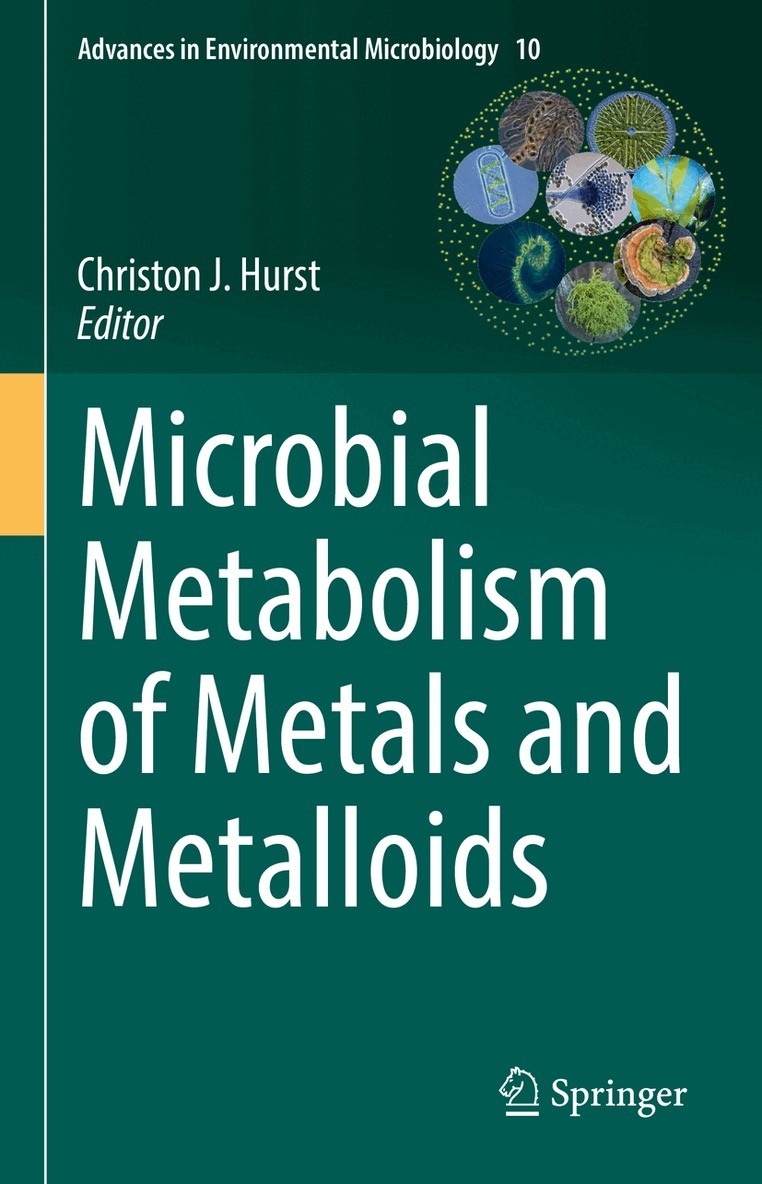
This book explains the metabolic processes by which microbes obtain and control the intracellular availability of their required metal and metalloid ions.
1 176 kr
Skickas inom 5-8 vardagar
This book explains the metabolic processes by which microbes obtain and control the intracellular availability of their required metal and metalloid ions.
1 589 kr
Skickas inom 10-15 vardagar
This volume summarizes recent advances in our understanding of the mechanisms that produce successful symbiotic partnerships involving microorganisms. It begins with a basic introduction to the nature of and mechanistic benefits derived from symbiotic associations. Taking that background knowledge as the starting point, the next sections include chapters that examine representative examples of coevolutionary associations that have developed between species of microbes, as well as associations between microbes and plants. The authors conclude with a section covering a broad range of associations between microbes and invertebrate animals, in which they discuss the spectrum of hosts, with examples ranging from bryozoans and corals to nematodes, arthropods, and cephalopods. Join the authors on this journey of understanding!
1 589 kr
Skickas inom 10-15 vardagar
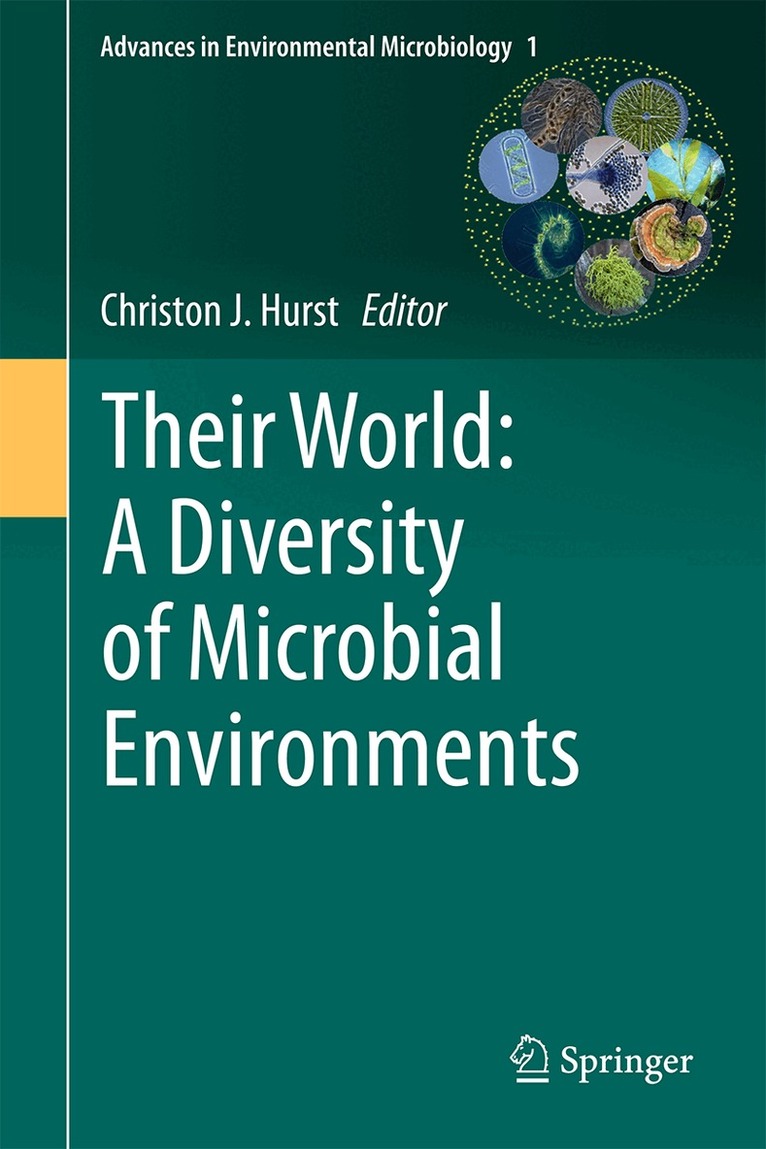
This volume summarizes recent advances in environmental microbiology by providing fascinating insights into the diversity of microbial life that exists on our planet. The first two chapters present theoretical perspectives that help to consolidate our understanding of evolution as an adaptive process by which the niche and habitat of each species develop in a manner that interconnects individual components of an ecosystem. This results in communities that function by simultaneously coordinating their metabolic and physiologic actions. The third contribution addresses the fossil record of microorganisms, and the subsequent chapters then introduce the microbial life that currently exists in various terrestrial and aquatic ecosystems. Coverage of the geosphere addresses endolithic organisms, life in caves and the deep continental biosphere, including how subsurface microbial life may impact spent nuclear fuel repositories. The discussion of the hydrosphere includes hypersaline environments and arctic food chains. By better understanding examples from the micro biosphere, we can elucidate the many ways in which the niches of different species, both large and small, interconnect within the overlapping habitats of this world, which is governed by its microorganisms.
1 589 kr
Skickas inom 10-15 vardagar
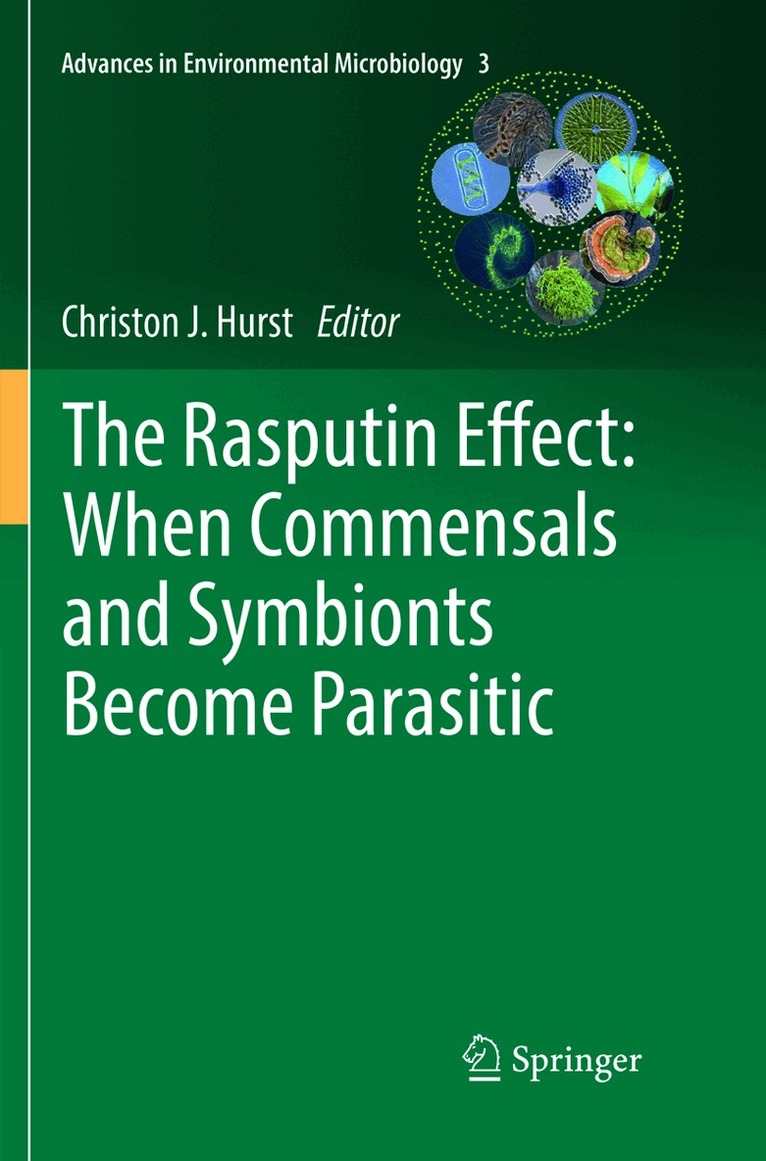
This volume focuses on those instances when benign and even beneficial relationships between microbes and their hosts opportunistically change and become detrimental toward the host. It examines the triggering events which can factor into these changes, such as reduction in the host’s capacity for mounting an effective defensive response due to nutritional deprivation, coinfections and seemingly subtle environmental influences like the amounts of sunlight, temperature, and either water or air quality. The effects of environmental changes can be compounded when they necessitate a physical relocation of species, in turn changing the probability of encounter between microbe and host. The change also can result when pathogens, including virus species, either have modified the opportunist or attacked the host’s protective natural microflora. The authors discuss these opportunistic interactions and assess their outcomes in both aquatic as well as terrestrial ecosystems, highlighting the impact on plant, invertebrate and vertebrate hosts.
Del 4 - Advances in Environmental Microbiology
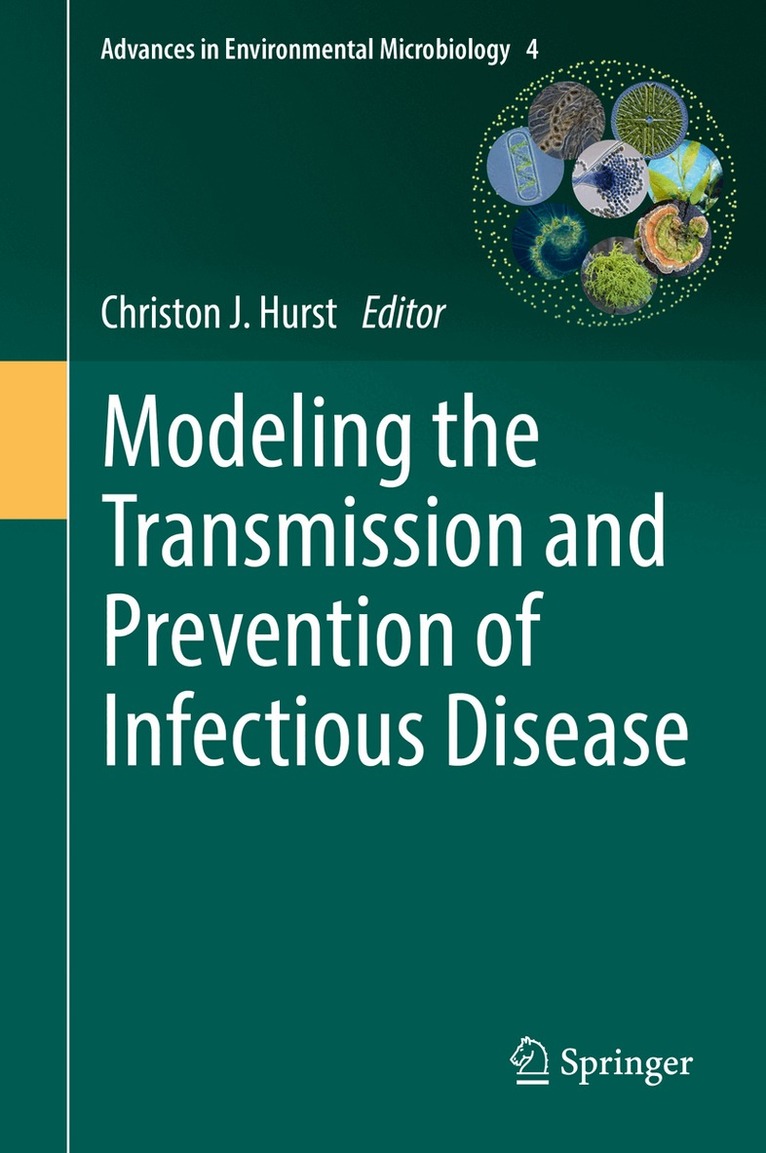
Modeling the Transmission and Prevention of Infectious Disease
Inbunden, Engelska, 2017
1 637 kr
Skickas inom 10-15 vardagar
This volume focuses on blocking disease transmission and the ecological perspective of pathogens and pathogenic processes. The chapters on blocking transmission cover the environmental safety of space flight, biocides and biocide resistance, as well as infection control in healthcare facilities. The book also offers insights into the ecological aspects of infectious disease, introducing the reader to the role of indigenous gut microbiota in maintaining human health and current discussions on environmentally encountered bacterial and fungal pathogens including species that variously cause the necrotizing skin disease Buruli ulcer and coccidioidomycosis. Further, it explores the influenza A virus as an example for understanding zoonosis. It is a valuable resource for microbiologists and biomedical scientists alike.
1 589 kr
Skickas inom 10-15 vardagar
Taking that background knowledge as the starting point, the next sections include chapters that examine representative examples of coevolutionary associations that have developed between species of microbes, as well as associations between microbes and plants.
1 589 kr
Skickas inom 10-15 vardagar
This volume summarizes recent advances in environmental microbiology by providing fascinating insights into the diversity of microbial life that exists on our planet.
1 589 kr
Skickas inom 10-15 vardagar
This volume focuses on those instances when benign and even beneficial relationships between microbes and their hosts opportunistically change and become detrimental toward the host.
Del 4 - Advances in Environmental Microbiology
Modeling the Transmission and Prevention of Infectious Disease
Häftad, Engelska, 2018
1 202 kr
Skickas inom 10-15 vardagar
This volume focuses on blocking disease transmission and the ecological perspective of pathogens and pathogenic processes. The chapters on blocking transmission cover the environmental safety of space flight, biocides and biocide resistance, as well as infection control in healthcare facilities. The book also offers insights into the ecological aspects of infectious disease, introducing the reader to the role of indigenous gut microbiota in maintaining human health and current discussions on environmentally encountered bacterial and fungal pathogens including species that variously cause the necrotizing skin disease Buruli ulcer and coccidioidomycosis. Further, it explores the influenza A virus as an example for understanding zoonosis. It is a valuable resource for microbiologists and biomedical scientists alike.
2 117 kr
Skickas inom 10-15 vardagar
This book summarizes current advances in our understanding of how infectious disease represents an ecological interaction between a pathogenic microorganism and the host species in which that microbe causes illness.The contributing authors explain that pathogenic microorganisms often also have broader ecological connections, which can include a natural environmental presence; possible transmission by vehicles such as air, water, and food; and interactions with other host species, including vectors for which the microbe either may or may not be pathogenic.This field of science has been dubbed disease ecology, and the chapters that examine it have been grouped into three sections. The first section introduces both the role of biological community interactions and the impact of biodiversity on infectious disease. In turn, the second section considers those diseases directly affecting humans, with a focus on waterborne and foodborne illnesses, while also examining the critical aspect of microbial biofilms. Lastly, the third section presents the ecology of infectious diseases from the perspective of their impact on mammalian livestock and wildlife as well as on humans. Given its breadth of coverage, the volume offers a valuable resource for microbial ecologists and biomedical scientists alike.