Advances in Neural Engineering - Böcker
1 841 kr
Skickas inom 7-10 vardagar
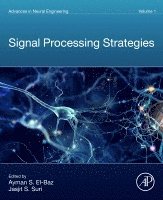
Neural engineering is an emerging and fast-moving interdisciplinary research area that combines engineering with (a) electronic and photonic technologies, (b) computer science, (c) physics, (d) chemistry, (e) mathematics, and (f) cellular, molecular, cognitive, and behavioral neuroscience. This helps us understand the organizational principles and underlying mechanisms of the biology of neural systems and to further to study the behavioral dynamics and complexity of neural systems in nature. The field of neural engineering deals with many aspects of basic and clinical problems associated with neural dysfunction, including (i) the representation of sensory and motor information, (ii) electrical stimulation of the neuromuscular system to control muscle activation and movement, (iii) the analysis and visualization of complex neural systems at multiscale from the single cell to system levels to understand the underlying mechanisms, (iv) development of novel electronic and photonic devices and techniques for experimental probing, the neural simulation studies, (v) the design and development of human-machine interface systems and artificial vision sensors, and (vi) neural prosthesis to restore and enhance the impaired sensory and motor systems and functions. To highlight this emerging discipline, Dr. Ayman El-Baz and Dr. Jasjit Suri have developed Advances in Neural Engineering, covering the broad spectrum of neural engineering subfields and applications. This Series includes 7 volumes in the following order: Volume 1: Signal Processing Strategies, Volume 2: Brain-Computer Interfaces, Volume 3: Diagnostic Imaging Systems, Volume 4: Brain Pathologies and Disorders, Volume 5: Computing and Data Technologies, Volume 6: Advanced Brain Imaging Techniques and Volume 7: Neural Science Ethics. Volume 1 provides a comprehensive review of dominant feature extraction methods and classification algorithms in the brain-computer interfaces for motor imagery tasks. The authors discuss existing challenges in the domain of motor imagery brain-computer interface and suggest possible research directions.
Presents Neural Engineering techniques applied to Signal Processing, including featureextraction methods and classification algorithms in BCI for motor imagery tasksIncludes in-depth technical coverage of disruptive neurocircuitry, including neurocircuitry of stress integration, role of basal ganglia neurocircuitry in pathology of psychiatric disorders, and neurocircuitry of anxiety in obsessive-compulsive disorderCovers neural signal processing data analysis and neuroprosthetics applications, including EEG-based BCI paradigms, EEG signal processing in anesthesia, neural networks for intelligent signal processing, and a variety of neuroprosthetic applicationsWritten by engineers to help engineers, computer scientists, researchers, and clinicians understand the technology and applications of signal processing1 841 kr
Skickas inom 7-10 vardagar
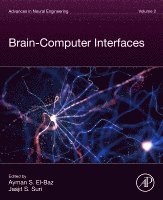
Advances in Neural Engineering: Brain-Computer Interfaces, Volume Two covers the broad spectrum of neural engineering subfields and applications. The set provides a comprehensive review of dominant feature extraction methods and classification algorithms in the brain-computer interfaces for motor imagery tasks. The book's authors discuss existing challenges in the domain of motor imagery brain-computer interface and suggest possible research directions. The field of neural engineering deals with many aspects of basic and clinical problems associated with neural dysfunction, including sensory and motor information, stimulation of the neuromuscular system to control muscle activation and movement, analysis and visualization of complex neural systems, and more.
Presents Neural Engineering techniques applied to Signal Processing, including feature extraction methods and classification algorithms in BCI for motor imagery tasksIncludes in-depth technical coverage of disruptive neurocircuitry, including neurocircuitry of stress integration, role of basal ganglia neurocircuitry in pathology of psychiatric disorders, and neurocircuitry of anxiety in obsessive-compulsive disorderCovers neural signal processing data analysis and neuroprosthetics applications, including EEG-based BCI paradigms, EEG signal processing in anesthesia, neural networks for intelligent signal processing, and a variety of neuroprosthetic applicationsWritten by engineers to help engineers, computer scientists, researchers, and clinicians understand the technology and applications of signal processing1 891 kr
Kommande
Neural engineering is an emerging and fast-moving interdisciplinary research area that combines engineering with (a) electronic and photonic technologies, (b) computer science, (c) physics, (d) chemistry, (e) mathematics, and (f) cellular, molecular, cognitive, and behavioral neuroscience. This helps us understand the organizational principles and underlying mechanisms of the biology of neural systems and to further to study the behavioral dynamics and complexity of neural systems in nature.The field of neural engineering deals with many aspects of basic and clinical problems associated with neural dysfunction, including (i) the representation of sensory and motor information, (ii) electrical stimulation of the neuromuscular system to control muscle activation and movement, (iii) the analysis and visualization of complex neural systems at multiscale from the single cell to system levels to understand the underlying mechanisms, (iv) development of novel electronic and photonic devices and techniques for experimental probing, the neural simulation studies, (v) the design and development of human-machine interface systems and artificial vision sensors, and (vi) neural prosthesis to restore and enhance the impaired sensory and motor systems and functions.To highlight this emerging discipline, Dr. Ayman El-Baz and Dr. Jasjit Suri have developed Advances in Neural Engineering, covering the broad spectrum of neural engineering subfields and applications. This Series includes 7 volumes in the following order: Volume 1: Signal Processing Strategies, Volume 2: Brain-Computer Interfaces, Volume 3: Diagnostic Imaging Systems, Volume 4: Brain Pathologies and Disorders, Volume 5: Computing and Data Technologies, Volume 6: Advanced Brain Imaging Techniques and Volume 7: Neural Science Ethics.Volume 3 provides a comprehensive review of diagnostic imaging systems and technologies, including brain tumor characterization and classification techniques, tumor segmentation using AI and deep neural networks, dynamic brain imaging analysis, and functional brain imaging. The authors discuss existing challenges in the domain of diagnostic imaging systems and suggest possible research directions.
Presents Neural Engineering techniques applied to diagnostic imaging systems, brain tumor characterization, brain tumor classification, tumor segmentation, dynamic brain imaging, and functional brain imaging.Covers neural imaging data analysis, including brain tumor classification with Deep Learning, segmentation using MRI with Deep Neural Networks, and Machine Learning algorithms for identifying risks of complications.Written by engineers to help engineers, computer scientists, researchers, and clinicians understand the technology and applications of signal processing.1 891 kr
Kommande
Neural engineering is an emerging and fast-moving interdisciplinary research area that combines engineering with (a) electronic and photonic technologies, (b) computer science, (c) physics, (d) chemistry, (e) mathematics, and (f) cellular, molecular, cognitive, and behavioral neuroscience. This helps us understand the organizational principles and underlying mechanisms of the biology of neural systems and to further to study the behavioral dynamics and complexity of neural systems in nature.The field of neural engineering deals with many aspects of basic and clinical problems associated with neural dysfunction, including (i) the representation of sensory and motor information, (ii) electrical stimulation of the neuromuscular system to control muscle activation and movement, (iii) the analysis and visualization of complex neural systems at multiscale from the single cell to system levels to understand the underlying mechanisms, (iv) development of novel electronic and photonic devices and techniques for experimental probing, the neural simulation studies, (v) the design and development of human-machine interface systems and artificial vision sensors, and (vi) neural prosthesis to restore and enhance the impaired sensory and motor systems and functions.To highlight this emerging discipline, Dr. Ayman El-Baz and Dr. Jasjit Suri have developed Advances in Neural Engineering, covering the broad spectrum of neural engineering subfields and applications. This Series includes 7 volumes in the following order: Volume 1: Signal Processing Strategies, Volume 2: Brain-Computer Interfaces, Volume 3: Diagnostic Imaging Systems, Volume 4: Brain Pathologies and Disorders, Volume 5: Computing and Data Technologies, Volume 6: Advanced Brain Imaging Techniques and Volume 7: Neural Science Ethics.Volume 4 provides a comprehensive review of brain pathologies and disorders, including Parkinson’s Disease, Alzheimer’s Disease, Attention-Deficit/Hyperactivity Disorder, and Tourette’s Syndrome. The authors discuss existing challenges in the domain of diagnosis, detection, analysis, treatment modalities, as well as possible research directions.
Presents Neural Engineering techniques applied to a variety of brain pathologies and disorders, including Parkinson’s Disease; Alzheimer’s Disease; ADHD; and Tourette’s Syndrome.Includes in-depth technical coverage of methods for detecting and diagnosing brain disorders, including PET, EEG, MRI, multimodal fusion techniques, and deep brain stimulation.Covers data analysis methods and algorithms such as neural networks, Machine Learning, AI, and nonlinear graph fusion.Written by engineers to help engineers, computer scientists, researchers, and clinicians understand the technology and applications of signal processing.