Advances in Vertebrate Paleobiology – serie
Visar alla böcker i serien Advances in Vertebrate Paleobiology. Handla med fri frakt och snabb leverans.
4 produkter
4 produkter
Inbunden, Engelska, 1998
2 705 kr
Skickas inom 10-15 vardagar
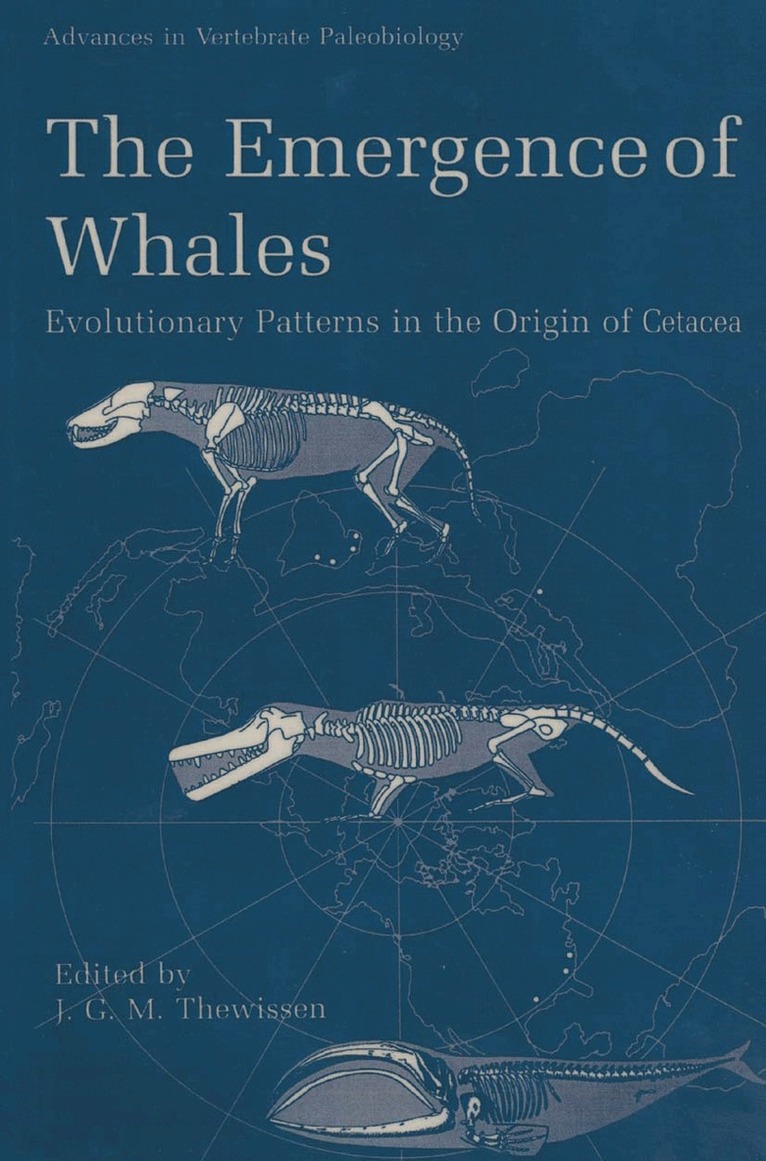
Research in whale origins is now in an explosive phase, with a cascade of discoveries adding to our understanding of the evolutionary pattern and a suite of new techniques being applied to address new questions. The objective of this volume is to provide a snapshot of this explosion. The volume paints the scene with a broad brush. Taken together the chapters clearly indicate that cetacean origins is a field that is dynamic, multidisciplinary, and that the end of the explosive phase is not in sight.
Inbunden, Engelska, 1999
2 166 kr
Skickas inom 10-15 vardagar
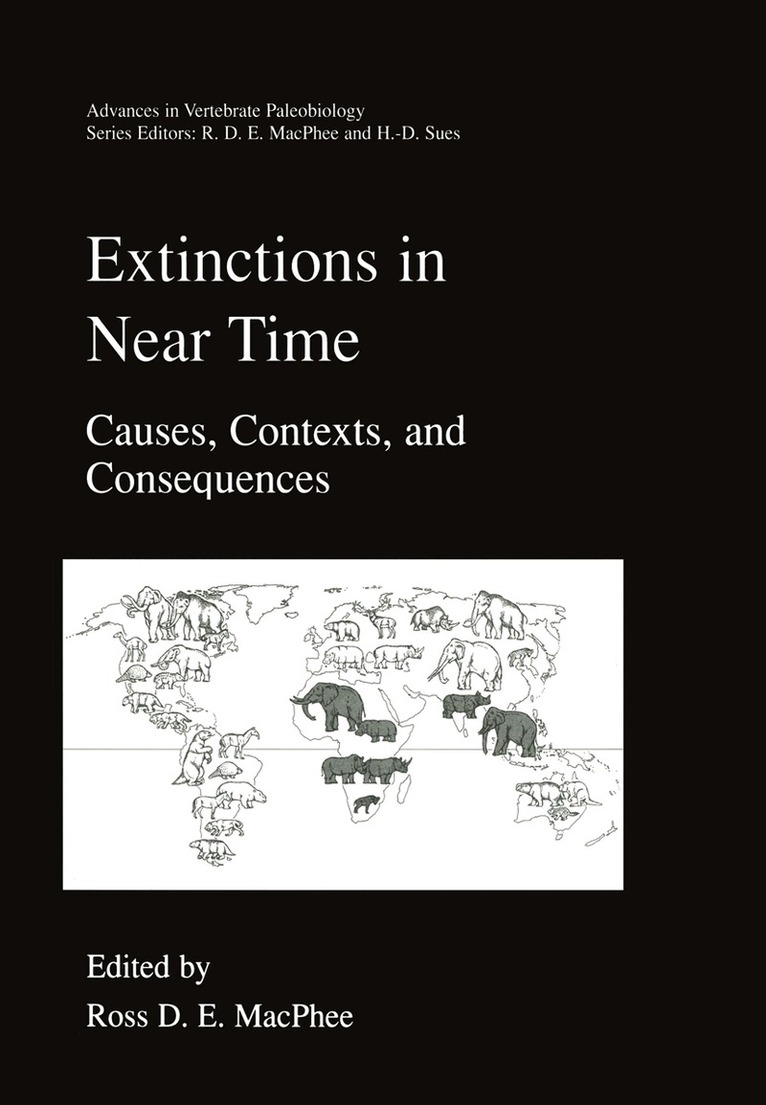
"Near time" -an interval that spans the last 100,000 years or so of earth history-qualifies as a remarkable period for many reasons. From an anthropocentric point of view, the out standing feature of near time is the fact that the evolution, cultural diversification, and glob al spread of Homo sapiens have all occurred within it. From a wider biological perspective, however, the hallmark of near time is better conceived of as being one of enduring, repeat ed loss. The point is important. Despite the sense of uniqueness implicit in phrases like "the biodiversity crisis," meant to convey the notion that the present bout of extinctions is by far the worst endured in recent times, substantial losses have occurred throughout near time. In the majority of cases, these losses occurred when, and only when, people began to ex pand across areas that had never before experienced their presence. Although the explana tion for these correlations in time and space may seem obvious, it is one thing to rhetori cally observe that there is a connection between humans and recent extinctions, and quite another to demonstrate it scientifically. How should this be done? Traditionally, the study of past extinctions has fallen largely to researchers steeped in such disciplines as paleontology, systematics, and paleoecology. The evaluation of future losses, by contrast, has lain almost exclusively within the domain of conservation biolo gists. Now, more than ever, there is opportunity for overlap and sharing of information.
Häftad, Engelska, 2010
2 166 kr
Skickas inom 10-15 vardagar
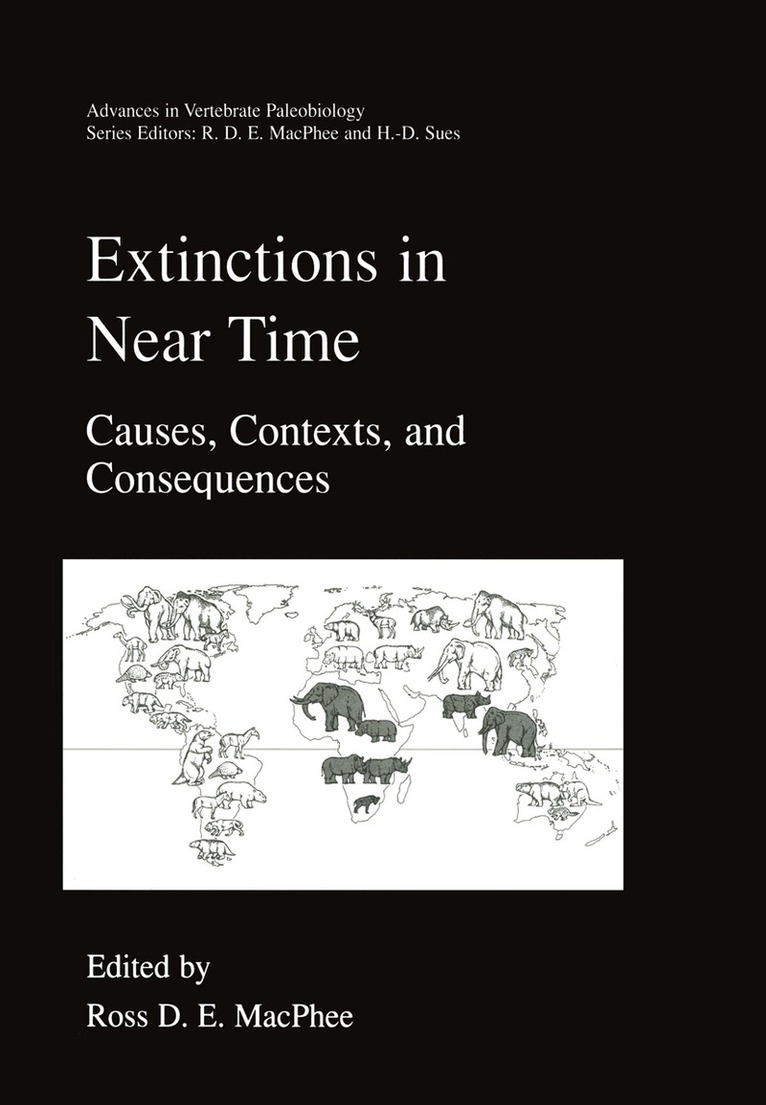
"Near time" -an interval that spans the last 100,000 years or so of earth history-qualifies as a remarkable period for many reasons. From an anthropocentric point of view, the out standing feature of near time is the fact that the evolution, cultural diversification, and glob al spread of Homo sapiens have all occurred within it. From a wider biological perspective, however, the hallmark of near time is better conceived of as being one of enduring, repeat ed loss. The point is important. Despite the sense of uniqueness implicit in phrases like "the biodiversity crisis," meant to convey the notion that the present bout of extinctions is by far the worst endured in recent times, substantial losses have occurred throughout near time. In the majority of cases, these losses occurred when, and only when, people began to ex pand across areas that had never before experienced their presence. Although the explana tion for these correlations in time and space may seem obvious, it is one thing to rhetori cally observe that there is a connection between humans and recent extinctions, and quite another to demonstrate it scientifically. How should this be done? Traditionally, the study of past extinctions has fallen largely to researchers steeped in such disciplines as paleontology, systematics, and paleoecology. The evaluation of future losses, by contrast, has lain almost exclusively within the domain of conservation biolo gists. Now, more than ever, there is opportunity for overlap and sharing of information.
Häftad, Engelska, 2013
2 705 kr
Skickas inom 10-15 vardagar
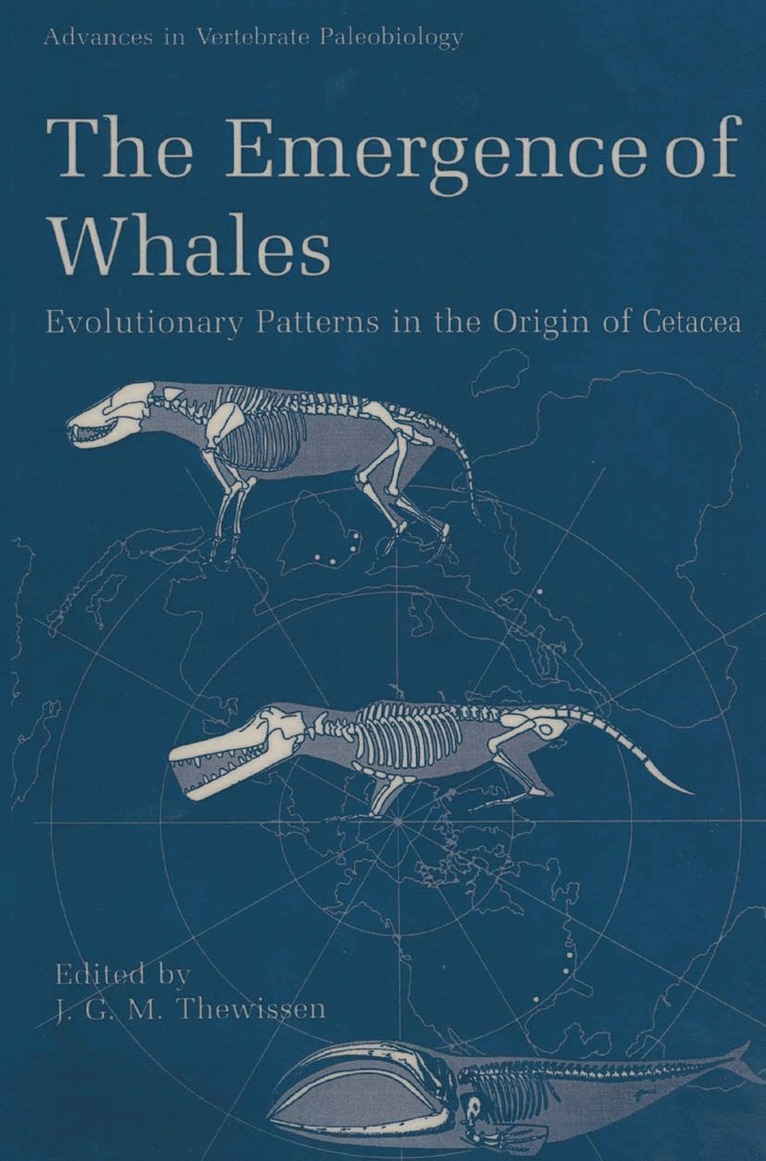
Research in whale origins is now in an explosive phase, with a cascade of discoveries adding to our understanding of the evolutionary pattern and a suite of new techniques being applied to address new questions. The objective of this volume is to provide a snapshot of this explosion. The volume paints the scene with a broad brush. Taken together the chapters clearly indicate that cetacean origins is a field that is dynamic, multidisciplinary, and that the end of the explosive phase is not in sight.