American History through Music – serie
Visar alla böcker i serien American History through Music. Handla med fri frakt och snabb leverans.
17 produkter
Music of the Great Depression
Av William H. Young, Nancy K. Young
E-bok, 2005
1010 kr
Lägg i varukorg
Prior to the stock market crash of 1929 American music still possessed a distinct tendency towards elitism, as songwriters and composers sought to avoid the mass appeal that critics scorned. During the Depression, however, radio came to dominate the other musical media of the time, and a new era of …
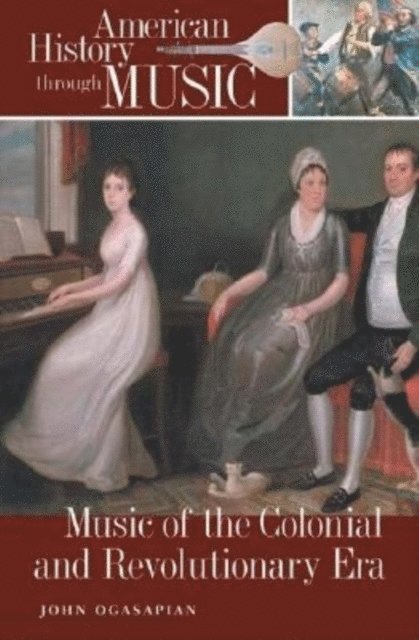
Music of the Colonial and Revolutionary Era
E-bok, 2004
883 kr
Lägg i varukorg
The colonial days of America marked not only the beginnings of a country, but also of a new culture, part of which was the first American music publishers, entrepreneurs, and instrument makers forging musical communities from New England to New Spain. Elements of British, Spanish, German, …
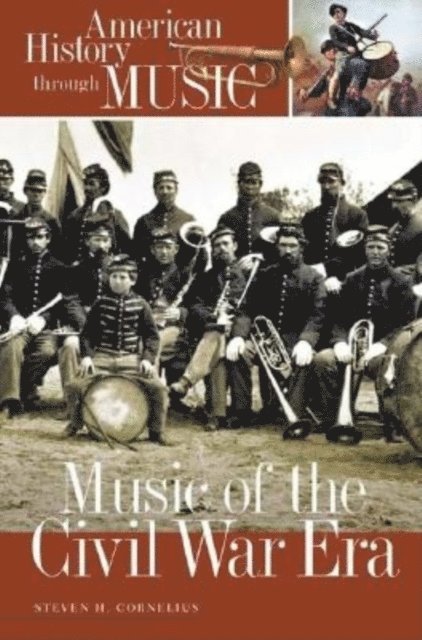
Music of the Civil War Era
E-bok, 2004
1044 kr
Lägg i varukorg
As divisive and destructive as the Civil War was, the era nevertheless demonstrated the power that music could play in American culture. Popular songs roused passion on both sides of the Mason-Dixon line, and military bands played music to entertain infantry units-and to rally them on to war. The …
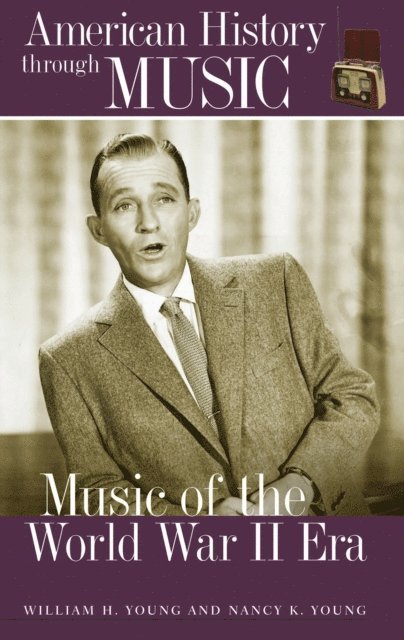
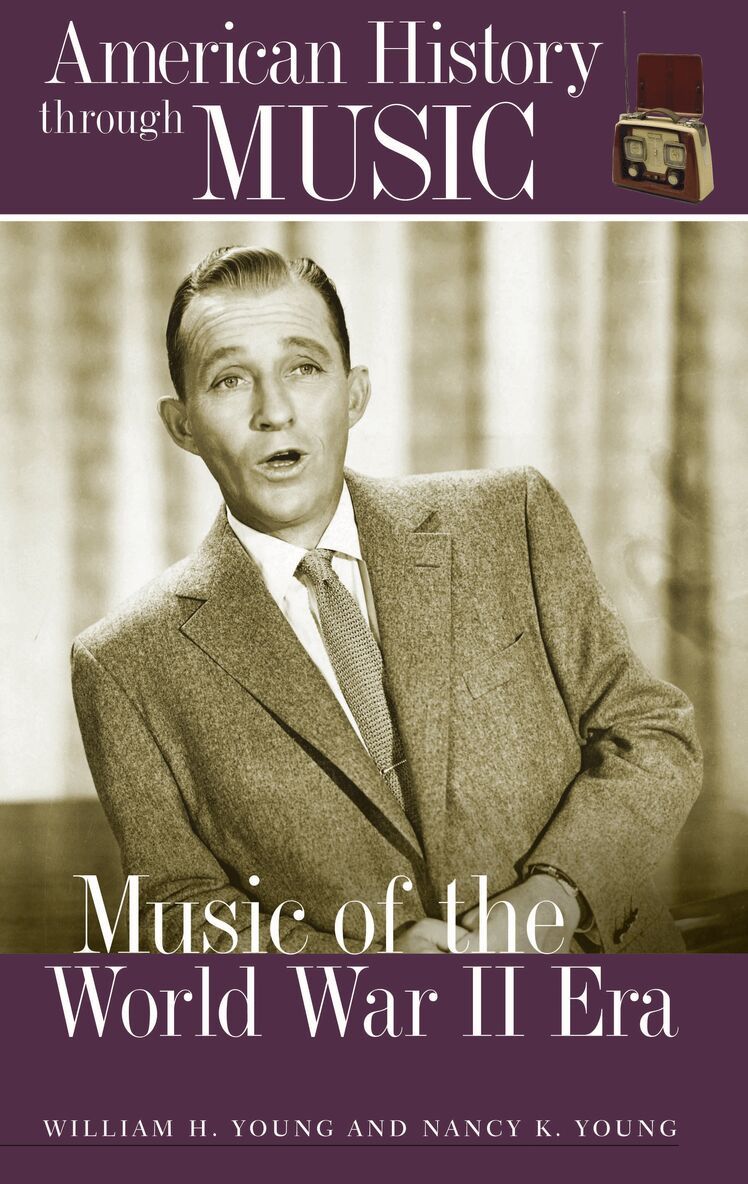
Music of the World War II Era
Av William H. Young, Nancy K. Young
E-bok, 2007
369 kr
Lägg i varukorg
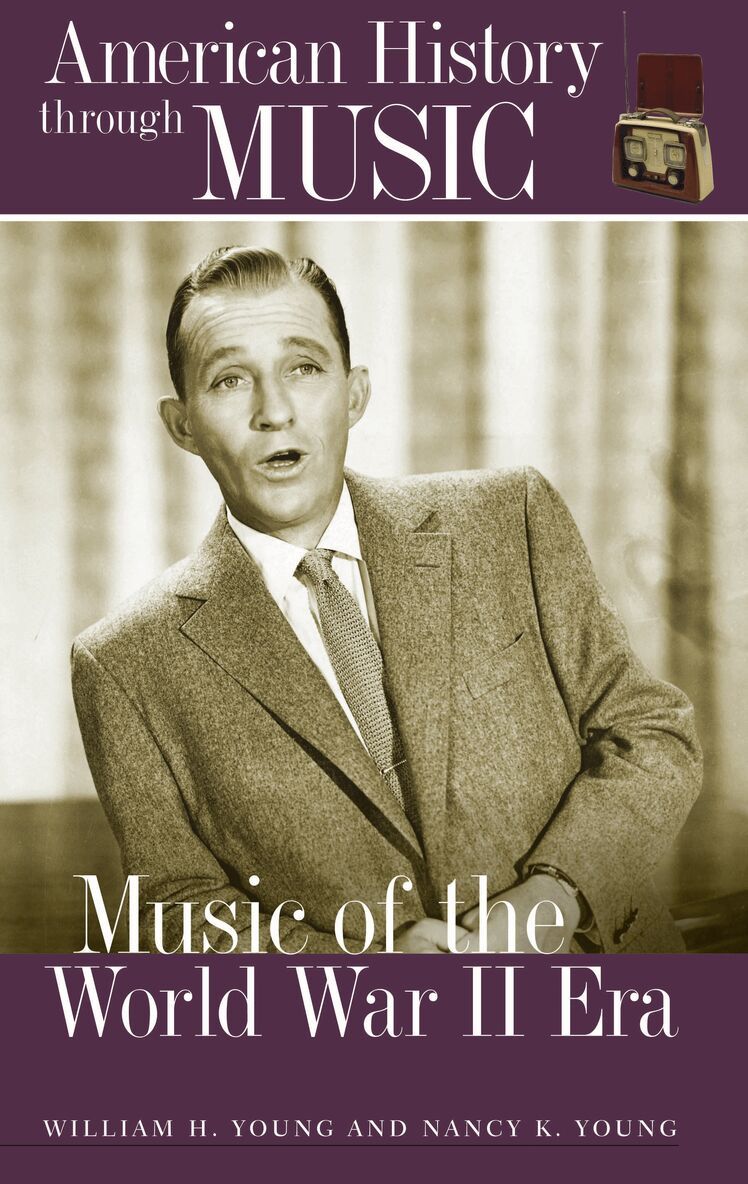
In the World War II era, big bands and swing music reached the heights of popularity with soldiers as well as friends and loved ones back home. Many entertainers such as Glenn Miller also served in the military, or supported the war effort with bond drives and entertaining the troops at home and …
Music of the Civil War Era
Inbunden, 2004
950 kr
Lägg i varukorg
As divisive and destructive as the Civil War was, the era nevertheless demonstrated the power that music could play in American culture. Popular songs roused passion on both sides of the Mason-Dixon line, and military bands played music to entertain infantry units-and to rally them on to war. The …
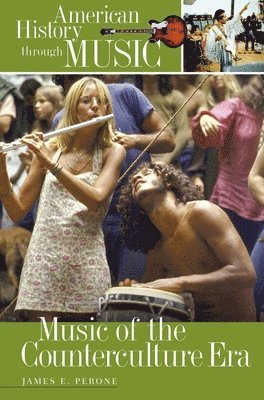
Music of the Counterculture Era
Inbunden, 2004
782 kr
Lägg i varukorg
The late 1960s and early 1970s saw the flourishing of an American counterculture that affected many walks of society. The movement's music provided the soundtrack for this bellwether time in American cultural history. Such performers as Bob Dylan, Joan Baez, Phil Ochs, Arlo Guthrie, The Doors, John …
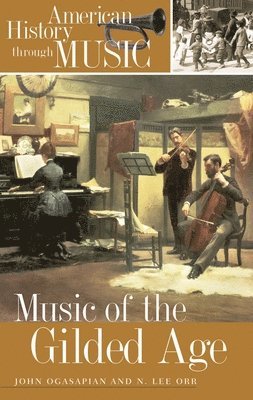
Music of the Gilded Age
Av N. Lee Orr
Inbunden, 2007
732 kr
Lägg i varukorg
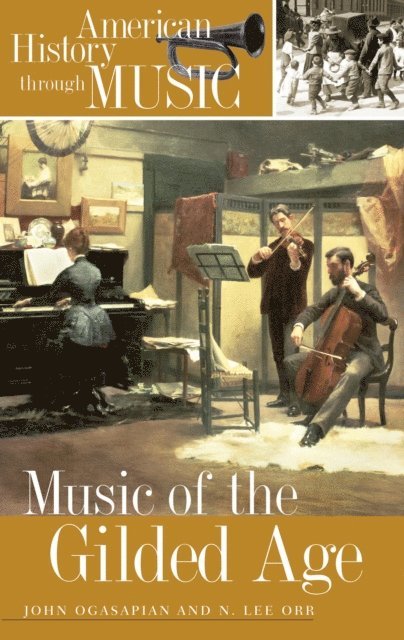
America's Gilded Age was a time of great musical evolution. As the country continued to develop a musical style apart from Europe, its church and religious music and opera took on new forms. Music-as-entertainment also evolved, with marching bands at public events and the new musicals in theaters. …
Music of the World War II Era
Av William H. Young, Nancy K. Young
Inbunden, 2007
877 kr
Lägg i varukorg
In the World War II era, big bands and swing music reached the heights of popularity with soldiers as well as friends and loved ones back home. Many entertainers such as Glenn Miller also served in the military, or supported the war effort with bond drives and entertaining the troops at home and …
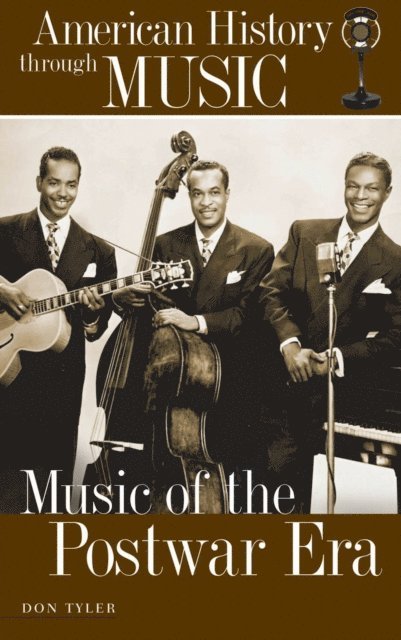
Music of the Postwar Era
Av Don Tyler
E-bok, 2007
864 kr
Lägg i varukorg
At the end of WWII, themes in music shifted from soldiers' experiences at war to coming home, marrying their sweethearts, and returning to civilian life. The music itself also shifted, with crooners such as Bing Crosby and Frank Sinatra replacing the Big Bands of years past. Country music, jazz, …
Music of the Gilded Age
Av N. Lee Orr
E-bok, 2007
803 kr
Lägg i varukorg
America's Gilded Age was a time of great musical evolution. As the country continued to develop a musical style apart from Europe, its church and religious music and opera took on new forms. Music-as-entertainment also evolved, with marching bands at public events and the new musicals in theaters. …
Music of the 1980s
E-bok, 2011
785 kr
Lägg i varukorg
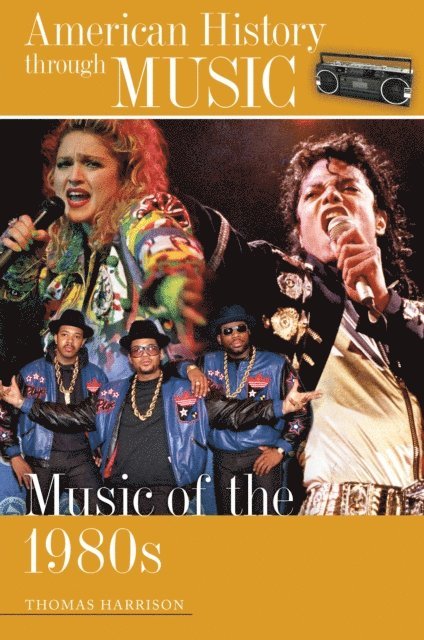
Beyond coverage of mainstream 80s music, such as "hair band" hard rock, pop, new wave, and rap, this compilation of essential musical artists also covers genres like classical, jazz, outlaw country, and music theater. Popular music in the United States during the 1980s is well known for imports …
Music of the 1990s
Inbunden, 2011
732 kr
Lägg i varukorg
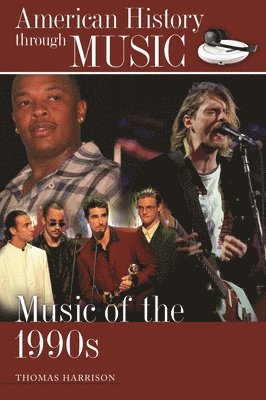
Red Hot Chili Peppers, Goo Goo Dolls, Nirvana, Green Day, Mariah Carey, Notorious B.I.G., Billy Ray Cyrus, Backstreet Boys… the list goes on. Meet all the 1990s' essential musical artists in one insightful volume.During the 1990s, musical genres became more commercialized than ever—and that was …
Music of the 1990s
E-bok, 2011
785 kr
Lägg i varukorg
Red Hot Chili Peppers, Goo Goo Dolls, Nirvana, Green Day, Mariah Carey, Notorious B.I.G., Billy Ray Cyrus, Backstreet Boys… the list goes on. Meet all the 1990s' essential musical artists in one insightful volume. During the 1990s, musical genres became more commercialized than ever—and that was …
Music of the First World War
Av Don Tyler
Inbunden, 2016
805 kr
Lägg i varukorg
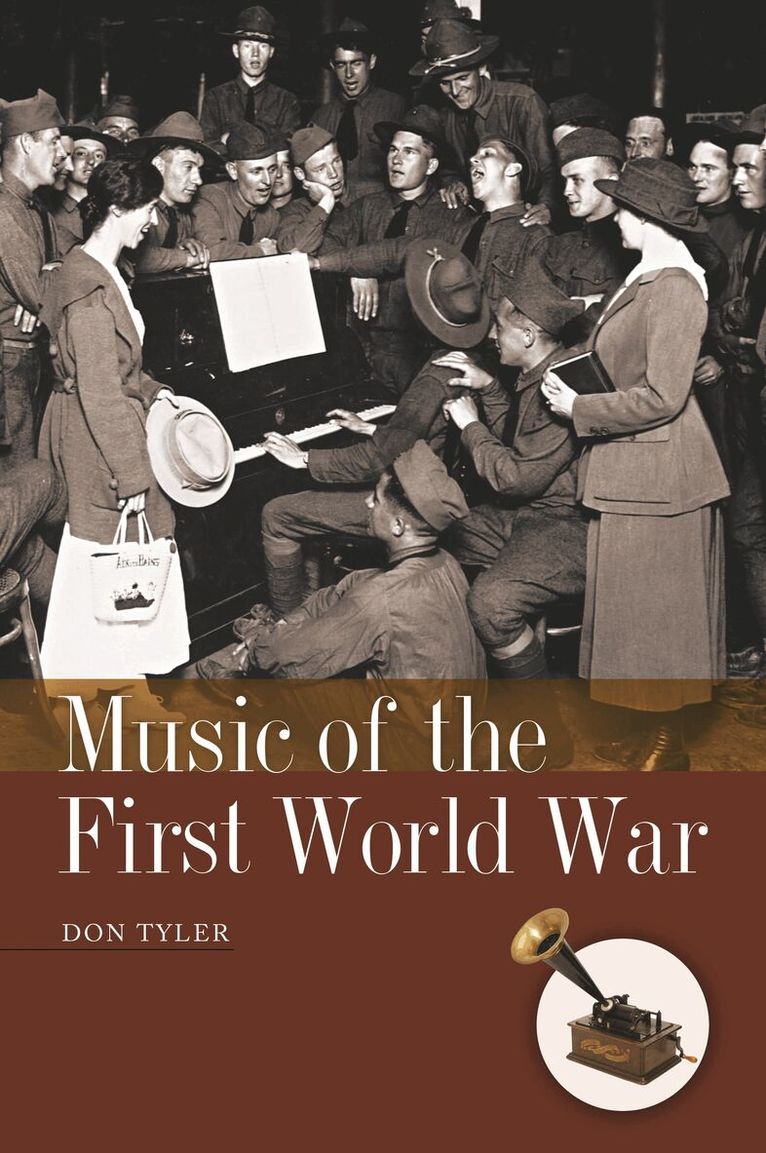
This book discusses WWI-era music in a historical context, explaining music's importance at home and abroad during WWI as well as examining what music was being sung, played, and danced to during the years prior to America's involvement in the Great War.Why was music so important to soldiers abroad …
Music of the First World War
Av Don Tyler
E-bok, 2016
883 kr
Lägg i varukorg
This book discusses WWI-era music in a historical context, explaining music's importance at home and abroad during WWI as well as examining what music was being sung, played, and danced to during the years prior to America's involvement in the Great War. Why was music so important to soldiers …
Music of the First World War
Av Don Tyler
E-bok, 2016
855 kr
Lägg i varukorg
This book discusses WWI-era music in a historical context, explaining music's importance at home and abroad during WWI as well as examining what music was being sung, played, and danced to during the years prior to America's involvement in the Great War. Why was music so important to soldiers …
Music of the World War II Era
Av William H. Young, Nancy K. Young
Häftad, 2023
341 kr
Lägg i varukorg
In the World War II era, big bands and swing music reached the heights of popularity with soldiers as well as friends and loved ones back home. Many entertainers such as Glenn Miller also served in the military, or supported the war effort with bond drives and entertaining the troops at home and …