Current Perspectives on Confucianism, Taoism, Buddhism, and Education – serie
Visar alla böcker i serien Current Perspectives on Confucianism, Taoism, Buddhism, and Education. Handla med fri frakt och snabb leverans.
14 produkter
14 produkter
Häftad, Engelska, 2020
674 kr
Skickas inom 5-8 vardagar
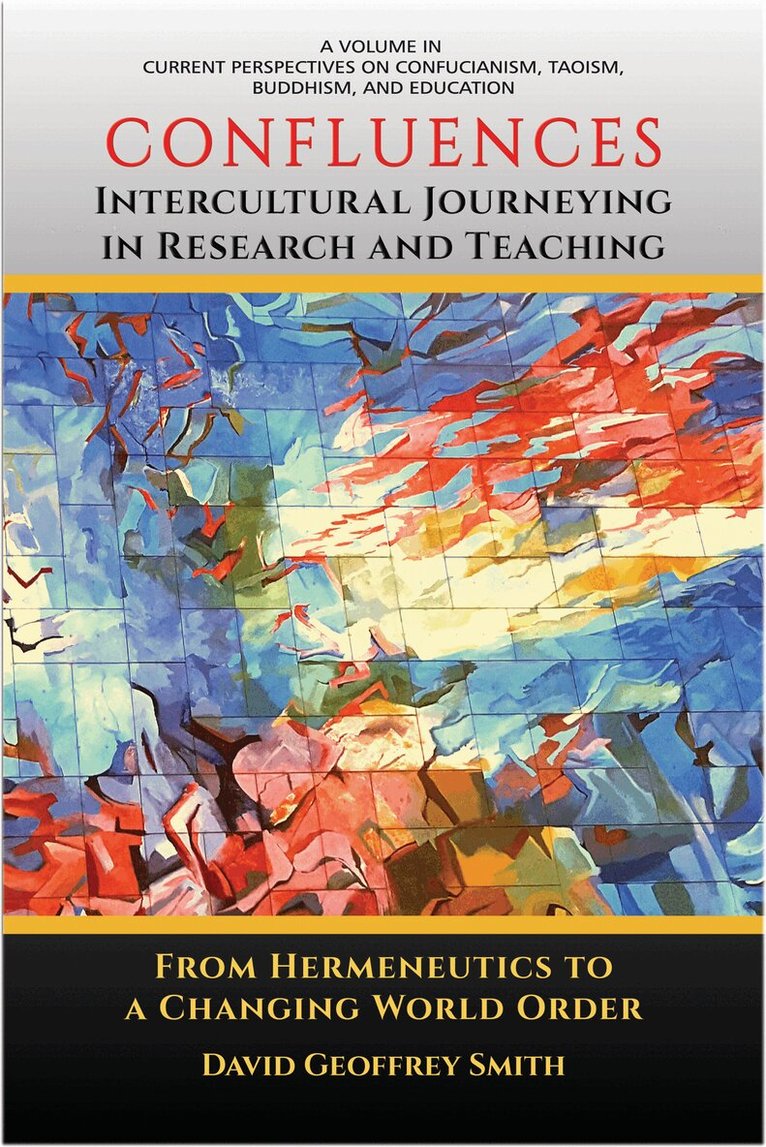
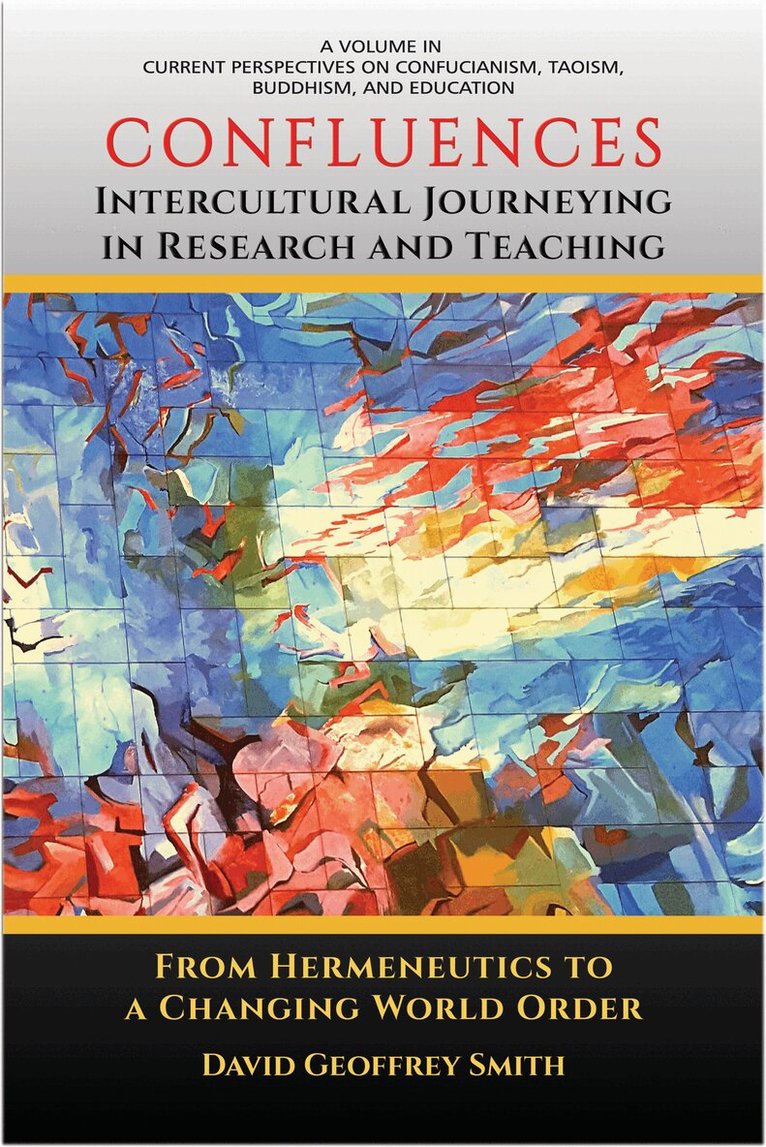
In this book, Canadian scholar David Geoffrey Smith reflects on over thirty years of research and teaching in the human sciences, including education. Written between 1986 and 2018, the essays are organized around four themes: Hermeneutics and the Human Sciences; The Poststructuralist Turn; Globalization and Its Discontents; East/West Encounters and the Search for Wisdom. As a historical guide through the defining discourses in the human sciences, this volume could well serve as an introductory text for graduate students in education and other cognate disciplines like nursing, recreation and cultural studies. The writing can be described as a form of meditative praxis, while the emphasis on interculturality addresses issues in literacy, pedagogy, politics, critical thinking, teacher education, and cultural healing from a geopolitical perspective, drawing on insights from both Western and Eastern traditions and the author’s personal experience of being born in China and raised in Central Africa (Northern Rhodesia/Zambia).
Inbunden, Engelska, 2020
1 140 kr
Skickas inom 5-8 vardagar
In this book, Canadian scholar David Geoffrey Smith reflects on over thirty years of research and teaching in the human sciences, including education. Written between 1986 and 2018, the essays are organized around four themes: Hermeneutics and the Human Sciences; The Poststructuralist Turn; Globalization and Its Discontents; East/West Encounters and the Search for Wisdom. As a historical guide through the defining discourses in the human sciences, this volume could well serve as an introductory text for graduate students in education and other cognate disciplines like nursing, recreation and cultural studies. The writing can be described as a form of meditative praxis, while the emphasis on interculturality addresses issues in literacy, pedagogy, politics, critical thinking, teacher education, and cultural healing from a geopolitical perspective, drawing on insights from both Western and Eastern traditions and the author’s personal experience of being born in China and raised in Central Africa (Northern Rhodesia/Zambia).
Häftad, Engelska, 2021
590 kr
Skickas inom 5-8 vardagar
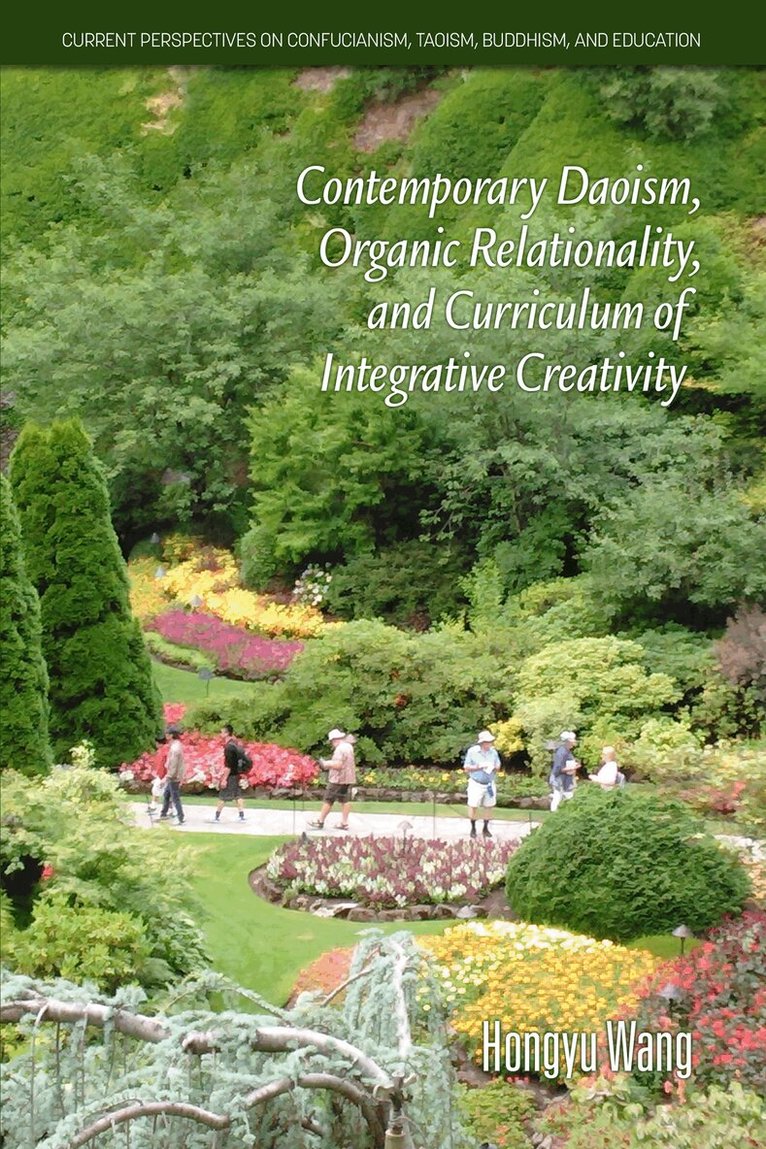
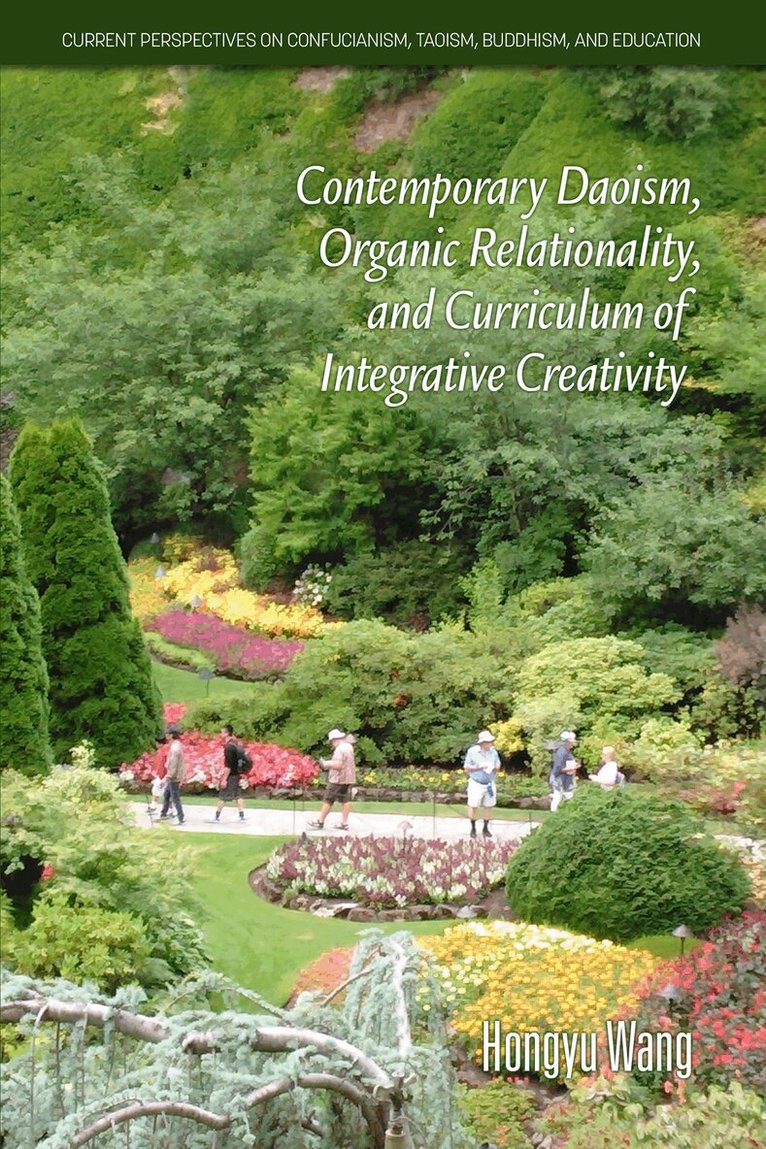
Creativity in the West is often perceived as 'cutting edge' and 'ground-breaking' in a singular act of giving birth to the new. However, to what degree has this model of breaking away from others and the world contributed to the current crisis in education, society, and ecology even before the tragic COVID-19 pandemic and responses to it? How can our reimagining of creativity contribute to the mutual flourishing of humanity and of relations between humans and the planet? Daoist creativity, based upon relationality and interdependence, has much to offer to today’s curriculum as a complicated conversation to sustain life and renew the world. Integrative, emergent, embodied, co-creative, and ecological, Daoist creativity has a built-in opening to difference through the organic relationality of Yin/Yang dynamics.This book focuses on one essential thread in Daoism—integrative creativity through organic relationality—and weaves its interplay with Western thought through multiple and intertwined dimensions of curriculum. Exploring Dao as dynamic and setting creative curriculum in motion, this book juxtaposes the notion of Wuwei and self-organization to conceptualize emergent classroom dynamics, and re-envisions the inner landscape of education through negotiating dialogues between the Jungian psyche and Daoist dynamics. Further, it explores gendered implications of Daoism to interact with feminism and formulates the pursuit of inner and outer peace through creative harmony to inform nonviolence curriculum. Synthesizing cross-cultural insights and wisdom, it provides an in-depth and intuitive understanding of the interactions between Daoist and Western creativity and elaborates a curriculum of integrative creativity for students, teachers, and their educational community. Let us all attend to the urgent call for individual and collective awakenings and for creativity that connects.
Inbunden, Engelska, 2021
1 044 kr
Skickas inom 5-8 vardagar
Creativity in the West is often perceived as 'cutting edge' and 'ground-breaking' in a singular act of giving birth to the new. However, to what degree has this model of breaking away from others and the world contributed to the current crisis in education, society, and ecology even before the tragic COVID-19 pandemic and responses to it? How can our reimagining of creativity contribute to the mutual flourishing of humanity and of relations between humans and the planet? Daoist creativity, based upon relationality and interdependence, has much to offer to today’s curriculum as a complicated conversation to sustain life and renew the world. Integrative, emergent, embodied, co-creative, and ecological, Daoist creativity has a built-in opening to difference through the organic relationality of Yin/Yang dynamics.This book focuses on one essential thread in Daoism—integrative creativity through organic relationality—and weaves its interplay with Western thought through multiple and intertwined dimensions of curriculum. Exploring Dao as dynamic and setting creative curriculum in motion, this book juxtaposes the notion of Wuwei and self-organization to conceptualize emergent classroom dynamics, and re-envisions the inner landscape of education through negotiating dialogues between the Jungian psyche and Daoist dynamics. Further, it explores gendered implications of Daoism to interact with feminism and formulates the pursuit of inner and outer peace through creative harmony to inform nonviolence curriculum. Synthesizing cross-cultural insights and wisdom, it provides an in-depth and intuitive understanding of the interactions between Daoist and Western creativity and elaborates a curriculum of integrative creativity for students, teachers, and their educational community. Let us all attend to the urgent call for individual and collective awakenings and for creativity that connects.
Häftad, Engelska, 2016
674 kr
Skickas inom 5-8 vardagar
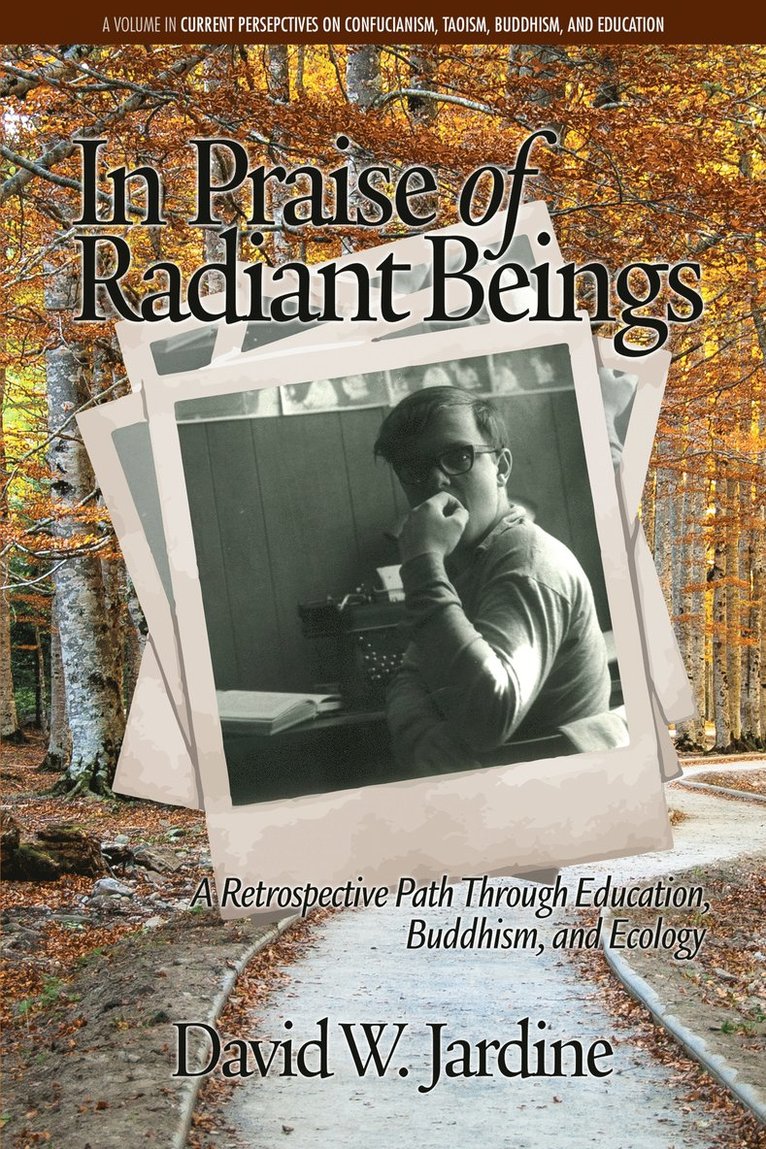
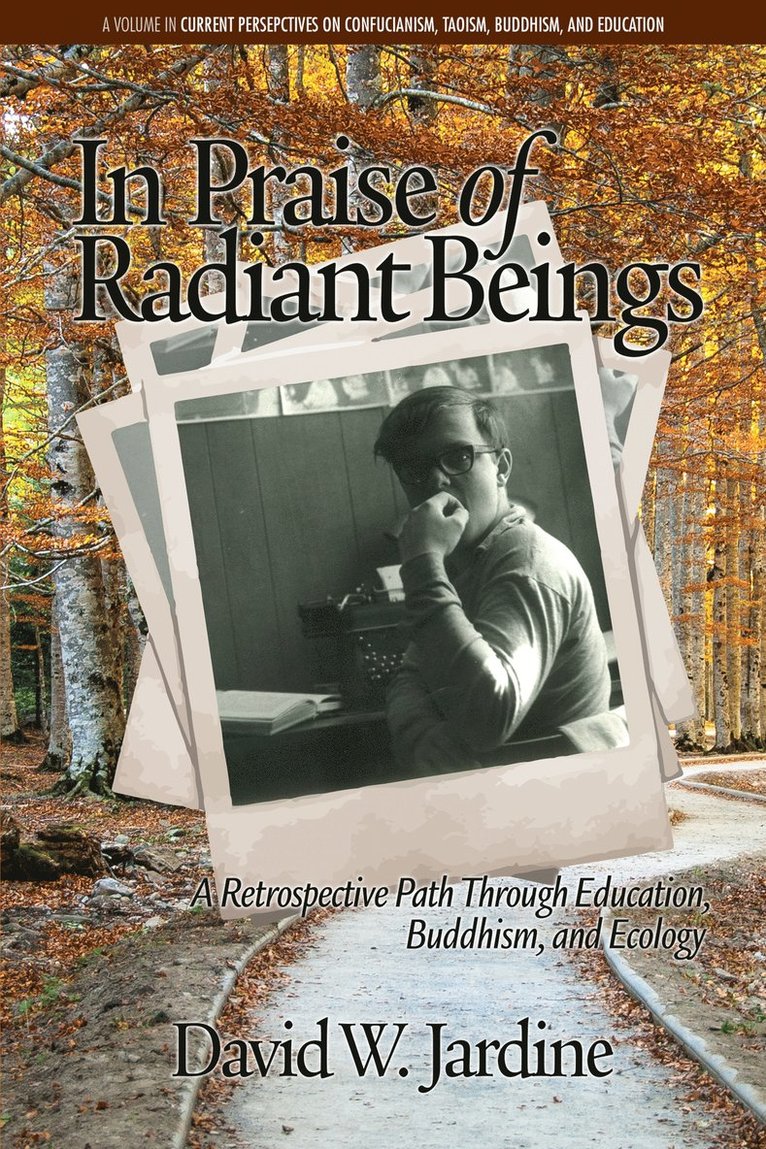
This text is a collection of essays by noted curriculum scholar and philosopher of education, David W. Jardine. It ranges over twenty-five years of work with teachers and students in schools. The main purpose of these essays is to provide teachers with new ways of thinking about their circumstances that side step some of the panic and exhaustion that is all too typical of many school settings. Using ideas and images from Buddhism, ecological thinking, and hermeneutics, the author shows how these lineages help with the practical work of thinking and acting differently regarding the knowledge entrusted to teachers and students in schools. It offers the image of living fields of relations as an alternative to the fragmented, industrial-assembly machinations that drive much curriculum thinking and practice. It roots this alternative in solid scholarly work, both inside and outside of the orbit of educational literature. This book can provide encouragement and example to those working in schools who have sensed the shifting of human consciousness and conscience over the past decades towards issues of sustainability, interrelatedness, diversity, ancestry, ecological well-being, and dependent co-arising. It provides solid classroom-based examples coupled with substantial scholarly delving into the roots of such work in long-standing streams of thinking that are born outside of the usual orbits of educational theory and practice, but that provide that practice with a refuge and a relief and an alternative. This book can also provide examples to those doing graduate work in education of how interpretive research into classrooms can be conducted, and how this work is must be solid, well-rooted, scholarly and meticulously thought out. It is useful as a handbook and sourcebook for interpretive research or hermeneutic research, and provides a wide array of sources and themes for the conduct of such work.
Inbunden, Engelska, 2016
1 141 kr
Skickas inom 5-8 vardagar
This text is a collection of essays by noted curriculum scholar and philosopher of education, David W. Jardine. It ranges over twenty-five years of work with teachers and students in schools. The main purpose of these essays is to provide teachers with new ways of thinking about their circumstances that side step some of the panic and exhaustion that is all too typical of many school settings. Using ideas and images from Buddhism, ecological thinking, and hermeneutics, the author shows how these lineages help with the practical work of thinking and acting differently regarding the knowledge entrusted to teachers and students in schools. It offers the image of living fields of relations as an alternative to the fragmented, industrial-assembly machinations that drive much curriculum thinking and practice. It roots this alternative in solid scholarly work, both inside and outside of the orbit of educational literature. This book can provide encouragement and example to those working in schools who have sensed the shifting of human consciousness and conscience over the past decades towards issues of sustainability, interrelatedness, diversity, ancestry, ecological well-being, and dependent co-arising. It provides solid classroom-based examples coupled with substantial scholarly delving into the roots of such work in long-standing streams of thinking that are born outside of the usual orbits of educational theory and practice, but that provide that practice with a refuge and a relief and an alternative. This book can also provide examples to those doing graduate work in education of how interpretive research into classrooms can be conducted, and how this work is must be solid, well-rooted, scholarly and meticulously thought out. It is useful as a handbook and sourcebook for interpretive research or hermeneutic research, and provides a wide array of sources and themes for the conduct of such work.
Inbunden, Engelska, 2026
1 259 kr
Kommande
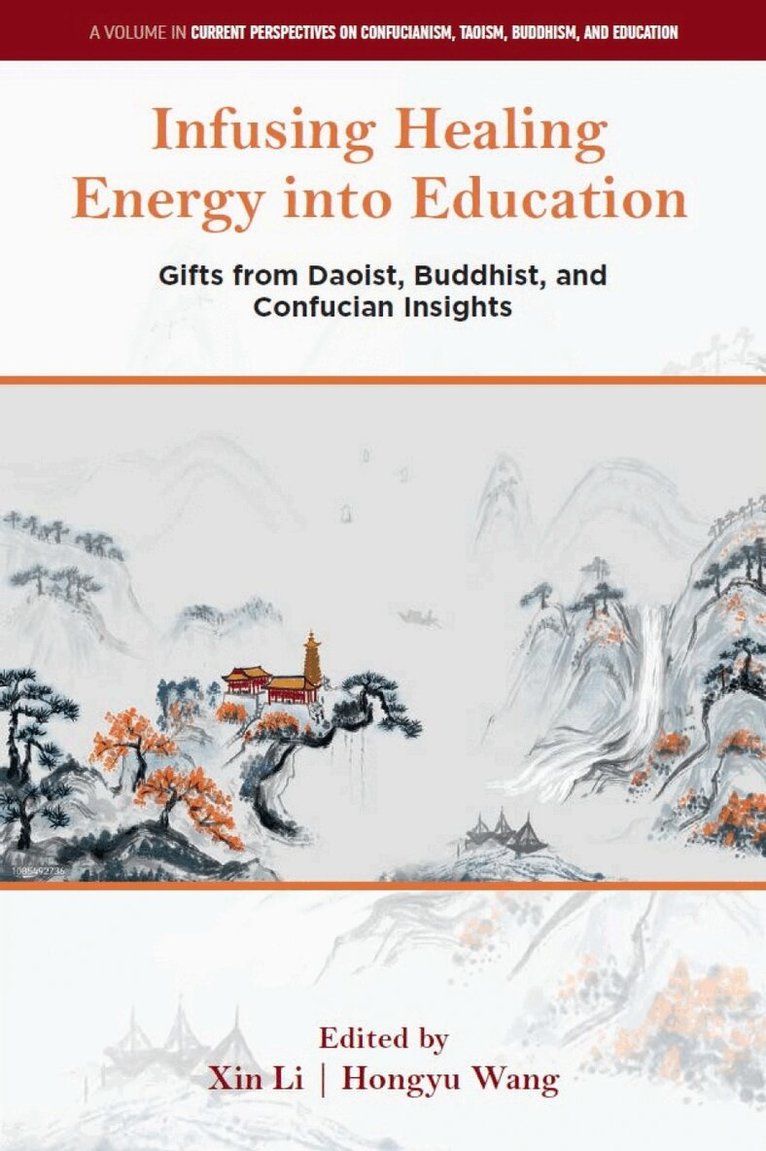
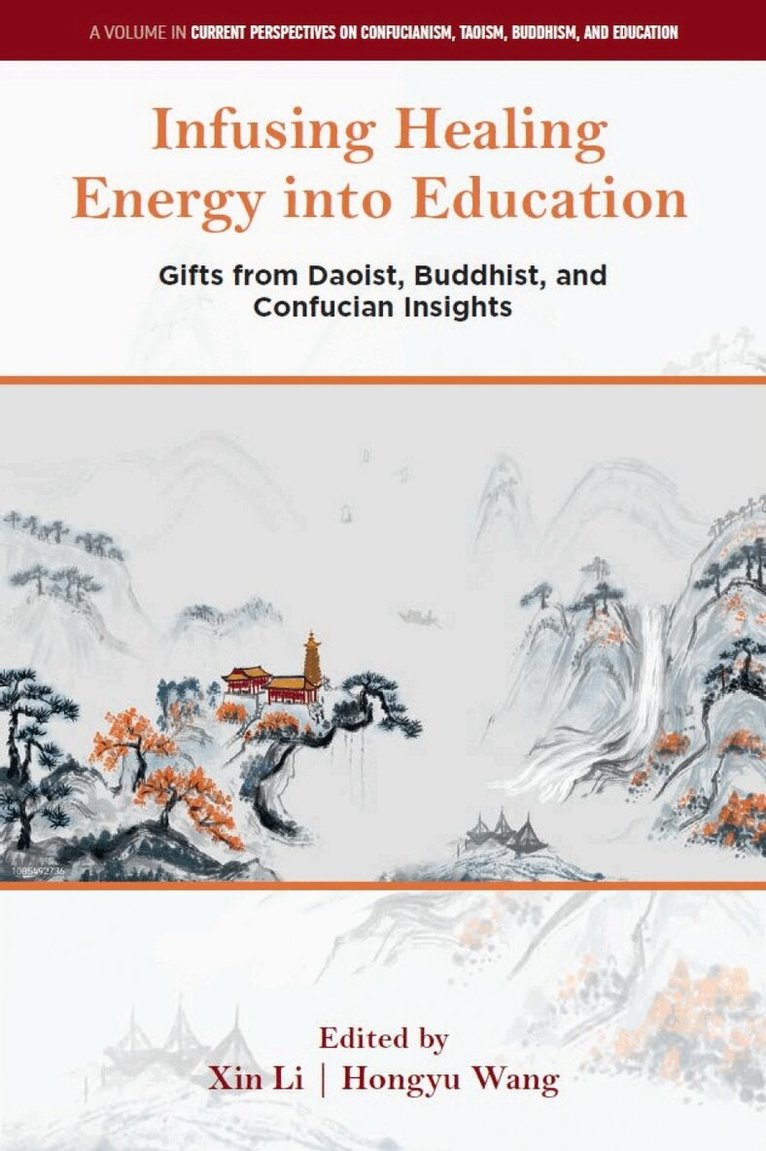
The unprecedented crises that the contemporary educational world and global society are facing, intricately interwoven with traumas of human tragedies and eco-disasters, call for responses based upon the awareness of the connectedness within, between, and among individuals, groups, nations, and our shared planetary environment. We desperately need to heal, to heal from the injuries of wars, dominations, and polarizations, and to heal education’s instrumental disconnections from its own existential roots. It is in this context that wisdoms of Daoism, Buddhism, and Confucianism with their abundant and diverse practices of healing are approached in this volume as gifts to contemporary educational thoughts and praxis. In these wisdom traditions, healing is a holistic, ongoing process physically, psychologically, philosophically and spiritually to integrative pathways.This book, through engaging in intercultural, transdisciplinary, and international conversations and dialogues, intends to synergize our collective energies to enhance our resilience and create a space for strength-based, community-based, and experience-based, and inner-outer connected restorative approach of healing in education. This book also serves as a 20-year celebration of the Confucianism, Taoism, Buddhism and Education SIG at AERA. It is a timely collection for addressing today’s challenges and will make an important contribution to transforming education, curriculum, and pedagogy internationally.
Häftad, Engelska, 2026
424 kr
Kommande
The unprecedented crises that the contemporary educational world and global society are facing, intricately interwoven with traumas of human tragedies and eco-disasters, call for responses based upon the awareness of the connectedness within, between, and among individuals, groups, nations, and our shared planetary environment. We desperately need to heal, to heal from the injuries of wars, dominations, and polarizations, and to heal education’s instrumental disconnections from its own existential roots. It is in this context that wisdoms of Daoism, Buddhism, and Confucianism with their abundant and diverse practices of healing are approached in this volume as gifts to contemporary educational thoughts and praxis. In these wisdom traditions, healing is a holistic, ongoing process physically, psychologically, philosophically and spiritually to integrative pathways.This book, through engaging in intercultural, transdisciplinary, and international conversations and dialogues, intends to synergize our collective energies to enhance our resilience and create a space for strength-based, community-based, and experience-based, and inner-outer connected restorative approach of healing in education. This book also serves as a 20-year celebration of the Confucianism, Taoism, Buddhism and Education SIG at AERA. It is a timely collection for addressing today’s challenges and will make an important contribution to transforming education, curriculum, and pedagogy internationally.
Inbunden, Engelska, 2026
1 410 kr
Kommande
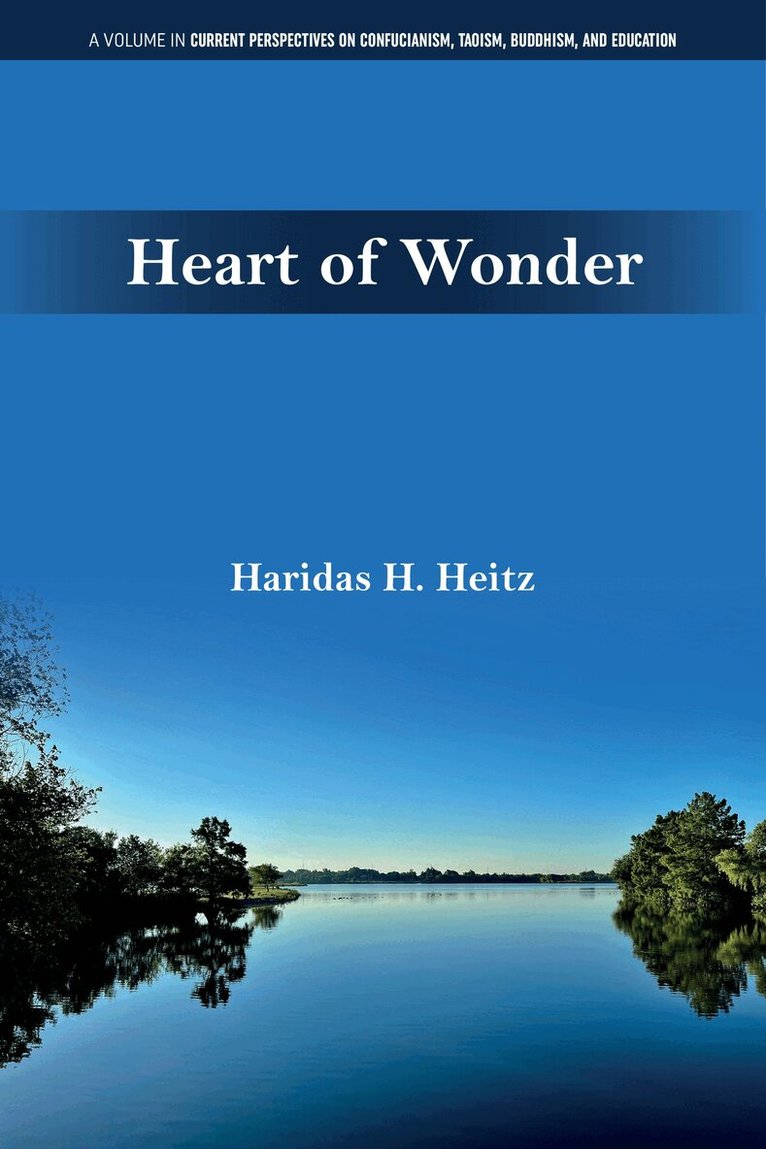
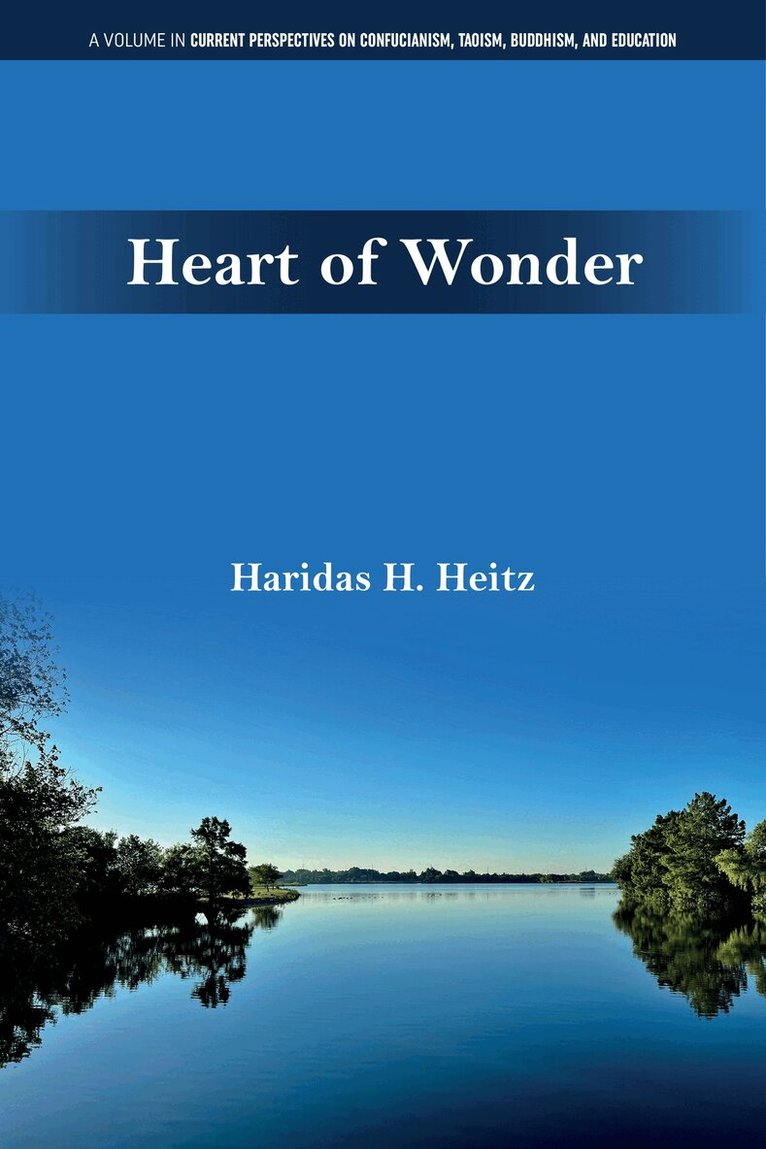
Heart of Wonder invites the reader into the transformative experience of wonder as a direct gateway to profound spiritual insight. Drawing on personal practice, lived experience, and scholarly engagement with the wisdom traditions of the East, this book offers a path for discovering these truths within one’s own life.Rooted deeply in a philosophy of nonduality, the teachings presented here have been shaped through years of guiding university students toward a more integrated understanding of self and world. The approach is simple, direct, and grounded in the everyday. Through personal anecdotes woven with philosophical reflection, the book reveals how spirituality is not separate from ordinary life but quietly present within it.At its heart, this work outlines a progressive education of the whole person — an invitation to cultivate self-understanding, meditative awareness, and an openness to the subtle beauty of what simply is. Wonder becomes both the doorway and the destination: a quality of Being that awakens peace, love, joy, and beauty, and leads not only to the beginning of wisdom but to its living realization.
Häftad, Engelska, 2026
537 kr
Kommande
Heart of Wonder invites the reader into the transformative experience of wonder as a direct gateway to profound spiritual insight. Drawing on personal practice, lived experience, and scholarly engagement with the wisdom traditions of the East, this book offers a path for discovering these truths within one’s own life.Rooted deeply in a philosophy of nonduality, the teachings presented here have been shaped through years of guiding university students toward a more integrated understanding of self and world. The approach is simple, direct, and grounded in the everyday. Through personal anecdotes woven with philosophical reflection, the book reveals how spirituality is not separate from ordinary life but quietly present within it.At its heart, this work outlines a progressive education of the whole person — an invitation to cultivate self-understanding, meditative awareness, and an openness to the subtle beauty of what simply is. Wonder becomes both the doorway and the destination: a quality of Being that awakens peace, love, joy, and beauty, and leads not only to the beginning of wisdom but to its living realization.
Häftad, Engelska, 2024
540 kr
Skickas inom 5-8 vardagar
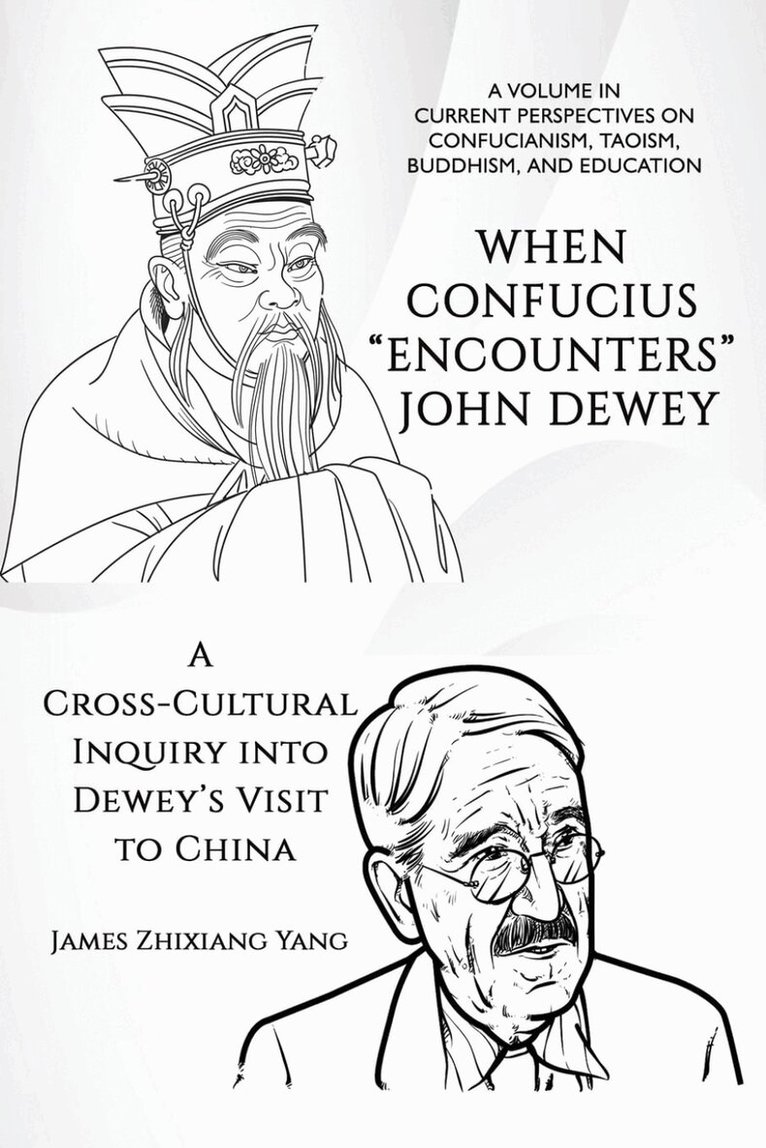
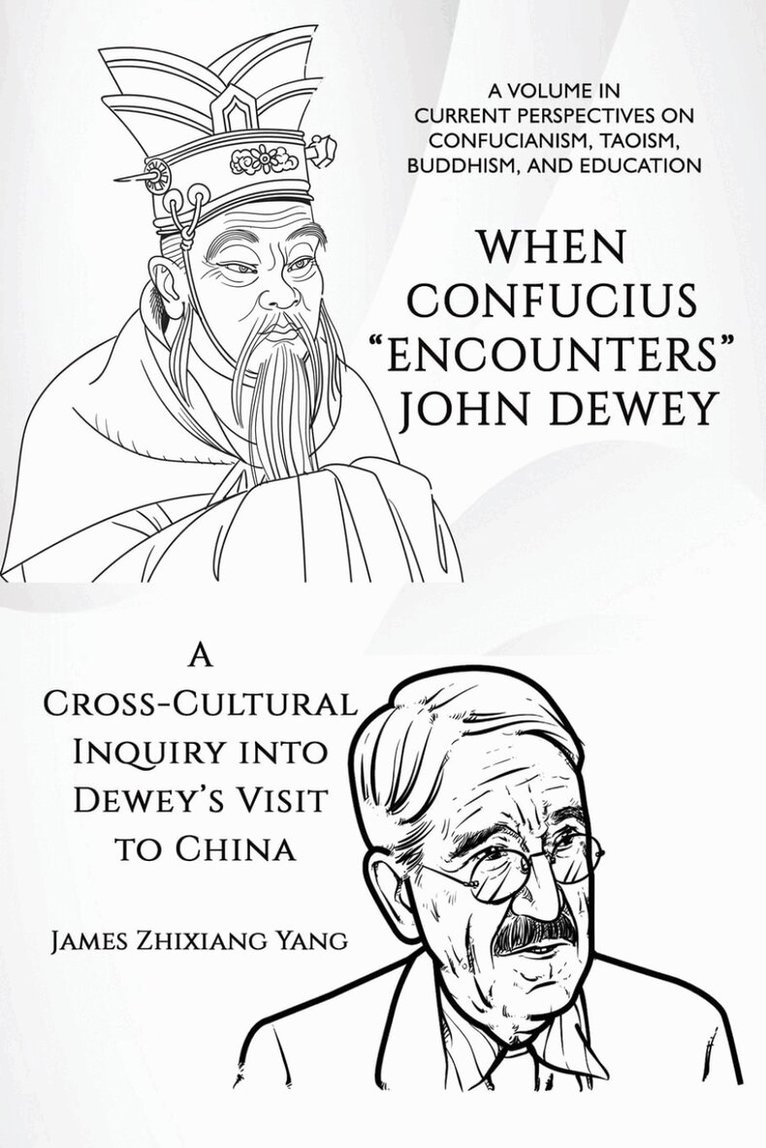
John Dewey’s sojourn to China created a historical moment between the United States and China. Therefore, some of the recent scholarship on the topic aims to uncover the social and historical implications behind Dewey’s Chinese trip, centering on how intercultural conversations occurred between “Confucius” and “John Dewey” during the period of May Fourth/New Culture Movement. Much research also reflects an attempt to synthesize and unify Western and Eastern education.This book spotlights a cross-cultural “encounter” between Confucius and John Dewey by studying the four well-known Chinese scholars Hu Shih, Liang Shuming, Tao Xingzhi, and Jiang Menglin, who exerted a profound impact on many aspects of Chinese society during the May Fourth/New Culture Movement period. The study explores answers to a crucial question: What motivated Dewey’s Chinese disciples to forge a synthesis of Confucian traditions and Deweyan ideas to purse of the goals of Chinese educational and cultural reformation? Simultaneously, based on an in-depth historical, philosophical, and cultural analysis of Dewey’s visit to China, this study aims to disclose how our education has evolved in the context of cultural pluralismThe book seeks to contribute provocative ideas to today’s educators: any school of thought can renew and update itself if it maintains an open dialogue with a different civilization. Dynamic and transparent intercultural communication enables us to develop a sense of understanding and respect for cultural diversity, all of which are of great benefit to the construction of a stable and healthy international order.
Inbunden, Engelska, 2024
1 007 kr
Skickas inom 5-8 vardagar
John Dewey’s sojourn to China created a historical moment between the United States and China. Therefore, some of the recent scholarship on the topic aims to uncover the social and historical implications behind Dewey’s Chinese trip, centering on how intercultural conversations occurred between “Confucius” and “John Dewey” during the period of May Fourth/New Culture Movement. Much research also reflects an attempt to synthesize and unify Western and Eastern education.This book spotlights a cross-cultural “encounter” between Confucius and John Dewey by studying the four well-known Chinese scholars Hu Shih, Liang Shuming, Tao Xingzhi, and Jiang Menglin, who exerted a profound impact on many aspects of Chinese society during the May Fourth/New Culture Movement period. The study explores answers to a crucial question: What motivated Dewey’s Chinese disciples to forge a synthesis of Confucian traditions and Deweyan ideas to purse of the goals of Chinese educational and cultural reformation? Simultaneously, based on an in-depth historical, philosophical, and cultural analysis of Dewey’s visit to China, this study aims to disclose how our education has evolved in the context of cultural pluralismThe book seeks to contribute provocative ideas to today’s educators: any school of thought can renew and update itself if it maintains an open dialogue with a different civilization. Dynamic and transparent intercultural communication enables us to develop a sense of understanding and respect for cultural diversity, all of which are of great benefit to the construction of a stable and healthy international order.
Häftad, Engelska, 2024
607 kr
Skickas inom 5-8 vardagar
The harmonizing influence of ancient Daoist philosophy is of much relevance to the world in which we live today, and this is especially so in the field of global education. Among the growing numbers of contemporary teachers and scholars who nurture Daoist wisdom in their classrooms, this book takes the unique pathway of considering its applications through the contemplative lenses of teacher diaries. Its South African-born author has taught academic English for over three decades in Japan, the Middle East, and the People’s Republic of China. Since early childhood, he has infused his fascination for Daoist wisdom with his enjoyment of writing diaries – and in ways that derive insights into the compassionate, frugal, and humble foundations of Daoist-inspired pedagogies within contemporary classroom environments.This book presents Daoist wisdom in terms of it being the Supreme Ultimate of all ways. It introduces the classical Daoist texts of the Laozi, the Zhuangzi, and the Liezi, and shares a short historical overview of Daoism with its growing global influence. As such, it emphasizes that Daoist-inspired pedagogies encourage a delicate balance between intuitive insights and intellectual analysis – and in ways that are not antagonistic toward each other, but which dance together as one. In this regard, the role of meditation during the undertaking of diaries is specifically highlighted concerning its propensity to bring one into the present moment, pacify racing thoughts, and transcend the ego. It also shows how a meditative state of mind that accompanies the reading, writing, and analysis of the diary entries contributes to deeper self-discernment along with unique intuitive insights related to oneself as a teacher and the classroom environment. In addition, this book describes how the Wordsmith Tools Program and the Book of Changes can be used as additional approaches to analyzing thought patterns within the diary entries – and how these also nurture inward contemplations and the intuitive insights that accompany them.Thereafter, considerations based on the applications of core Daoist principles for classroom pedagogies are filtered through the contemplative lenses of teacher diaries. These principles are the unintentional integrity of de, the complementary duality of yin-yang, the cosmic vitality of qi, the self-so-ness of ziran, the unforceful spontaneity of wuwei, and the unblemished purity of pu. This book illustrates through its diary lenses how these six Daoist principles can be nurtured in ways that contribute to a scholarliness that is grounded in an equal appreciation for the logical applications of intelligence along with the uniqueness of intuitive creativity which cannot be explicitly taught but which spontaneously arises from within the deep reservoirs of intuitive wisdom which exist within the true selves of everyone. In addition, this book shares pearls of Daoist wisdom for teachers from within the poetic chapters of the Laozi, as well as within the amusingly enlightening stories in the Zhuangzi and the Liezi – such that their ancient teachings can be applied to Daoist-inspired pedagogies, and nurtured in ways that unite the joyfulness and scholarly efficacy of both teaching and learning. It is shown how doing so enhances a sense of awe, wonder, openness, and contemplative oneness within the classroom environment - making it a happier, more contented, and more meaningful place for both teachers and students.
Inbunden, Engelska, 2024
1 073 kr
Skickas inom 5-8 vardagar
The harmonizing influence of ancient Daoist philosophy is of much relevance to the world in which we live today, and this is especially so in the field of global education. Among the growing numbers of contemporary teachers and scholars who nurture Daoist wisdom in their classrooms, this book takes the unique pathway of considering its applications through the contemplative lenses of teacher diaries. Its South African-born author has taught academic English for over three decades in Japan, the Middle East, and the People’s Republic of China. Since early childhood, he has infused his fascination for Daoist wisdom with his enjoyment of writing diaries – and in ways that derive insights into the compassionate, frugal, and humble foundations of Daoist-inspired pedagogies within contemporary classroom environments.This book presents Daoist wisdom in terms of it being the Supreme Ultimate of all ways. It introduces the classical Daoist texts of the Laozi, the Zhuangzi, and the Liezi, and shares a short historical overview of Daoism with its growing global influence. As such, it emphasizes that Daoist-inspired pedagogies encourage a delicate balance between intuitive insights and intellectual analysis – and in ways that are not antagonistic toward each other, but which dance together as one. In this regard, the role of meditation during the undertaking of diaries is specifically highlighted concerning its propensity to bring one into the present moment, pacify racing thoughts, and transcend the ego. It also shows how a meditative state of mind that accompanies the reading, writing, and analysis of the diary entries contributes to deeper self-discernment along with unique intuitive insights related to oneself as a teacher and the classroom environment. In addition, this book describes how the Wordsmith Tools Program and the Book of Changes can be used as additional approaches to analyzing thought patterns within the diary entries – and how these also nurture inward contemplations and the intuitive insights that accompany them.Thereafter, considerations based on the applications of core Daoist principles for classroom pedagogies are filtered through the contemplative lenses of teacher diaries. These principles are the unintentional integrity of de, the complementary duality of yin-yang, the cosmic vitality of qi, the self-so-ness of ziran, the unforceful spontaneity of wuwei, and the unblemished purity of pu. This book illustrates through its diary lenses how these six Daoist principles can be nurtured in ways that contribute to a scholarliness that is grounded in an equal appreciation for the logical applications of intelligence along with the uniqueness of intuitive creativity which cannot be explicitly taught but which spontaneously arises from within the deep reservoirs of intuitive wisdom which exist within the true selves of everyone. In addition, this book shares pearls of Daoist wisdom for teachers from within the poetic chapters of the Laozi, as well as within the amusingly enlightening stories in the Zhuangzi and the Liezi – such that their ancient teachings can be applied to Daoist-inspired pedagogies, and nurtured in ways that unite the joyfulness and scholarly efficacy of both teaching and learning. It is shown how doing so enhances a sense of awe, wonder, openness, and contemplative oneness within the classroom environment - making it a happier, more contented, and more meaningful place for both teachers and students.