Animal Voices / Animal Worlds – serie
Visar alla böcker i serien Animal Voices / Animal Worlds. Handla med fri frakt och snabb leverans.
10 produkter
10 produkter
Inbunden, Engelska, 2018
1 412 kr
Skickas inom 5-8 vardagar
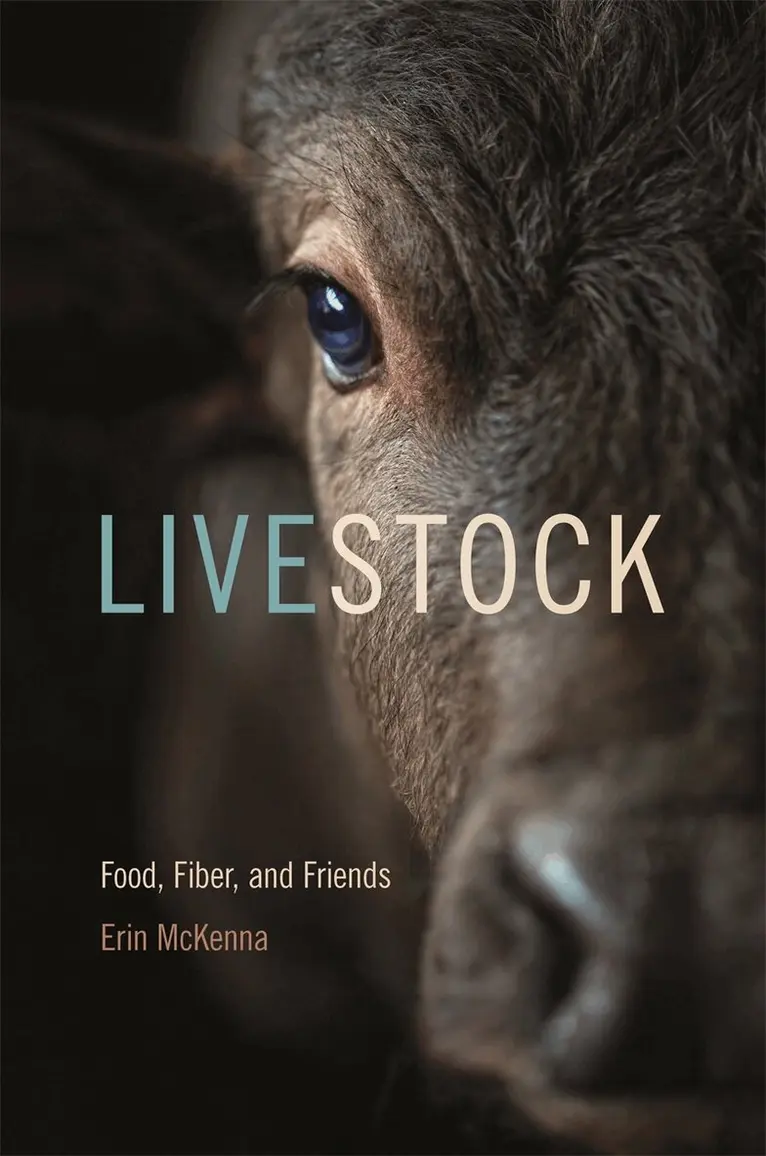
Most livestock in America currently live in cramped and unhealthy confinement, have few stable social relationships with humans or others of their species, and finish their lives by being transported and killed under stressful conditions. In Livestock, Erin McKenna allows us to see this situation and presents alternatives. She interweaves stories from visits to farms, interviews with producers and activists, and other rich material about the current condition of livestock. In addition, she mixes her account with pragmatist and ecofeminist theorizing about animals, drawing in particular on John Dewey’s account of evolutionary history, and provides substantial historical background about individual species and about human-animal relations.This deeply informative text reveals that the animals we commonly see as livestock have rich evolutionary histories, species-specific behaviors, breed tendencies, and individual variation, just as those we respect in companion animals such as dogs, cats, and horses. To restore a similar level of respect for livestock, McKenna examines ways we can balance the needs of our livestock animals with the environmental and social impacts of raising them, and she investigates new possibilities for human ways of being in relationships with animals. This book thus offers us a picture of healthier, more respectful relationships with livestock.
Häftad, Engelska, 2018
502 kr
Skickas inom 3-6 vardagar
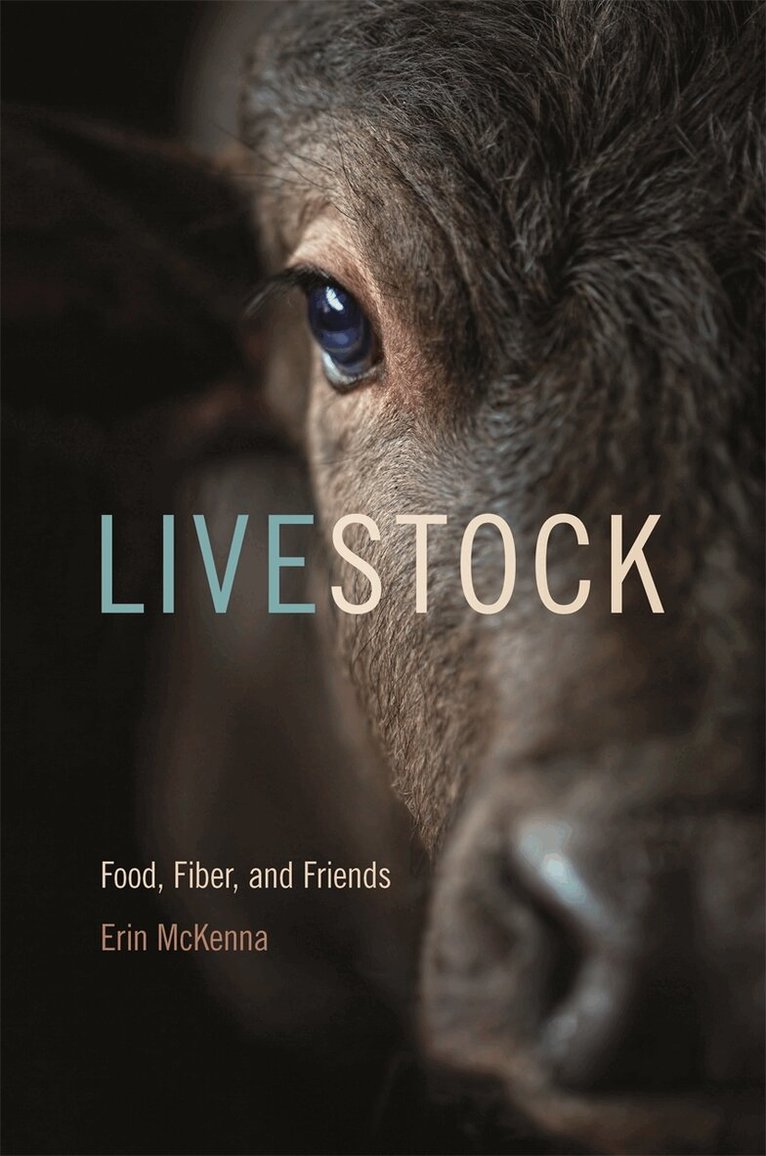
Most livestock in America currently live in cramped and unhealthy confinement, have few stable social relationships with humans or others of their species, and finish their lives by being transported and killed under stressful conditions. In Livestock, Erin McKenna allows us to see this situation and presents alternatives. She interweaves stories from visits to farms, interviews with producers and activists, and other rich material about the current condition of livestock. In addition, she mixes her account with pragmatist and ecofeminist theorizing about animals, drawing in particular on John Dewey’s account of evolutionary history, and provides substantial historical background about individual species and about human-animal relations.This deeply informative text reveals that the animals we commonly see as livestock have rich evolutionary histories, species-specific behaviors, breed tendencies, and individual variation, just as those we respect in companion animals such as dogs, cats, and horses. To restore a similar level of respect for livestock, McKenna examines ways we can balance the needs of our livestock animals with the environmental and social impacts of raising them, and she investigates new possibilities for human ways of being in relationships with animals. This book thus offers us a picture of healthier, more respectful relationships with livestock.
Häftad, Engelska, 2020
553 kr
Skickas inom 3-6 vardagar
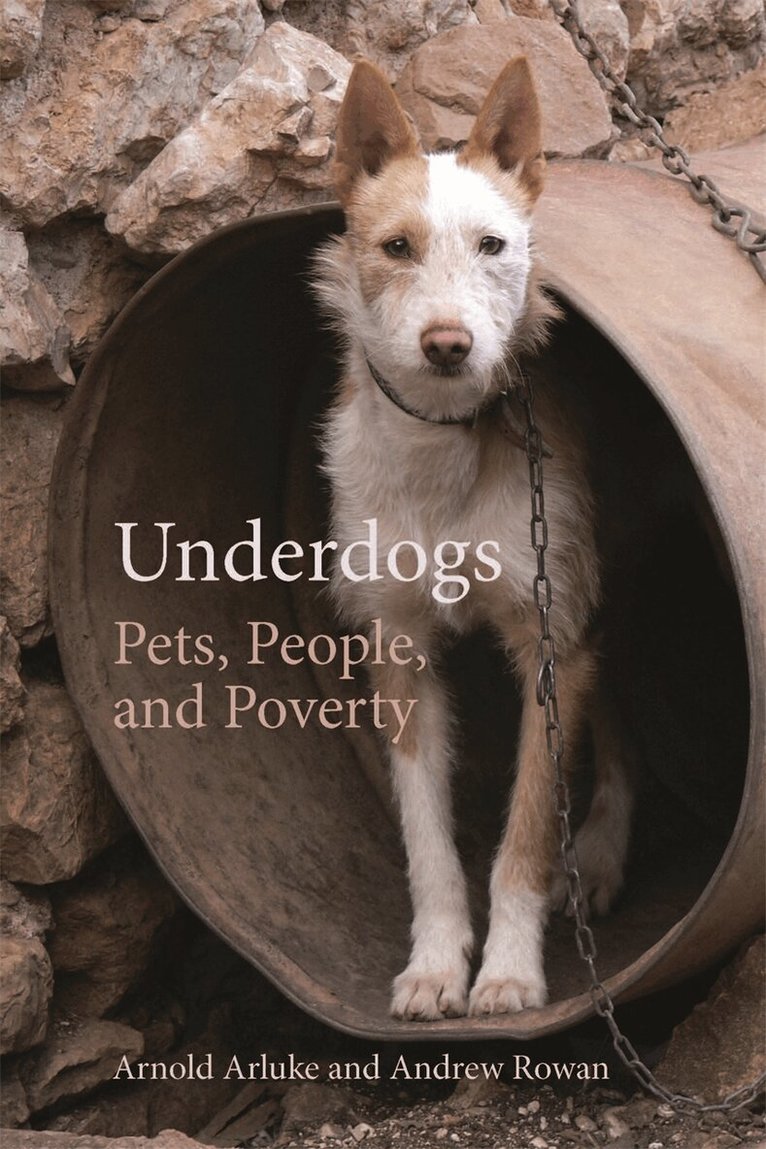
Underdogs looks into the rapidly growing initiative to provide veterinary care to underserved communities in North Carolina and Costa Rica and how those living in or near poverty respond to these forms of care. For many years, the primary focus of the humane community in the United States was to control animal overpopulation and alleviate the stray dog problem by euthanizing or sterilizing dogs and cats. These efforts succeeded by the turn of the century, and it appeared as though most pets were being sterilized and given at least basic veterinary care, including vaccinations and treatments for medical problems such as worms or mange. However, in recent years animal activists and veterinarians have acknowledged that these efforts only reached pet owners in advantaged communities, leaving over twenty million pets unsterilized, unvaccinated, and untreated in underserved communities. The problem of getting basic veterinary services to dogs and cats in low-income communities has suddenly become spotlighted as a major issue facing animal shelters, animal rescue groups, animal control departments, and veterinarians in the United States and abroad. In the past five to ten years, animal protection organizations have launched a new focus trying to deliver basic and even more advanced veterinary care to the many underserved pets in the Unites States. These efforts pose a challenge to these groups as does pet keeping to people living in poverty across most of the world who have pets or care for street dogs.
Inbunden, Engelska, 2020
1 927 kr
Skickas inom 3-6 vardagar
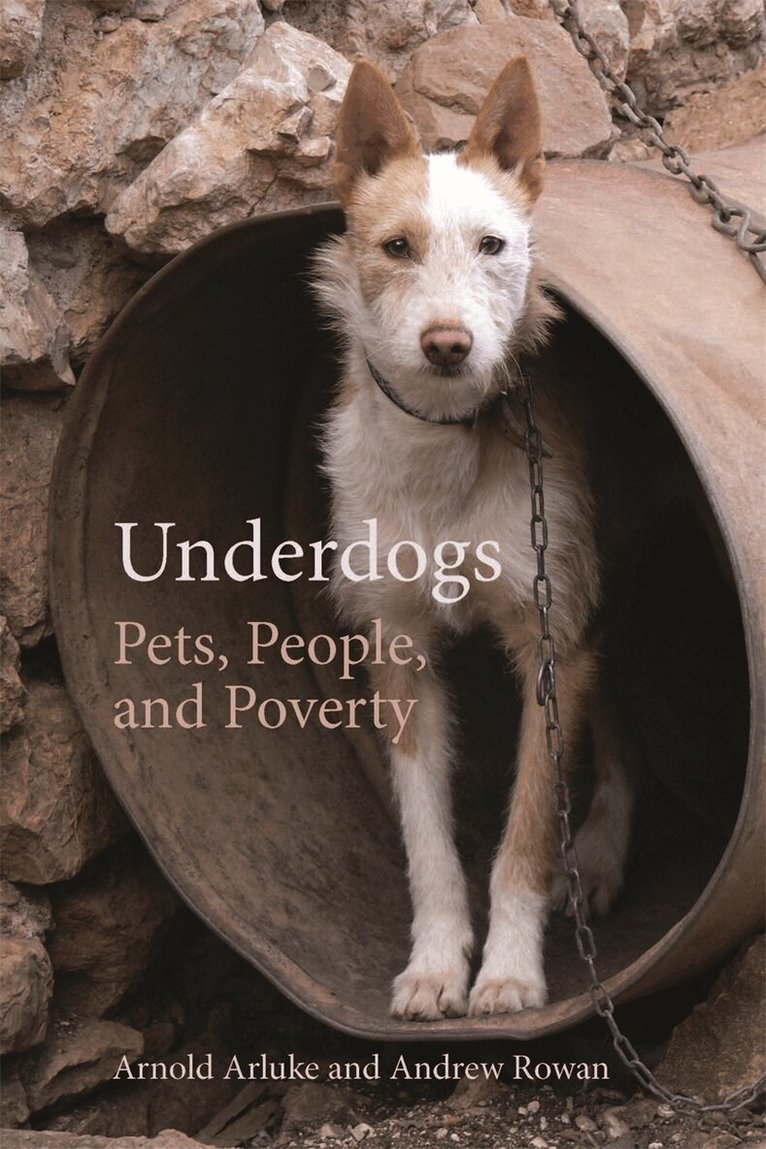
Underdogs looks into the rapidly growing initiative to provide veterinary care to underserved communities in North Carolina and Costa Rica and how those living in or near poverty respond to these forms of care. For many years, the primary focus of the humane community in the United States was to control animal overpopulation and alleviate the stray dog problem by euthanizing or sterilizing dogs and cats. These efforts succeeded by the turn of the century, and it appeared as though most pets were being sterilized and given at least basic veterinary care, including vaccinations and treatments for medical problems such as worms or mange. However, in recent years animal activists and veterinarians have acknowledged that these efforts only reached pet owners in advantaged communities, leaving over twenty million pets unsterilized, unvaccinated, and untreated in underserved communities. The problem of getting basic veterinary services to dogs and cats in low-income communities has suddenly become spotlighted as a major issue facing animal shelters, animal rescue groups, animal control departments, and veterinarians in the United States and abroad. In the past five to ten years, animal protection organizations have launched a new focus trying to deliver basic and even more advanced veterinary care to the many underserved pets in the Unites States. These efforts pose a challenge to these groups as does pet keeping to people living in poverty across most of the world who have pets or care for street dogs.
Inbunden, Engelska, 2021
1 927 kr
Skickas inom 3-6 vardagar
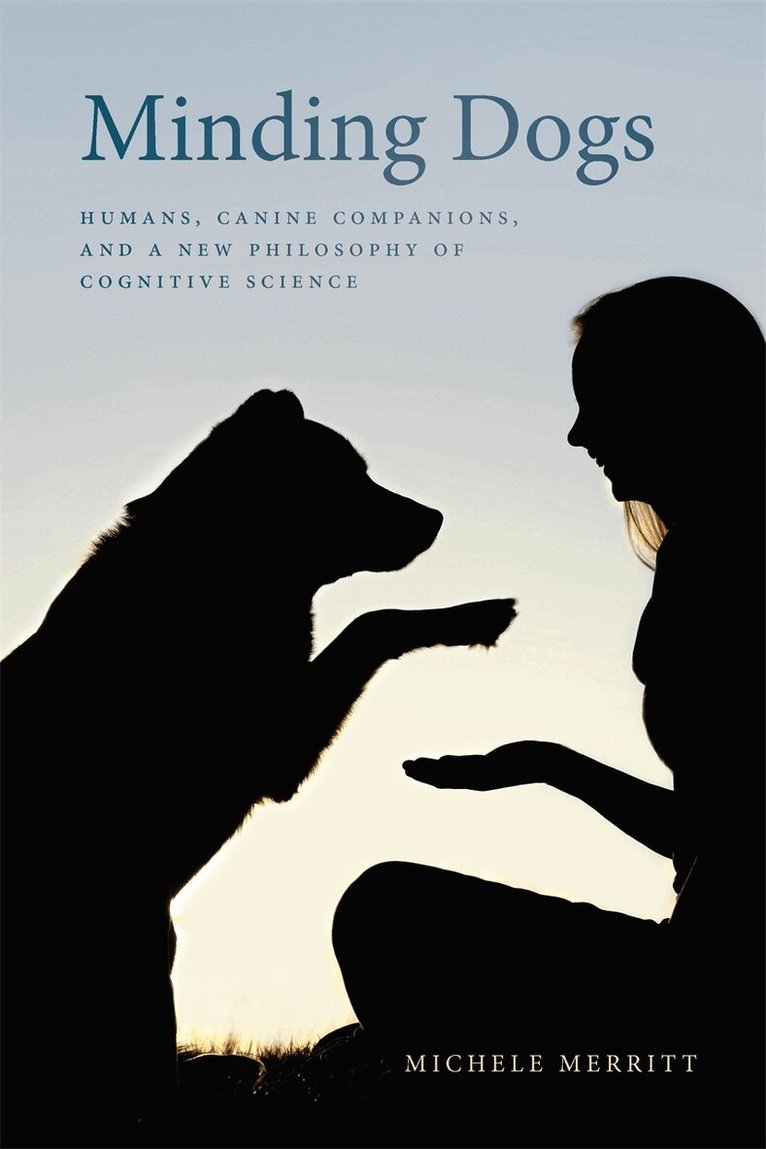
While the past decade has seen a surge of research regarding canine cognition, this newfound interest has not caught the attention of many philosophers. Studies pertaining to dog minds have been pouring out of canine cognition labs all over the world, but they remain relatively ensconced within the scientific, sociological, and anthropological communities, and very little philosophical thought on dog cognition exists.Philosophers certainly have not shied away from theorizing about the nature of nonhuman animal cognition generally. Theories range from Cartesian disavowal of all nonhuman intelligence to arguments that even fish have complex minds and therefore humans should not eat them. Serious philosophical considerations about dogs and their relationship to humans, however, remain incredibly rare. Even less common, if not entirely nonexistent, is a critical examination of the question “What are dogs thinking?” and what asking and attempting to answer this question reveals, not so much about dogs, but about us.With Minding Dogs Michele Merritt attempts to fill two significant gaps in the philosophy of animal cognition. First, she adds to the growing discussion on canine cognition, which has been overlooked until recently and requires more consideration. Second, she takes seriously our dynamic collaborations with our canine friends as crucial to understanding both their minds and our own.
Häftad, Engelska, 2021
464 kr
Skickas inom 3-6 vardagar
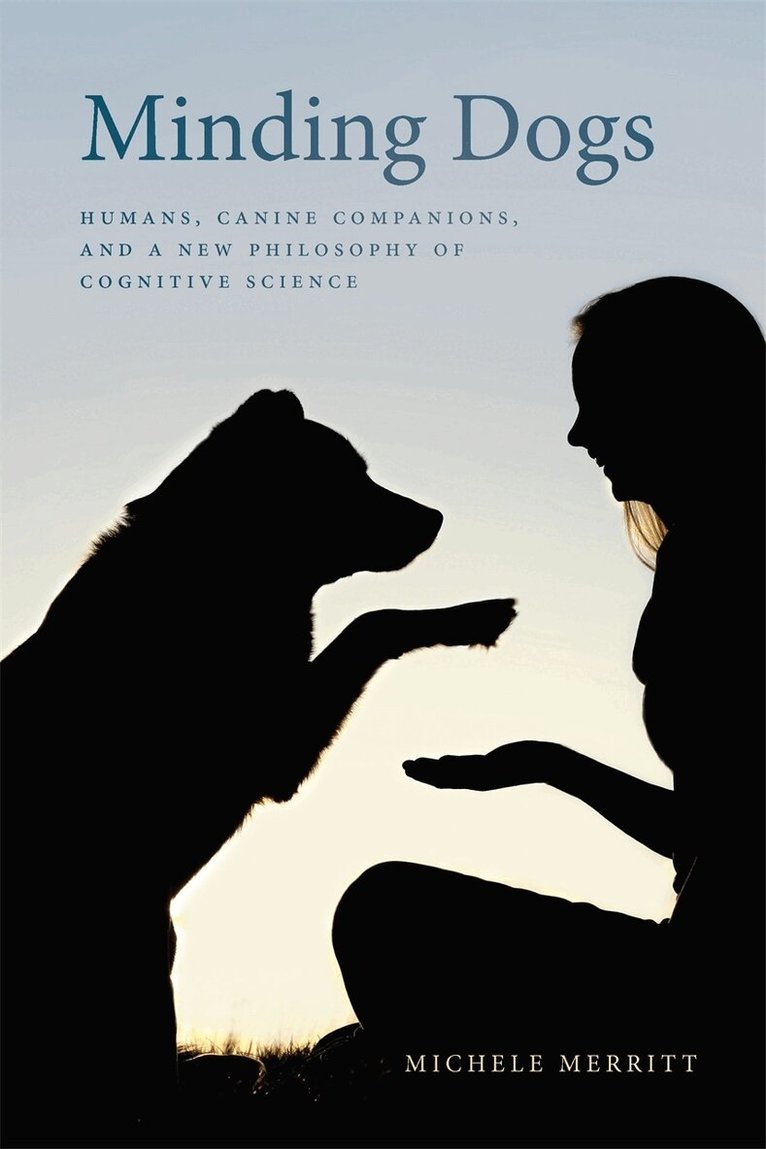
While the past decade has seen a surge of research regarding canine cognition, this newfound interest has not caught the attention of many philosophers. Studies pertaining to dog minds have been pouring out of canine cognition labs all over the world, but they remain relatively ensconced within the scientific, sociological, and anthropological communities, and very little philosophical thought on dog cognition exists.Philosophers certainly have not shied away from theorizing about the nature of nonhuman animal cognition generally. Theories range from Cartesian disavowal of all nonhuman intelligence to arguments that even fish have complex minds and therefore humans should not eat them. Serious philosophical considerations about dogs and their relationship to humans, however, remain incredibly rare. Even less common, if not entirely nonexistent, is a critical examination of the question “What are dogs thinking?” and what asking and attempting to answer this question reveals, not so much about dogs, but about us.With Minding Dogs Michele Merritt attempts to fill two significant gaps in the philosophy of animal cognition. First, she adds to the growing discussion on canine cognition, which has been overlooked until recently and requires more consideration. Second, she takes seriously our dynamic collaborations with our canine friends as crucial to understanding both their minds and our own.
Häftad, Engelska, 2022
356 kr
Skickas inom 3-6 vardagar
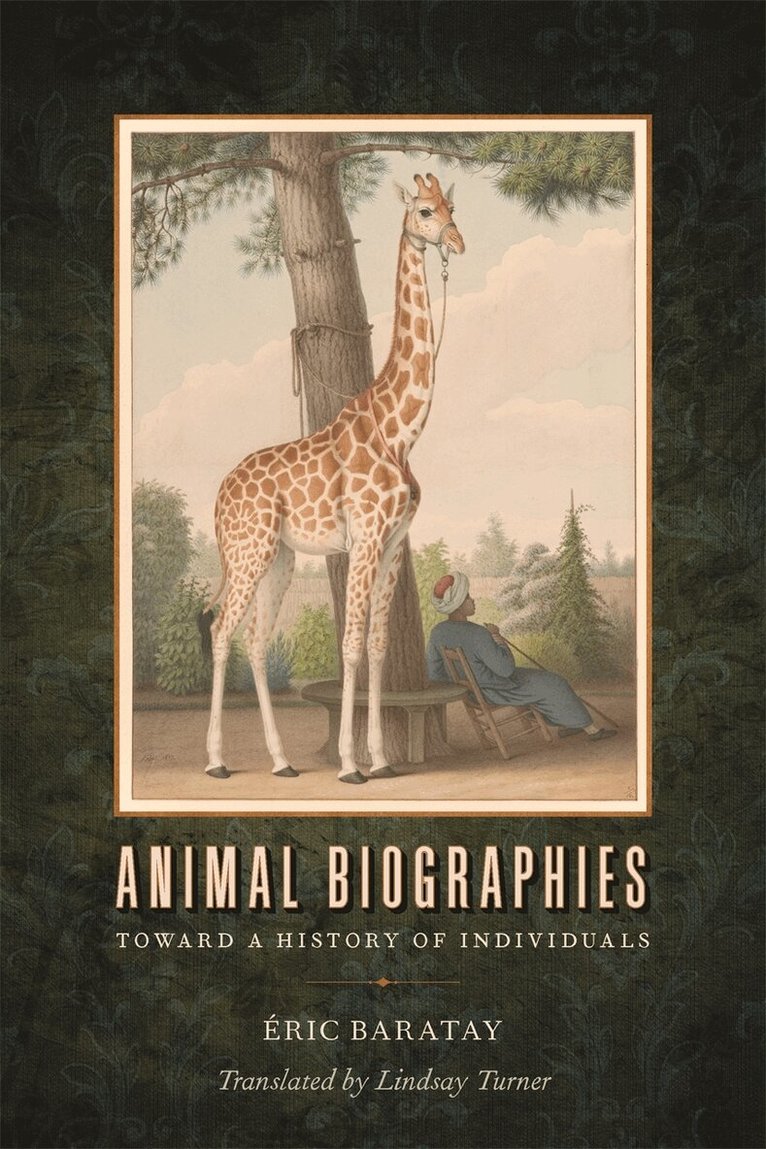
What would we learn if animals could tell their own stories? Éric Baratay, a pioneering researcher in animal histories in France, applies his knowledge of historical methodologies to give voice to some of the nineteenth and twentieth centuries’ most interesting animals. He offers brief yet innovative accounts of these animals’ lives in a way that challenges the reader’s thinking about animals. Baratay illustrates the need to develop a nonanthropocentric means of viewing the lives of animals and including animals themselves in the narrative of their lives. Animal Biographies launches an all-new investigation into the lives of animals and is a major contribution to the field of animal studies.This English translation of Éric Baratay’s Biographies animales: Des Vies retrouvées, originally published in France in 2017 (Éditions du Seuil), uses firsthand accounts starting from the nineteenth century about specific animals who lived in Europe and the United States to reconstruct, as best as possible, their stories as they would have experienced them. History is, after all, not just the domain of humans. Animals have their own. Baratay breaks the model of human exceptionalism to give us the biographies of some of history and literature’s most famous animals. The reader will catch a glimpse of storied lives as told by Modestine, the donkey who carried Robert Louis Stevenson through the Alps; Warrior, the World War I horse made famous in Steven Spielberg’s War Horse; Islero, the bull who gored Spain’s greatest bullfighter; and others. Through these stories we discover their histories, their personalities, and their shared experiences with others of their species.
Häftad, Engelska, 2024
484 kr
Skickas inom 3-6 vardagar
Using testimonies written between the middle of the eighteenth century and the beginning of the twenty-first, nourished by ethology and the human and social sciences, Feline Cultures extends the unique track of animal studies that Éric Baratay pursues from book to book. As with his Animal Biographies: Toward a History of Individuals, Baratay breaks the model of human exceptionalism to create innovative accounts of these animals’ lives in a way that challenges the reader’s thinking about animals. Baratay is not interested in seeing how humans think about or treat these animals. Instead, he chooses to observe the animal’s perspective to document how individual cats have carried out their lives. He writes from the point of view of these animals to understand what they felt and experienced and how they reacted. Whether they be street cats, farm cats, pet cats, companion cats, or "catdogs,” cats show a great plasticity of behavior. This book establishes that cats have their own cultures and adaptations and, therefore, their own history. Through tight portraits, the dynamic construction of what we can call cultures is revealed. Here we are far from the eternal portrait of the cat—independent, unpredictable, and mysterious—that has become commonplace. For each of the domestic cats whose existence can be reconstructed from his sources, Baratay pays attention to their perceptions of the world, their sensations and their emotions, their sensitivity and character, their bodily expressiveness, and their interactions with the environment, other animals, and humans. Ethology becomes, under the alert pen of Éric Baratay, an ethnology.
Inbunden, Engelska, 2026
1 625 kr
Skickas inom 5-8 vardagar
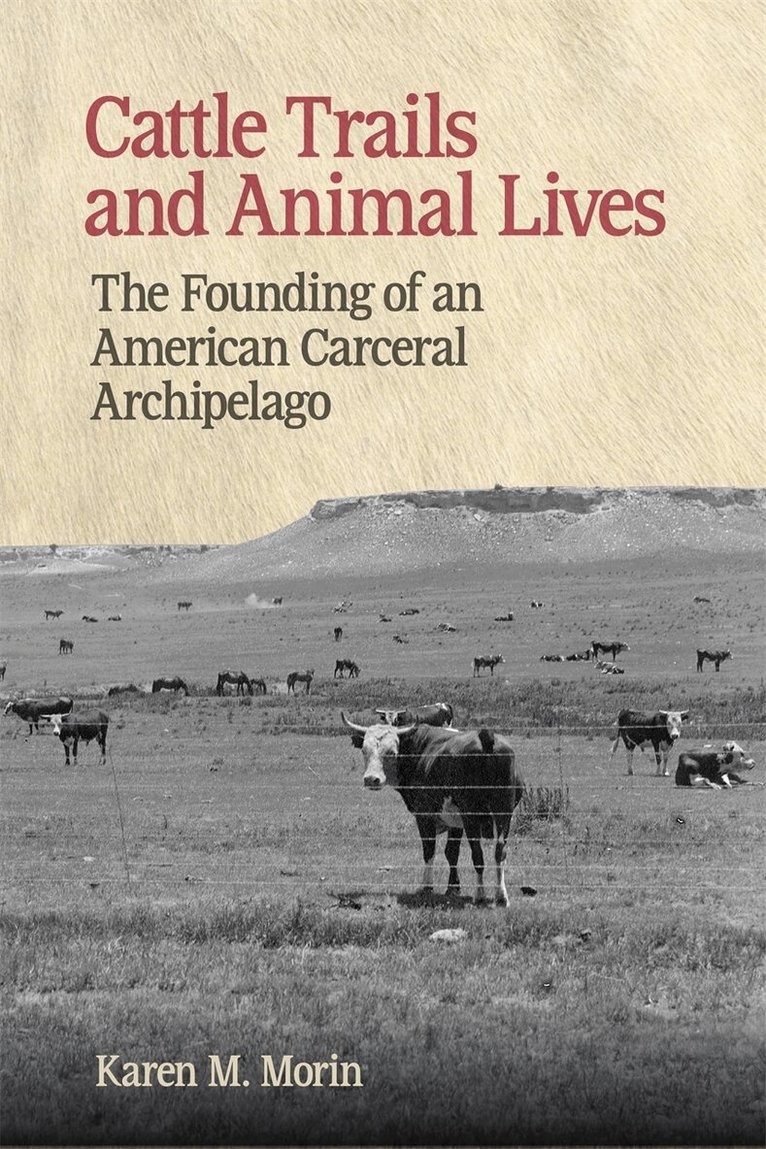
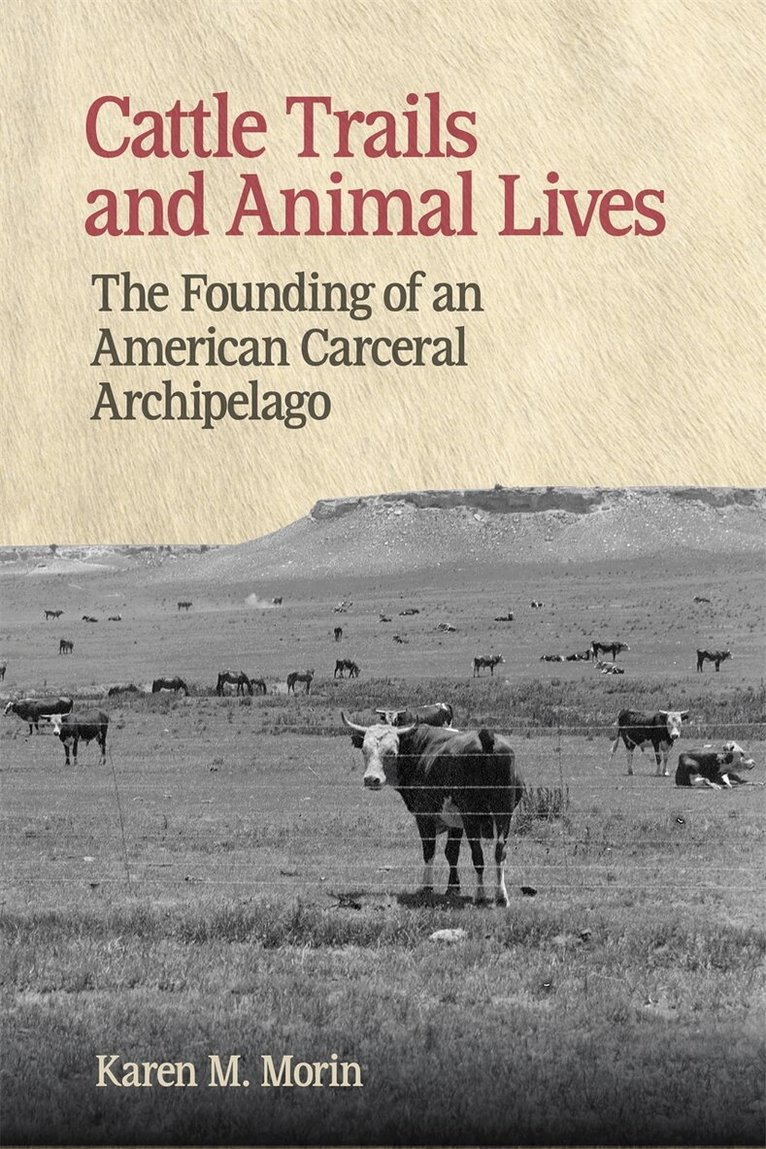
Cattle Trails and Animal Lives remaps the historical and empirical geography of the emergent cattle industry as a series of carceral sites and nodes in the American West, focusing on the experiences of animals living and eventually dying under intense carceral structures, practices, technologies, and tools. This work shifts the narratives of the Old West cattle kingdoms from cowboys, ranchers, and cattle barons to the lived experiences of cattle caught within the rural “carceral archipelago” of the emergent U.S. beef industry. The work focuses on these animals’ forced movement over land and sea—their experiences, lives, and agency as formerly free-roaming animals who were captured, enclosed, moved, and eventually shipped by railroad to slaughterhouses in Chicago and beyond. The spatial nodes and sites of the carceral archipelago include the open range, the ranch, the cattle trail, and the cattle town and the intense human carceral controls enacted within them. The work further interprets how these animal lives are culturally renarrated to contemporary audiences through living history sites, other touristic and artistic re-creations of historic cattle drives, Hollywood westerns, and museum exhibits featuring material carceral artefacts. Together these not only perpetuate heroic myths of the Old West but normalize and even celebrate the carceral experiences of animals.
Häftad, Engelska, 2026
332 kr
Skickas inom 5-8 vardagar
Cattle Trails and Animal Lives remaps the historical and empirical geography of the emergent cattle industry as a series of carceral sites and nodes in the American West, focusing on the experiences of animals living and eventually dying under intense carceral structures, practices, technologies, and tools. This work shifts the narratives of the Old West cattle kingdoms from cowboys, ranchers, and cattle barons to the lived experiences of cattle caught within the rural “carceral archipelago” of the emergent U.S. beef industry. The work focuses on these animals’ forced movement over land and sea—their experiences, lives, and agency as formerly free-roaming animals who were captured, enclosed, moved, and eventually shipped by railroad to slaughterhouses in Chicago and beyond. The spatial nodes and sites of the carceral archipelago include the open range, the ranch, the cattle trail, and the cattle town and the intense human carceral controls enacted within them. The work further interprets how these animal lives are culturally renarrated to contemporary audiences through living history sites, other touristic and artistic re-creations of historic cattle drives, Hollywood westerns, and museum exhibits featuring material carceral artefacts. Together these not only perpetuate heroic myths of the Old West but normalize and even celebrate the carceral experiences of animals.