Anthem Studies in Innovation and Development - Böcker
Visar alla böcker i serien Anthem Studies in Innovation and Development. Handla med fri frakt och snabb leverans.
4 produkter
4 produkter
1 371 kr
Skickas inom 5-8 vardagar
‘The Learning Economy and the Economics of Hope’ brings together the most important contributions by an expert on policies, management and economics of innovation and knowledge. It offers original insights in processes of innovation and learning and it draws implications for economic theory and public policy. It introduces the reader to important concepts such as innovation systems and the learning economy. It throws a new light on economic development and opens up for a new kind of economics – the economics of hope. It offers a fresh perspective on many of the most important global challenges of today showing how full attention to the characteristics of the learning economy needs to be combined with innovation in global governance. The analysis demonstrates that new technology is developed in an interaction between individuals and organizations and that innovation would not thrive in an economy similar to textbook models of pure markets and perfect competition. It also shows that innovation requires that scientific knowledge is combined with experience based learning and that the performance of innovation systems therefore reflects the combination of research efforts and organizational learning. Growing inequality in income and in access to knowledge and learning is presented as a threat to social cohesion and global well-being. In the concluding part of the book the conceptual framework is used to study how China’s innovation system and policy, Europe’s crisis and underdevelopment in Africa interact is shaping an imbalanced and crisis ridden world system. A new kind of economics, policy learning and new regimes of global governance are presented as elements of hope for the future.
574 kr
Skickas inom 5-8 vardagar
‘The Learning Economy and the Economics of Hope’ brings together the most important contributions by an expert on policies, management and economics of innovation and knowledge. It offers original insights in processes of innovation and learning and it draws implications for economic theory and public policy. It introduces the reader to important concepts such as innovation systems and the learning economy. It throws a new light on economic development and opens up for a new kind of economics – the economics of hope. It offers a fresh perspective on many of the most important global challenges of today showing how full attention to the characteristics of the learning economy needs to be combined with innovation in global governance. The analysis demonstrates that new technology is developed in an interaction between individuals and organizations and that innovation would not thrive in an economy similar to textbook models of pure markets and perfect competition. It also shows that innovation requires that scientific knowledge is combined with experience based learning and that the performance of innovation systems therefore reflects the combination of research efforts and organizational learning. Growing inequality in income and in access to knowledge and learning is presented as a threat to social cohesion and global well-being. In the concluding part of the book the conceptual framework is used to study how China’s innovation system and policy, Europe’s crisis and underdevelopment in Africa interact is shaping an imbalanced and crisis ridden world system. A new kind of economics, policy learning and new regimes of global governance are presented as elements of hope for the future.
1 254 kr
Skickas inom 5-8 vardagar
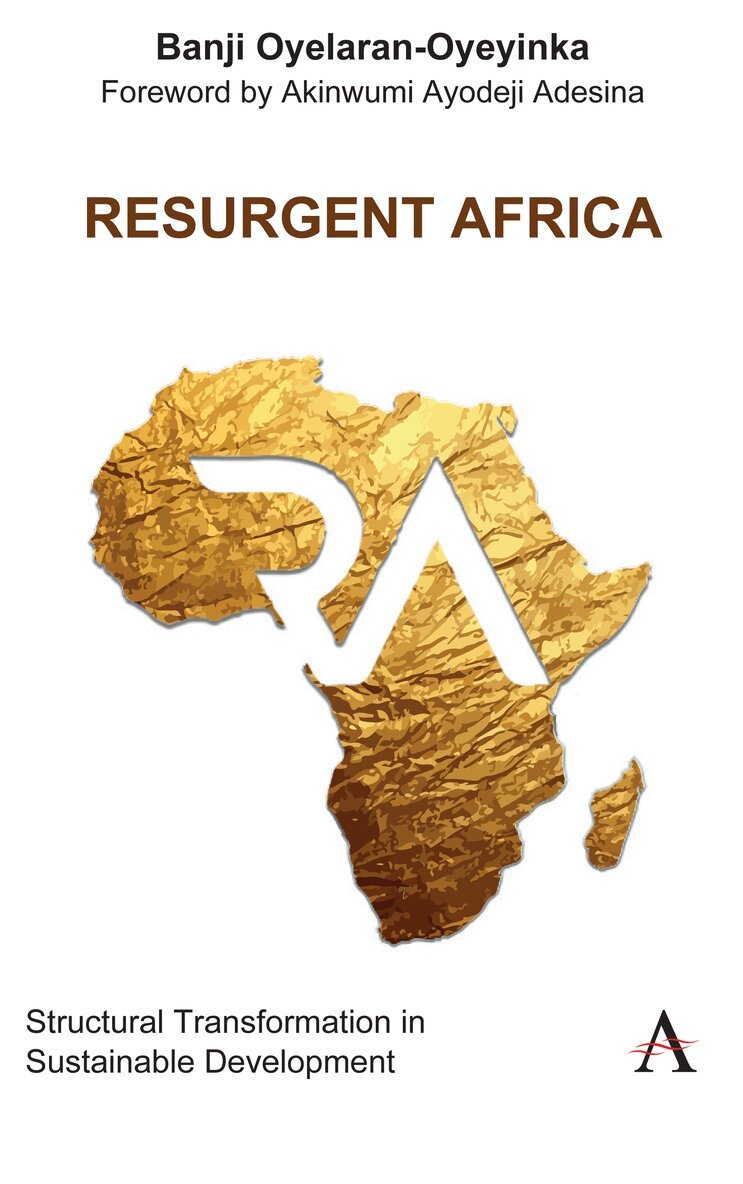
‘Resurgent Africa: Structural Transformation in Sustainable Development’ is a study of structural change dynamics in Africa and its effect on job creation, living standards and the efficiency of productive cities through manufacturing productivity growth that benefit the majority. Empirical data from selected African countries, including Nigeria, Ghana, South Africa, Kenya, Rwanda and Ethiopia, provides in-depth analysis and knowledge of the continent’s diversified economies by establishing relationships between industrialization trends; rates of urbanization; and urban living standards, income growth and employment in Africa. The findings reveal unconventional pathways of structural change, patterns of jobless growth suggesting economic growth that does not necessarily lead to employment, dominance of services at the expense of manufacturing industry explaining the regress in Africa’s industrial sector and occurrence of structural transformation without improvement in labour productivity. These are important concerns for Africa’s long-term development leading to the conclusion that sustainable urbanization and industrialization are not only closely connected but also key drivers of economic change. The book includes recommendations for policymakers to adopt a new approach to development for a resurgent Africa.
402 kr
Skickas inom 5-8 vardagar
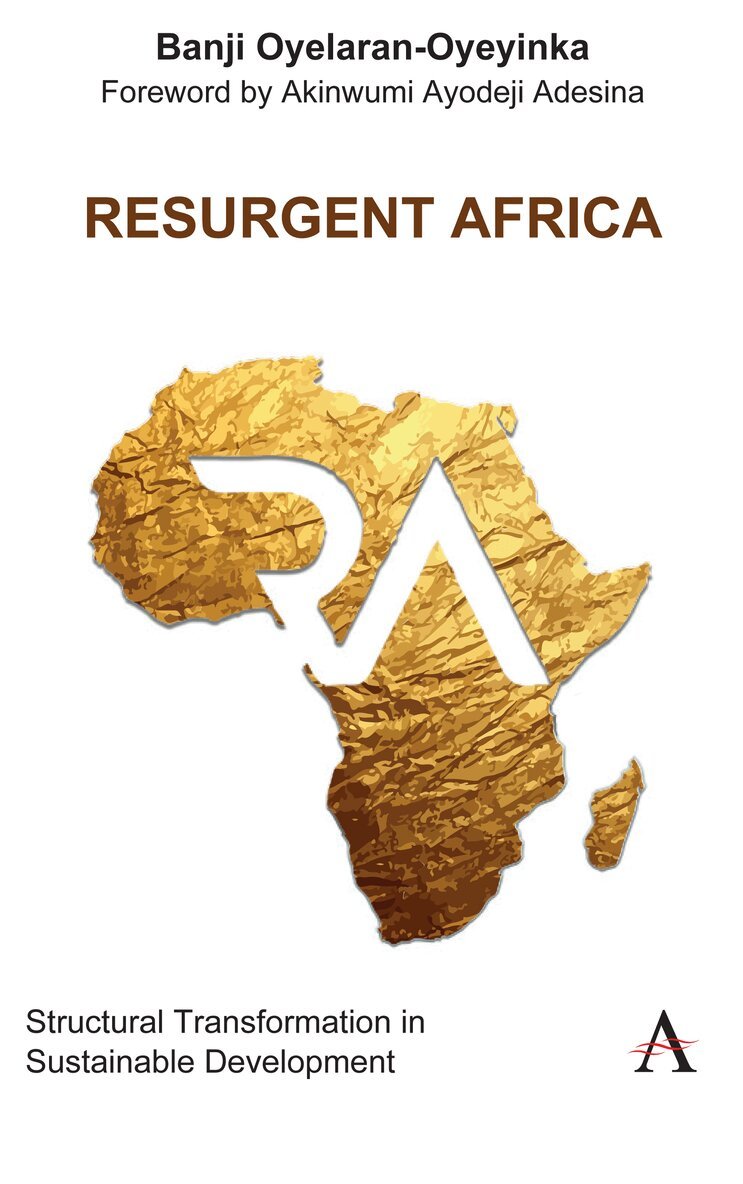
‘Resurgent Africa: Structural Transformation in Sustainable Development’ is a study of structural change dynamics in Africa and its effect on job creation, living standards and the efficiency of productive cities through manufacturing productivity growth that benefit the majority. Empirical data from selected African countries, including Nigeria, Ghana, South Africa, Kenya, Rwanda and Ethiopia, provides in-depth analysis and knowledge of the continent’s diversified economies by establishing relationships between industrialization trends; rates of urbanization; and urban living standards, income growth and employment in Africa. The findings reveal unconventional pathways of structural change, patterns of jobless growth suggesting economic growth that does not necessarily lead to employment, dominance of services at the expense of manufacturing industry explaining the regress in Africa’s industrial sector and occurrence of structural transformation without improvement in labour productivity. These are important concerns for Africa’s long-term development leading to the conclusion that sustainable urbanization and industrialization are not only closely connected but also key drivers of economic change. The book includes recommendations for policymakers to adopt a new approach to development for a resurgent Africa.