Archaeology of the Biblical Worlds – serie
Visar alla böcker i serien Archaeology of the Biblical Worlds. Handla med fri frakt och snabb leverans.
6 produkter
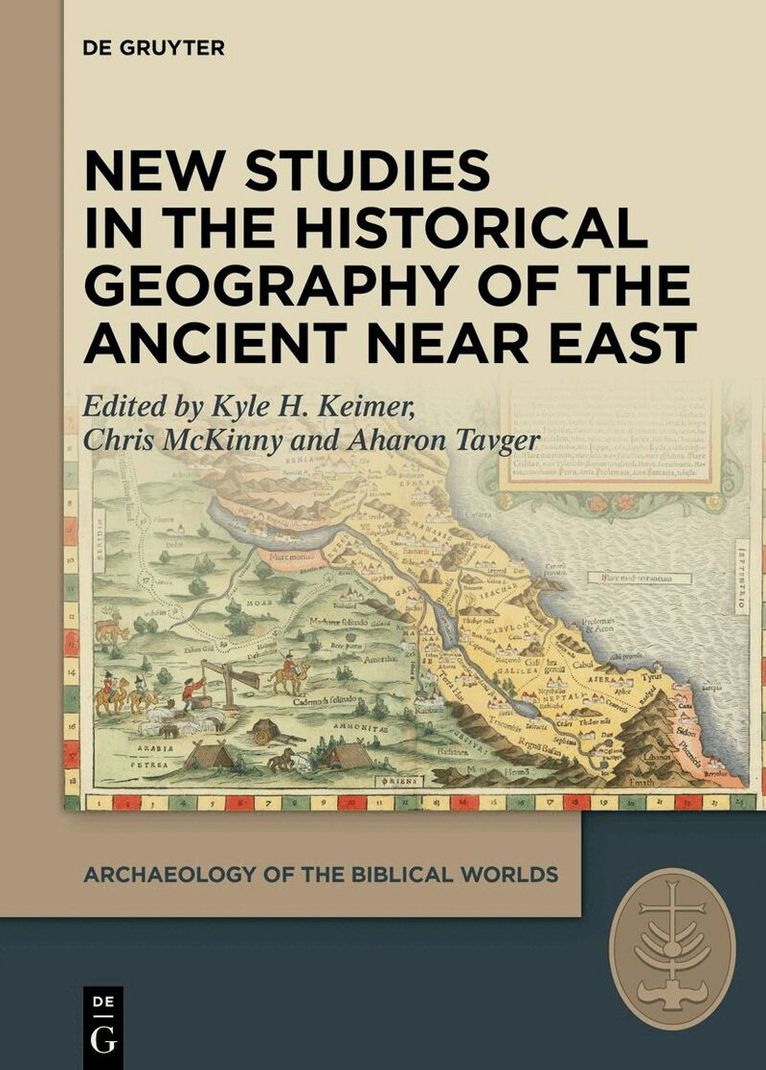
New Studies in the Historical Geography of the Ancient Near East
Av Kyle H. Keimer, Chris McKinny m. fl.
Inbunden, 2025
1621 kr
Lägg i varukorg
Historical geographic studies dominated early biblical and ancient Near Eastern studies as scholars sought to identify and link modern sites and regions with those mentioned in the Bible and other primary sources. As a result, hundreds of ancient sites were identified and the contexts in which past …
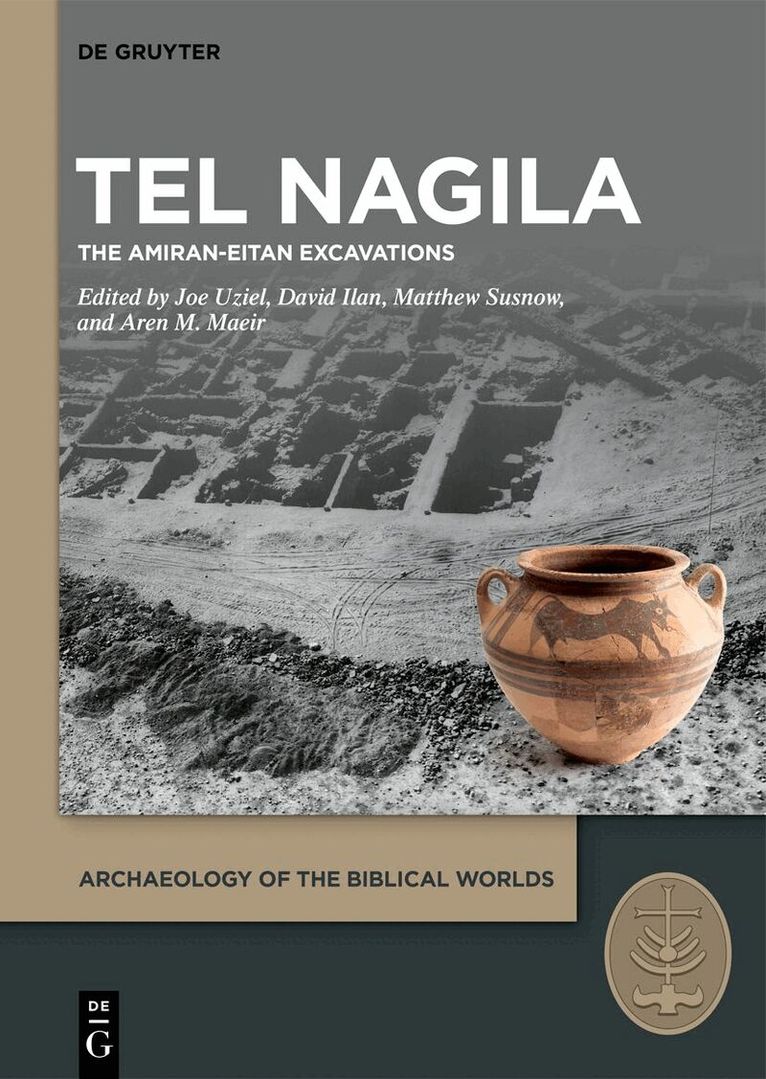
Tel Nagila
The Amiran-Eitan Excavations
Av Joe Uziel, David Ilan m. fl.
Inbunden, 2025
2694 kr
Lägg i varukorg
This volume is an excavation report on the important Bronze and Iron Age site, Tel Nagila. The site was excavated in the 1960s but the report was never published. Tel Nagila was an important Middle Bronze Age site and a Judahite site during Iron Age II. This report includes chapters by experts …
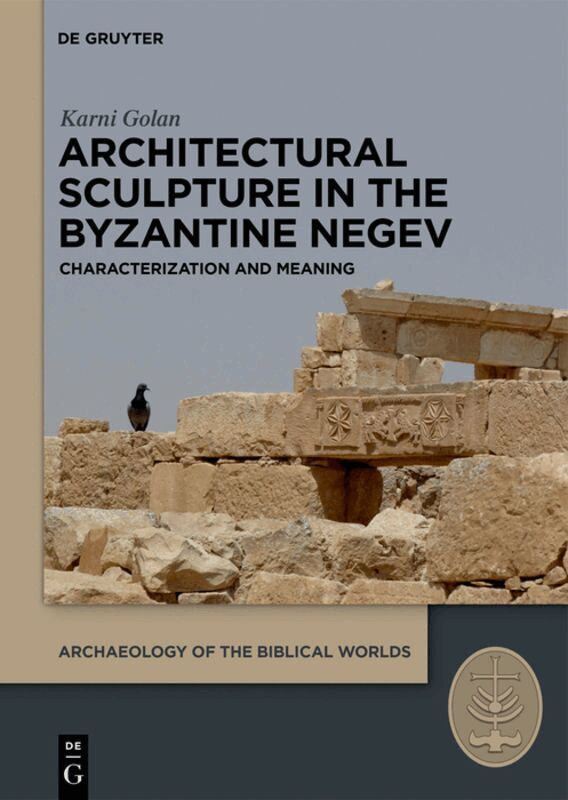
Architectural Sculpture in the Byzantine Negev
Characterization and Meaning
Av Karni Golan
Inbunden, 2020
2350 kr
Lägg i varukorg
This book presents a study and catalogue of the early Christian stone architectural decorations from the Negev Desert (Israel). This work is based on the largest sample of decorated architectural elements from the Byzantine Negev (4th–7th century CE) to have been comparatively studied. The analysis …
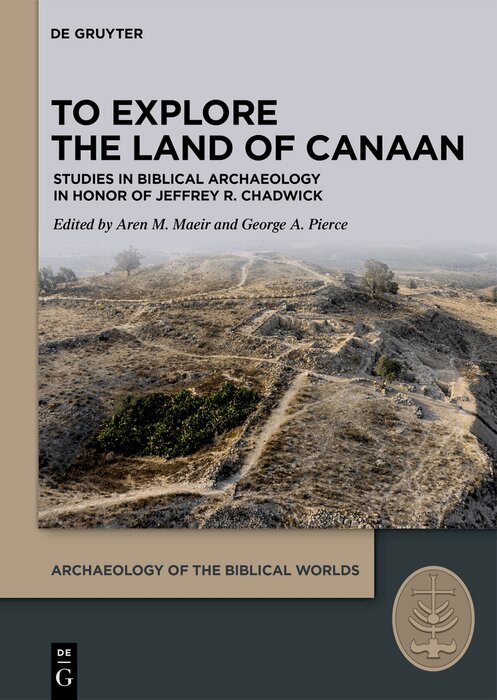
To Explore the Land of Canaan
Studies in Biblical Archaeology in Honor of Jeffrey R. Chadwick
Av Aren M. Maeir, George A. Pierce
Inbunden, 2021
2077 kr
Lägg i varukorg
This volume is a collection of papers by colleagues, friends and students, in honor of Jeffrey Chadwick. The papers cover the various topic that he has dealt with in his career, including biblical historical geography, and the archaeology and history of the Levant and its environs during the Bronze …
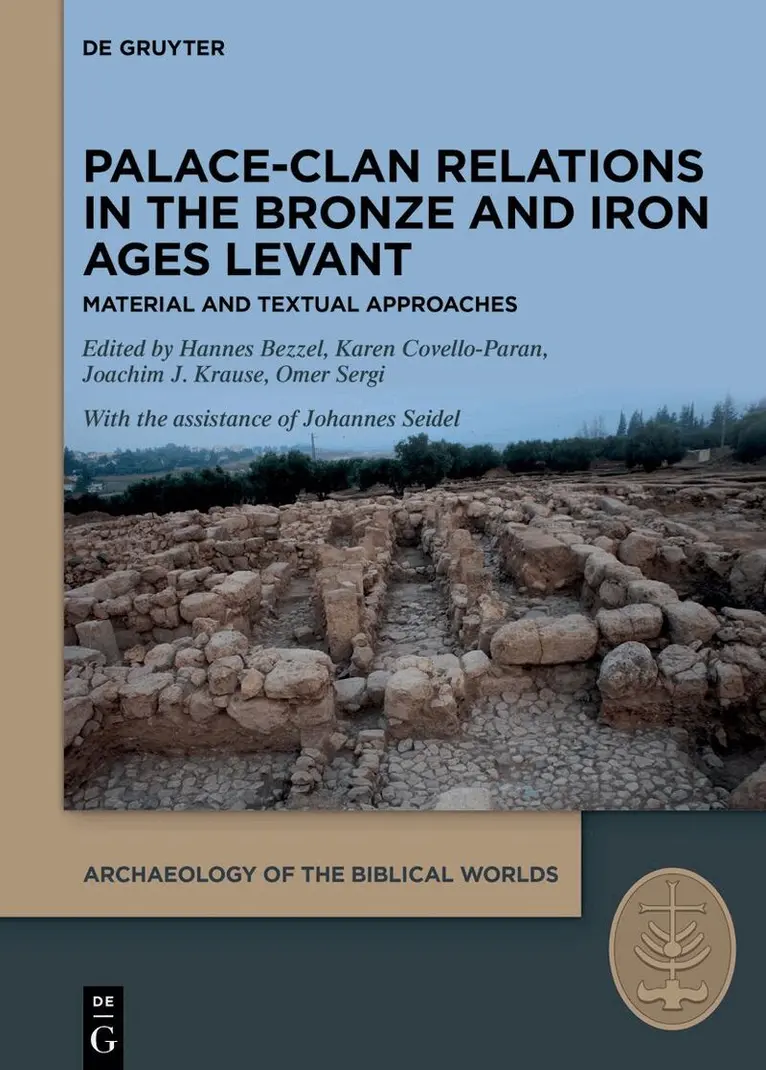
Palace-Clan Relations in the Bronze and Iron Ages Levant
Textual and Material Approaches
Av Hannes Bezzel, Karen Covello-Paran m. fl.
Inbunden, 2025
1627 kr
Lägg i varukorg
Recent studies have demonstrated that ancient Near Eastern societies considered themselves as part of one social fabric, divided not by mode of life or place of residence, but according to traditional associations of kin. Kinship relations appear to maintain their essential integrity over long …
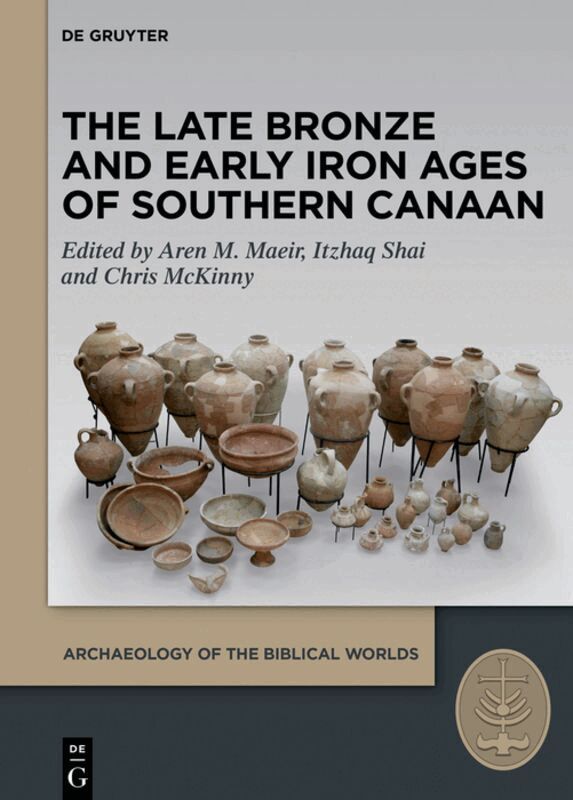
Late Bronze and Early Iron Ages of Southern Canaan
Av Aren M. Maeir, Itzhaq Shai m. fl.
Inbunden, 2019
1790 kr
Tillfälligt slut
The Late Bronze Age in the Levant is a period of much interest to archaeologists, historians and biblical scholars. This is a period with intense international relations, rich in ancient sources, which provide historical data for the period, and is a crucial formative period for the peoples and …