Arnold Student Reference - Böcker
Visar alla böcker i serien Arnold Student Reference. Handla med fri frakt och snabb leverans.
5 produkter
5 produkter
390 kr
Skickas inom 10-15 vardagar
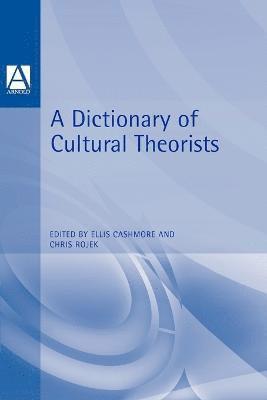
If cultural theory is a minefield, this book is a route map through that field. Prepared by an international team of scholars, the entries in this book provide accessible introductions to the key cultural theorists of the nineteenth and twentieth centuries. Over 200 of the leading figures in the study of culture are listed, together with their key concepts and main arguments, their major works and formative influences. An extensive introduction sets the entries in the appropriate intellectual and historical contexts, and each entry provides links to other seminal figures in the study of culture. as well as a guide to further reading. The dictionary covers a wide spectrum of theorists from fields such as philosophy, economics, sociology, literary criticism, linguistics, psychology and other disciplines from the humanities and social sciences.
631 kr
Skickas inom 10-15 vardagar
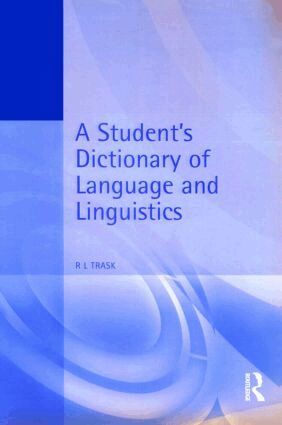
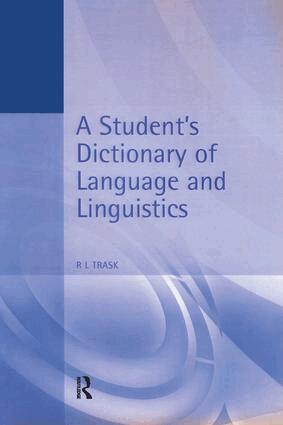
The terminology used in linguistics can be confusing for those encountering the subject for the first time. This dictionary provides accessible and authoritative explanations of the terms and concepts currently in use in all the major areas of language and linguistics, (pronunciation, word structure, sentence structure, meaning) as well as in the study of the social, anthropological, psychological and neurological aspects of language. Entries are clear and unambiguous, and helpful examples are used to clarify where appropriate. Particular attention is given to the terminology of traditional grammar. There are entries for the names of major language families, and there are also brief biographical entries for the major figures in the field, past and present. An extensive cross-referencing system makes the book easy to use: an invaluable annotated bibliography of texts on linguistics makes it an ideal guide for everyone beginning the study of language and linguistics.
1 343 kr
Skickas inom 10-15 vardagar
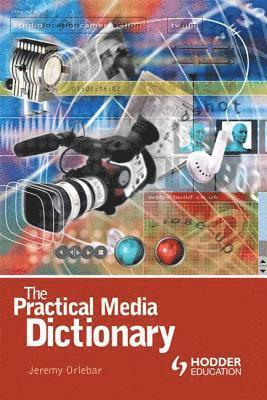
The difficulty for students and new entrants to the industry is that the day-to-day working language, the customised roles and the specific deployment of skills and specialist activities can seem at first daunting and inpenetrable. 'The Practical Media Dictionary' is an essential guide to understanding how the media works and how people in the media talk to each other about their industry.
515 kr
Skickas inom 10-15 vardagar
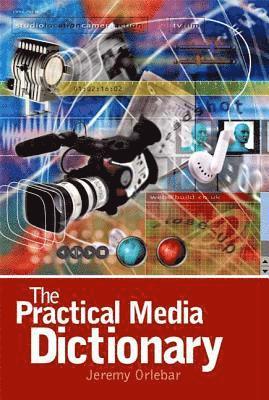
Whether you are creating a poster with a desktop publishing package, making an animated film, working with computer-generated graphics or producing a sophisticated drama on digital video, virtually all media and multimedia courses will have elements of practical work. The difficulty for students and new entrants to the industry is that the day-to-day working language, the customised roles and the specific deployment of skills and specialist activities can seem at first daunting and impenetrable. "The Practical Media Dictionary" is an essential guide to understanding how the media works and how people in the media talk to each other about their industry. It makes the media accessible. It untangles the jargon, and provides you with the knowledge to participate in the production of practical media products. The definitions are clear, uncomplicated and easy to understand relying on very little previous media knowledge. Technical terms are fully explained in everyday language. It includes specialist jargon found in a TV studio, and on location.It includes features such as: The vocabulary of radio production; terms used in multimedia; specialist language of film production; comprehensive job and skills definitions; and frequently accessed organisations associated with practical media production. If you are studying or starting work in the media, this dictionary is an essential companion and a comprehensive guide to successful and practical media production.
2 150 kr
Skickas inom 10-15 vardagar
The terminology used in linguistics can be confusing for those encountering the subject for the first time. This dictionary provides accessible and authoritative explanations of the terms and concepts currently in use in all the major areas of language and linguistics, (pronunciation, word structure, sentence structure, meaning) as well as in the study of the social, anthropological, psychological and neurological aspects of language. Entries are clear and unambiguous, and helpful examples are used to clarify where appropriate. Particular attention is given to the terminology of traditional grammar. There are entries for the names of major language families, and there are also brief biographical entries for the major figures in the field, past and present. An extensive cross-referencing system makes the book easy to use: an invaluable annotated bibliography of texts on linguistics makes it an ideal guide for everyone beginning the study of language and linguistics.