Larry Trask - Böcker
Visar alla böcker från författaren Larry Trask. Handla med fri frakt och snabb leverans.
6 produkter
6 produkter
636 kr
Skickas inom 10-15 vardagar
The terminology used in linguistics can be confusing for those encountering the subject for the first time. This dictionary provides accessible and authoritative explanations of the terms and concepts currently in use in all the major areas of language and linguistics, (pronunciation, word structure, sentence structure, meaning) as well as in the study of the social, anthropological, psychological and neurological aspects of language. Entries are clear and unambiguous, and helpful examples are used to clarify where appropriate. Particular attention is given to the terminology of traditional grammar. There are entries for the names of major language families, and there are also brief biographical entries for the major figures in the field, past and present. An extensive cross-referencing system makes the book easy to use: an invaluable annotated bibliography of texts on linguistics makes it an ideal guide for everyone beginning the study of language and linguistics.
429 kr
Skickas inom 10-15 vardagar
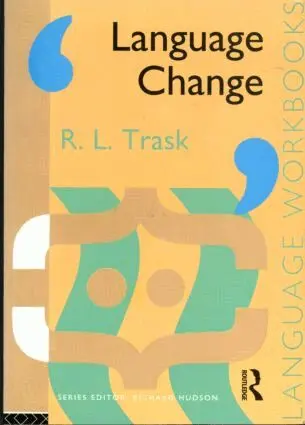
In Language Change , R. L. Trask uses data from English and other languages to introduce the concepts central to language change. Language Change: covers the most frequent types of language change and how languages are born and die uses data-based exercises to show how languages change looks at other key areas such as attitudes to language change, and the consequences of changing language.
370 kr
Skickas inom 7-10 vardagar
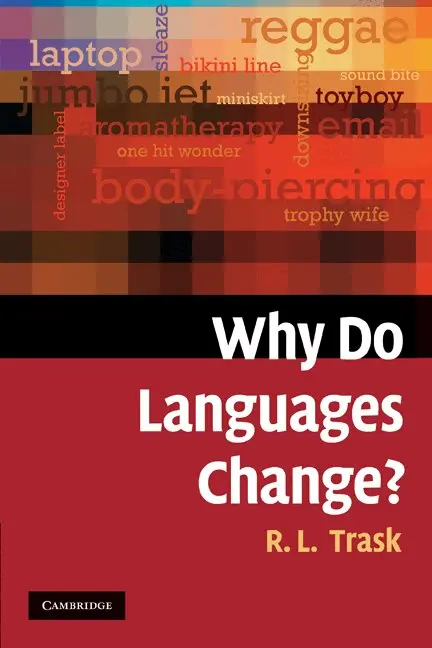
The first recorded English name for the make-up we now call blusher was paint, in 1660. In the 1700s a new word, rouge, displaced paint, and remained in standard usage for around two centuries. Then, in 1965, an advertisement coined a new word for the product: blusher. Each generation speaks a little differently, and every language is constantly changing. It is not only words that change, every aspect of a language changes over time - pronunciation, word-meanings and grammar. Packed with fascinating examples of changes in the English language over time, this entertaining book explores the origin of words and place names, the differences between British and American English, and the apparent eccentricities of the English spelling system. Amusingly written yet deeply instructive, it will be enjoyed by anyone involved in studying the English language and its history, as well as anyone interested in how and why languages change.
767 kr
Skickas inom 7-10 vardagar
The first recorded English name for the make-up we now call blusher was paint, in 1660. In the 1700s a new word, rouge, displaced paint, and remained in standard usage for around two centuries. Then, in 1965, an advertisement coined a new word for the product: blusher. Each generation speaks a little differently, and every language is constantly changing. It is not only words that change, every aspect of a language changes over time - pronunciation, word-meanings and grammar. Packed with fascinating examples of changes in the English language over time, this entertaining book explores the origin of words and place names, the differences between British and American English, and the apparent eccentricities of the English spelling system. Amusingly written yet deeply instructive, it will be enjoyed by anyone involved in studying the English language and its history, as well as anyone interested in how and why languages change.
1 748 kr
Skickas inom 10-15 vardagar
In Language Change , R. L. Trask uses data from English and other languages to introduce the concepts central to language change. Language Change: covers the most frequent types of language change and how languages are born and die uses data-based exercises to show how languages change looks at other key areas such as attitudes to language change, and the consequences of changing language.
2 166 kr
Skickas inom 10-15 vardagar
The terminology used in linguistics can be confusing for those encountering the subject for the first time. This dictionary provides accessible and authoritative explanations of the terms and concepts currently in use in all the major areas of language and linguistics, (pronunciation, word structure, sentence structure, meaning) as well as in the study of the social, anthropological, psychological and neurological aspects of language. Entries are clear and unambiguous, and helpful examples are used to clarify where appropriate. Particular attention is given to the terminology of traditional grammar. There are entries for the names of major language families, and there are also brief biographical entries for the major figures in the field, past and present. An extensive cross-referencing system makes the book easy to use: an invaluable annotated bibliography of texts on linguistics makes it an ideal guide for everyone beginning the study of language and linguistics.