Between Men~Between Women: Lesbian and Gay Studies – serie
Visar alla böcker i serien Between Men~Between Women: Lesbian and Gay Studies. Handla med fri frakt och snabb leverans.
4 produkter
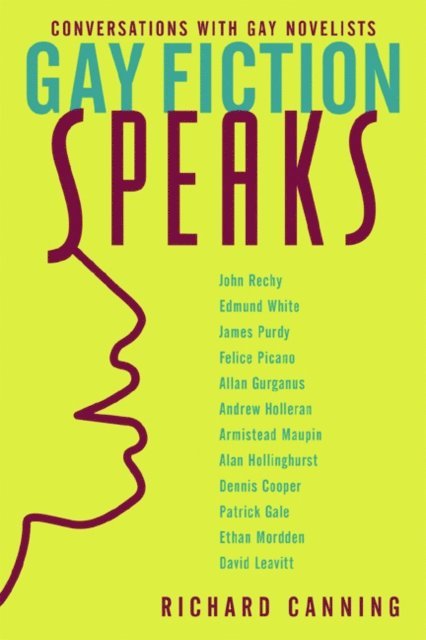
Gay Fiction Speaks
Conversations with Gay Novelists
E-bok, 2001
533 kr
Lägg i varukorg
Today''s most celebrated, prominent, and promising authors of gay fiction in English explore the literary influences and themes of their work in these revealing interviews with Richard Canning. Though the interviews touch upon a wide range of issues—including gay culture, AIDS, politics, art, and …
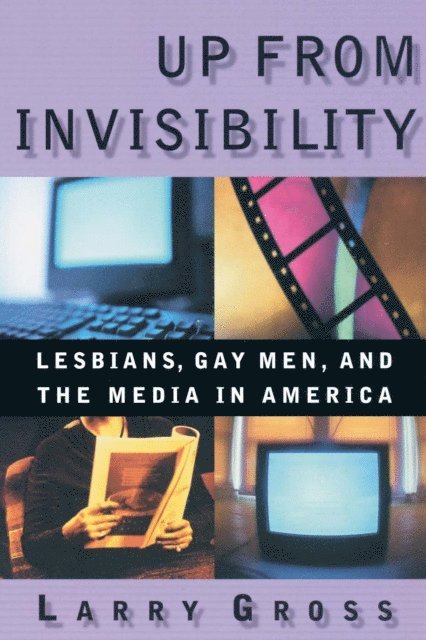
Up from Invisibility
Lesbians, Gay Men, and the Media in America
Av Larry Gross
E-bok, 2001
360 kr
Lägg i varukorg
A half century ago gay men and lesbians were all but invisible in the media and, in turn, popular culture. With the lesbian and gay liberation movement came a profoundly new sense of homosexual community and empowerment and the emergence of gay people onto the media''s stage. And yet even as the …
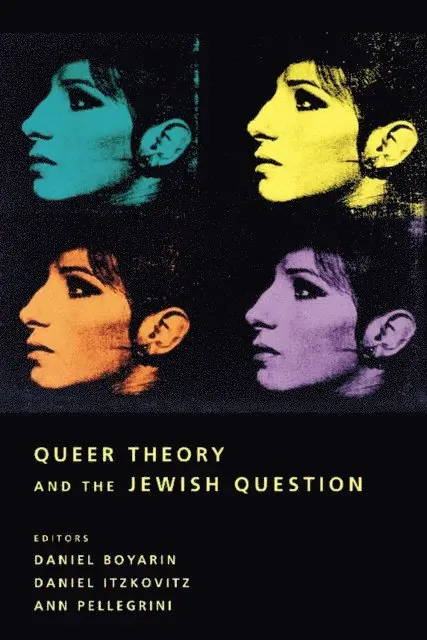
Queer Theory and the Jewish Question
Av Daniel Boyarin, Daniel Itzkovitz m. fl.
E-bok, 2003
530 kr
Lägg i varukorg
The essays in this volume boldly map the historically resonant intersections between Jewishness and queerness, between homophobia and anti-Semitism, and between queer theory and theorizations of Jewishness. With important essays by such well-known figures in queer and gender studies as Judith …
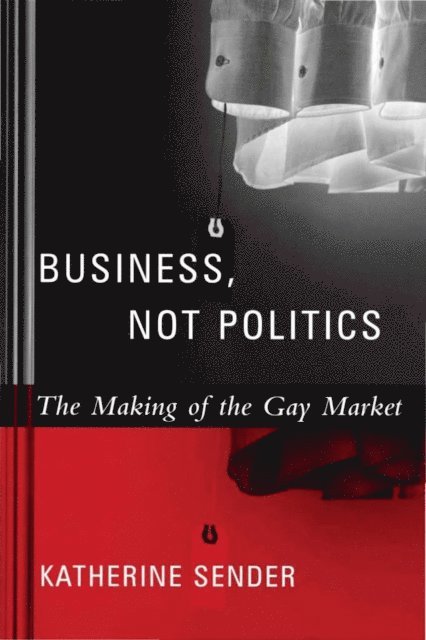
Business, Not Politics
The Making of the Gay Market
E-bok, 2005
795 kr
Lägg i varukorg
In a hard-hitting book that refutes conventional wisdom, Katherine Sender explores the connection between the business of marketing to gay consumers and the politics of gay rights and identity. She disputes some marketers''claims that marketing appeals to gay and lesbian consumers are a matter of …