Bicentennial Reflections on the French Revolution – serie
Visar alla böcker i serien Bicentennial Reflections on the French Revolution. Handla med fri frakt och snabb leverans.
8 produkter
Soldiers of the French Revolution
Av Alan Forrest
Häftad, 1989
354 kr
Lägg i varukorg
In this work Alan Forrest brings together some of the recent research on the Revolutionary army that has been undertaken on both sides of the Atlantic by younger historians, many of whom look to the influential work of Braudel for a model. Forrest places the armies of the Revolution in a broader …
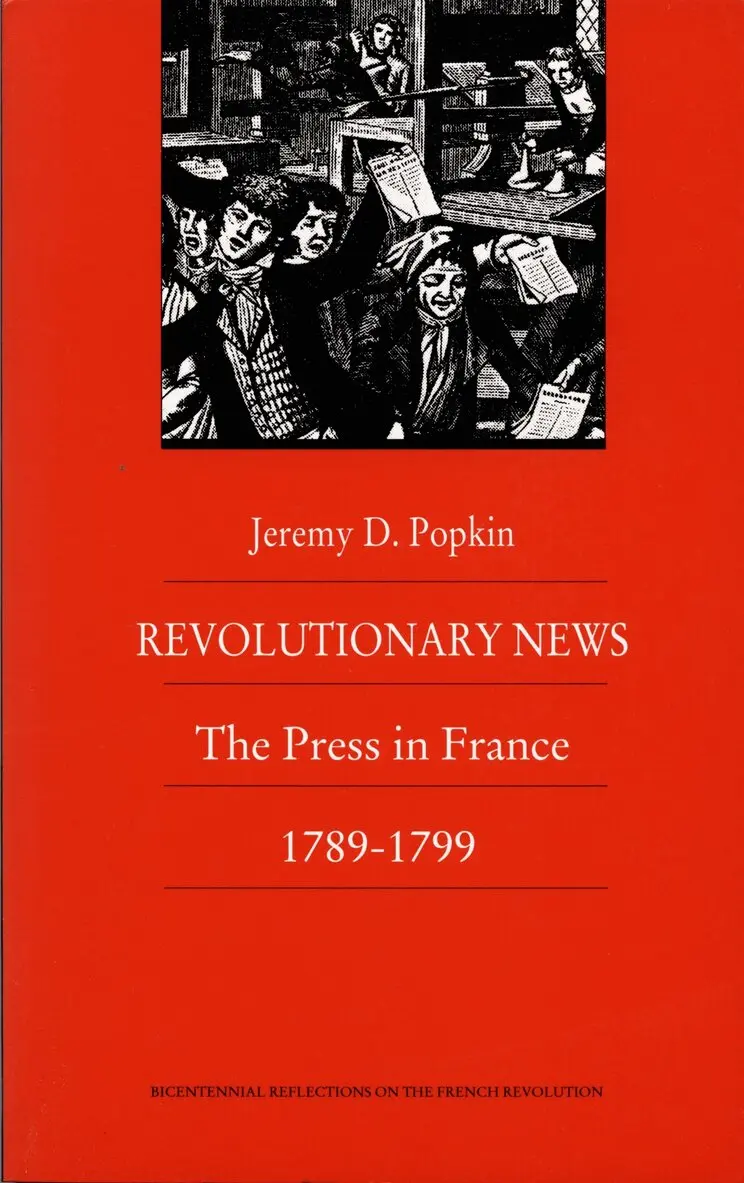
Revolutionary News
The Press in France, 1789–1799
Inbunden, 1990
1480 kr
Lägg i varukorg
The newspaper press was an essential aspect of the political culture of the French Revolution. Revolutionary News highlights the most significant features of this press in clear and vivid language. It breaks new ground in examining not only the famous journalists but the obscure publishers and the …
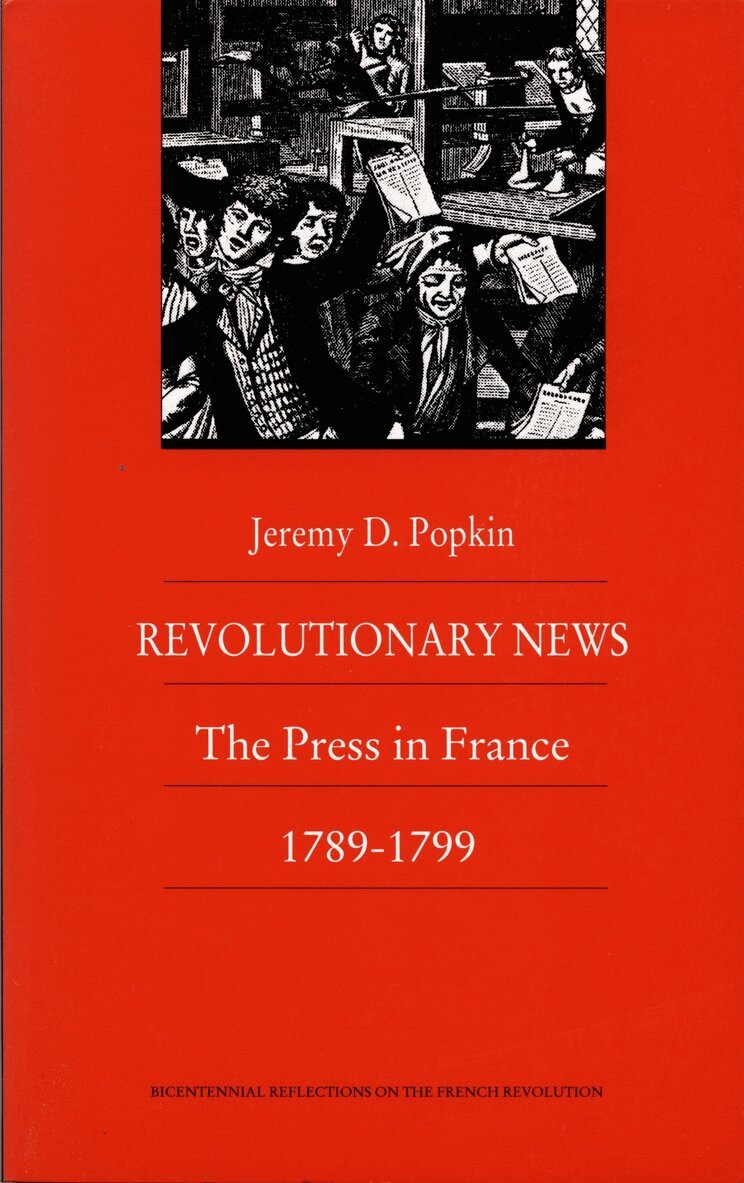
Revolutionary News
The Press in France, 1789–1799
Häftad, 1989
354 kr
Lägg i varukorg
The newspaper press was an essential aspect of the political culture of the French Revolution. Revolutionary News highlights the most significant features of this press in clear and vivid language. It breaks new ground in examining not only the famous journalists but the obscure publishers and the …
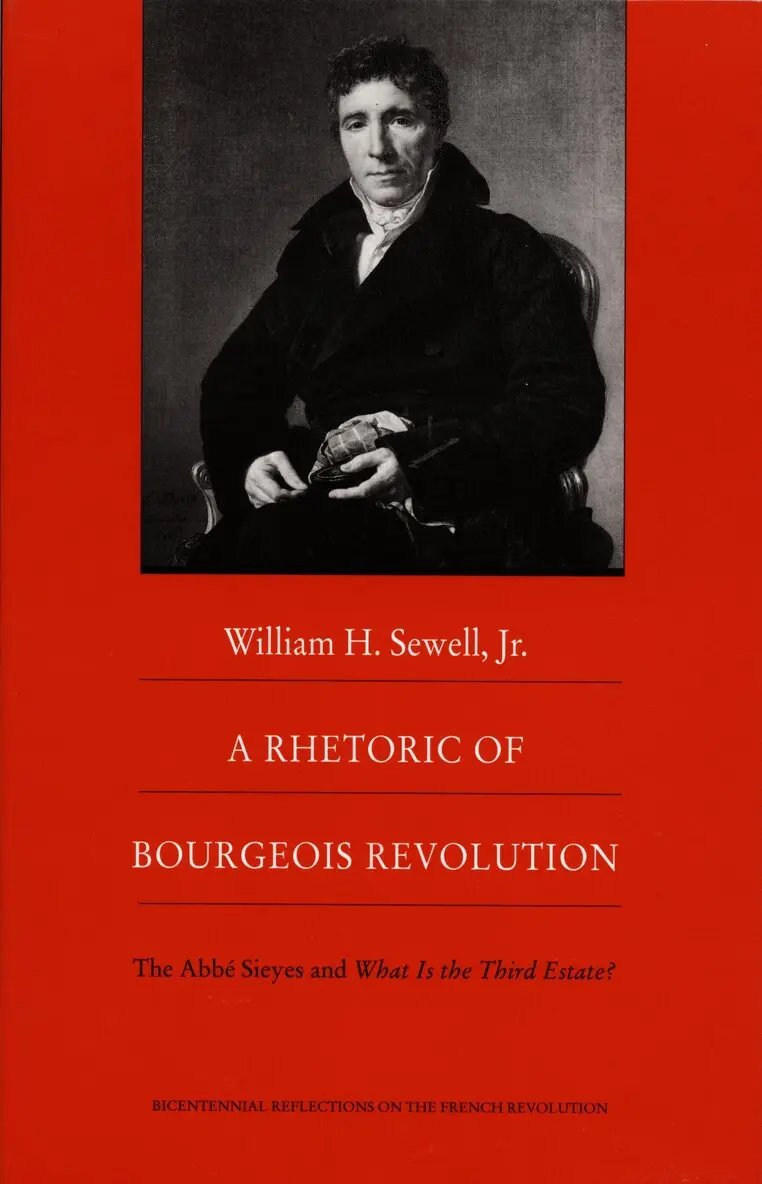
Rhetoric of Bourgeois Revolution
The Abbe Sieyes and What Is the Third Estate?
Inbunden, 1994
1306 kr
Lägg i varukorg
What Is the Third Estate? was the most influential pamphlet of 1789. It did much to set the French Revolution on a radically democratic course. It also launched its author, the AbbÉ Sieyes, on a remarkable political career that spanned the entire revolutionary decade. Sieyes both opened the …
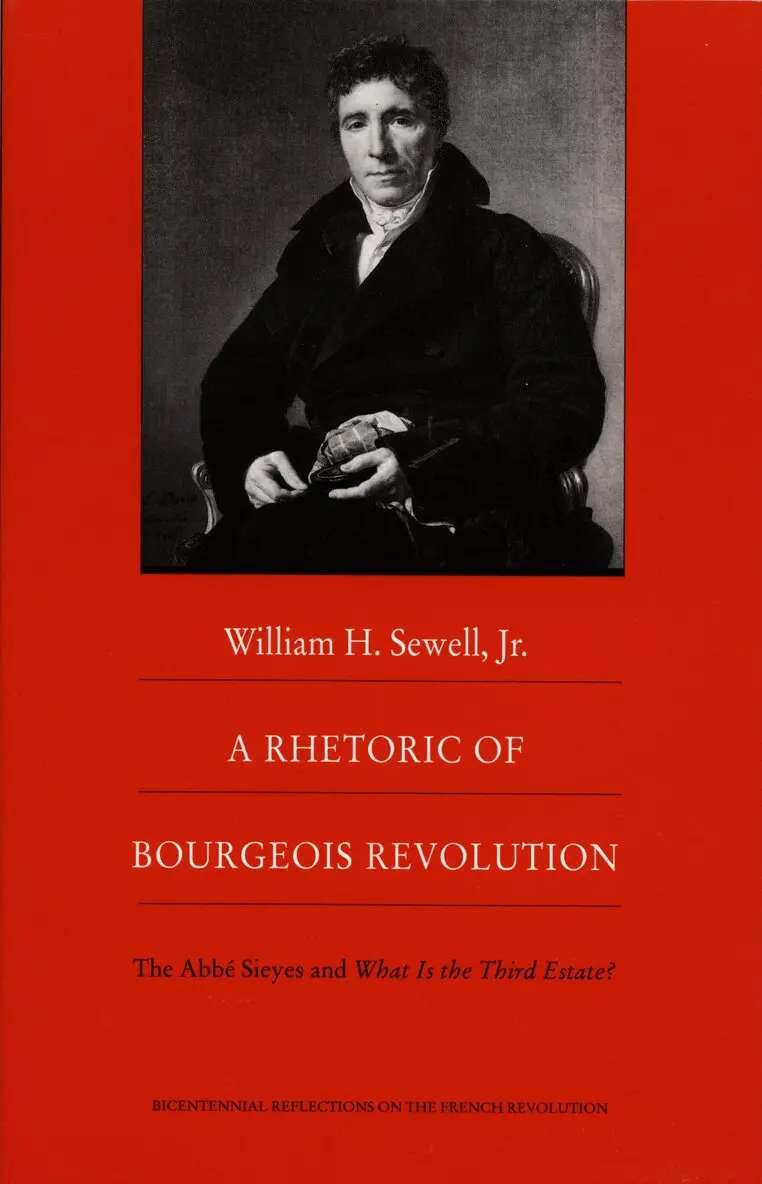
Rhetoric of Bourgeois Revolution
The Abbe Sieyes and What Is the Third Estate?
Häftad, 1994
537 kr
Lägg i varukorg
What Is the Third Estate? was the most influential pamphlet of 1789. It did much to set the French Revolution on a radically democratic course. It also launched its author, the AbbÉ Sieyes, on a remarkable political career that spanned the entire revolutionary decade. Sieyes both opened the …
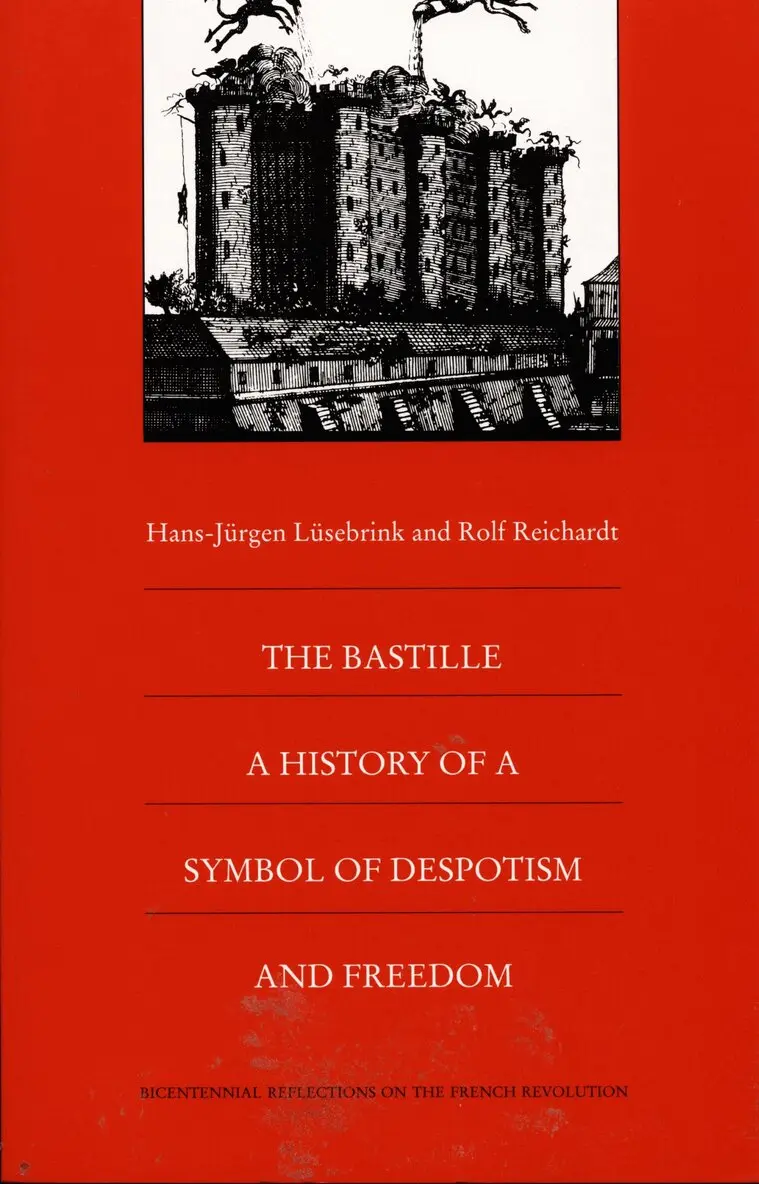
Bastille
A History of a Symbol of Despotism and Freedom
Av Hans-Jurgen Lusebrink, Rolf Reichardt
Häftad, 1997
395 kr
Lägg i varukorg
This book is both an analysis of the Bastille as cultural paradigm and a case study on the history of French political culture. It examines in particular the storming and subsequent fall of the Bastille in Paris on July 14, 1789 and how it came to represent the cornerstone of the French Revolution, …
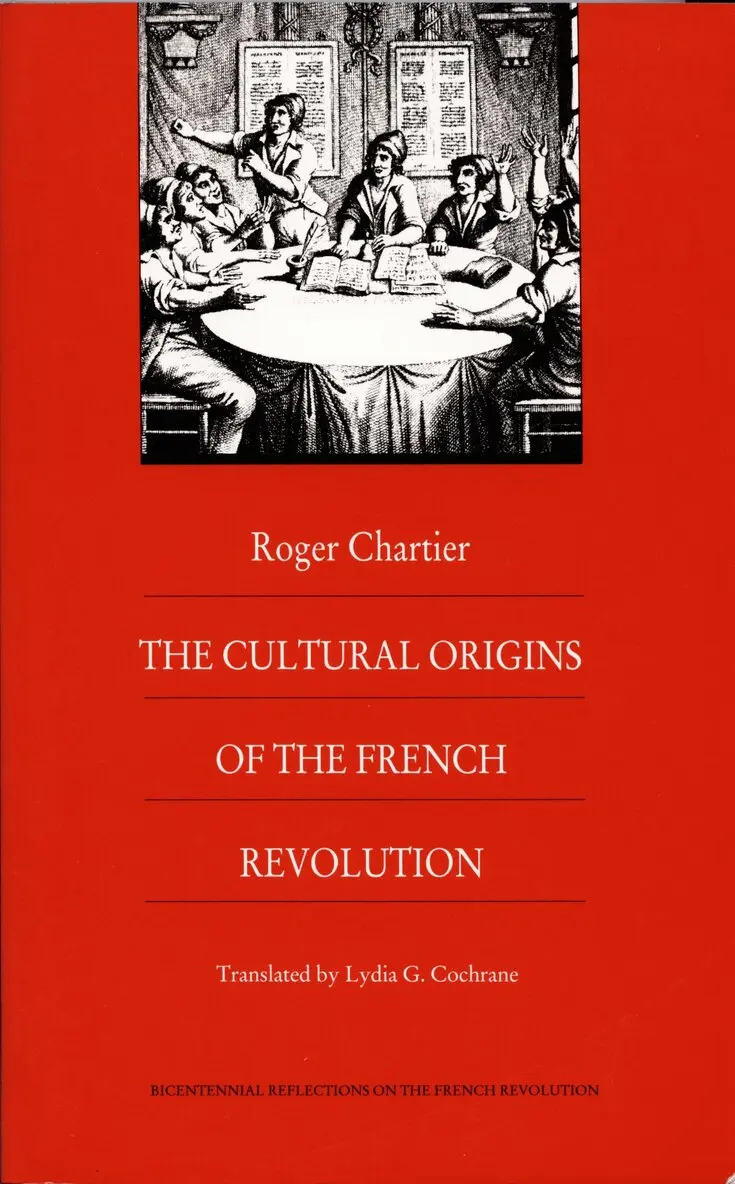
Cultural Origins of the French Revolution
Häftad, 1991
3,0 utav 5 stjärnor. Totalt antal röster: (1)
397 kr
Tillfälligt slut
Reknowned historian Roger Chartier, one of the most brilliant and productive of the younger generation of French writers and scholars now at work refashioning the Annales tradition, attempts in this book to analyze the causes of the French revolution not simply by investigating its “cultural …
Bastille
A History of a Symbol of Despotism and Freedom
Av Hans-Jurgen Lusebrink, Rolf Reichardt
Inbunden, 1997
498 kr
Tillfälligt slut
This book is both an analysis of the Bastille as cultural paradigm and a case study on the history of French political culture. It examines in particular the storming and subsequent fall of the Bastille in Paris on July 14, 1789 and how it came to represent the cornerstone of the French Revolution, …