Bloomsbury USA – serie
Visar alla böcker i serien Bloomsbury USA. Handla med fri frakt och snabb leverans.
7 produkter
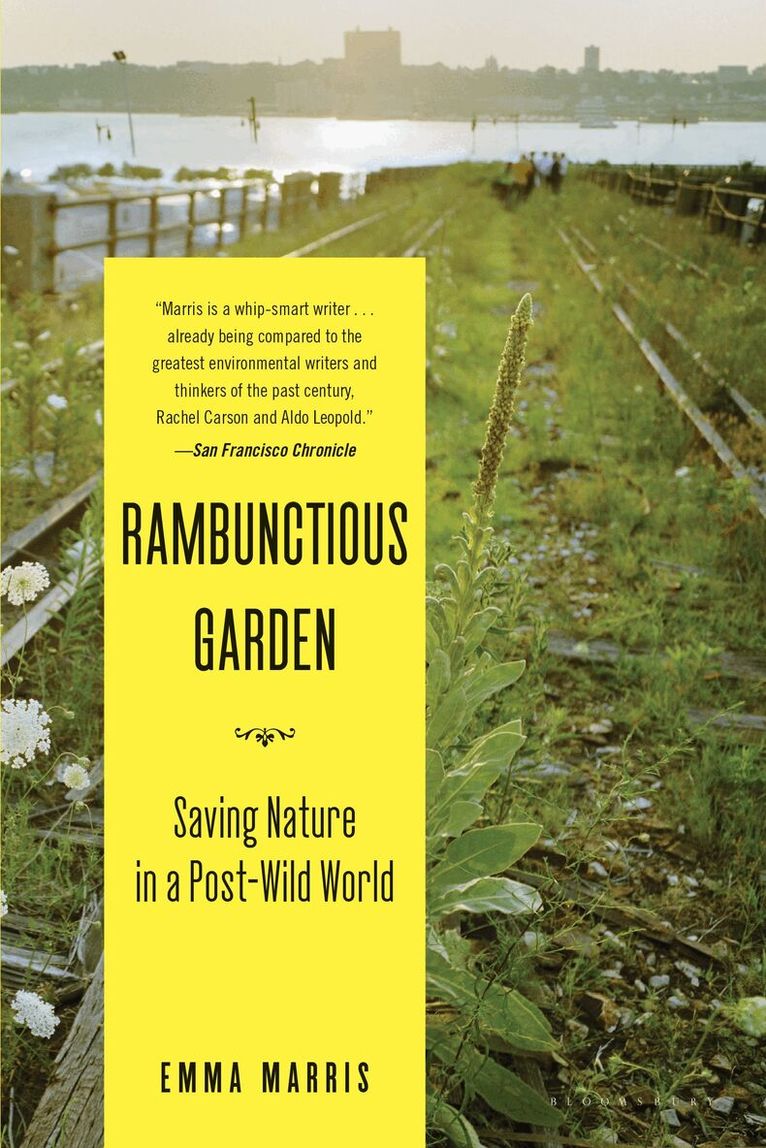
Rambunctious Garden
Saving Nature in a Post-Wild World
Av Emma Marris
Häftad, 2013
5,0 utav 5 stjärnor. Totalt antal röster: (1)
155 kr
Lägg i varukorg
______________'Remarkable ... Emma Marris explores a paradox that is increasingly vexing the science of ecology, namely that the only way to have a pristine wilderness is to manage it intensively' —The Wall Street Journal'Ms Marris's book is an insightful analysis of the thinking that informs …
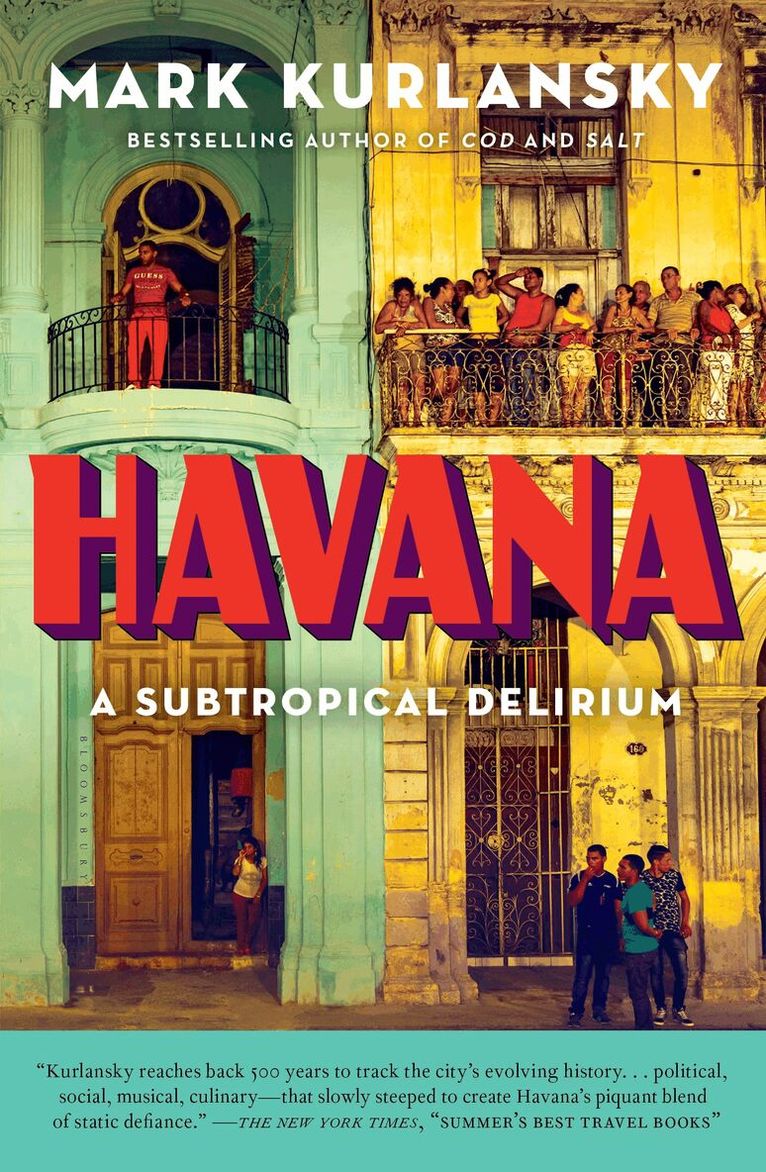
Havana
A Subtropical Delirium
Häftad, 2018
143 kr
Lägg i varukorg
A city of tropical heat, ramshackle beauty, and its very own cadence--a city that always surprises--Havana is brought to pulsing life by New York Times bestselling author Mark Kurlansky.Award-winning author Mark Kurlansky presents an insider’s view of Havana: the elegant, tattered city he has come …
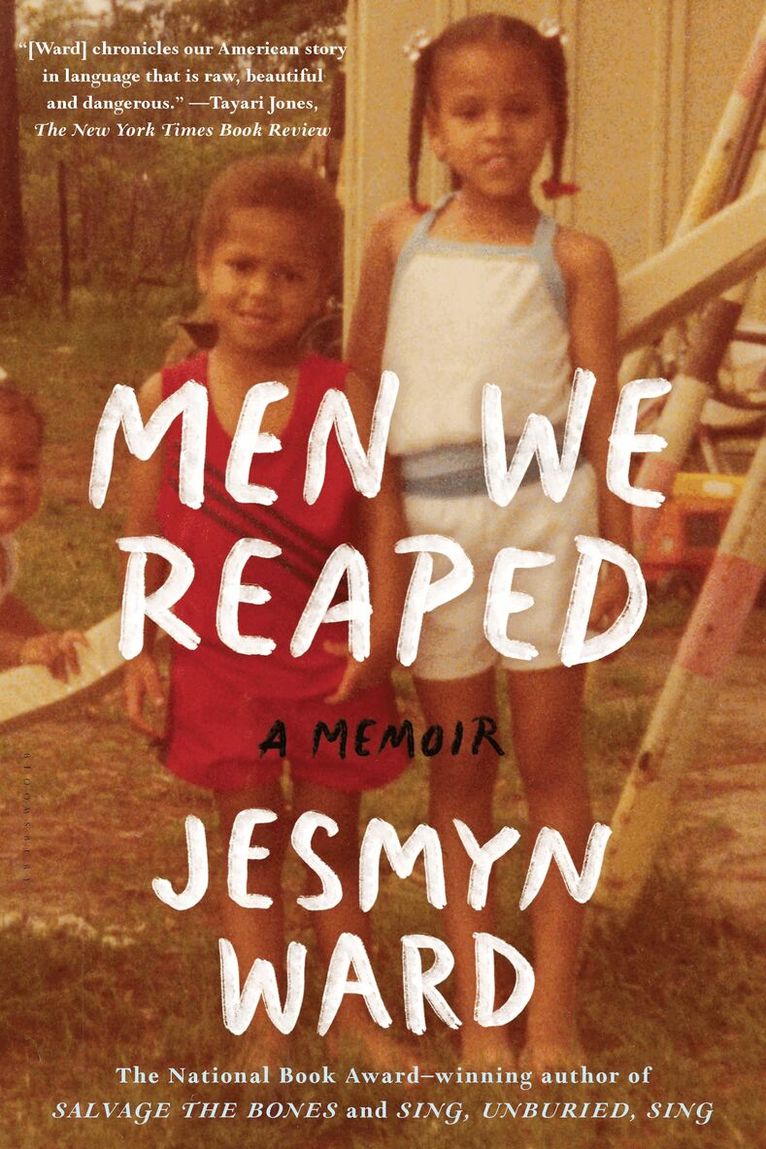
Men We Reaped
A Memoir
Av Jesmyn Ward
Häftad, 2014
141 kr
Lägg i varukorg
Named a Best Book of the Century by The New York Times Book Review and New York MagazineThe two-time National Book Award winner and author of Salvage the Bones and Let Us Descend, contends with the deaths of five young men dear to her, and the risk of being a Black man in the rural South.“We saw …
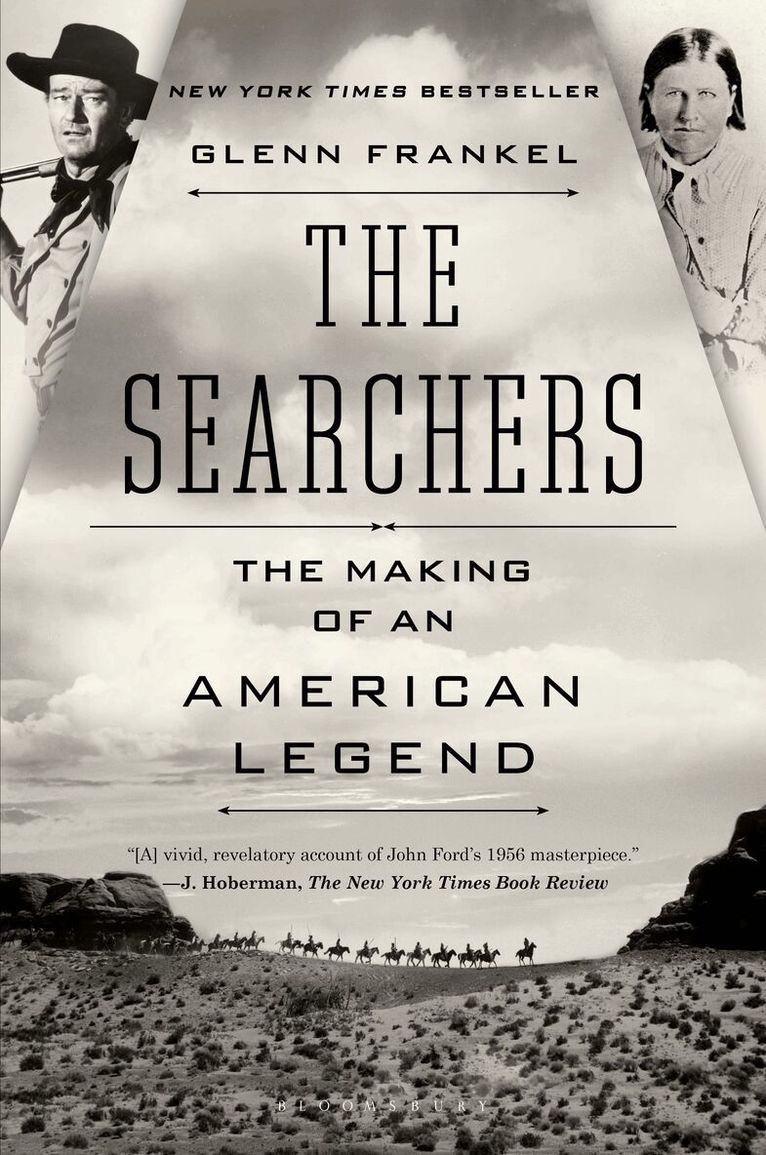
Searchers
The Making of an American Legend
Häftad, 2014
5,0 utav 5 stjärnor. Totalt antal röster: (2)
165 kr
Lägg i varukorg
'[A] vivid, revelatory account of John Ford’s 1956 masterpiece.' New York Times Book Review A New York Times Bestseller Named one of the best books of the year by Parade, t he Guardian , Kirkus , Library Journal In 1836 in East Texas, nine-year-old Cynthia Ann Parker was kidnapped by Comanches. She …
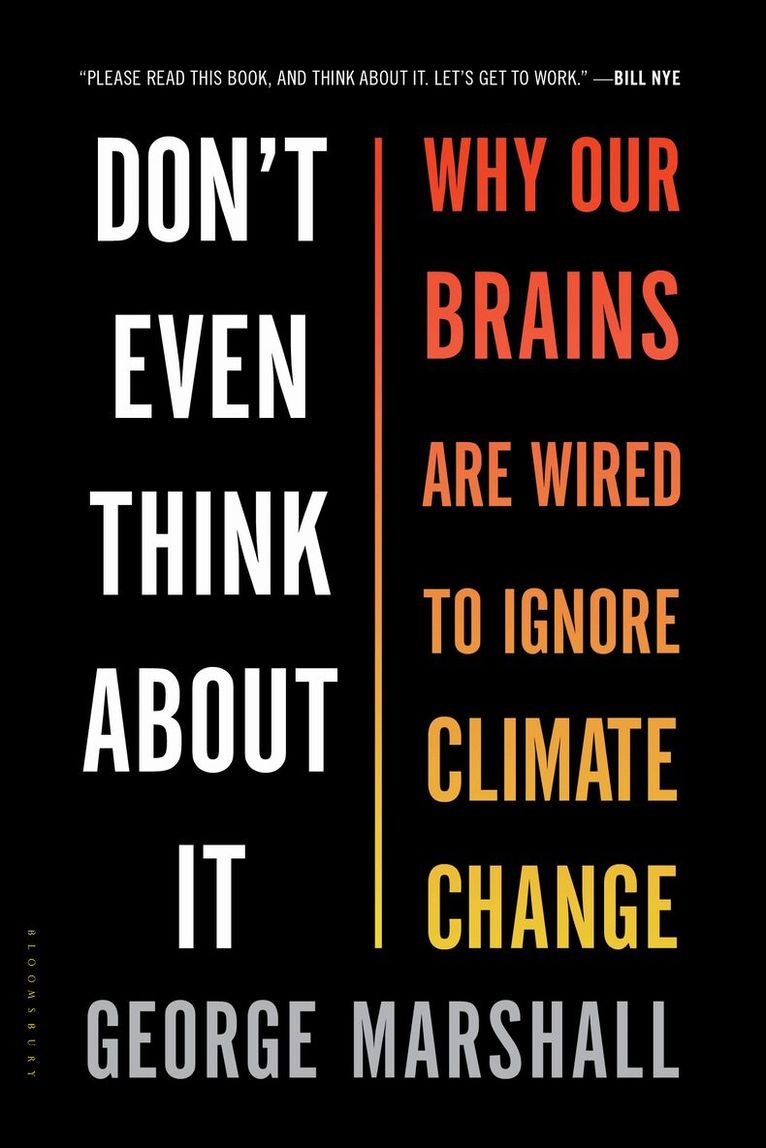
Don't Even Think About It
Why Our Brains Are Wired to Ignore Climate Change
Häftad, 2015
155 kr
Lägg i varukorg
An Esquire Essential Book on Climate ChangeFrom the founder of the Climate Outreach and Information Network, a groundbreaking take on the most urgent question of our time: Why, despite overwhelming scientific evidence, do we still ignore climate change? “Please read this book, and think about it.” …
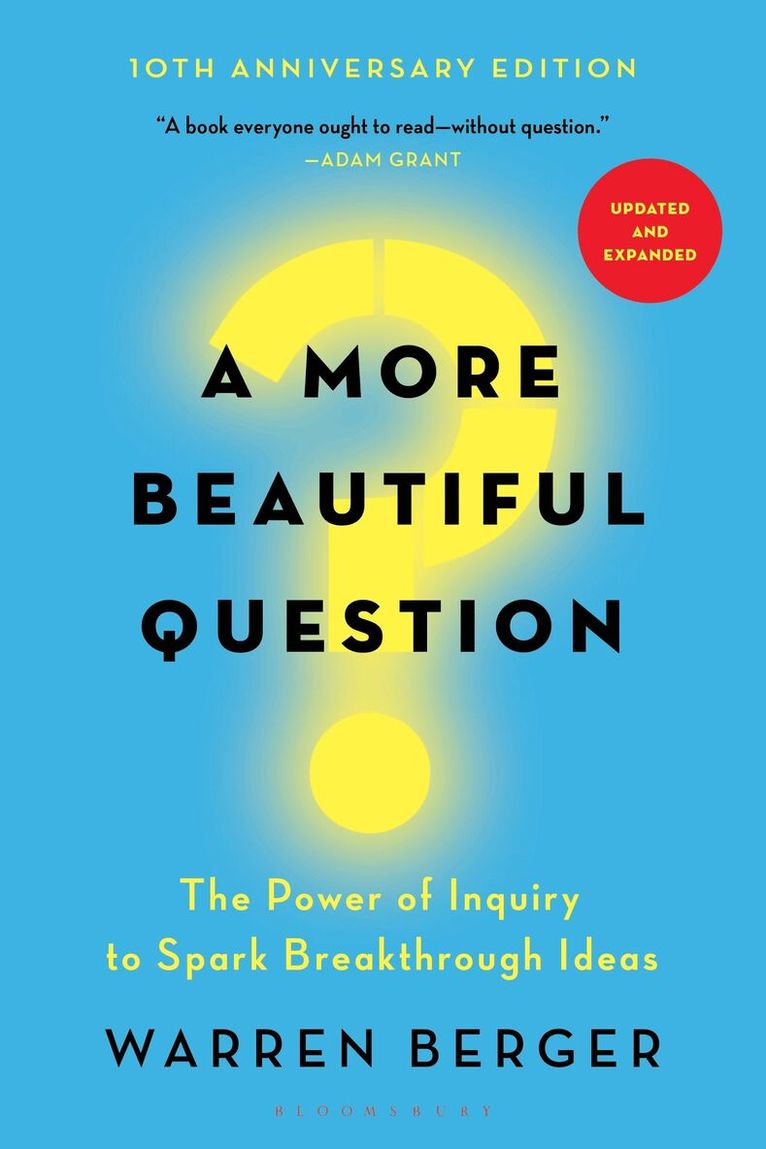
More Beautiful Question
The Power of Inquiry to Spark Breakthrough Ideas
Häftad, 2016
129 kr
Lägg i varukorg
10TH ANNIVERSARY EDITION * REVISED AND UPDATED“A book everyone ought to read—without question.”—ADAM GRANTTo get better answers, we must first ask better questions. Warren Berger reveals how in this beloved guide, with hundreds of thousands of copies sold.In his groundbreaking A More Beautiful …
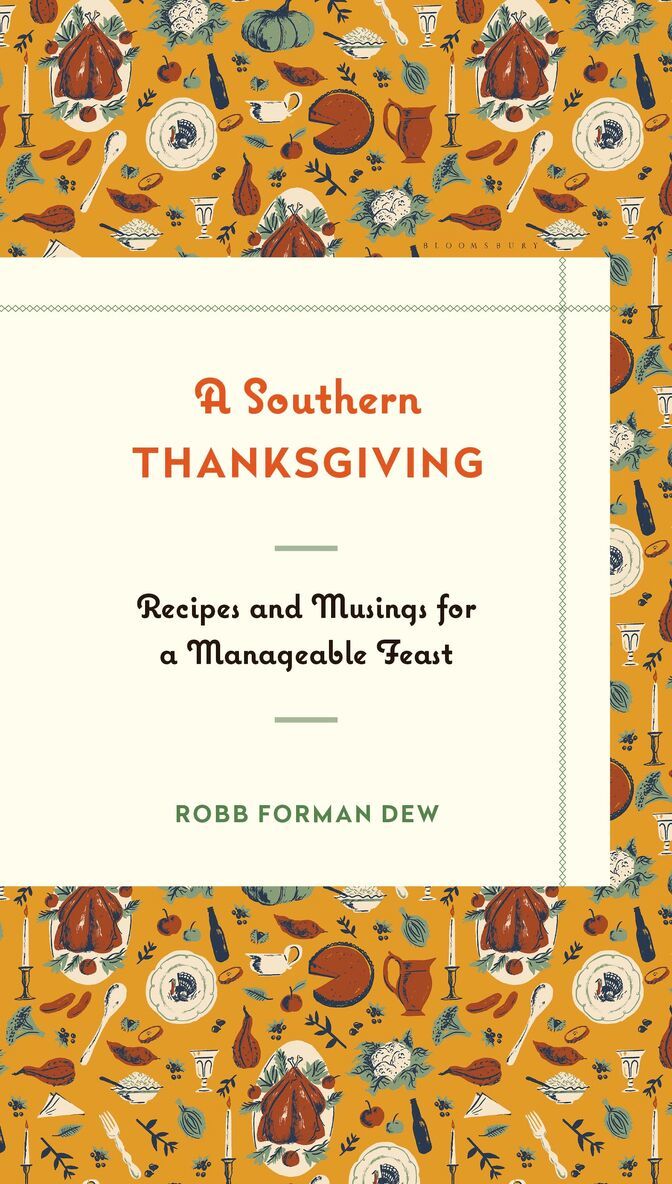
Southern Thanksgiving
Recipes and Musings for a Manageable Feast
Inbunden, 2015
165 kr
Lägg i varukorg
Robb Forman Dew first began collecting her Thanksgiving recipes at the request of a cousin who hadn't cooked before. In A Southern Thanksgiving, she gathers them into a cookbook--both practical and literary--for an easy-to-prepare, sumptuous Southern feast. In recreating the ambiance of her …