Brain Informatics and Health – serie
Visar alla böcker i serien Brain Informatics and Health. Handla med fri frakt och snabb leverans.
12 produkter
12 produkter
Inbunden, Engelska, 2018
565 kr
Skickas inom 10-15 vardagar
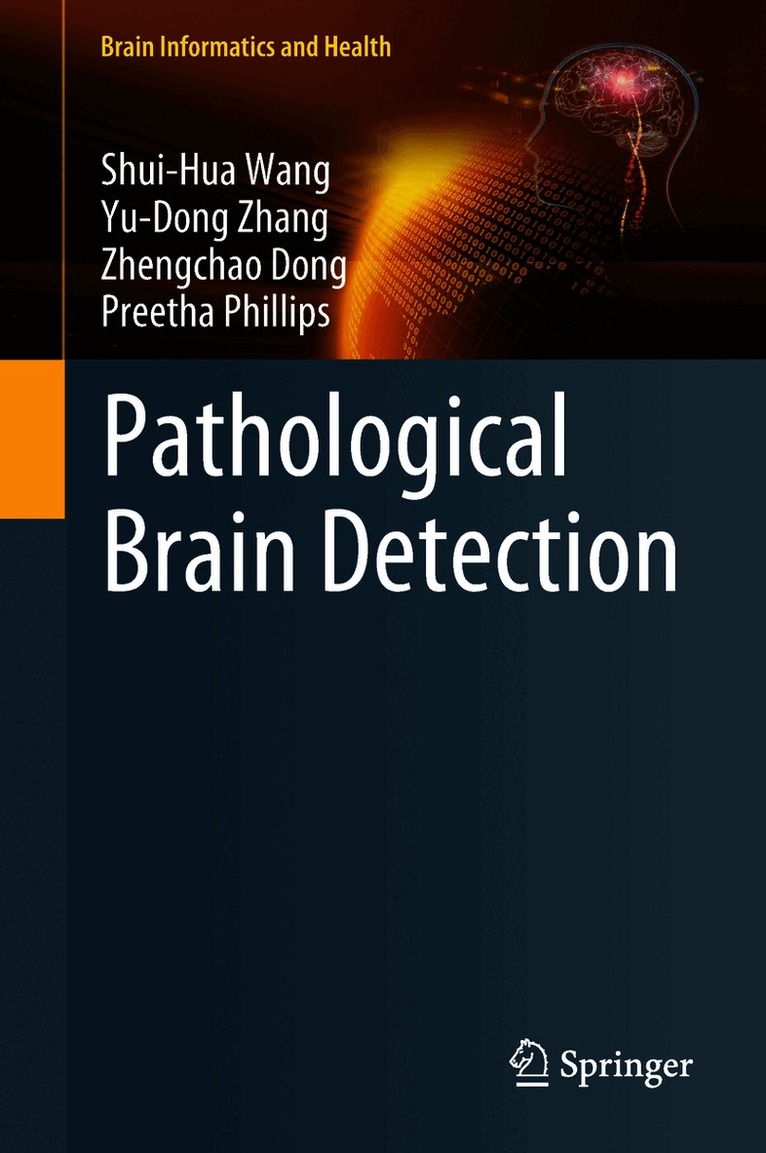
This book provides detailed practical guidelines on how to develop an efficient pathological brain detection system, reflecting the latest advances in the computer-aided diagnosis of structural magnetic resonance brain images. Matlab codes are provided for most of the functions described. In addition, the book equips readers to easily develop the pathological brain detection system further on their own and apply the technologies to other research fields, such as Alzheimer’s detection, multiple sclerosis detection, etc.
Häftad, Engelska, 2019
565 kr
Skickas inom 10-15 vardagar
This book provides detailed practical guidelines on how to develop an efficient pathological brain detection system, reflecting the latest advances in the computer-aided diagnosis of structural magnetic resonance brain images. Matlab codes are provided for most of the functions described. In addition, the book equips readers to easily develop the pathological brain detection system further on their own and apply the technologies to other research fields, such as Alzheimer’s detection, multiple sclerosis detection, etc.
Inbunden, Engelska, 2020
1 123 kr
Skickas inom 10-15 vardagar
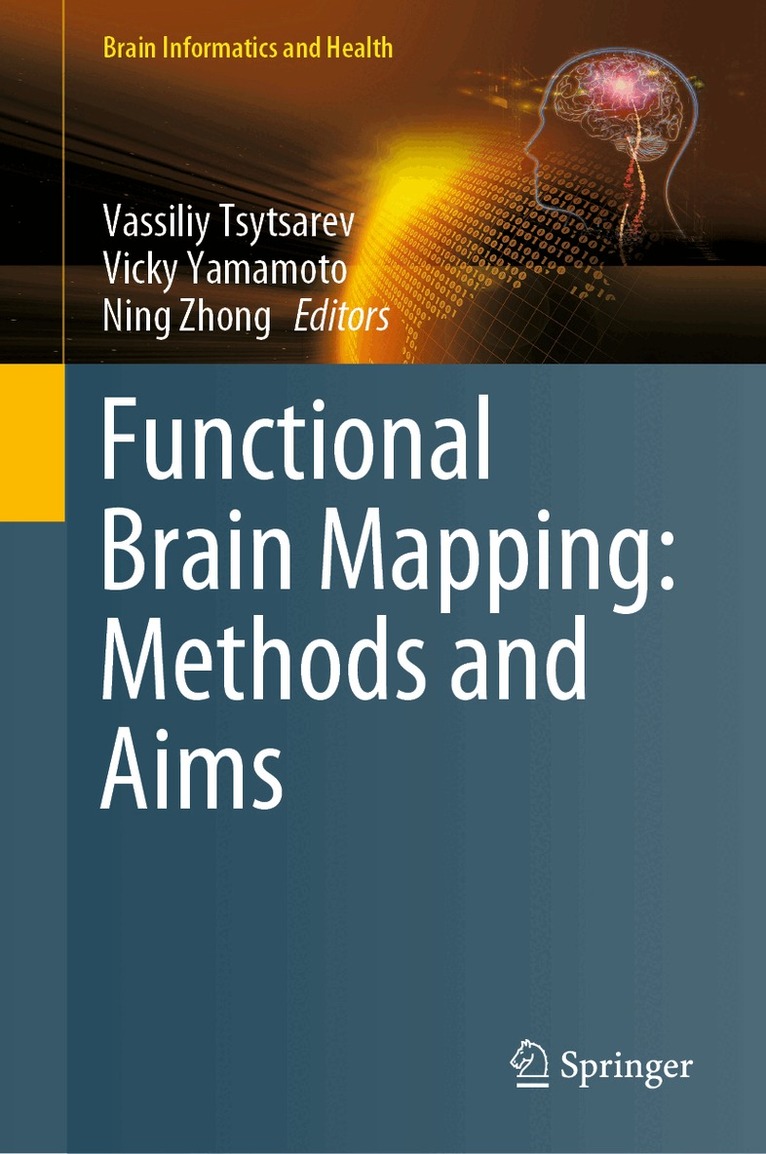
This book provides an essential overview of the broad range of functional brain imaging techniques, as well as neuroscientific methods suitable for various scientific tasks in fundamental and clinical neuroscience. It also shares information on novel methods in computational neuroscience, mathematical algorithms, image processing, and applications to neuroscience.The mammalian brain is a huge and complex network that consists of billions of neural and glial cells. Decoding how information is represented and processed by this neural network requires the ability to monitor the dynamics of large numbers of neurons at high temporal and spatial resolution over a large part of the brain. Functional brain optical imaging has seen more than thirty years of intensive development. Current light-using methods provide good sensitivity to functional changes through intrinsic contrast and are rapidly exploiting the growing availability of exogenous fluorescence probes. In addition, varioustypes of functional brain optical imaging are now being used to reveal the brain’s microanatomy and physiology.
Häftad, Engelska, 2021
1 123 kr
Skickas inom 10-15 vardagar
This book provides an essential overview of the broad range of functional brain imaging techniques, as well as neuroscientific methods suitable for various scientific tasks in fundamental and clinical neuroscience. It also shares information on novel methods in computational neuroscience, mathematical algorithms, image processing, and applications to neuroscience.The mammalian brain is a huge and complex network that consists of billions of neural and glial cells. Decoding how information is represented and processed by this neural network requires the ability to monitor the dynamics of large numbers of neurons at high temporal and spatial resolution over a large part of the brain. Functional brain optical imaging has seen more than thirty years of intensive development. Current light-using methods provide good sensitivity to functional changes through intrinsic contrast and are rapidly exploiting the growing availability of exogenous fluorescence probes. In addition, varioustypes of functional brain optical imaging are now being used to reveal the brain’s microanatomy and physiology.
Inbunden, Engelska, 2022
1 849 kr
Skickas inom 10-15 vardagar
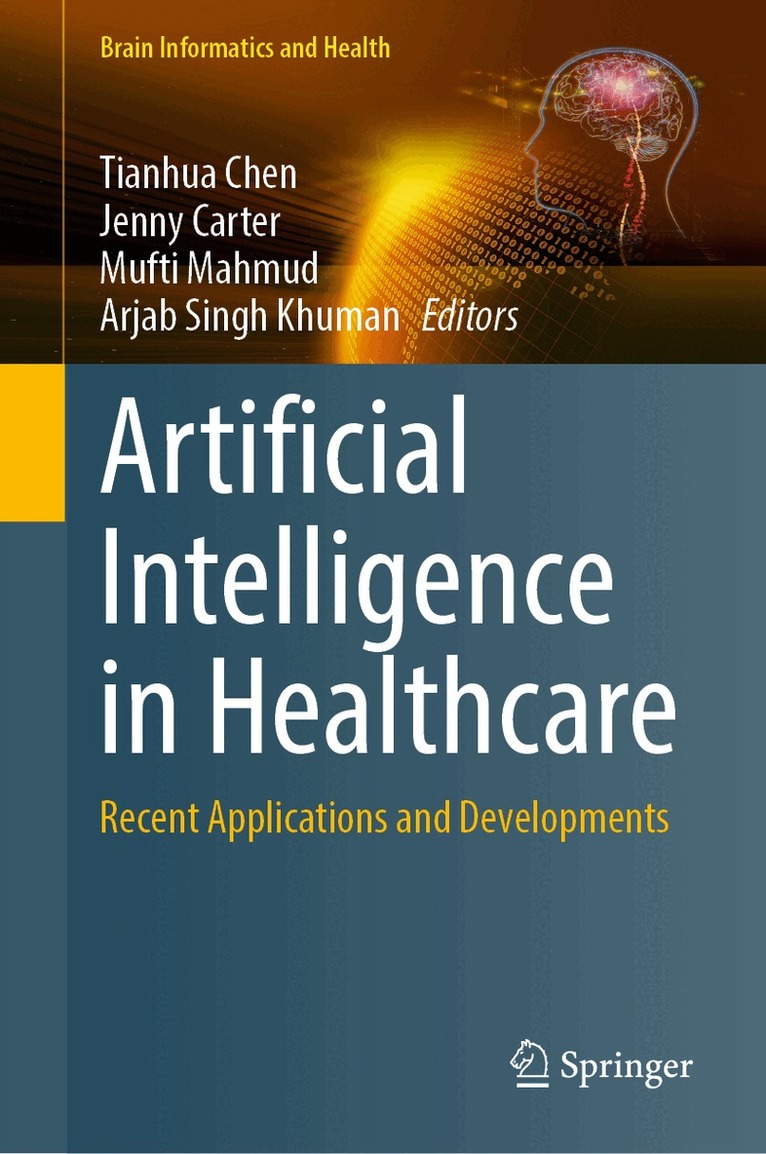
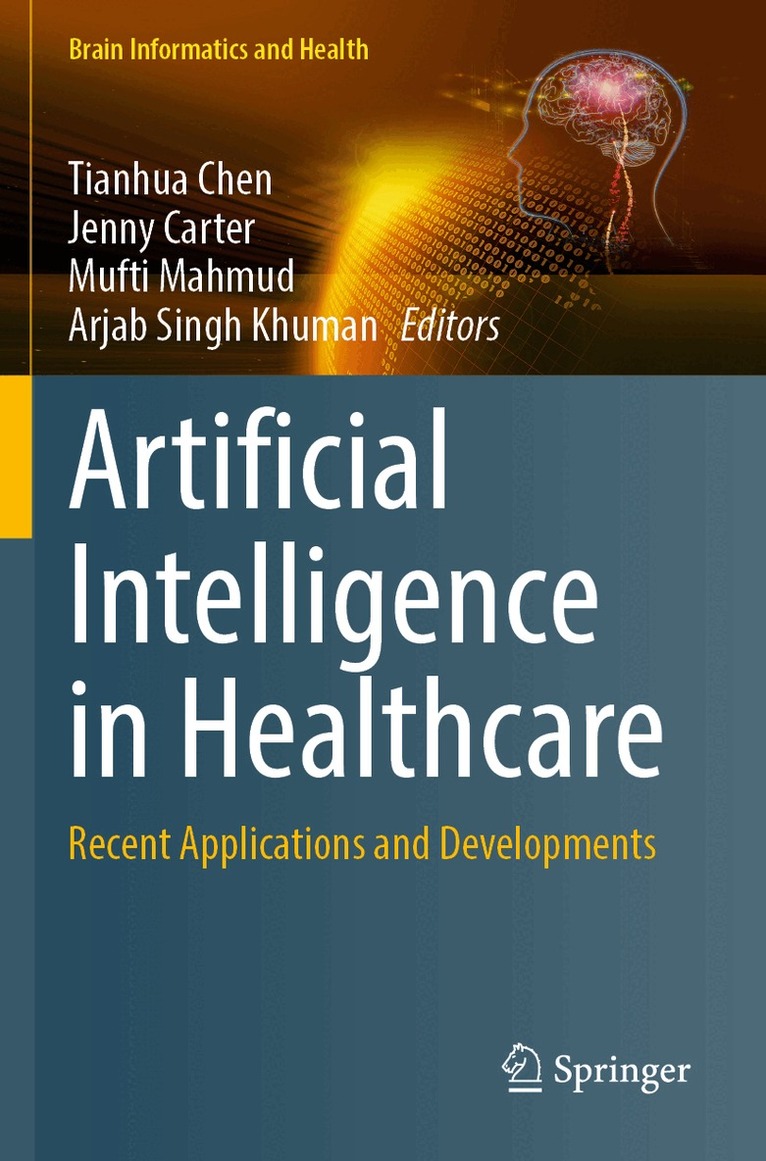
Recent advances in artificial intelligence (AI) and machine learning have witnessed many successes in various disciplines including the healthcare sector. Innovations in intelligent medical systems have revolutionized the way in which healthcare services are provided, ranging from making clinical diagnosis, developing personalized treatment and drugs, assisting patient monitoring, to automating administrative tasks and reducing operational costs. In this book, the authors present key applications in the general area of health care, where AI has made significant successes. From the individual chapters, the readers will be provided with a range of examples to illustrate the wide plethora of application domains utilizing state-of-the-art AI techniques, proving credence to the versatility and effectiveness of an AI approach in health care and medicine. We envisage that this book is ideal for individuals new to the notion of AI in health care, equally, earlycareer academics who wish to further expand on their knowledge in AI in medicine. What will be presented is in no means an exhaustive list of applications, but most definitely a varied one.
Häftad, Engelska, 2023
1 847 kr
Skickas inom 5-8 vardagar
Recent advances in artificial intelligence (AI) and machine learning have witnessed many successes in various disciplines including the healthcare sector. Innovations in intelligent medical systems have revolutionized the way in which healthcare services are provided, ranging from making clinical diagnosis, developing personalized treatment and drugs, assisting patient monitoring, to automating administrative tasks and reducing operational costs. In this book, the authors present key applications in the general area of health care, where AI has made significant successes. From the individual chapters, the readers will be provided with a range of examples to illustrate the wide plethora of application domains utilizing state-of-the-art AI techniques, proving credence to the versatility and effectiveness of an AI approach in health care and medicine. We envisage that this book is ideal for individuals new to the notion of AI in health care, equally, earlycareer academics who wish to further expand on their knowledge in AI in medicine. What will be presented is in no means an exhaustive list of applications, but most definitely a varied one.
Häftad, Engelska, 2026
621 kr
Skickas inom 10-15 vardagar
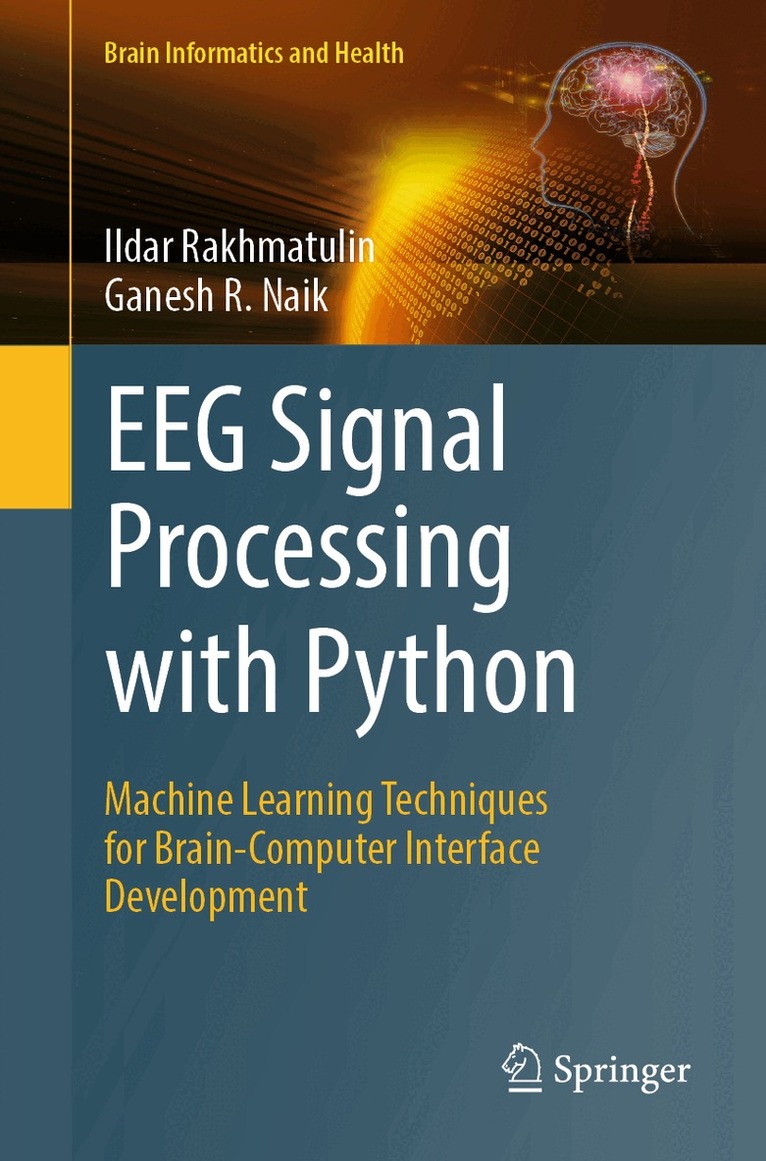
Unlock the power of brain-computer interfaces (BCIs) with this practical guide to signal processing and machine learning. Learn to decode neural data using Python, from fundamental techniques to cutting-edge algorithms. Master essential libraries, implement real-time processing, and design your own BCI systems. Perfect for students, researchers, and innovators ready to build the future of neurotechnology.From basic signal processing to advanced machine learning techniques, you will learn how to extract meaningful insights from complex neuroscience data. Step-by-step tutorials guide you through real-world applications, empowering you to:Master essential Python libraries for neuroscience data analysisImplement signal filtering, feature extraction, and neural decoding algorithmsDesign and evaluate BCI systems using state-of-the-art machine learning approachesWhether you are a student, researcher, or entrepreneur, this book provides the tools and knowledge to turn brain signals into actionable insights. With its focus on practical implementation and real-time processing, it's an invaluable resource for anyone looking to harness the potential of BCIs. Don't just read about neurotechnology – learn to build it. Take your first step towards creating the next generation of brain-computer interfaces today.
Inbunden, Engelska, 2025
844 kr
Skickas inom 10-15 vardagar
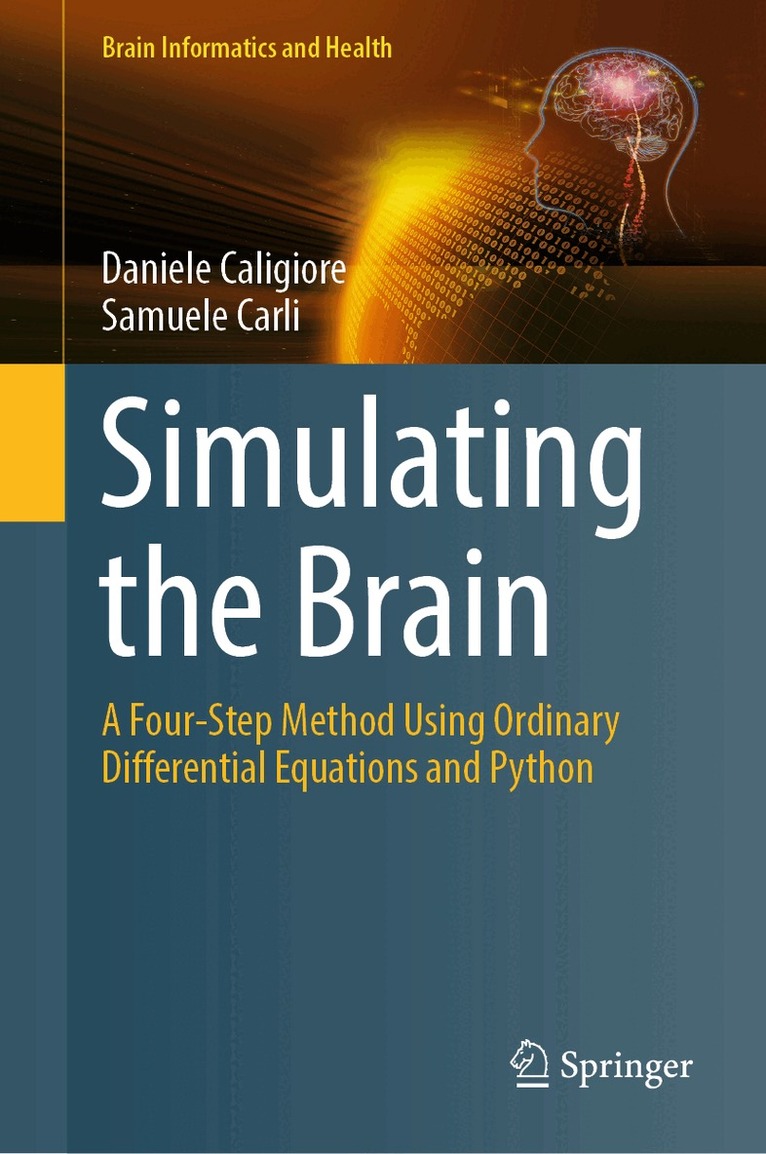
This book presents a new methodology to develop system-level brain models using ordinary differential equations (ODE), which are to be solved and analyzed through simple Python scripts. Computer simulations of this kind of models allow the study of healthy and damaged brain functions, the discovery of new neural pathways that may be crucial for the emergence of pathologies, and to simulate the effects of possible new therapies acting on brain actors which are difficult to investigate in traditional research.The methodology consists of four steps: (i) design the model architecture which represents the interactions between different brain areas; (ii) write the ODE system which are implied by the model; (iii) build a Python script that correctly solves the equations; (iv) optimize the free model parameters using genetic algorithms or other techniques to obtain one or more model instances that reproduce the target investigated behavior.This book is for all people who want to learn how to use Python and ODE to simulate brain functions regardless of their backgrounds. While rigorous mathematical proofs of many aspects of the arguments discussed are out of the scope of this work and are therefore omitted, the most important concepts necessary for the critical judgment and self-assessment of the practitioner’s work are exposed in a simplified, readily applicable form, with extensive references for the adventurous reader to explore. The book is a self-consistent textbook containing all pieces necessary to learn from scratch: from the essential mathematical and computing tools to the knowledge necessary to design, simulate, visualize, and interpret brain models. These skills are acquired through several hands-on examples explained step-by-step. One important and distinctive aspect of the book is that, beside the theory, it provides the necessary contexts and practical examples which are key to the correct application of the proposed methodology.
Häftad, Engelska, 2026
621 kr
Skickas inom 10-15 vardagar
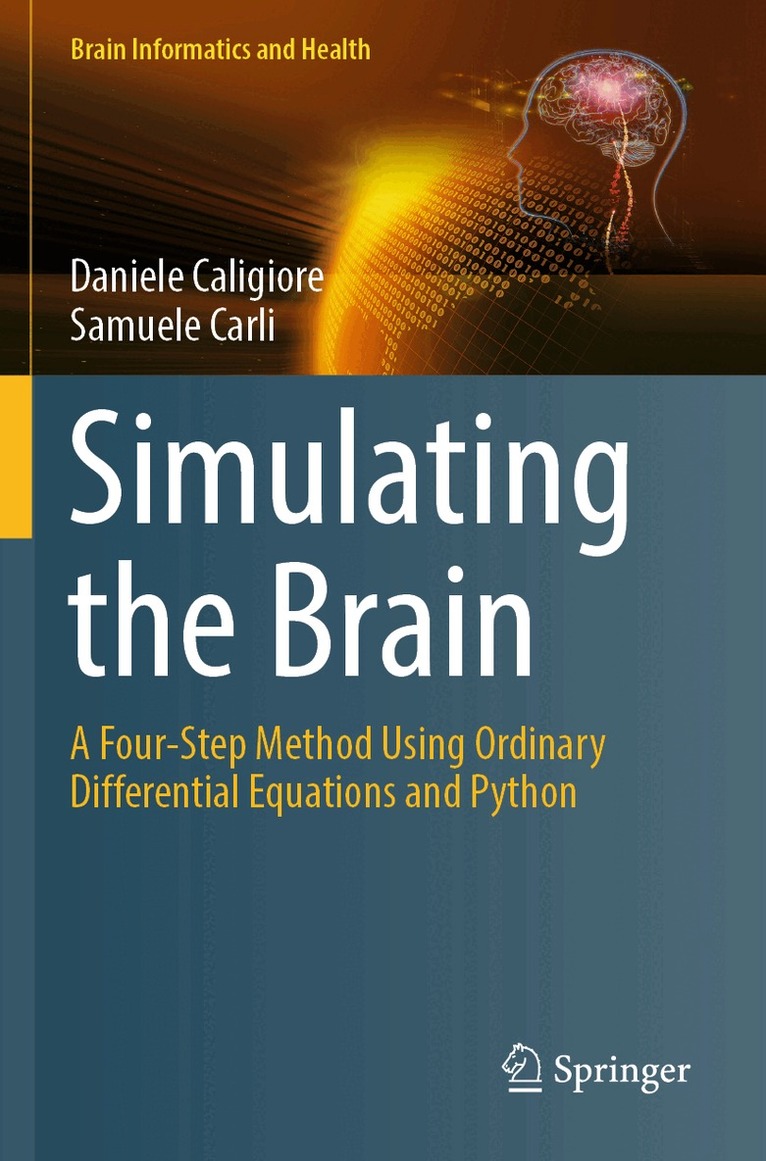
This book presents a new methodology to develop system-level brain models using ordinary differential equations (ODE), which are to be solved and analyzed through simple Python scripts. Computer simulations of this kind of models allow the study of healthy and damaged brain functions, the discovery of new neural pathways that may be crucial for the emergence of pathologies, and to simulate the effects of possible new therapies acting on brain actors which are difficult to investigate in traditional research.The methodology consists of four steps: (i) design the model architecture which represents the interactions between different brain areas; (ii) write the ODE system which are implied by the model; (iii) build a Python script that correctly solves the equations; (iv) optimize the free model parameters using genetic algorithms or other techniques to obtain one or more model instances that reproduce the target investigated behavior.This book is for all people who want to learn how to use Python and ODE to simulate brain functions regardless of their backgrounds. While rigorous mathematical proofs of many aspects of the arguments discussed are out of the scope of this work and are therefore omitted, the most important concepts necessary for the critical judgment and self-assessment of the practitioner’s work are exposed in a simplified, readily applicable form, with extensive references for the adventurous reader to explore. The book is a self-consistent textbook containing all pieces necessary to learn from scratch: from the essential mathematical and computing tools to the knowledge necessary to design, simulate, visualize, and interpret brain models. These skills are acquired through several hands-on examples explained step-by-step. One important and distinctive aspect of the book is that, beside the theory, it provides the necessary contexts and practical examples which are key to the correct application of the proposed methodology.
Inbunden, Engelska, 2025
549 kr
Skickas inom 10-15 vardagar
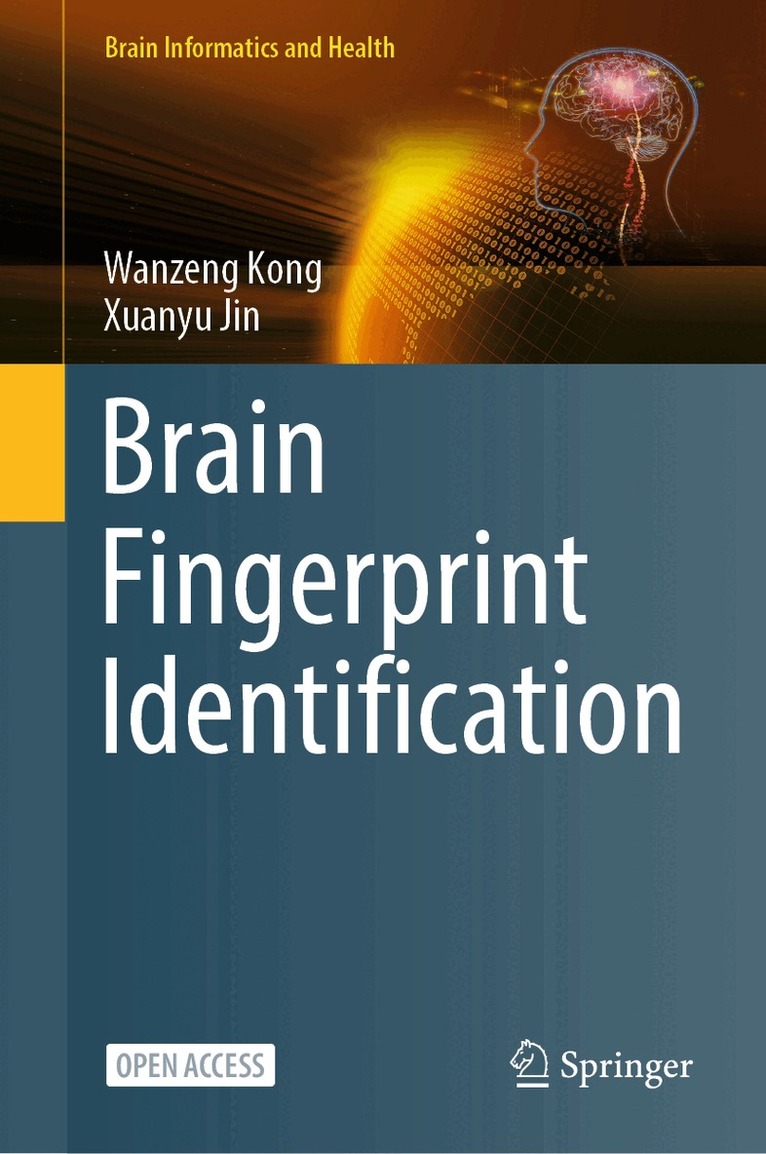
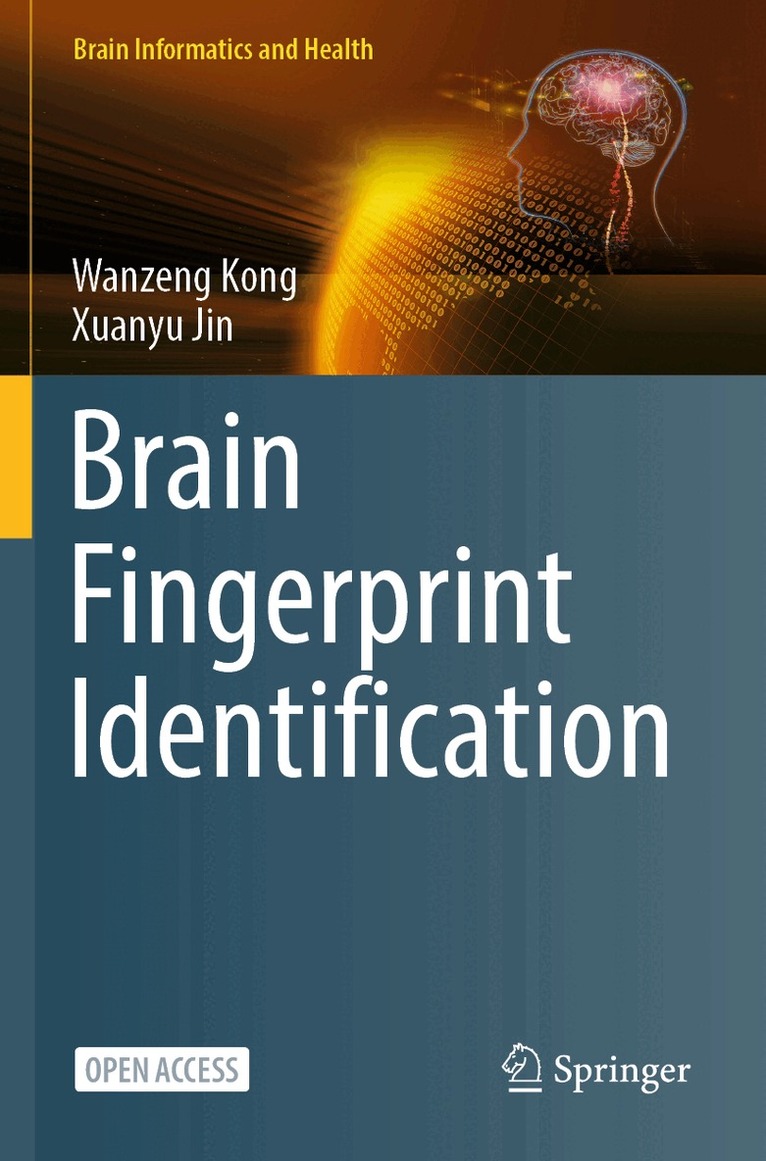
This open access book delves into the emerging field of biometric identification using brainwave patterns. Specifically, this book presents recent advances in electroencephalography (EEG)-based biometric recognition to identify unique neural signatures that can be used for secure authentication and identification.Traditional biometric systems such as fingerprints, iris scans, and face recognition have become integral to security and identification. However, these methods are increasingly vulnerable to spoofing and other forms of attack. Unlike other traditional biometrics, EEG signals are non-invasive, continuous authentication, liveness detection, and resistance to coercion due to the complexity and uniqueness of brain patterns. Therefore, it is particularly suitable for high-security fields such as military and finance, providing a promising alternative for future high-security identification and authentication.However, most of the existing brain fingerprint identification studies require subjects to perform specific cognitive tasks, which limits the popularization and application of brain fingerprint identification in practical scenarios. Additionally, due to the low signal-to-noise ratio (SNR) and time-varying characteristics of EEG signals, there are distribution differences in EEG data across sessions from several days, leading to stability issues in brain fingerprint features extracted at different sessions. Finally, because the EEG signal is affected by the coupling of multiple factors and the nervous system has continuous spontaneous variability, which makes it difficult for the brain fingerprint identification model to be suitable for the scenarios of unseen sessions and cognitive tasks, and there is the problem of insufficient model generalization. In this book, based on traditional machine learning methods and deep learning methods, the authors will carry out multi-task single-session, single-task multi-session, and multi-task multi-session brain fingerprint identification research respectively for the above problems, to provide an effective solution for the application of brain fingerprint identification in practical scenarios.
Inbunden, Engelska, 2024
1 570 kr
Skickas inom 10-15 vardagar
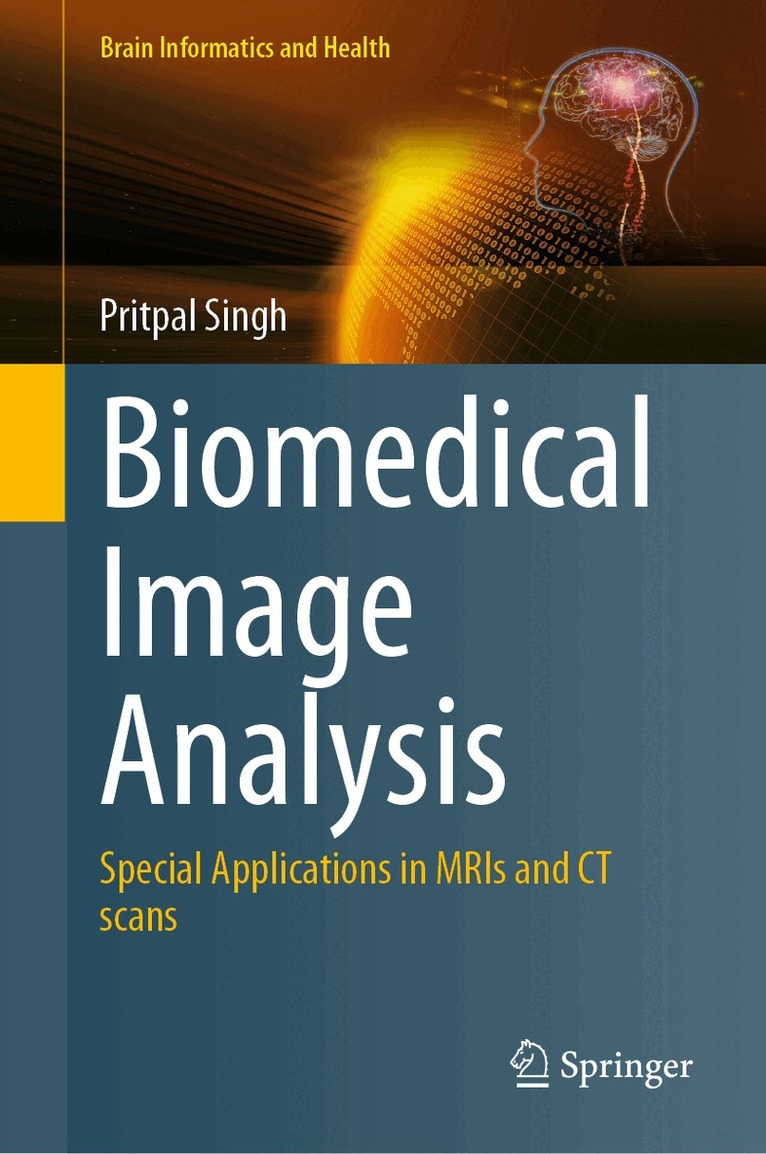
This book provides an in-depth study of biomedical image analysis. It reviews and summarizes previous research work in biomedical image analysis and also provides a brief introduction to other computation techniques, such as fuzzy sets, neutrosophic sets, clustering algorithm and fast forward quantum optimization algorithm, focusing on how these techniques can be integrated into different phases of the biomedical image analysis. In particular, this book describes novel methods resulting from the fuzzy sets, neutrosophic sets, clustering algorithm and fast forward quantum optimization algorithm. It also demonstrates how a new quantum-clustering based model can be successfully applied in the context of clustering the COVID-19 CT scans. Thanks to its easy-to-read style and the clear explanations of the models, the book can be used as a concise yet comprehensive reference guide to biomedical image analysis, and will be valuable not only for graduate students, but also for researchers and professionals working for academic, business and government institutes and medical colleges.
Häftad, Engelska, 2025
1 524 kr
Skickas inom 10-15 vardagar
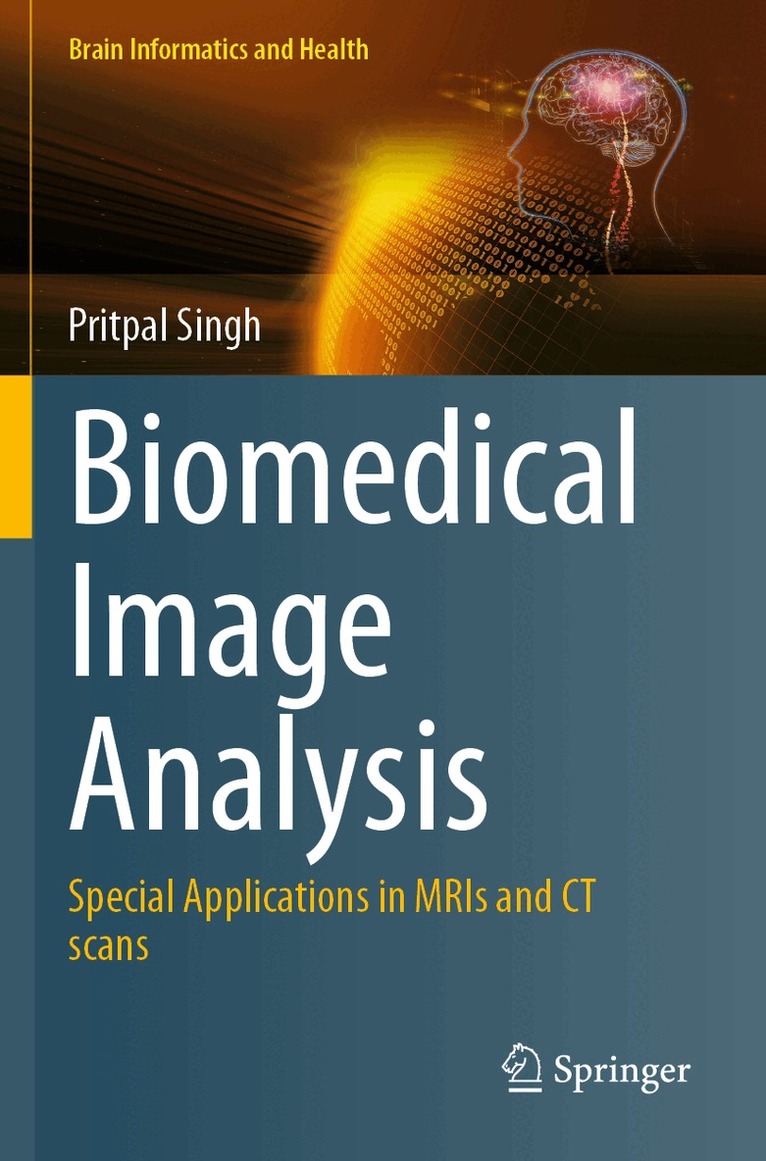
This book provides an in-depth study of biomedical image analysis. It reviews and summarizes previous research work in biomedical image analysis and also provides a brief introduction to other computation techniques, such as fuzzy sets, neutrosophic sets, clustering algorithm and fast forward quantum optimization algorithm, focusing on how these techniques can be integrated into different phases of the biomedical image analysis. In particular, this book describes novel methods resulting from the fuzzy sets, neutrosophic sets, clustering algorithm and fast forward quantum optimization algorithm. It also demonstrates how a new quantum-clustering based model can be successfully applied in the context of clustering the COVID-19 CT scans. Thanks to its easy-to-read style and the clear explanations of the models, the book can be used as a concise yet comprehensive reference guide to biomedical image analysis, and will be valuable not only for graduate students, but also for researchers and professionals working for academic, business and government institutes and medical colleges.