927 kr
Chapman & Hall/CRC Computational Biology Series – serie
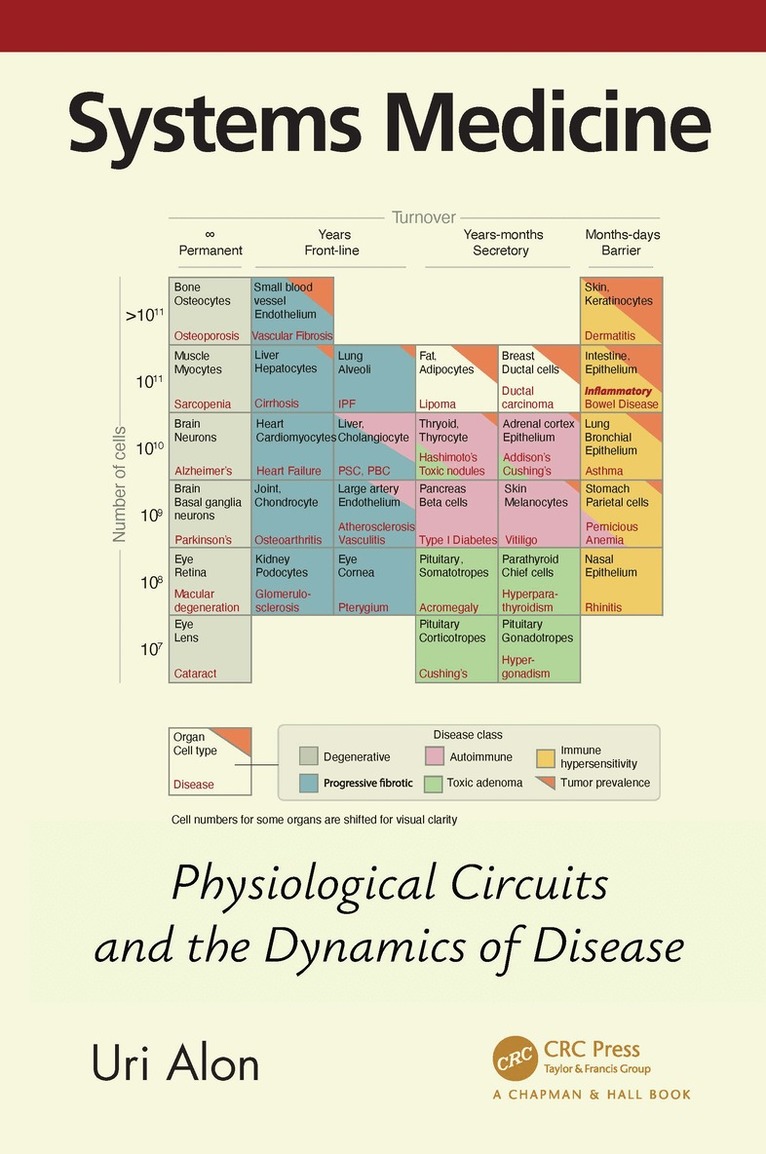
- Häftad, Engelska, 2023Why do we get certain diseases, whereas other diseases do not exist?In this book, Alon, one of the founders of systems biology, builds a foundation for systems medicine.Starting from basic laws, the book derives why physiological circuits are built the way they are. The circuits have fragilities that explain specific diseases and offer new strategies to treat them.By the end, the reader will be able to use simple and powerful mathematical models to describe physiological circuits. The book explores, in three parts, hormone circuits, immune circuits, and aging and age-related disease. It culminates in a periodic table of diseases.Alon writes in a style accessible to a broad range of readers - undergraduates, graduates, or researchers from computational or biological backgrounds. The level of math is friendly and the math can even be bypassed altogether. For instructors and readers who want to go deeper, the book includes dozens of exercises that have been rigorously tested in the classroom
4 682 kr
Skickas inom 10-15 vardagar
FEATURESBridges the gap between the traditional statistical methods and computational tools for small genetic and epigenetic data analysis and the modern advanced statistical methods for big dataProvides tools for high dimensional data reductionDiscusses searching algorithms for model and variable selection including randomization algorithms, Proximal methods and matrix subset selectionProvides real-world examples and case studiesWill have an accompanying website with R codeProvides a natural extension and companion volume to Big Data in Omic and Imaging: Association Analysis, but can be read independently. Introduce causal inference theory to genomic, epigenomic and imaging data analysis Develop novel statistics for genome-wide causation studies and epigenome-wide causation studies. Bridge the gap between the traditional association analysis and modern causation analysis Use combinatorial optimization methods and various causal models as a general framework for inferring multilevel omic and image causal networks Present statistical methods and computational algorithms for searching causal paths from genetic variant to disease Develop causal machine learning methods integrating causal inference and machine learning Develop statistics for testing significant difference in directed edge, path, and graphs, and for assessing causal relationships between two networks The book is designed for graduate students and researchers in genomics, bioinformatics, and data science. It represents the paradigm shift of genetic studies of complex diseases– from shallow to deep genomic analysis, from low-dimensional to high dimensional, multivariate to functional data analysis with next-generation sequencing (NGS) data, and from homogeneous populations to heterogeneous population and pedigree data analysis. Topics covered are: advanced matrix theory, convex optimization algorithms, generalized low rank models, functional data analysis techniques, deep learning principle and machine learning methods for modern association, interaction, pathway and network analysis of rare and common variants, biomarker identification, disease risk and drug response prediction.- Inbunden, Engelska, 2019
1 523 kr
Skickas inom 10-15 vardagar
Praise for Computational Systems BiologyApproaches in Cancer Research:"Complex concepts are written clearly and with informative illustrations and useful links. The book is enjoyable to read yet provides sufficient depth to serve as a valuable resource for both students and faculty."— Trey Ideker, Professor of Medicine, UC Xan Diego, School of Medicine"This volume is attractive because it addresses important and timely topics for research and teaching on computational methods in cancer research. It covers a broad variety of approaches, exposes recent innovations in computational methods, and provides acces to source code and to dedicated interactive web sites."— Yves Moreau, Department of Electrical Engineering, SysBioSys Centre for Computational Systems Biology, University of LeuvenWith the availability of massive amounts of data in biology, the need for advanced computational tools and techniques is becoming increasingly important and key in understanding biology in disease and healthy states. This book focuses on computational systems biology approaches, with a particular lens on tackling one of the most challenging diseases - cancer. The book provides an important reference and teaching material in the field of computational biology in general and cancer systems biology in particular.The book presents a list of modern approaches in systems biology with application to cancer research and beyond. It is structured in a didactic form such that the idea of each approach can easily be grasped from the short text and self-explanatory figures. The coverage of topics is diverse: from pathway resources, through methods for data analysis and single data analysis to drug response predictors, classifiers and image analysis using machine learning and artificial intelligence approaches. FeaturesUp to date using a wide range of approachesApplicationexample in each chapter Online resources with useful applications’ - Häftad, Engelska, 2019
969 kr
Skickas inom 10-15 vardagar
Quantitative methods have a particular knack for improving any field they touch. For biology, computational techniques have led to enormous strides in our understanding of biological systems, but there is still vast territory to cover. Statistical physics especially holds great potential for elucidating the structural-functional relationships in biomolecules, as well as their static and dynamic properties.Breaking New GroundComputational Biology: A Statistical Mechanics Perspective is the first book dedicated to the interface between statistical physics and bioinformatics. Introducing both equilibrium and nonequilibrium statistical mechanics in a manner tailored to computational biologists, the author applies these methods to understand and model the properties of various biomolecules and biological networks at the systems level.Unique Vision, Novel ApproachBlossey combines his enthusiasm for uniting the fields of physics and computational biology with his considerable experience, knowledge, and gift for teaching. He uses numerous examples and tasks to illustrate and test understanding of the concepts, and he supplies a detailed keyword list for easy navigation and comprehension. His approach takes full advantage of the latest tools in statistical physics and computer science to build a strong set of tools for confronting new challenges in computational biology.Making the concepts crystal clear without sacrificing mathematical rigor, Computational Biology: A Statistical Mechanics Perspective is the perfect tool to broaden your skills in computational biology. - Häftad, Engelska, 2019
1 012 kr
Skickas inom 10-15 vardagar
Introduction to Computational Proteomics introduces the field of computational biology through a focused approach that tackles the different steps and problems involved with protein analysis, classification, and meta-organization. The book starts with the analysis of individual entities and works its way through the analysis of more complex entities, from protein families to interactions, cellular pathways, and gene networks.The first part of the book presents methods for identifying the building blocks of the protein space, such as motifs and domains. It also describes algorithms for assessing similarity between proteins based on sequence and structure analysis as well as mathematical models, such as hidden Markov models and support vector machines, that are used to represent protein families and classify new instances. The second part covers methods that investigate higher order structure in the protein space through the application of unsupervised learning algorithms, such as clustering and embedding. The book also explores the broader context of proteins. It discusses methods for analyzing gene expression data, predicting protein-protein interactions, elucidating cellular pathways, and reconstructing gene networks.This book provides a coherent and thorough introduction to proteome analysis. It offers rigorous, formal descriptions, along with detailed algorithmic solutions and models. Each chapter includes problem sets from courses taught by the author at Cornell University and the Technion. Software downloads, data sets, and other material are available at biozon.org - Häftad, Engelska, 2019
984 kr
Skickas inom 10-15 vardagar
A Focused, State-of-the-Art Overview of This Evolving FieldPresents Various Techniques for GlycoinformaticsThe development and use of informatics tools and databases for glycobiology and glycomics research have increased considerably in recent years. In addition to accumulating well-structured glyco-related data, researchers have now developed semi-automated methods for the annotation of mass spectral data and algorithms for capturing patterns in glycan structure data. These techniques have enabled researchers to gain a better understanding of how these complex structures affect protein function and other biological processes, including cancer.One of the few up-to-date books available in this important area, Glycome Informatics: Methods and Applications covers all known informatics methods pertaining to the study of glycans. It discusses the current status of carbohydrate databases, the latest analytical techniques, and the informatics needed for rapid progress in glycomics research.Providing an overall understanding of glycobiology, this self-contained guide focuses on the development of glycome informatics methods and current problems faced by researchers. It explains how to implement informatics methods in glycobiology. The author includes the required background material on glycobiology as well as the mathematical concepts needed to understand advanced mining and algorithmic techniques. She also suggests project themes for readers looking to begin research in the field. - Inbunden, Engelska, 2021
1 479 kr
Skickas inom 10-15 vardagar
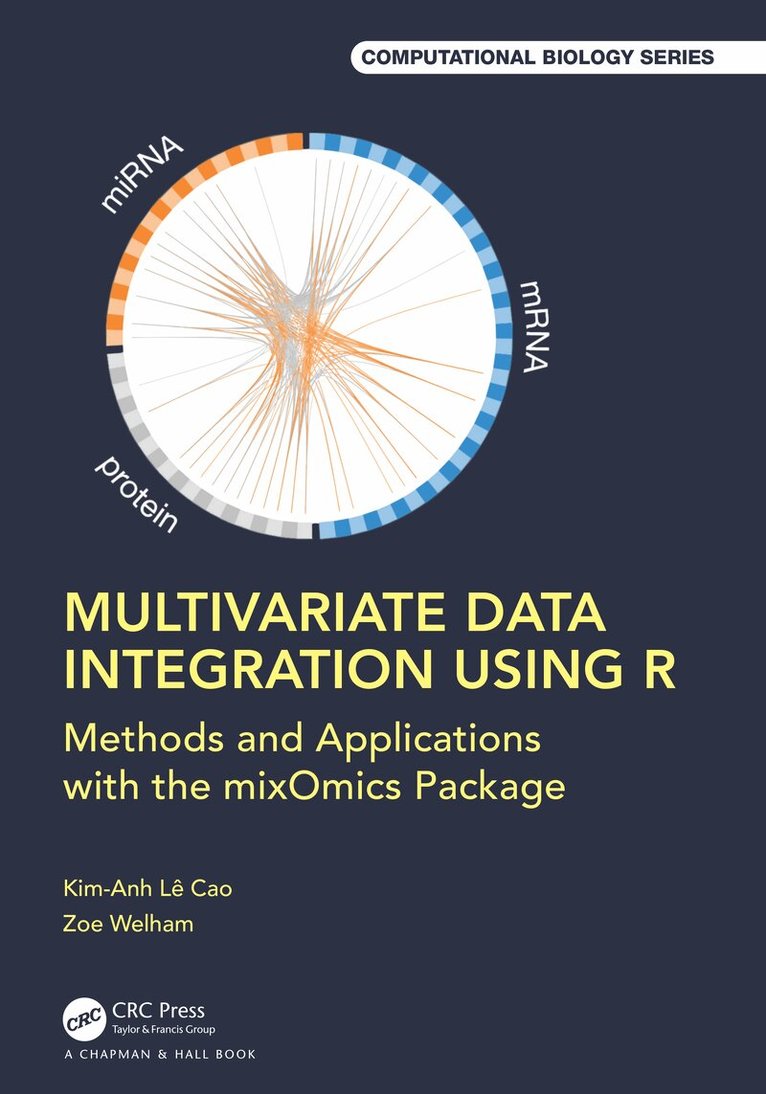
Large biological data, which are often noisy and high-dimensional, have become increasingly prevalent in biology and medicine. There is a real need for good training in statistics, from data exploration through to analysis and interpretation. This book provides an overview of statistical and dimension reduction methods for high-throughput biological data, with a specific focus on data integration. It starts with some biological background, key concepts underlying the multivariate methods, and then covers an array of methods implemented using the mixOmics package in R. Features: Provides a broad and accessible overview of methods for multi-omics data integration Covers a wide range of multivariate methods, each designed to answer specific biological questions Includes comprehensive visualisation techniques to aid in data interpretation Includes many worked examples and case studies using real data Includes reproducible R code for each multivariate method, using the mixOmics package The book is suitable for researchers from a wide range of scientific disciplines wishing to apply these methods to obtain new and deeper insights into biological mechanisms and biomedical problems. The suite of tools introduced in this book will enable students and scientists to work at the interface between, and provide critical collaborative expertise to, biologists, bioinformaticians, statisticians and clinicians. - Häftad, Engelska, 2020
1 153 kr
Skickas inom 10-15 vardagar
Analyzing high-dimensional gene expression and DNA methylation data with R is the first practical book that shows a ``pipeline" of analytical methods with concrete examples starting from raw gene expression and DNA methylation data at the genome scale. Methods on quality control, data pre-processing, data mining, and further assessments are presented in the book, and R programs based on simulated data and real data are included. Codes with example data are all reproducible.Features:· Provides a sequence of analytical tools for genome-scale gene expression data and DNA methylation data, starting from quality control and pre-processing of raw genome-scale data.· Organized by a parallel presentation with explanation on statistical methods and corresponding R packages/functions in quality control, pre-processing, and data analyses (e.g., clustering and networks).· Includes source codes with simulated and real data to reproduce the results. Readers are expected to gain the ability to independently analyze genome-scaled expression and methylation data and detect potential biomarkers.This book is ideal for students majoring in statistics, biostatistics, and bioinformatics and researchers with an interest in high dimensional genetic and epigenetic studies. - Inbunden, Engelska, 2021
969 kr
Skickas inom 10-15 vardagar
Viruses are the most numerous and deadliest biological entities on the planet, infecting all types of living organisms—from bacteria to human beings. The constantly expanding repertoire of experimental approaches available to study viruses includes both low-throughput techniques, such as imaging and 3D structure determination, and modern OMICS technologies, such as genome sequencing, ribosomal profiling, and RNA structure probing. Bioinformatics of viruses faces significant challenges due to their seemingly unlimited diversity, unusual lifestyle, great variety of replication strategies, compact genome organization, and rapid rate of evolution. At the same time, it also has the potential to deliver decisive clues for developing vaccines and medications against dangerous viral outbreaks, such as the recent coronavirus pandemics. Virus Bioinformatics reviews state-of-the-art bioinformatics algorithms and recent advances in data analysis in virology. FEATURES Contributions from leading international experts in the field Discusses open questions and urgent needs Covers a broad spectrum of topics, including evolution, structure, and function of viruses, including coronavirusesThe book will be of great interest to computational biologists wishing to venture into the rapidly advancing field of virus bioinformatics as well as to virologists interested in acquiring basic bioinformatics skills to support their wet lab work. - Häftad, Engelska, 2024
715 kr
Skickas inom 10-15 vardagar
Viruses are the most numerous and deadliest biological entities on the planet, infecting all types of living organisms—from bacteria to human beings. The constantly expanding repertoire of experimental approaches available to study viruses includes both low-throughput techniques, such as imaging and 3D structure determination, and modern OMICS technologies, such as genome sequencing, ribosomal profiling, and RNA structure probing. Bioinformatics of viruses faces significant challenges due to their seemingly unlimited diversity, unusual lifestyle, great variety of replication strategies, compact genome organization, and rapid rate of evolution. At the same time, it also has the potential to deliver decisive clues for developing vaccines and medications against dangerous viral outbreaks, such as the recent coronavirus pandemics. Virus Bioinformatics reviews state-of-the-art bioinformatics algorithms and recent advances in data analysis in virology. FEATURES Contributions from leading international experts in the field Discusses open questions and urgent needs Covers a broad spectrum of topics, including evolution, structure, and function of viruses, including coronavirusesThe book will be of great interest to computational biologists wishing to venture into the rapidly advancing field of virus bioinformatics as well as to virologists interested in acquiring basic bioinformatics skills to support their wet lab work. - Häftad, Engelska, 2023
765 kr
Skickas inom 10-15 vardagar
Computational Genomics with R provides a starting point for beginners in genomic data analysis and also guides more advanced practitioners to sophisticated data analysis techniques in genomics. The book covers topics from R programming, to machine learning and statistics, to the latest genomic data analysis techniques. The text provides accessible information and explanations, always with the genomics context in the background. This also contains practical and well-documented examples in R so readers can analyze their data by simply reusing the code presented. As the field of computational genomics is interdisciplinary, it requires different starting points for people with different backgrounds. For example, a biologist might skip sections on basic genome biology and start with R programming, whereas a computer scientist might want to start with genome biology. After reading:You will have the basics of R and be able to dive right into specialized uses of R for computational genomics such as using Bioconductor packages.You will be familiar with statistics, supervised and unsupervised learning techniques that are important in data modeling, and exploratory analysis of high-dimensional data.You will understand genomic intervals and operations on them that are used for tasks such as aligned read counting and genomic feature annotation.You will know the basics of processing and quality checking high-throughput sequencing data.You will be able to do sequence analysis, such as calculating GC content for parts of a genome or finding transcription factor binding sites.You will know about visualization techniques used in genomics, such as heatmaps, meta-gene plots, and genomic track visualization.You will be familiar with analysis of different high-throughput sequencing data sets, such as RNA-seq, ChIP-seq, and BS-seq.You will know basic techniques for integrating and interpreting multi-omics datasets.Altuna Akalin is a group leader and head of the Bioinformatics and Omics Data Science Platform at the Berlin Institute of Medical Systems Biology, Max Delbrück Center, Berlin. He has been developing computational methods for analyzing and integrating large-scale genomics data sets since 2002. He has published an extensive body of work in this area. The framework for this book grew out of the yearly computational genomics courses he has been organizing and teaching since 2015. - Häftad, Engelska, 2020
800 kr
Skickas inom 10-15 vardagar
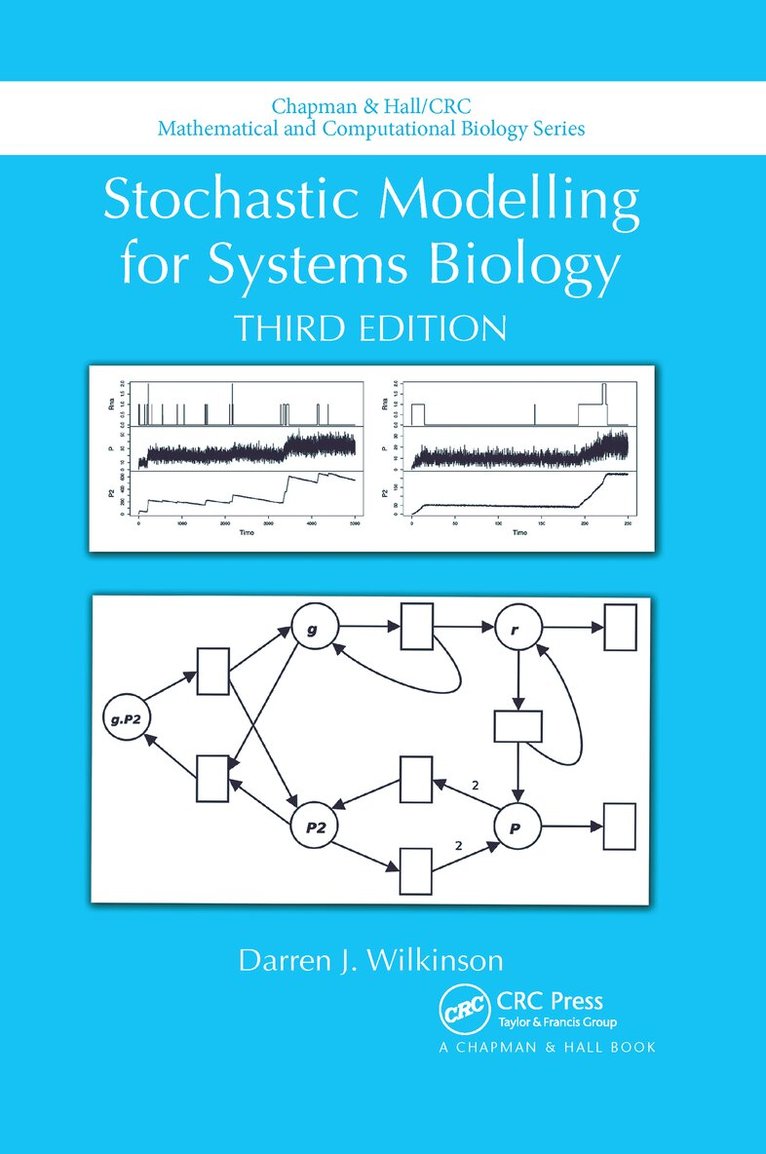
Since the first edition of Stochastic Modelling for Systems Biology, there have been many interesting developments in the use of "likelihood-free" methods of Bayesian inference for complex stochastic models. Having been thoroughly updated to reflect this, this third edition covers everything necessary for a good appreciation of stochastic kinetic modelling of biological networks in the systems biology context. New methods and applications are included in the book, and the use of R for practical illustration of the algorithms has been greatly extended. There is a brand new chapter on spatially extended systems, and the statistical inference chapter has also been extended with new methods, including approximate Bayesian computation (ABC). Stochastic Modelling for Systems Biology, Third Edition is now supplemented by an additional software library, written in Scala, described in a new appendix to the book.New in the Third Edition New chapter on spatially extended systems, covering the spatial Gillespie algorithm for reaction diffusion master equation models in 1- and 2-d, along with fast approximations based on the spatial chemical Langevin equation Significantly expanded chapter on inference for stochastic kinetic models from data, covering ABC, including ABC-SMC Updated R package, including code relating to all of the new material New R package for parsing SBML models into simulatable stochastic Petri net models New open-source software library, written in Scala, replicating most of the functionality of the R packages in a fast, compiled, strongly typed, functional language Keeping with the spirit of earlier editions, all of the new theory is presented in a very informal and intuitive manner, keeping the text as accessible as possible to the widest possible readership. An effective introduction to the area of stochastic modelling in computational systems biology, this new edition adds additional detail and computational methods that will provide a stronger foundation for the development of more advanced courses in stochastic biological modelling. - Häftad, Engelska, 2020
785 kr
Skickas inom 10-15 vardagar
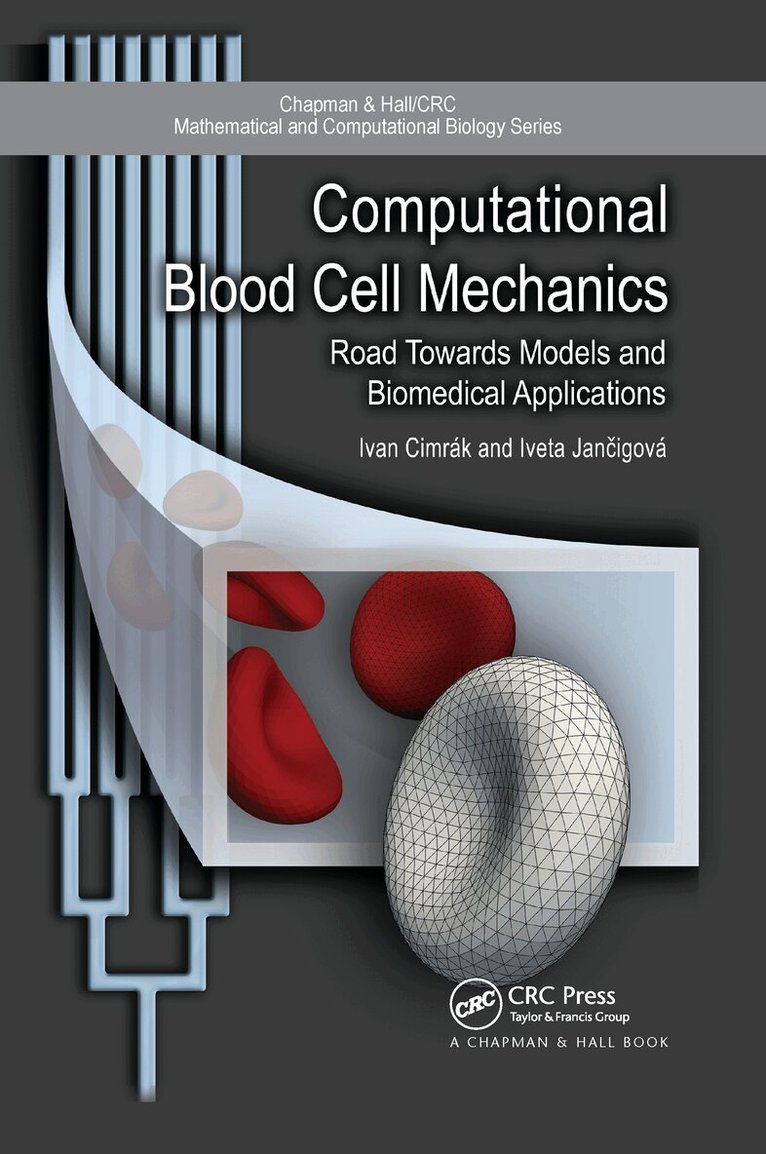
Simulating blood cells for biomedical applications is a challenging goal. Whether you want to investigate blood flow behavior on the cell scale, or use a blood cell model for fast computational prototyping in microfluidics, Computational Blood Cell Mechanics will help you get started, and show you the path forward. The text presents a step-by-step approach to cell model building that can be adopted when developing and validating models for biomedical applications, such as filtering and sorting cells, or examining flow and deformations of individual cells under various conditions. It starts with basic building-blocks that, together, model the red blood cell membrane according to its physical properties, before moving on to discuss several issues that may pose problems along the way, and finally leads to suggestions on how to set up computational experiments. More details available at www.compbloodcell.eu - Häftad, Engelska, 2020
743 kr
Skickas inom 10-15 vardagar
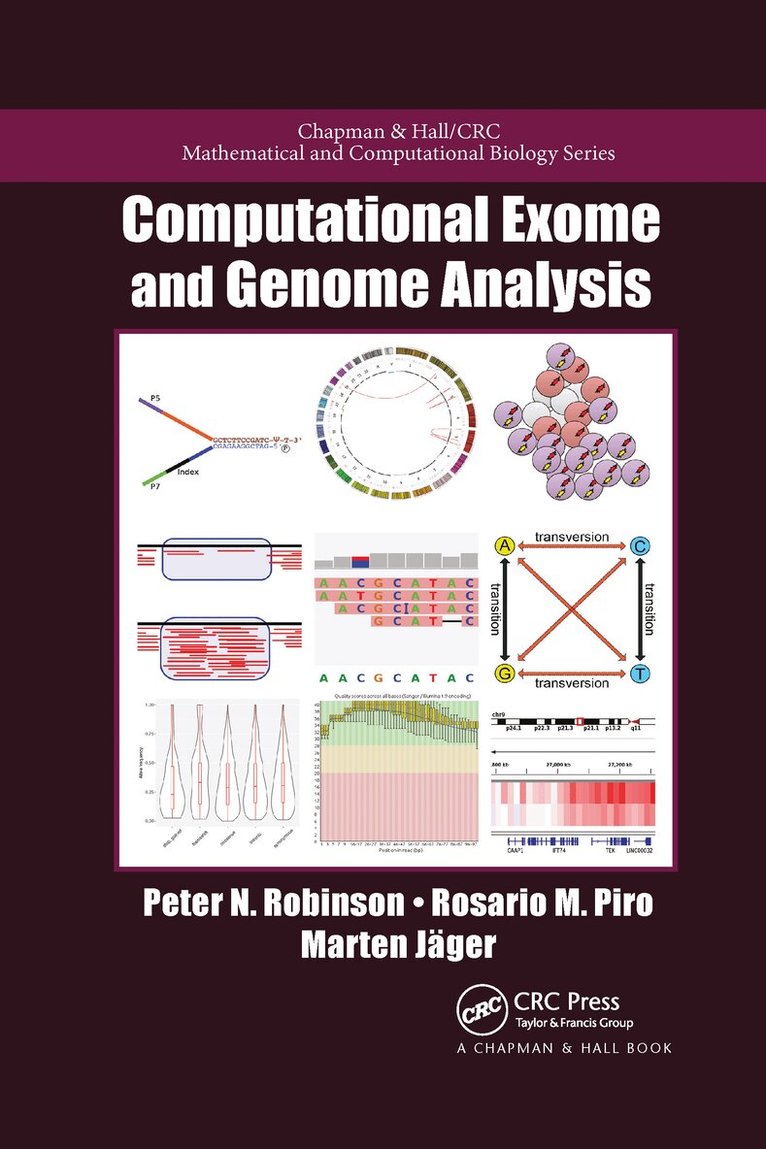
Exome and genome sequencing are revolutionizing medical research and diagnostics, but the computational analysis of the data has become an extremely heterogeneous and often challenging area of bioinformatics. Computational Exome and Genome Analysis provides a practical introduction to all of the major areas in the field, enabling readers to develop a comprehensive understanding of the sequencing process and the entire computational analysis pipeline. - Häftad, Engelska, 2020
771 kr
Skickas inom 10-15 vardagar
Advances in sequencing technology have allowed scientists to study the human genome in greater depth and on a larger scale than ever before – as many as hundreds of millions of short reads in the course of a few days. But what are the best ways to deal with this flood of data?Algorithms for Next-Generation Sequencing is an invaluable tool for students and researchers in bioinformatics and computational biology, biologists seeking to process and manage the data generated by next-generation sequencing, and as a textbook or a self-study resource. In addition to offering an in-depth description of the algorithms for processing sequencing data, it also presents useful case studies describing the applications of this technology. - Häftad, Engelska, 2020
672 kr
Skickas inom 10-15 vardagar
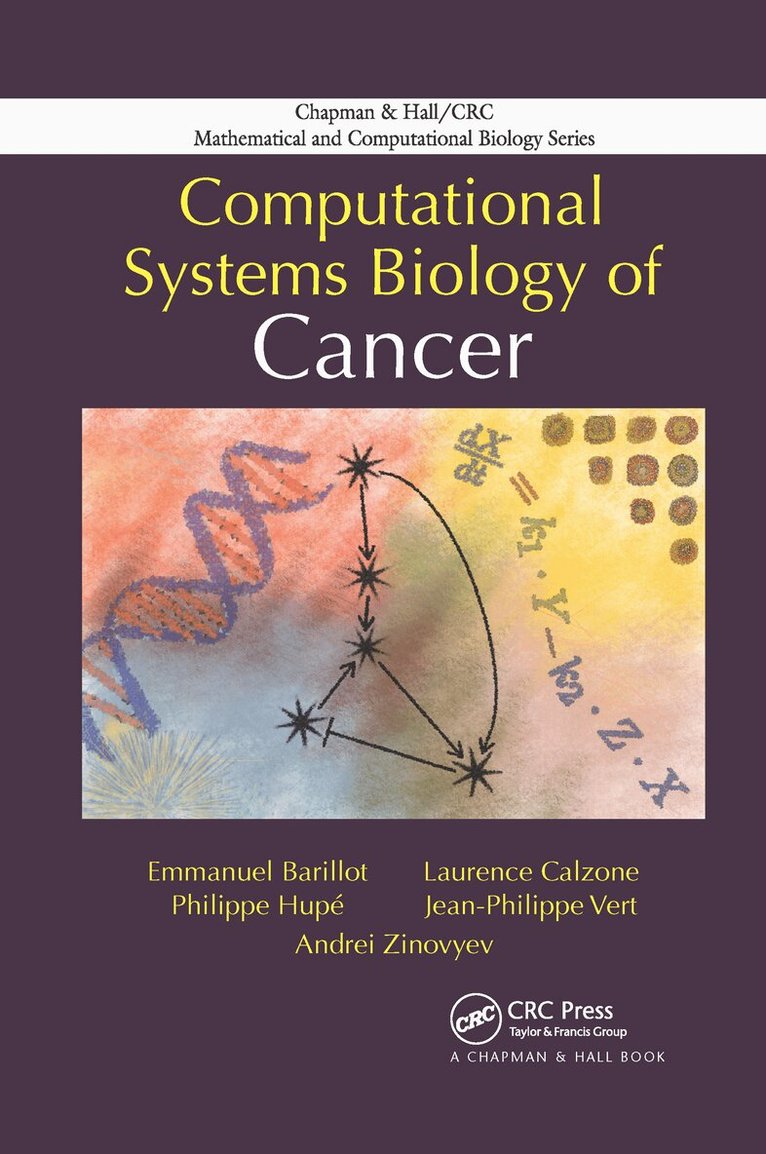
The future of cancer research and the development of new therapeutic strategies rely on our ability to convert biological and clinical questions into mathematical models—integrating our knowledge of tumour progression mechanisms with the tsunami of information brought by high-throughput technologies such as microarrays and next-generation sequencing. Offering promising insights on how to defeat cancer, the emerging field of systems biology captures the complexity of biological phenomena using mathematical and computational tools.Novel Approaches to Fighting CancerDrawn from the authors’ decade-long work in the cancer computational systems biology laboratory at Institut Curie (Paris, France), Computational Systems Biology of Cancer explains how to apply computational systems biology approaches to cancer research. The authors provide proven techniques and tools for cancer bioinformatics and systems biology research.Effectively Use Algorithmic Methods and Bioinformatics Tools in Real Biological ApplicationsSuitable for readers in both the computational and life sciences, this self-contained guide assumes very limited background in biology, mathematics, and computer science. It explores how computational systems biology can help fight cancer in three essential aspects:Categorising tumoursFinding new targetsDesigning improved and tailored therapeutic strategiesEach chapter introduces a problem, presents applicable concepts and state-of-the-art methods, describes existing tools, illustrates applications using real cases, lists publically available data and software, and includes references to further reading. Some chapters also contain exercises. Figures from the text and scripts/data for reproducing a breast cancer data analysis are available at www.cancer-systems-biology.net. - Häftad, Engelska, 2020
715 kr
Skickas inom 10-15 vardagar
Introduction to Bio-Ontologies explores the computational background of ontologies. Emphasizing computational and algorithmic issues surrounding bio-ontologies, this self-contained text helps readers understand ontological algorithms and their applications.The first part of the book defines ontology and bio-ontologies. It also explains the importance of mathematical logic for understanding concepts of inference in bio-ontologies, discusses the probability and statistics topics necessary for understanding ontology algorithms, and describes ontology languages, including OBO (the preeminent language for bio-ontologies), RDF, RDFS, and OWL.The second part covers significant bio-ontologies and their applications. The book presents the Gene Ontology; upper-level ontologies, such as the Basic Formal Ontology and the Relation Ontology; and current bio-ontologies, including several anatomy ontologies, Chemical Entities of Biological Interest, Sequence Ontology, Mammalian Phenotype Ontology, and Human Phenotype Ontology.The third part of the text introduces the major graph-based algorithms for bio-ontologies. The authors discuss how these algorithms are used in overrepresentation analysis, model-based procedures, semantic similarity analysis, and Bayesian networks for molecular biology and biomedical applications.With a focus on computational reasoning topics, the final part describes the ontology languages of the Semantic Web and their applications for inference. It covers the formal semantics of RDF and RDFS, OWL inference rules, a key inference algorithm, the SPARQL query language, and the state of the art for querying OWL ontologies.Web ResourceSoftware and data designed to complement material in the text are available on the book’s website: http://bio-ontologies-book.org The site provides the R Robo package developed for the book, along with a compressed archive of data and ontology files used in some of the exercises. It also offers teaching/presentation slides and links to other relevant websites.This book provides readers with the foundation to use ontologies as a starting point for new bioinformatics research projects or to support current molecular genetics research projects. By supplying a self-contained introduction to OBO ontologies and the Semantic Web, it bridges the gap between both fields and helps readers see what each can contribute to the analysis and understanding of biomedical data. - Häftad, Engelska, 2020
771 kr
Skickas inom 10-15 vardagar
Thoroughly Describes Biological Applications, Computational Problems, and Various Algorithmic Solutions Developed from the author’s own teaching material, Algorithms in Bioinformatics: A Practical Introduction provides an in-depth introduction to the algorithmic techniques applied in bioinformatics. For each topic, the author clearly details the biological motivation and precisely defines the corresponding computational problems. He also includes detailed examples to illustrate each algorithm and end-of-chapter exercises for students to familiarize themselves with the topics. Supplementary material is available at http://www.comp.nus.edu.sg/~ksung/algo_in_bioinfo/This classroom-tested textbook begins with basic molecular biology concepts. It then describes ways to measure sequence similarity, presents simple applications of the suffix tree, and discusses the problem of searching sequence databases. After introducing methods for aligning multiple biological sequences and genomes, the text explores applications of the phylogenetic tree, methods for comparing phylogenetic trees, the problem of genome rearrangement, and the problem of motif finding. It also covers methods for predicting the secondary structure of RNA and for reconstructing the peptide sequence using mass spectrometry. The final chapter examines the computational problem related to population genetics. - Häftad, Engelska, 2023
729 kr
Skickas inom 10-15 vardagar
This book delivers a comprehensive and insightful account of applying mathematical modelling approaches to very large biological systems and networks—a fundamental aspect of computational systems biology. The book covers key modelling paradigms in detail, while at the same time retaining a simplicity that will appeal to those from less quantitative fields. Key Features: A hands-on approach to modelling Covers a broad spectrum of modelling, from static networks to dynamic models and constraint-based models Thoughtful exercises to test and enable understanding of concepts State-of-the-art chapters on exciting new developments, like community modelling and biological circuit design Emphasis on coding and software tools for systems biology Companion website featuring lecture videos, figure slides, codes, supplementary exercises, further reading, and appendices: https://ramanlab.github.io/SysBioBook/An Introduction to Computational Systems Biology: Systems-Level Modelling of Cellular Networks is highly multi-disciplinary and will appeal to biologists, engineers, computer scientists, mathematicians and others. - Häftad, Engelska, 2021
765 kr
Skickas inom 10-15 vardagar
Praise for Computational Systems BiologyApproaches in Cancer Research:"Complex concepts are written clearly and with informative illustrations and useful links. The book is enjoyable to read yet provides sufficient depth to serve as a valuable resource for both students and faculty."— Trey Ideker, Professor of Medicine, UC Xan Diego, School of Medicine"This volume is attractive because it addresses important and timely topics for research and teaching on computational methods in cancer research. It covers a broad variety of approaches, exposes recent innovations in computational methods, and provides acces to source code and to dedicated interactive web sites."— Yves Moreau, Department of Electrical Engineering, SysBioSys Centre for Computational Systems Biology, University of LeuvenWith the availability of massive amounts of data in biology, the need for advanced computational tools and techniques is becoming increasingly important and key in understanding biology in disease and healthy states. This book focuses on computational systems biology approaches, with a particular lens on tackling one of the most challenging diseases - cancer. The book provides an important reference and teaching material in the field of computational biology in general and cancer systems biology in particular.The book presents a list of modern approaches in systems biology with application to cancer research and beyond. It is structured in a didactic form such that the idea of each approach can easily be grasped from the short text and self-explanatory figures. The coverage of topics is diverse: from pathway resources, through methods for data analysis and single data analysis to drug response predictors, classifiers and image analysis using machine learning and artificial intelligence approaches. FeaturesUp to date using a wide range of approaches Applicationexample in each chapter Online resources with useful applications’ - Häftad, Engelska, 2021
715 kr
Skickas inom 10-15 vardagar
Computational biology has developed rapidly during the last two decades following the genomic revolution which culminated in the sequencing of the human genome. More than ever it has developed into a field which embraces computational methods from different branches of the exact sciences: pure and applied mathematics, computer science, theoretical physics. This Second Edition provides a solid introduction to the techniques of statistical mechanics for graduate students and researchers in computational biology and biophysics. Material has been reorganized to clarify equilbrium and nonequilibrium aspects of biomolecular systems Content has been expanded, in particular in the treatment of the electrostatic interactions of biomolecules and the application of non-equilibrium statistical mechanics to biomolecules New network-based approaches for the study of proteins are presented. All treated topics are put firmly in the context of the current research literature, allowing the reader to easily follow an individual path into a specific research field. Exercises and Tasks accompany the presentations of the topics with the intention of enabling the readers to test their comprehension of the developed basic concepts. - Häftad, Engelska, 2021
743 kr
Skickas inom 10-15 vardagar
Demystifies Biomedical and Biological Big Data AnalysesBig Data Analysis for Bioinformatics and Biomedical Discoveries provides a practical guide to the nuts and bolts of Big Data, enabling you to quickly and effectively harness the power of Big Data to make groundbreaking biological discoveries, carry out translational medical research, and implement personalized genomic medicine. Contributing to the NIH Big Data to Knowledge (BD2K) initiative, the book enhances your computational and quantitative skills so that you can exploit the Big Data being generated in the current omics era. The book explores many significant topics of Big Data analyses in an easily understandable format. It describes popular tools and software for Big Data analyses and explains next-generation DNA sequencing data analyses. It also discusses comprehensive Big Data analyses of several major areas, including the integration of omics data, pharmacogenomics, electronic health record data, and drug discovery.Accessible to biologists, biomedical scientists, bioinformaticians, and computer data analysts, the book keeps complex mathematical deductions and jargon to a minimum. Each chapter includes a theoretical introduction, example applications, data analysis principles, step-by-step tutorials, and authoritative references. - Inbunden, Engelska, 2018
2 073 kr
Skickas inom 10-15 vardagar
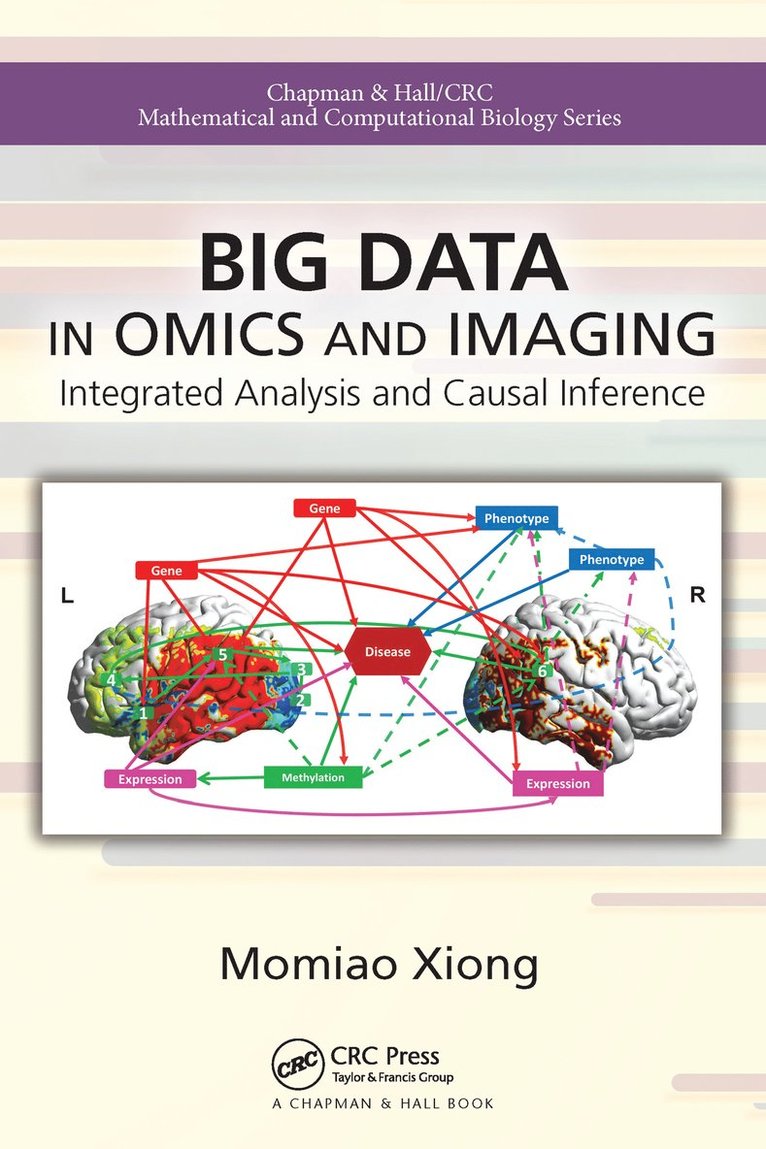
Big Data in Omics and Imaging: Integrated Analysis and Causal Inference addresses the recent development of integrated genomic, epigenomic and imaging data analysis and causal inference in big data era. Despite significant progress in dissecting the genetic architecture of complex diseases by genome-wide association studies (GWAS), genome-wide expression studies (GWES), and epigenome-wide association studies (EWAS), the overall contribution of the new identified genetic variants is small and a large fraction of genetic variants is still hidden. Understanding the etiology and causal chain of mechanism underlying complex diseases remains elusive. It is time to bring big data, machine learning and causal revolution to developing a new generation of genetic analysis for shifting the current paradigm of genetic analysis from shallow association analysis to deep causal inference and from genetic analysis alone to integrated omics and imaging data analysis for unraveling the mechanism of complex diseases.FEATURES Provides a natural extension and companion volume to Big Data in Omic and Imaging: Association Analysis, but can be read independently. Introduce causal inference theory to genomic, epigenomic and imaging data analysis Develop novel statistics for genome-wide causation studies and epigenome-wide causation studies. Bridge the gap between the traditional association analysis and modern causation analysis Use combinatorial optimization methods and various causal models as a general framework for inferring multilevel omic and image causal networks Present statistical methods and computational algorithms for searching causal paths from genetic variant to disease Develop causal machine learning methods integrating causal inference and machine learning Develop statistics for testing significant difference in directed edge, path, and graphs, and for assessing causal relationships between two networksThe book is designed for graduate students and researchers in genomics, epigenomics, medical image, bioinformatics, and data science. Topics covered are: mathematical formulation of causal inference, information geometry for causal inference, topology group and Haar measure, additive noise models, distance correlation, multivariate causal inference and causal networks, dynamic causal networks, multivariate and functional structural equation models, mixed structural equation models, causal inference with confounders, integer programming, deep learning and differential equations for wearable computing, genetic analysis of function-valued traits, RNA-seq data analysis, causal networks for genetic methylation analysis, gene expression and methylation deconvolution, cell –specific causal networks, deep learning for image segmentation and image analysis, imaging and genomic data analysis, integrated multilevel causal genomic, epigenomic and imaging data analysis. - E-bokEngelska, 2010
1 191 kr
Läs direkt efter köp
Introduction to Computational Proteomics introduces the field of computational biology through a focused approach that tackles the different steps and problems involved with protein analysis, classification, and meta-organization. The book starts with the analysis of individual entities and works its way through the analysis of more complex entitie - Häftad, Engelska, 2021
785 kr
Skickas inom 10-15 vardagar
Big Data in Omics and Imaging: Integrated Analysis and Causal Inference addresses the recent development of integrated genomic, epigenomic and imaging data analysis and causal inference in big data era. Despite significant progress in dissecting the genetic architecture of complex diseases by genome-wide association studies (GWAS), genome-wide expression studies (GWES), and epigenome-wide association studies (EWAS), the overall contribution of the new identified genetic variants is small and a large fraction of genetic variants is still hidden. Understanding the etiology and causal chain of mechanism underlying complex diseases remains elusive. It is time to bring big data, machine learning and causal revolution to developing a new generation of genetic analysis for shifting the current paradigm of genetic analysis from shallow association analysis to deep causal inference and from genetic analysis alone to integrated omics and imaging data analysis for unraveling the mechanism of complex diseases.FEATURES Provides a natural extension and companion volume to Big Data in Omic and Imaging: Association Analysis, but can be read independently. Introduce causal inference theory to genomic, epigenomic and imaging data analysis Develop novel statistics for genome-wide causation studies and epigenome-wide causation studies. Bridge the gap between the traditional association analysis and modern causation analysis Use combinatorial optimization methods and various causal models as a general framework for inferring multilevel omic and image causal networks Present statistical methods and computational algorithms for searching causal paths from genetic variant to disease Develop causal machine learning methods integrating causal inference and machine learning Develop statistics for testing significant difference in directed edge, path, and graphs, and for assessing causal relationships between two networks The book is designed for graduate students and researchers in genomics, epigenomics, medical image, bioinformatics, and data science. Topics covered are: mathematical formulation of causal inference, information geometry for causal inference, topology group and Haar measure, additive noise models, distance correlation, multivariate causal inference and causal networks, dynamic causal networks, multivariate and functional structural equation models, mixed structural equation models, causal inference with confounders, integer programming, deep learning and differential equations for wearable computing, genetic analysis of function-valued traits, RNA-seq data analysis, causal networks for genetic methylation analysis, gene expression and methylation deconvolution, cell –specific causal networks, deep learning for image segmentation and image analysis, imaging and genomic data analysis, integrated multilevel causal genomic, epigenomic and imaging data analysis. - Häftad, Engelska, 2021
785 kr
Skickas inom 10-15 vardagar
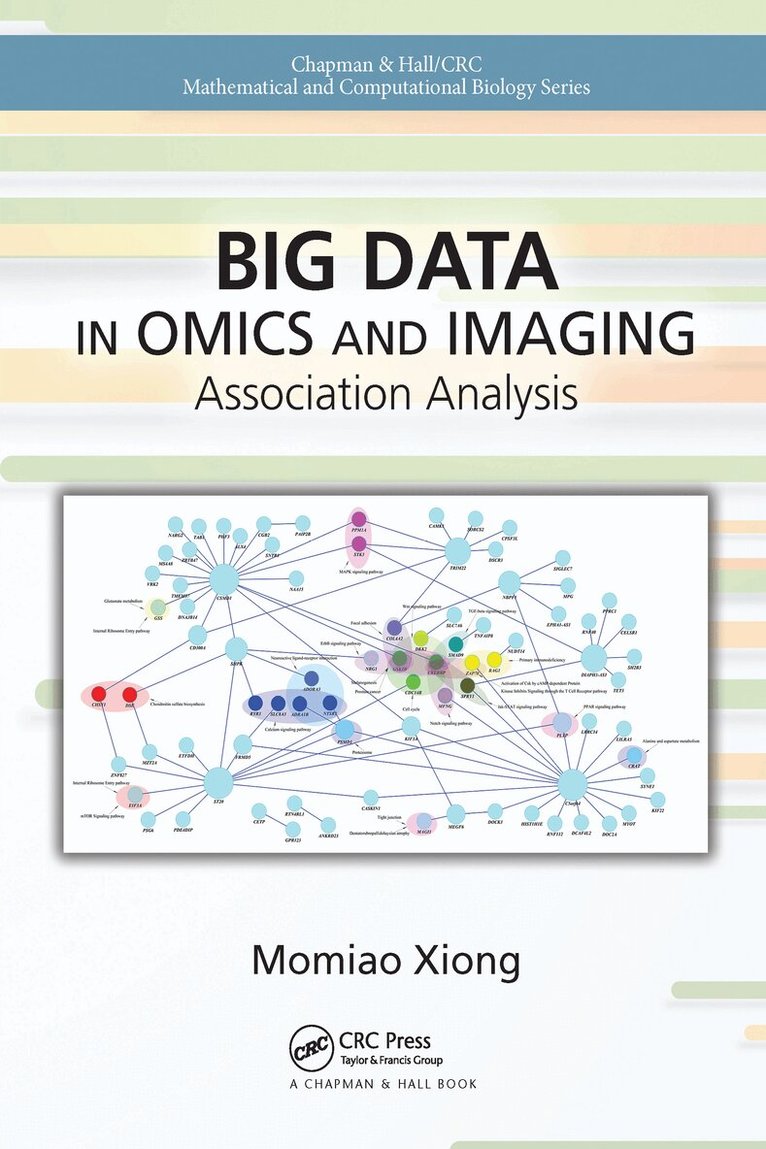
Big Data in Omics and Imaging: Association Analysis addresses the recent development of association analysis and machine learning for both population and family genomic data in sequencing era. It is unique in that it presents both hypothesis testing and a data mining approach to holistically dissecting the genetic structure of complex traits and to designing efficient strategies for precision medicine. The general frameworks for association analysis and machine learning, developed in the text, can be applied to genomic, epigenomic and imaging data.FEATURESBridges the gap between the traditional statistical methods and computational tools for small genetic and epigenetic data analysis and the modern advanced statistical methods for big dataProvides tools for high dimensional data reductionDiscusses searching algorithms for model and variable selection including randomization algorithms, Proximal methods and matrix subset selectionProvides real-world examples and case studiesWill have an accompanying website with R codeThe book is designed for graduate students and researchers in genomics, bioinformatics, and data science. It represents the paradigm shift of genetic studies of complex diseases– from shallow to deep genomic analysis, from low-dimensional to high dimensional, multivariate to functional data analysis with next-generation sequencing (NGS) data, and from homogeneous populations to heterogeneous population and pedigree data analysis. Topics covered are: advanced matrix theory, convex optimization algorithms, generalized low rank models, functional data analysis techniques, deep learning principle and machine learning methods for modern association, interaction, pathway and network analysis of rare and common variants, biomarker identification, disease risk and drug response prediction. - Inbunden, Engelska, 2022
1 479 kr
Skickas inom 10-15 vardagar
Bioinformatics: A Practical Guide to NCBI Databases and Sequence Alignments provides the basics of bioinformatics and in-depth coverage of NCBI databases, sequence alignment, and NCBI Sequence Local Alignment Search Tool (BLAST). As bioinformatics has become essential for life sciences, the book has been written specifically to address the need of a large audience including undergraduates, graduates, researchers, healthcare professionals, and bioinformatics professors who need to use the NCBI databases, retrieve data from them, and use BLAST to find evolutionarily related sequences, sequence annotation, construction of phylogenetic tree, and the conservative domain of a protein, to name just a few. Technical details of alignment algorithms are explained with a minimum use of mathematical formulas and with graphical illustrations.Key FeaturesProvides readers with the most-used bioinformatics knowledge of bioinformatics databases and alignments including both theory and application via illustrations and worked examples.Discusses the use of Windows Command Prompt, Linux shell, R, and Python for both Entrez databases and BLAST.The companion website (http://www.hamiddi.com/instructors/) contains tutorials, R and Python codes, instructor materials including slides, exercises, and problems for students.This is the ideal textbook for bioinformatics courses taken by students of life sciences and for researchers wishing to develop their knowledge of bioinformatics to facilitate their own research. - Häftad, Engelska, 2024
729 kr
Skickas inom 10-15 vardagar
Large biological data, which are often noisy and high-dimensional, have become increasingly prevalent in biology and medicine. There is a real need for good training in statistics, from data exploration through to analysis and interpretation. This book provides an overview of statistical and dimension reduction methods for high-throughput biological data, with a specific focus on data integration. It starts with some biological background, key concepts underlying the multivariate methods, and then covers an array of methods implemented using the mixOmics package in R. Features: Provides a broad and accessible overview of methods for multi-omics data integration Covers a wide range of multivariate methods, each designed to answer specific biological questions Includes comprehensive visualisation techniques to aid in data interpretation Includes many worked examples and case studies using real data Includes reproducible R code for each multivariate method, using the mixOmics package The book is suitable for researchers from a wide range of scientific disciplines wishing to apply these methods to obtain new and deeper insights into biological mechanisms and biomedical problems. The suite of tools introduced in this book will enable students and scientists to work at the interface between, and provide critical collaborative expertise to, biologists, bioinformaticians, statisticians and clinicians. - Häftad, Engelska, 2025
715 kr
Skickas inom 10-15 vardagar
Bioinformatics: A Practical Guide to NCBI Databases and Sequence Alignments provides the basics of bioinformatics and in-depth coverage of NCBI databases, sequence alignment, and NCBI Sequence Local Alignment Search Tool (BLAST). As bioinformatics has become essential for life sciences, the book has been written specifically to address the need of a large audience including undergraduates, graduates, researchers, healthcare professionals, and bioinformatics professors who need to use the NCBI databases, retrieve data from them, and use BLAST to find evolutionarily related sequences, sequence annotation, construction of phylogenetic tree, and the conservative domain of a protein, to name just a few. Technical details of alignment algorithms are explained with a minimum use of mathematical formulas and with graphical illustrations.Key FeaturesProvides readers with the most-used bioinformatics knowledge of bioinformatics databases and alignments including both theory and application via illustrations and worked examples.Discusses the use of Windows Command Prompt, Linux shell, R, and Python for both Entrez databases and BLAST.The companion website (http://www.hamiddi.com/instructors/) contains tutorials, R and Python codes, instructor materials including slides, exercises, and problems for students.This is the ideal textbook for bioinformatics courses taken by students of life sciences and for researchers wishing to develop their knowledge of bioinformatics to facilitate their own research. - Inbunden, Engelska, 2022
1 479 kr
Skickas inom 10-15 vardagar
Data Integration, Manipulation and Visualization of Phylogenetic Trees introduces and demonstrates data integration, manipulation and visualization of phylogenetic trees using a suite of R packages, tidytree, treeio, ggtree and ggtreeExtra. Using the most comprehensive packages for phylogenetic data integration and visualization, contains numerous examples that can be used for teaching and learning. Ideal for undergraduate readers and researchers with a working knowledge of R and ggplot2.Key Features:Manipulating phylogenetic tree with associated data using tidy verbsIntegrating phylogenetic data from diverse sourcesVisualizing phylogenetic data using grammar of graphics