Children and Young People in the Anthropocene – Serie
Visar alla böcker i serien Children and Young People in the Anthropocene. Handla med fri frakt och snabb leverans.
4 produkter
4 produkter
1 209 kr
Skickas inom 10-15 vardagar
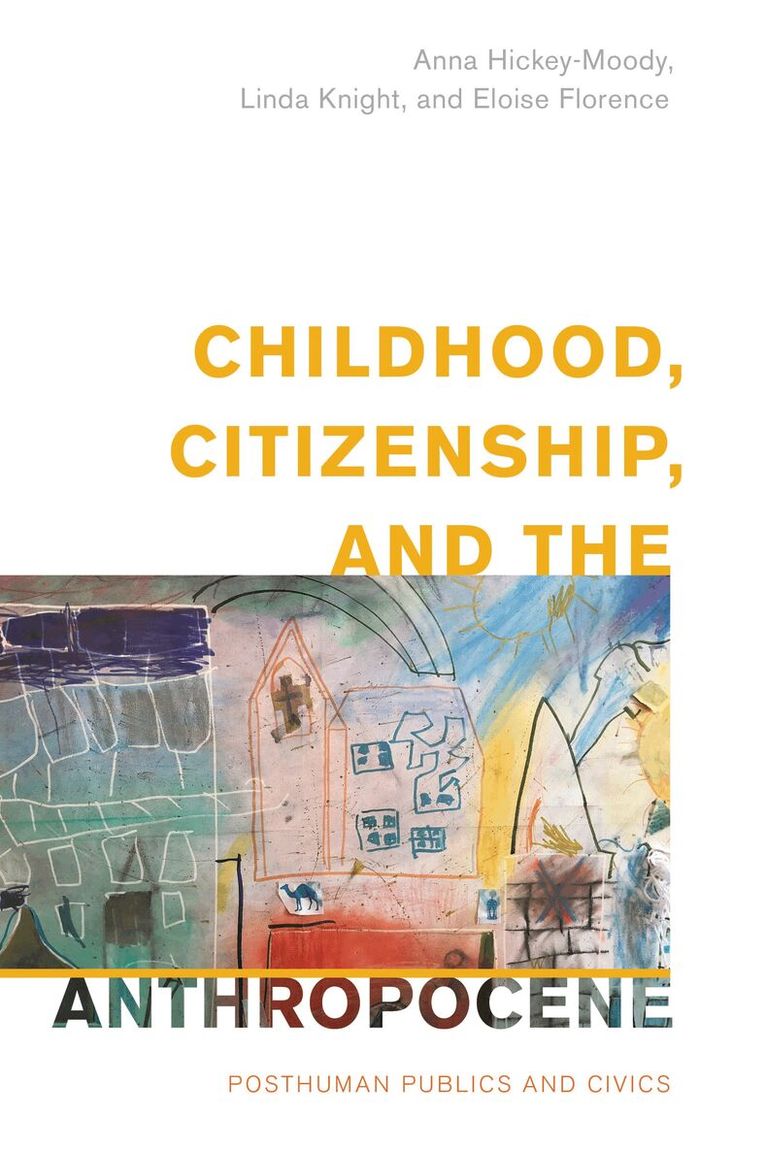
The planet is dying. Our earth’s climate has reached a point where it can no longer regulate itself. Fires, floods, and natural disasters are sweeping countries across the world. What does it mean to be a child citizen in the Anthropocene? Can we teach children a posthuman civics that can care for the more-than-human world? Extending on the concepts of ‘little publics’ and ‘posthuman citizenships’, this book progresses these notions with a view to modelling, and better understanding, posthuman publics and civics. Using experimental methodologies, the authors develop original, robust ways of understanding children's subcultural civic practices founded on care for the more than human.
1 142 kr
Skickas inom 10-15 vardagar
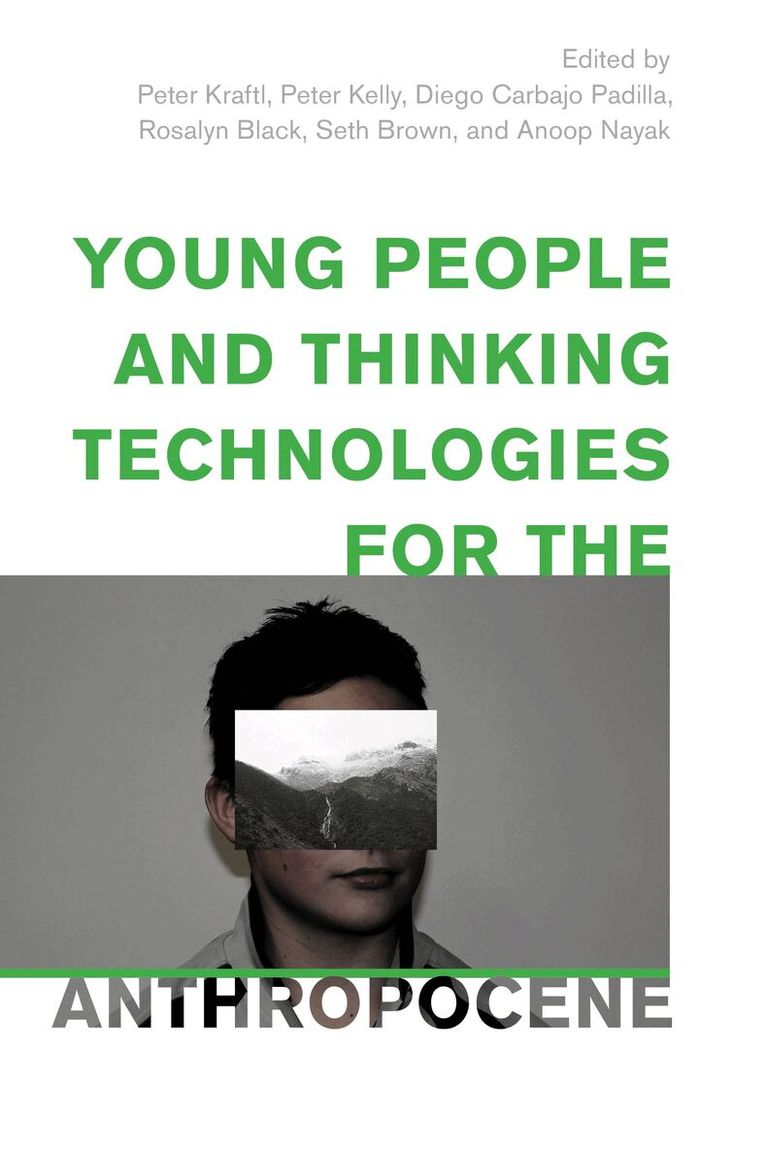
This collection, which is a companion volume to Young People and Stories for the Anthropocene (Kelly et al., 2022), aims to find, to explore, and to co-produce ways of ‘staying with the trouble’ (Haraway 2016) that are disruptive of orthodoxies in childhood and youth studies, and productive of new ways of thinking, and of being and becoming, in the circumstances that we (young and old) find ourselves in. Circumstances that have, problematically, been identified as the Anthropocene, and which have been characterised as being situated at the convergence of the climate crisis, the 6th mass extinction, and the ongoing crises of global capitalism as ‘earth system’ (Braidotti 2019, Moore 2015).The collection emerges, in part, and among other things, around three key challenges. First, how can childhood and youth studies tell stories about the less obviously-bounded, obviously-crafted, obviously-engineered material stuff that humans create and that circulates – stuff like plastics, chemicals, and the scattered remnants of past industrial endeavour. Second, the need to experiment with diverse modes of representation: with differently-mediated technologies and modes of telling that, from digital film platforms to children’s non-fiction writing, expand our lexicon in terms of how it might become possible to narrate young people in/and the Anthropocene. Third, the need to articulate different ‘tools’ for working with young people in the Anthropocene. ‘Tools’ and ‘technologies’, understood in this manner, are modes of becoming-attuned to, and of making, new configurations of human and non-human, new and pressing threats that weigh upon young people in visceral, affective ways, and new modes of speculating about and becoming-responsible for futures – human and more-than-human. In this sense, the contributions to the collection, from scholars from the Anglo and non-Anglosphere, are framed by an urgency to develop and deploy innovative, critical and disruptive theoretical and methodological tools and technologies to identify and explore the material, temporal and conceptual challenges for children and young people, and those who research in childhood and youth studies, at this convergence.
1 276 kr
Skickas inom 10-15 vardagar
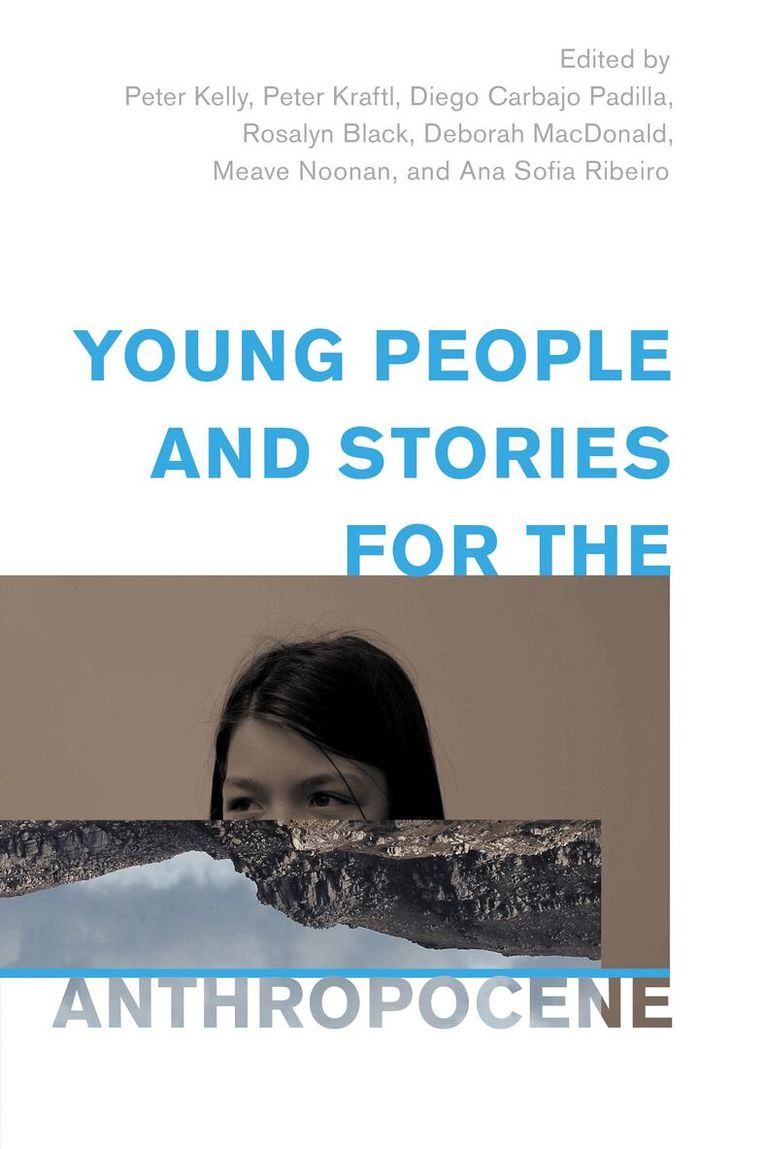
This edited collection presents stories of children and young people’s entanglements with times of ongoing crisis in the Anthropocene. The authors use biographical narratives and arts-based methodologies to further the discussion surrounding young people’s well-being, resilience, and enterprise. Through these stories, they seek to critically engage with the literature on the Anthropocene and interrogate concepts such as agency, structure, and belonging.
434 kr
Skickas inom 10-15 vardagar
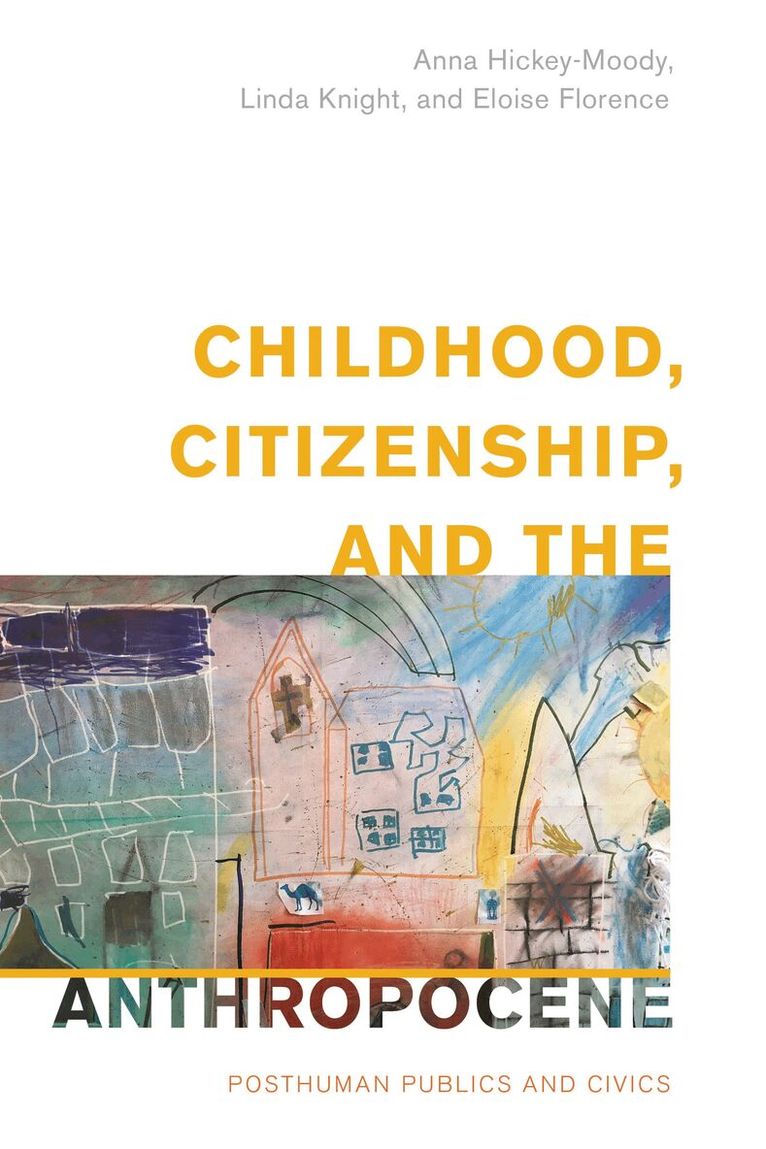
The planet is dying. Our earth’s climate has reached a point where it can no longer regulate itself. Fires, floods, and natural disasters are sweeping countries across the world. What does it mean to be a child citizen in the Anthropocene? Can we teach children a posthuman civics that can care for the more-than-human world? Extending on the concepts of ‘little publics’ and ‘posthuman citizenships’, this book progresses these notions with a view to modelling, and better understanding, posthuman publics and civics. Using experimental methodologies, the authors develop original, robust ways of understanding children's subcultural civic practices founded on care for the more than human.