Cities and Global Governance – serie
Visar alla böcker i serien Cities and Global Governance. Handla med fri frakt och snabb leverans.
16 produkter
16 produkter
Häftad, Engelska, 2019
708 kr
Skickas inom 10-15 vardagar
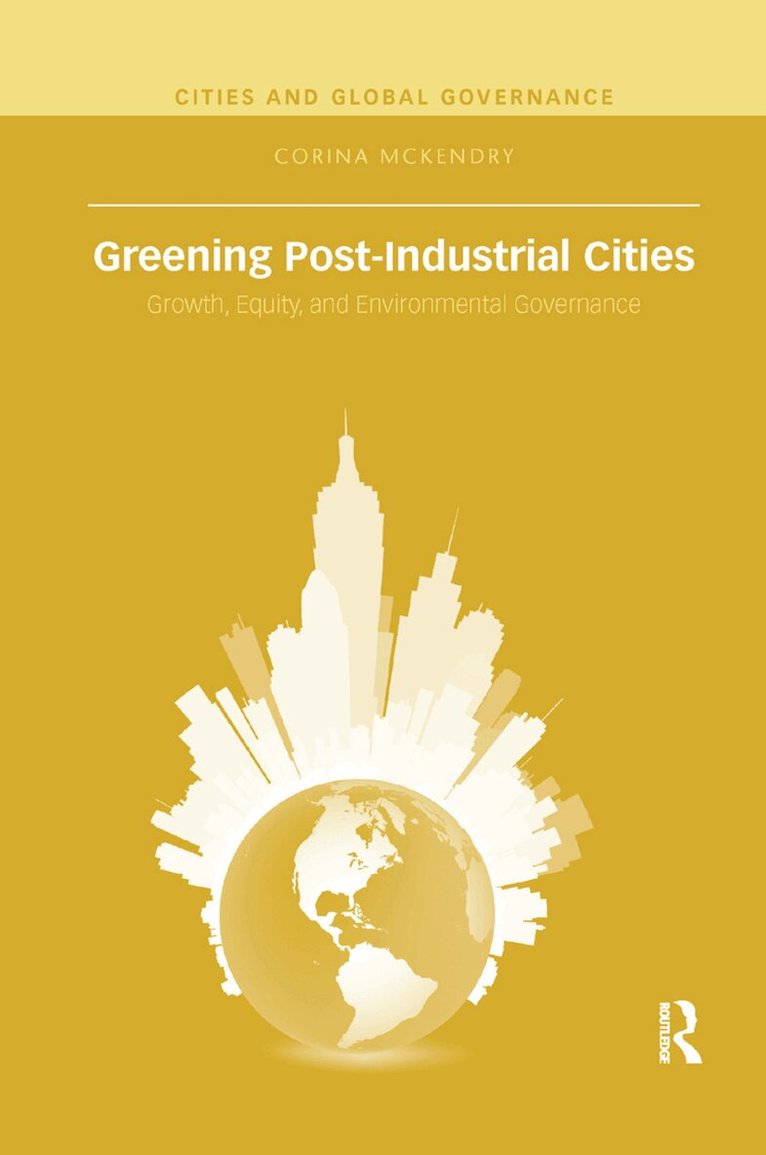
City greening has been heralded for contributing to environmental governance and critiqued for exacerbating displacement and inequality. Bringing these two disparate analyses into conversation, this book offers a comparative understanding of how tensions between growth, environmental protection, and social equity are playing out in practice. Examining Chicago, USA, Birmingham, UK, and Vancouver, Canada, McKendry argues that city greening efforts were closely connected to processes of post-industrial branding in the neoliberal economy. While this brought some benefits, concerns about the unequal distribution of these benefits and greening’s limited environmental impact challenged its legitimacy. In response, city leaders have moved toward initiatives that strive to better address environmental effectiveness and social equity while still spurring growth. Through an analysis that highlights how different varieties of liberal environmentalism are manifested in each case, this book illustrates that cities, though constrained by inconsistent political will and broader political and economic contexts, are making contributions to more effective, socially just environmental governance. Both critical and hopeful, McKendry’s work will interest scholars of city greening, environmental governance, and comparative urban politics.
Häftad, Engelska, 2020
651 kr
Skickas inom 10-15 vardagar
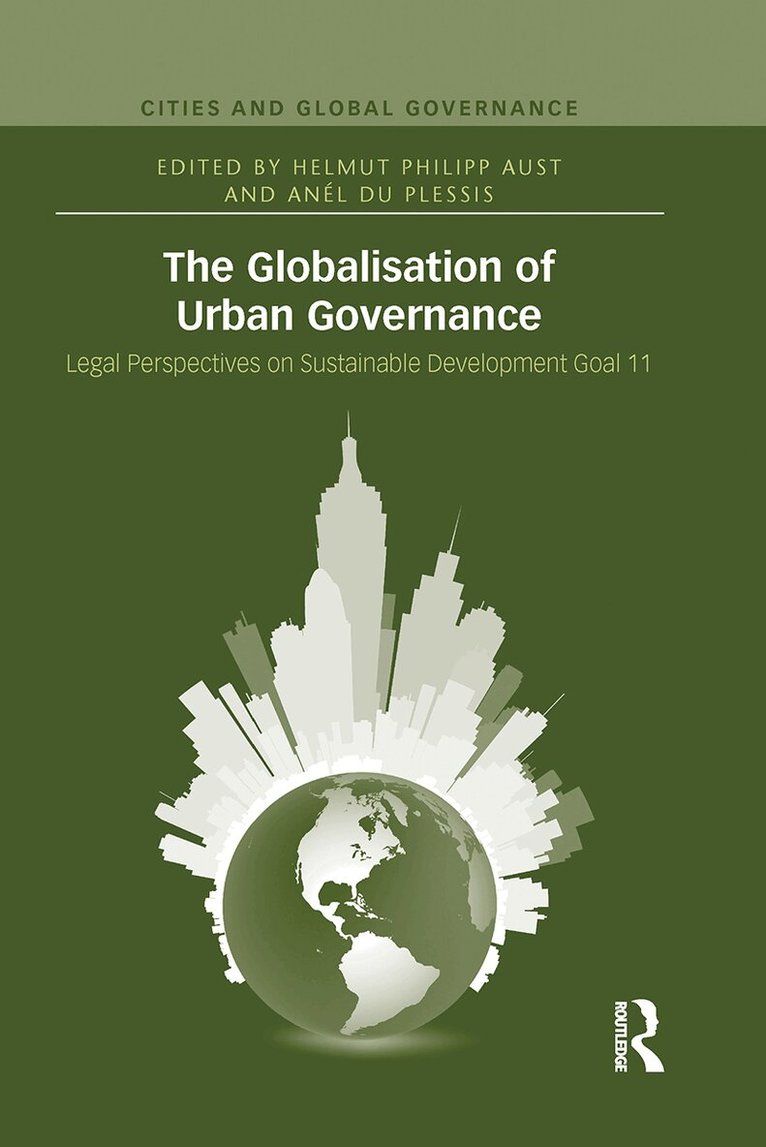
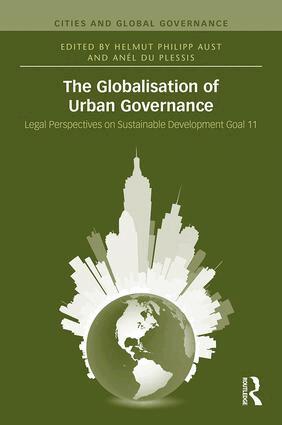
The adoption of the Sustainable Development Goals (SDGs) by the UN General Assembly in 2015 represents the latest attempt by the international community to live up to the challenges of a planet that is out of control. Sustainable Development Goal 11 envisages inclusive, safe, resilient and sustainable cities around the world by the year 2030. This globally agreed vision is part of a trend in international policy toward good urban governance, and now awaits implementation. Fourteen original contributions collectively examine how this global vision has been developed on a conceptual level, how it plays out in various areas of (global) urban governance and how it is implemented in varying local contexts. The overarching hypothesis presented herein is that SDG 11 proves that local governance is recognised as an autonomous yet interrelated part of the global pursuit of sustainable development. The volume analyses three core questions: How have the normative ideals set forth in SDG 11 been developed? What are the meanings of the four sub-goals of SDG 11 and how do these relate to each other? What does SDG 11 imply for urban law and governance in the domestic context and how are local processes of urban governance internationalised?The Globalisation of Urban Governance makes an important scholarly contribution by linking the narrative on globalisation of good urban governance in various social sciences with legal discourse. It considers global governance and connects the existing debate about cities and their place in global governance with some of the most pertinent questions that lawyers face today.
Inbunden, Engelska, 2012
2 206 kr
Skickas inom 10-15 vardagar
As a result of global dynamics—the increasing interconnection of people and places—innovations in global environmental governance haved altered the role of cities in shaping the future of the planet. This book is a timely study of the importance of these social transformations in our increasingly global and increasingly urban world. Through analysis of transnational municipal networks, such as Metropolis and the C40 Cities Climate Leadership Group, Sofie Bouteligier's innovative study examines theories of the network society and global cities from a global ecology perspective. Through direct observation and interviews and using two types of city networks that have been treated separately in the literature, she discovers the structure and logic pertaining to office networks of environmental non-governmental organizations and environmental consultancy firms. In doing so she incisively demonstrates the ways in which cities fulfill the role of strategic sites of global environmental governance, concentrating knowledge, infrastructure, and institutions vital to the function of transnational actors.
Inbunden, Engelska, 2014
2 343 kr
Skickas inom 10-15 vardagar
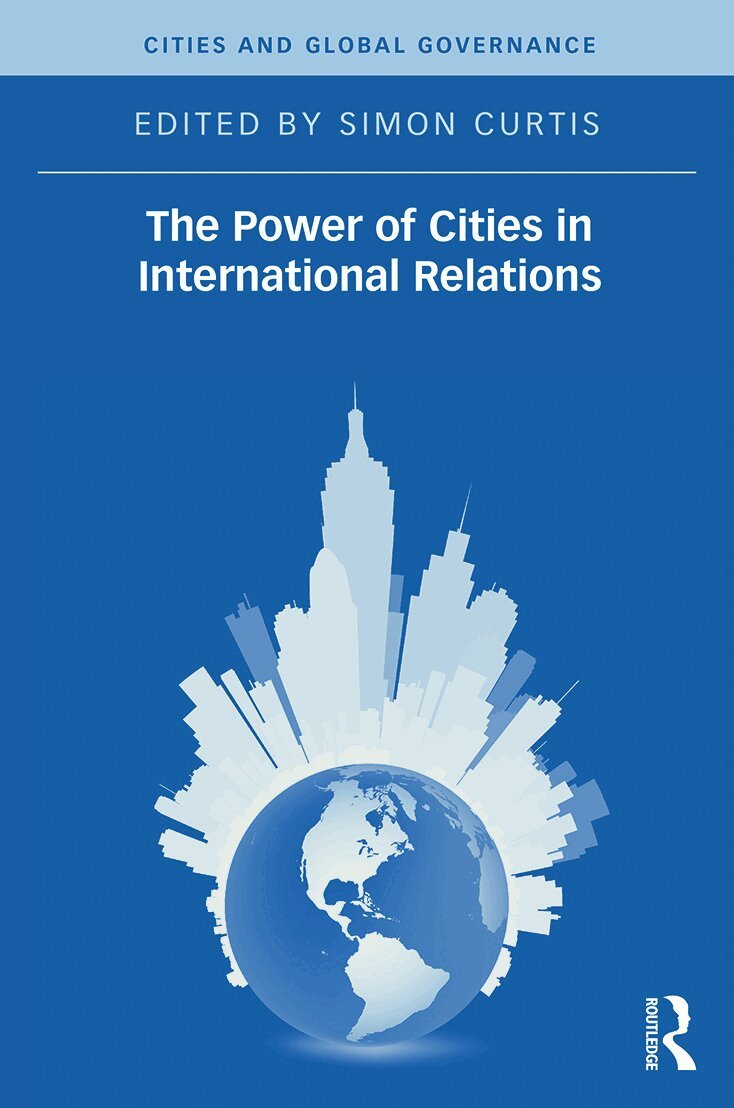
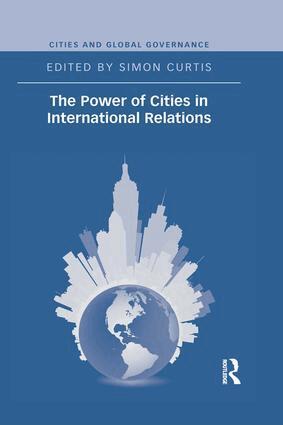
Cities have become increasingly important to global politics, but have largely occupied a peripheral place in the academic study of International Relations (IR). This is a notable oversight for the discipline, although one which may be explained by IR’s traditional state centrism, the subjugation of the city to the demands of the territorial state in the modern period, and a lack of conceptual and analytical frameworks that can allow scholars to include the impact of cities within their work. Presenting case-specific scholarship from leading experts in the field, each contribution guides the reader through the changing nature of cities in the international system and their increasing prominence in global governance outcomes. The book features case studies on the financial power of cities, city action in the security domain, collaboration of cities in coping with environmental problems, transnational urban regions, and mayors as international actors to illustrate if the relationship between the city and the state has changed in profound ways, and how cities are empowered by structural changes in world politics.The multidisciplinary and global focus in The Power of Cities in International Relations sheds much needed light on the significance of the reemergence of cities from the long shadow of the nation-state. Only by examining the mechanisms that have empowered cities in the last few decades can we understand their new functions and capabilities in global politics.
Inbunden, Engelska, 2014
2 206 kr
Skickas inom 10-15 vardagar
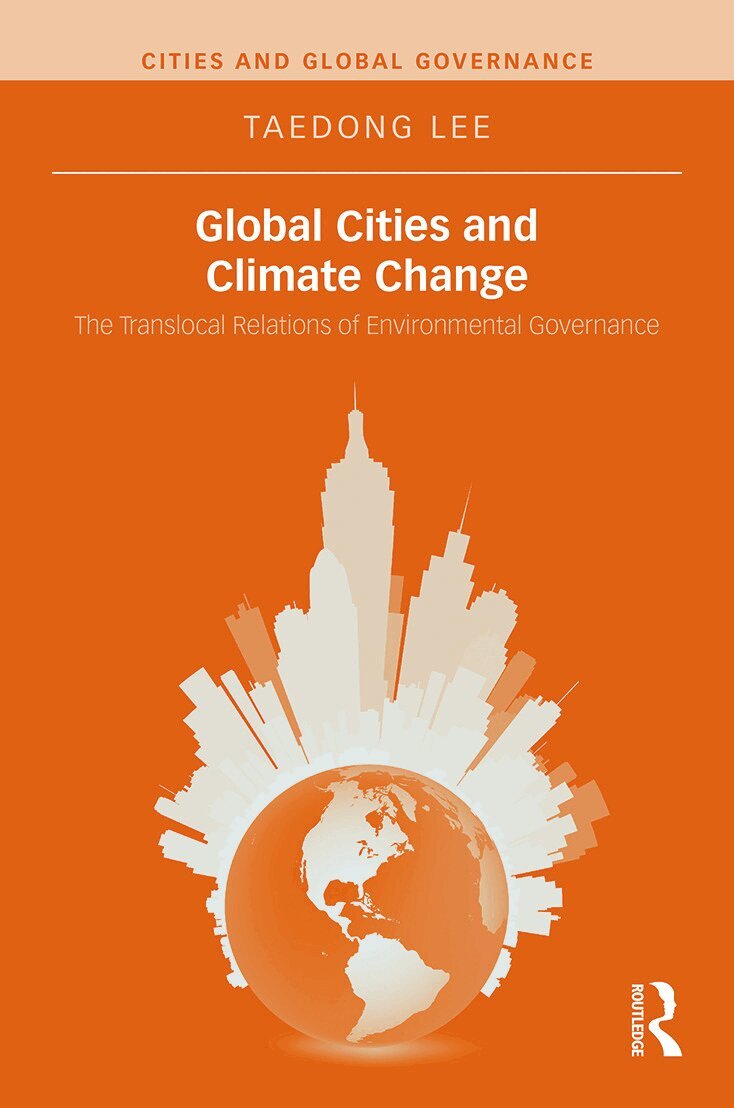
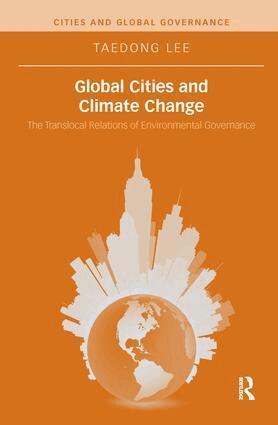
Cities have led the way to combat climate change by planning and implementing climate mitigation and adaptation policies. These local efforts go beyond national boundaries. Cities are forming transnational networks to enhance their understandings and practices for climate policies. In contrast to national governments that have numerous obstacles to cope with global climate change in the international and national level, cities have become significant international actors in the field of international relations and environmental governance.Global Cities and Climate Change examines the translocal relations of cities that have made an international effort to collectively tackle climate change. Compared to state-centric terms, international or trans-national relations, trans-local relations look at policies, politics, and interactions of local governments in the globalized world. Using multi-methods such as multi-level analysis, comparative case studies, regression analysis and network analysis, Taedong Lee illustrates why some cities participated in transnational climate networks for cities; under what conditions cities internationally cooperate with other cities, with which cities; and which factors influence climate policy performance.An essential read to all those who wish to understand the driving factors for local governments’ engagement in global climate governance from a theoretical as well as practical point of view. Lee makes a valuable contribution to the fields of international relations, environmental policies, and urban studies.
Häftad, Engelska, 2017
708 kr
Skickas inom 10-15 vardagar
Global cities all over the world are taking on new roles as they increasingly participate directly and independently in international affairs and global politics. So far, surprisingly few studies have analyzed the role of the Global City beyond its already well explicated role in the globalized economy. How is it that local governments of Global Cities claim international political authority and develop what appears to be their own independent foreign and security policies despite the fact that such policy areas have traditionally been considered to be the core function of nation-states and central governments? What does it mean to be and to govern the contemporary Global City?In this book Kristin Ljungkvist claims that we can better understand why local governments find it to be in their Global City’s interest to claim international political authority by exploring how the city’s role in the globalized world is constructed and narrated locally. A core claim is that Global City-hood as a specific type of collective identity can play a constitutive part in such interest formation. Combining insights from International Relations and Urban Studies scholarship, and with the help of a case study on New York City, Ljungkvist develops a new analytical framework for studying the Global City as an international political actor. The Global City 2.0 shows that even as the Global City engages in various global issues such as global environmental governance or counterterrorism, such pursuit will be framed and rationalized in terms of the city’s economic growth. The quest for growth and global competitiveness are not necessarily the only available meanings attached to the being and governing of the contemporary Global City. However, there seems to be a remarkable persistency and attraction in economistic ideas and an economistic conception of the Global City.
Inbunden, Engelska, 2022
1 931 kr
Skickas inom 10-15 vardagar
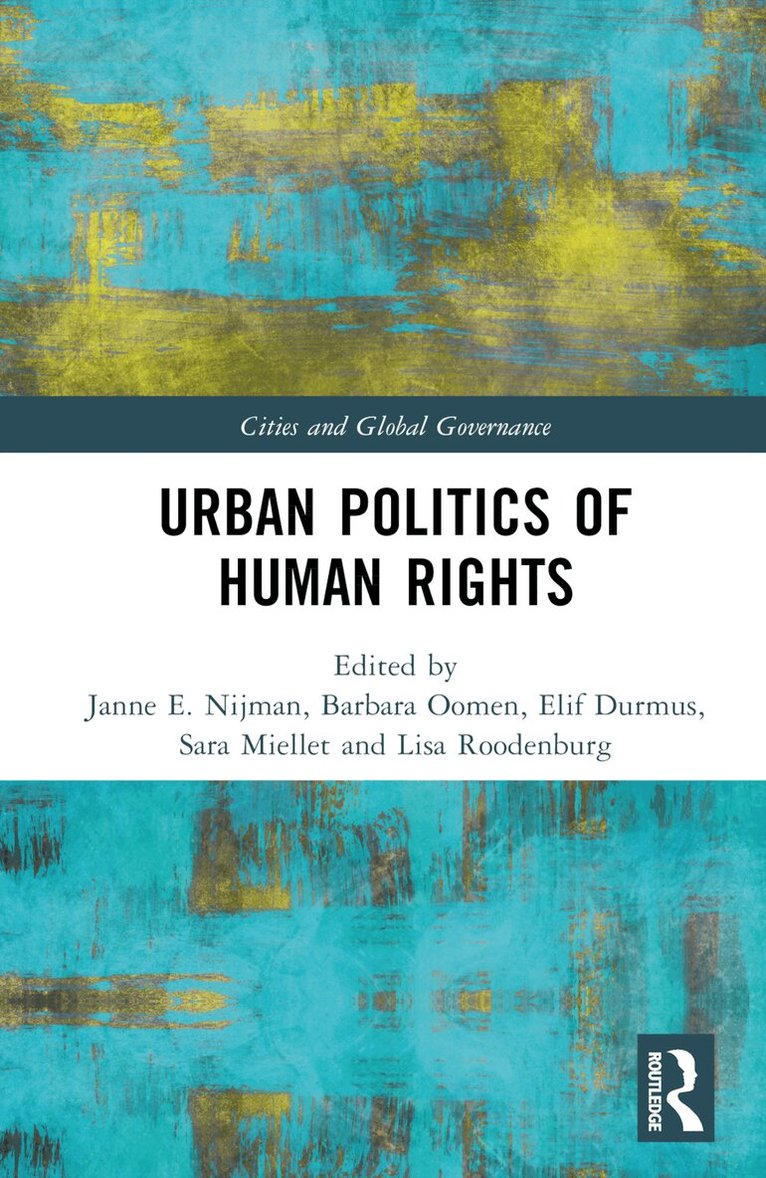
Increasingly, urban actors invoke human rights to address inequalities, combat privatisation, and underline common aspirations, or to protect vested (private) interests. The potential and the pitfalls of these processes are conditioned by the urban, and deeply political. These urban politics of human rights are at the heart of this book. An international line-up of contributors with long-term engagement in this field shed light on these politics in cities on four continents and eight cities, presenting a wealth of empirical detail and disciplinary theoreticalisation perspectives. They analyse the ‘city society’, the urban actors involved, and the mechanisms of human rights mobilisation. In doing so, they show the commonalities in rights engagement in today’s globalised and often deeply unequal cities characterised by urban law, private capital but also communities that rally around concepts as the ‘right to the city’. Most importantly, the chapters highlight the conditions under which this mobilisation truly contributes to social justice, be it concerning the simple right to presence, cultural rights, accessible housing or – in times of COVID – health care. Urban Politics of Human Rights provides indispensable reading for anyone with a practical or theoretical interest in the complex, deeply political, and at times also truly promising interrelationship between human rights and the urban. Creative Commons Attribution-Non Commercial-No Derivatives 4.0 license.
Häftad, Engelska, 2024
584 kr
Skickas inom 10-15 vardagar
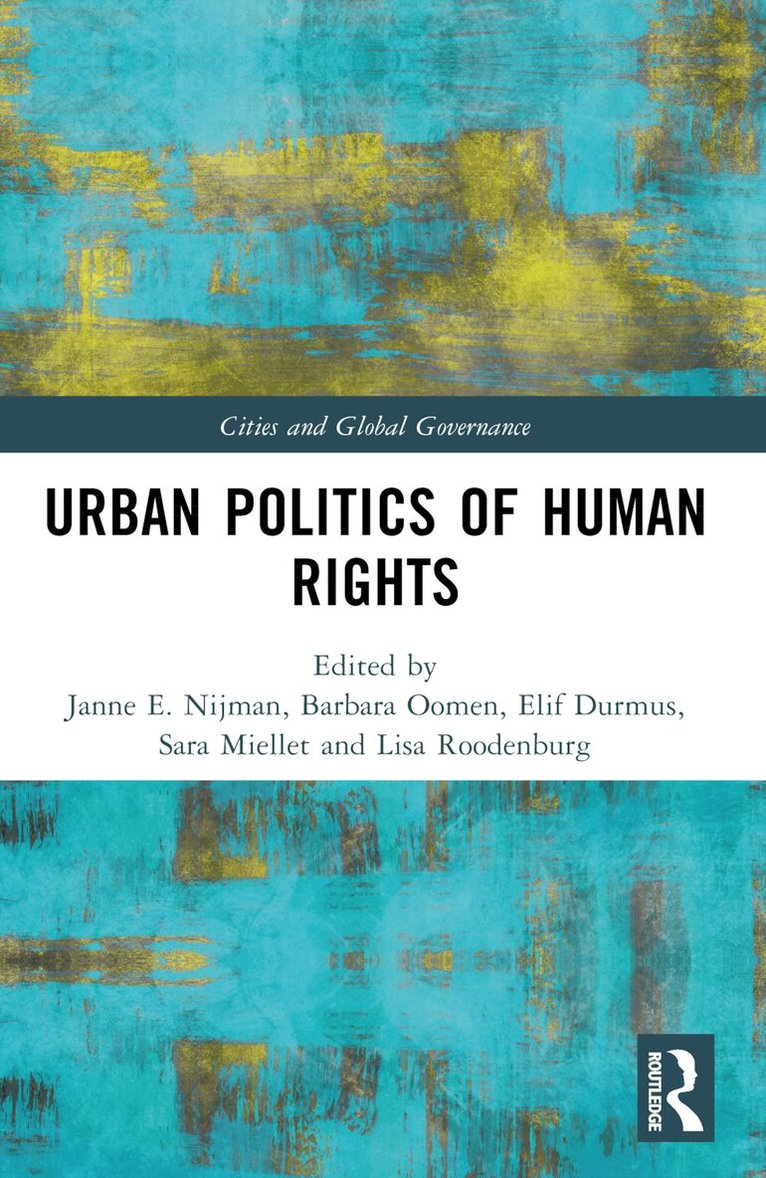
Increasingly, urban actors invoke human rights to address inequalities, combat privatisation, and underline common aspirations, or to protect vested (private) interests. The potential and the pitfalls of these processes are conditioned by the urban, and deeply political. These urban politics of human rights are at the heart of this book. An international line-up of contributors with long-term engagement in this field shed light on these politics in cities on four continents and eight cities, presenting a wealth of empirical detail and disciplinary theoreticalisation perspectives. They analyse the ‘city society’, the urban actors involved, and the mechanisms of human rights mobilisation. In doing so, they show the commonalities in rights engagement in today’s globalised and often deeply unequal cities characterised by urban law, private capital but also communities that rally around concepts as the ‘right to the city’. Most importantly, the chapters highlight the conditions under which this mobilisation truly contributes to social justice, be it concerning the simple right to presence, cultural rights, accessible housing or – in times of COVID – health care. Urban Politics of Human Rights provides indispensable reading for anyone with a practical or theoretical interest in the complex, deeply political, and at times also truly promising interrelationship between human rights and the urban. Creative Commons Attribution-Non Commercial-No Derivatives 4.0 license.
Häftad, Engelska, 2017
680 kr
Skickas inom 10-15 vardagar
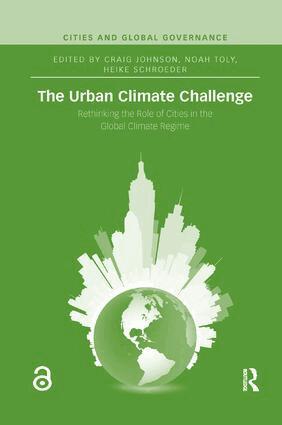
Drawing upon a variety of empirical and theoretical perspectives, The Urban Climate Challenge provides a hands-on perspective about the political and technical challenges now facing cities and transnational urban networks in the global climate regime. Bringing together experts working in the fields of global environmental governance, urban sustainability and climate change, this volume explores the ways in which cities, transnational urban networks and global policy institutions are repositioning themselves in relation to this changing global policy environment. Focusing on both Northern and Southern experience across the globe, three questions that have strong bearing on the ways in which we understand and assess the changing relationship between cities and global climate system are examined. How are cities repositioning themselves in relation to the global climate regime? How are cities being repositioned – conceptually and epistemologically? What are the prospects for crafting policies that can reduce the urban carbon footprint while at the same time building resilience to future climate change?The Urban Climate Challenge will be of interest to scholars of urban climate policy, global environmental governance and climate change. It will be of interest to readers more generally interested in the ways in which cities are now addressing the inter-related challenges of sustainable urban growth and global climate change. Chapter 9 and Chapter 11 of this book is freely available as a downloadable Open Access PDF at www.tandfebooks.com/openaccess. It has been made available under a Creative Commons Attribution-Non Commercial-No Derivatives 3.0 license.
Häftad, Engelska, 2016
557 kr
Skickas inom 10-15 vardagar
Cities have led the way to combat climate change by planning and implementing climate mitigation and adaptation policies. These local efforts go beyond national boundaries. Cities are forming transnational networks to enhance their understandings and practices for climate policies. In contrast to national governments that have numerous obstacles to cope with global climate change in the international and national level, cities have become significant international actors in the field of international relations and environmental governance.Global Cities and Climate Change examines the translocal relations of cities that have made an international effort to collectively tackle climate change. Compared to state-centric terms, international or trans-national relations, trans-local relations look at policies, politics, and interactions of local governments in the globalized world. Using multi-methods such as multi-level analysis, comparative case studies, regression analysis and network analysis, Taedong Lee illustrates why some cities participated in transnational climate networks for cities; under what conditions cities internationally cooperate with other cities, with which cities; and which factors influence climate policy performance.An essential read to all those who wish to understand the driving factors for local governments’ engagement in global climate governance from a theoretical as well as practical point of view. Lee makes a valuable contribution to the fields of international relations, environmental policies, and urban studies.
Inbunden, Engelska, 2018
2 343 kr
Skickas inom 10-15 vardagar
The adoption of the Sustainable Development Goals (SDGs) by the UN General Assembly in 2015 represents the latest attempt by the international community to live up to the challenges of a planet that is out of control. Sustainable Development Goal 11 envisages inclusive, safe, resilient and sustainable cities around the world by the year 2030. This globally agreed vision is part of a trend in international policy toward good urban governance, and now awaits implementation. Fourteen original contributions collectively examine how this global vision has been developed on a conceptual level, how it plays out in various areas of (global) urban governance and how it is implemented in varying local contexts. The overarching hypothesis presented herein is that SDG 11 proves that local governance is recognised as an autonomous yet interrelated part of the global pursuit of sustainable development. The volume analyses three core questions: How have the normative ideals set forth in SDG 11 been developed? What are the meanings of the four sub-goals of SDG 11 and how do these relate to each other? What does SDG 11 imply for urban law and governance in the domestic context and how are local processes of urban governance internationalised?The Globalisation of Urban Governance makes an important scholarly contribution by linking the narrative on globalisation of good urban governance in various social sciences with legal discourse. It considers global governance and connects the existing debate about cities and their place in global governance with some of the most pertinent questions that lawyers face today.
Häftad, Engelska, 2016
625 kr
Skickas inom 10-15 vardagar
Cities have become increasingly important to global politics, but have largely occupied a peripheral place in the academic study of International Relations (IR). This is a notable oversight for the discipline, although one which may be explained by IR’s traditional state centrism, the subjugation of the city to the demands of the territorial state in the modern period, and a lack of conceptual and analytical frameworks that can allow scholars to include the impact of cities within their work. Presenting case-specific scholarship from leading experts in the field, each contribution guides the reader through the changing nature of cities in the international system and their increasing prominence in global governance outcomes. The book features case studies on the financial power of cities, city action in the security domain, collaboration of cities in coping with environmental problems, transnational urban regions, and mayors as international actors to illustrate if the relationship between the city and the state has changed in profound ways, and how cities are empowered by structural changes in world politics.The multidisciplinary and global focus in The Power of Cities in International Relations sheds much needed light on the significance of the reemergence of cities from the long shadow of the nation-state. Only by examining the mechanisms that have empowered cities in the last few decades can we understand their new functions and capabilities in global politics.
Inbunden, Engelska, 2017
2 137 kr
Skickas inom 10-15 vardagar
City greening has been heralded for contributing to environmental governance and critiqued for exacerbating displacement and inequality. Bringing these two disparate analyses into conversation, this book offers a comparative understanding of how tensions between growth, environmental protection, and social equity are playing out in practice. Examining Chicago, USA, Birmingham, UK, and Vancouver, Canada, McKendry argues that city greening efforts were closely connected to processes of post-industrial branding in the neoliberal economy. While this brought some benefits, concerns about the unequal distribution of these benefits and greening’s limited environmental impact challenged its legitimacy. In response, city leaders have moved toward initiatives that strive to better address environmental effectiveness and social equity while still spurring growth. Through an analysis that highlights how different varieties of liberal environmentalism are manifested in each case, this book illustrates that cities, though constrained by inconsistent political will and broader political and economic contexts, are making contributions to more effective, socially just environmental governance. Both critical and hopeful, McKendry’s work will interest scholars of city greening, environmental governance, and comparative urban politics.
Inbunden, Engelska, 2015
2 274 kr
Skickas inom 10-15 vardagar
Drawing upon a variety of empirical and theoretical perspectives, The Urban Climate Challenge provides a hands-on perspective about the political and technical challenges now facing cities and transnational urban networks in the global climate regime. Bringing together experts working in the fields of global environmental governance, urban sustainability and climate change, this volume explores the ways in which cities, transnational urban networks and global policy institutions are repositioning themselves in relation to this changing global policy environment. Focusing on both Northern and Southern experience across the globe, three questions that have strong bearing on the ways in which we understand and assess the changing relationship between cities and global climate system are examined. The Urban Climate Challenge will be of interest to scholars of urban climate policy, global environmental governance and climate change. It will be of interest to readers more generally interested in the ways in which cities are now addressing the inter-related challenges of sustainable urban growth and global climate change. Chapter 9 and Chapter 11 of this book are freely available as downloadable Open Access PDFs under a Creative Commons Attribution-Non Commercial-No Derivatives 3.0 license. https://s3-us-west-2.amazonaws.com/tandfbis/rt-files/docs/Open+Access+Chapters/9781138776883_oachapter11.pdfChapter 9 and Chapter 11 of this book are freely available as downloadable Open Access PDFs under a Creative Commons Attribution-Non Commercial-No Derivatives 3.0 license. https://s3-us-west-2.amazonaws.com/tandfbis/rt-files/docs/Open+Access+Chapters/9781138776883_oachapter9.pdf
Häftad, Engelska, 2014
625 kr
Skickas inom 10-15 vardagar
As a result of global dynamics—the increasing interconnection of people and places—innovations in global environmental governance haved altered the role of cities in shaping the future of the planet. This book is a timely study of the importance of these social transformations in our increasingly global and increasingly urban world. Through analysis of transnational municipal networks, such as Metropolis and the C40 Cities Climate Leadership Group, Sofie Bouteligier's innovative study examines theories of the network society and global cities from a global ecology perspective. Through direct observation and interviews and using two types of city networks that have been treated separately in the literature, she discovers the structure and logic pertaining to office networks of environmental non-governmental organizations and environmental consultancy firms. In doing so she incisively demonstrates the ways in which cities fulfill the role of strategic sites of global environmental governance, concentrating knowledge, infrastructure, and institutions vital to the function of transnational actors.
Inbunden, Engelska, 2015
2 343 kr
Skickas inom 10-15 vardagar
Global cities all over the world are taking on new roles as they increasingly participate directly and independently in international affairs and global politics. So far, surprisingly few studies have analyzed the role of the Global City beyond its already well explicated role in the globalized economy. How is it that local governments of Global Cities claim international political authority and develop what appears to be their own independent foreign and security policies despite the fact that such policy areas have traditionally been considered to be the core function of nation-states and central governments? What does it mean to be and to govern the contemporary Global City?In this book Kristin Ljungkvist claims that we can better understand why local governments find it to be in their Global City’s interest to claim international political authority by exploring how the city’s role in the globalized world is constructed and narrated locally. A core claim is that Global City-hood as a specific type of collective identity can play a constitutive part in such interest formation. Combining insights from International Relations and Urban Studies scholarship, and with the help of a case study on New York City, Ljungkvist develops a new analytical framework for studying the Global City as an international political actor. The Global City 2.0 shows that even as the Global City engages in various global issues such as global environmental governance or counterterrorism, such pursuit will be framed and rationalized in terms of the city’s economic growth. The quest for growth and global competitiveness are not necessarily the only available meanings attached to the being and governing of the contemporary Global City. However, there seems to be a remarkable persistency and attraction in economistic ideas and an economistic conception of the Global City.