Columbia University Earth Institute Sustainability Primers – serie
Visar alla böcker i serien Columbia University Earth Institute Sustainability Primers. Handla med fri frakt och snabb leverans.
18 produkter
18 produkter
640 kr
Skickas inom 7-10 vardagar
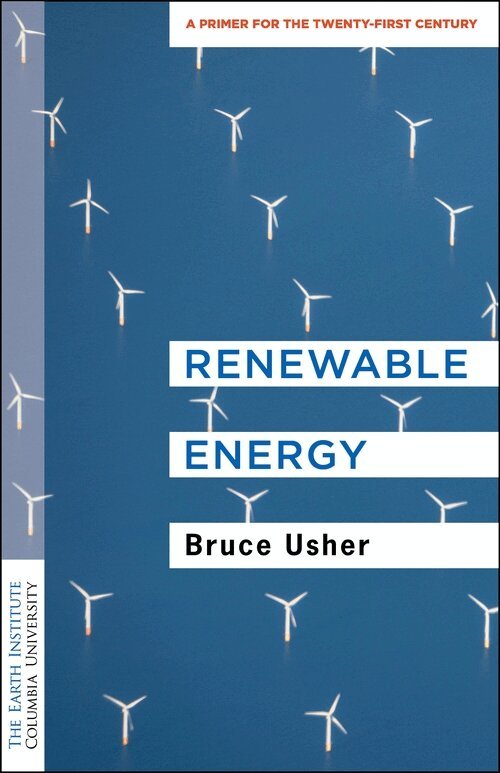
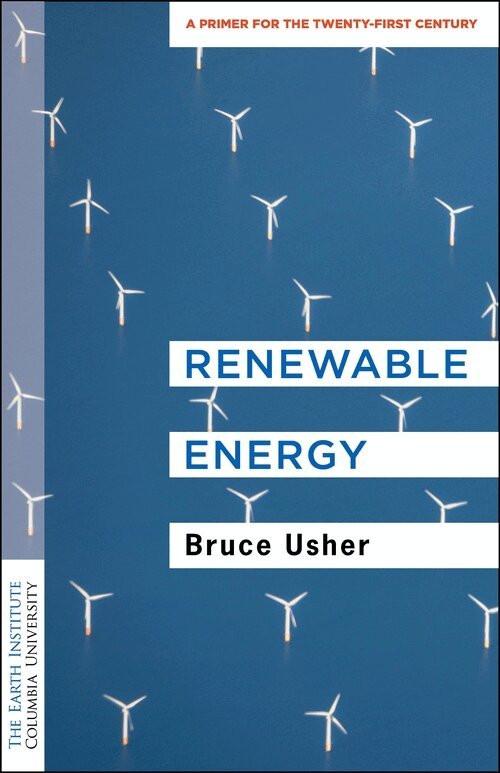
From wood to coal to oil and gas, the sources of energy on which civilization depends have always changed as technology advances. Now renewables are overtaking fossil fuels, with wind and solar energy becoming cheaper and more competitive every year. Growth in renewable energy will further accelerate as electric vehicles become less expensive than traditional automobiles. Understanding the implications of the energy transition will prepare us for the many changes ahead.This book is a primer for readers of all levels on the coming energy transition and its global consequences. Bruce Usher provides a concise yet comprehensive explanation for the extraordinary growth in wind and solar energy; the trajectory of the transition from fossil fuels to renewables; and the implications for industries, countries, and the climate. Written in a straightforward style with easy-to-understand visual aids, the book illuminates the strengths and weaknesses of renewable energy based on business fundamentals and analysis of the economic forces that have given renewables a tailwind. Usher dissects the winners and losers, illustrating how governments and businesses with a far-sighted approach will reap long-term benefits while others will trail behind. Alongside the business and finance case for renewable energy, he provides a timely illustration of the threat of catastrophic climate change and the perils of delay. A short and powerful guide to our energy present and future, this book makes it clear that, from both economic and environmental perspectives, there is no time to lose.
165 kr
Skickas inom 7-10 vardagar
From wood to coal to oil and gas, the sources of energy on which civilization depends have always changed as technology advances. Now renewables are overtaking fossil fuels, with wind and solar energy becoming cheaper and more competitive every year. Growth in renewable energy will further accelerate as electric vehicles become less expensive than traditional automobiles. Understanding the implications of the energy transition will prepare us for the many changes ahead.This book is a primer for readers of all levels on the coming energy transition and its global consequences. Bruce Usher provides a concise yet comprehensive explanation for the extraordinary growth in wind and solar energy; the trajectory of the transition from fossil fuels to renewables; and the implications for industries, countries, and the climate. Written in a straightforward style with easy-to-understand visual aids, the book illuminates the strengths and weaknesses of renewable energy based on business fundamentals and analysis of the economic forces that have given renewables a tailwind. Usher dissects the winners and losers, illustrating how governments and businesses with a far-sighted approach will reap long-term benefits while others will trail behind. Alongside the business and finance case for renewable energy, he provides a timely illustration of the threat of catastrophic climate change and the perils of delay. A short and powerful guide to our energy present and future, this book makes it clear that, from both economic and environmental perspectives, there is no time to lose.
640 kr
Skickas inom 7-10 vardagar
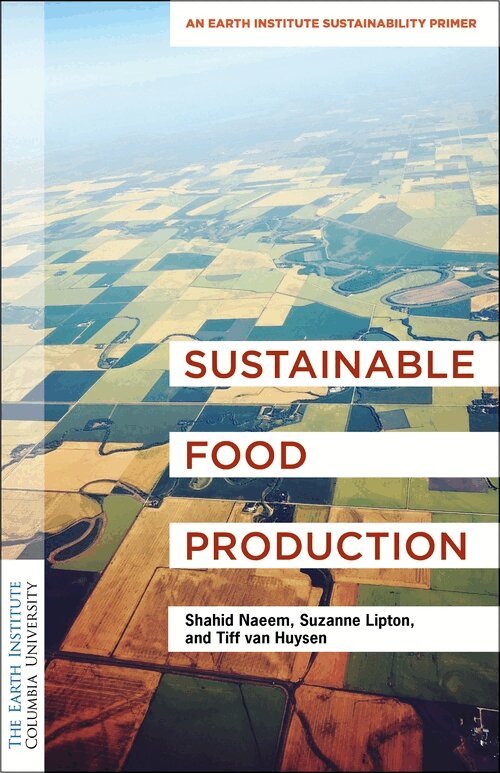
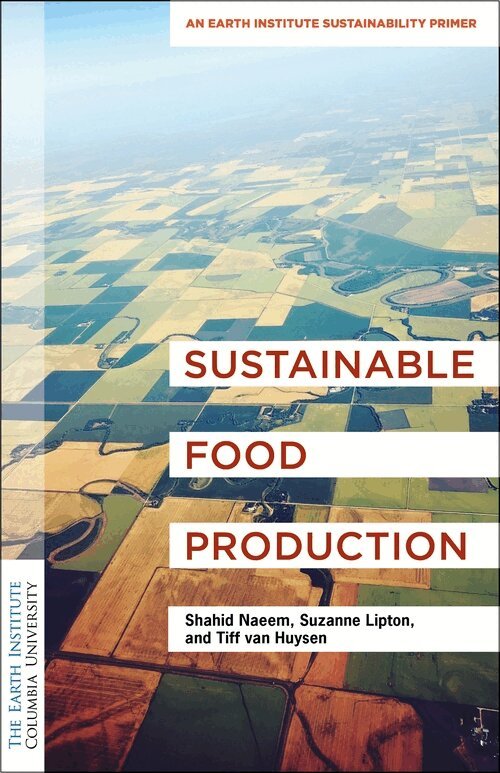
Industrial agriculture is responsible for widespread environmental degradation and undermines the pursuit of human well-being. With a projected global population of 10 billion by 2050, it is urgent for humanity to achieve a more sustainable approach to farming and food systems.This concise text offers an overview of the key issues in sustainable food production for all readers interested in the ecology and environmental impacts of agriculture. It details the ecological foundations of farming and food systems, showing how knowledge from the natural and social sciences can be used to create sustainable alternatives to the industrial production methods used today. Beginning with a discussion of the role of agriculture in human development, the primer examines how twentieth-century farming methods are environmentally and socially unsustainable, contributing to global change and perpetuating inequalities. The authors explain the principles of environmental sustainability and explore how these principles can be put into practice in agrifood systems. They emphasize the importance of human well-being and insist on the centrality of social and environmental equity and justice.Sustainable Food Production is a compelling guide to how we can improve our ability to feed each other today and preserve the ability of our planet to do so tomorrow. Appropriate for a range of courses in the natural and social sciences, it provides a comprehensive yet accessible framework for achieving agricultural sustainability in the Anthropocene.
165 kr
Skickas inom 7-10 vardagar
Industrial agriculture is responsible for widespread environmental degradation and undermines the pursuit of human well-being. With a projected global population of 10 billion by 2050, it is urgent for humanity to achieve a more sustainable approach to farming and food systems.This concise text offers an overview of the key issues in sustainable food production for all readers interested in the ecology and environmental impacts of agriculture. It details the ecological foundations of farming and food systems, showing how knowledge from the natural and social sciences can be used to create sustainable alternatives to the industrial production methods used today. Beginning with a discussion of the role of agriculture in human development, the primer examines how twentieth-century farming methods are environmentally and socially unsustainable, contributing to global change and perpetuating inequalities. The authors explain the principles of environmental sustainability and explore how these principles can be put into practice in agrifood systems. They emphasize the importance of human well-being and insist on the centrality of social and environmental equity and justice.Sustainable Food Production is a compelling guide to how we can improve our ability to feed each other today and preserve the ability of our planet to do so tomorrow. Appropriate for a range of courses in the natural and social sciences, it provides a comprehensive yet accessible framework for achieving agricultural sustainability in the Anthropocene.
1 250 kr
Skickas inom 3-6 vardagar
How will future climates be different from today’s world—and what consequences will changes in climate have for societies and their development strategies? This book is a primer on the essential science for grasping the workings of climate change and climate prediction. It is accessible for readers with little to no background in science, with an emphasis on the needs of those studying sustainable development.John C. Mutter gives a just-the-facts overview of how the climate system functions and what we know about why changes occur. He recounts the evolution of climatology from the earliest discoveries about Earth’s climate to present-day predictive capabilities, and clearly presents the scientific basis of fundamental topics such as climate zones, ocean-atmosphere dynamics, and the long-term cycles from glacial to interglacial periods. Mutter also details the mechanisms of climate change and the ways in which human activity affects global climate. He explains the science behind some known consequences of rising temperatures, such as sea level rise, hurricane behavior, and climate variability. The primer discusses how climate predictions are made and examines the sources of uncertainty in forecasting. Climate Change Science is a straightforward and easy-to-read treatment of the fundamental science needed to comprehend one of today’s most important issues.
165 kr
Skickas inom 7-10 vardagar
How will future climates be different from today’s world—and what consequences will changes in climate have for societies and their development strategies? This book is a primer on the essential science for grasping the workings of climate change and climate prediction. It is accessible for readers with little to no background in science, with an emphasis on the needs of those studying sustainable development.John C. Mutter gives a just-the-facts overview of how the climate system functions and what we know about why changes occur. He recounts the evolution of climatology from the earliest discoveries about Earth’s climate to present-day predictive capabilities, and clearly presents the scientific basis of fundamental topics such as climate zones, ocean-atmosphere dynamics, and the long-term cycles from glacial to interglacial periods. Mutter also details the mechanisms of climate change and the ways in which human activity affects global climate. He explains the science behind some known consequences of rising temperatures, such as sea level rise, hurricane behavior, and climate variability. The primer discusses how climate predictions are made and examines the sources of uncertainty in forecasting. Climate Change Science is a straightforward and easy-to-read treatment of the fundamental science needed to comprehend one of today’s most important issues.
640 kr
Skickas inom 7-10 vardagar
Conflicts frequently arise over environmental issues such as land use, natural resource management, and laws and regulation, emerging from diverging interests and values among stakeholders. This book is a primer on causes of and solutions to such conflicts. It provides a foundational overview of the theory and practice of collaborative approaches to managing environmental disputes.Joshua D. Fisher explains the core concepts in collaborative conflict management and presents a clear, practical, and implementable framework for understanding and responding to environmental disputes. He details strategies to bring stakeholders together in pursuit of collective solutions, emphasizing ongoing processes of dialogue, analysis, action, and learning. This collaborative approach can create new opportunities for stakeholders to better understand each other and the natural world, which enables more effective and context-appropriate environmental governance. The primer examines why and how system dynamics can constrain or expand the possibility of constructive management of conflicts. It features a case study from the Amazon Basin, where local communities, extractive industry operators, conservationists, and land managers have often clashed over access to natural resources, drawing out lessons to illustrate how to adapt the conflict management framework to distinct contexts.Managing Environmental Conflict synthesizes knowledge, methods, and practices spanning consensus building, collaborative governance, complex adaptive systems science, environmental conflict resolution, and environmental peacebuilding. Its presentation of this important and timely topic will be invaluable for academics and practitioners alike, including decision makers, scientists, and conflict management professionals.
165 kr
Skickas inom 7-10 vardagar
Conflicts frequently arise over environmental issues such as land use, natural resource management, and laws and regulation, emerging from diverging interests and values among stakeholders. This book is a primer on causes of and solutions to such conflicts. It provides a foundational overview of the theory and practice of collaborative approaches to managing environmental disputes.Joshua D. Fisher explains the core concepts in collaborative conflict management and presents a clear, practical, and implementable framework for understanding and responding to environmental disputes. He details strategies to bring stakeholders together in pursuit of collective solutions, emphasizing ongoing processes of dialogue, analysis, action, and learning. This collaborative approach can create new opportunities for stakeholders to better understand each other and the natural world, which enables more effective and context-appropriate environmental governance. The primer examines why and how system dynamics can constrain or expand the possibility of constructive management of conflicts. It features a case study from the Amazon Basin, where local communities, extractive industry operators, conservationists, and land managers have often clashed over access to natural resources, drawing out lessons to illustrate how to adapt the conflict management framework to distinct contexts.Managing Environmental Conflict synthesizes knowledge, methods, and practices spanning consensus building, collaborative governance, complex adaptive systems science, environmental conflict resolution, and environmental peacebuilding. Its presentation of this important and timely topic will be invaluable for academics and practitioners alike, including decision makers, scientists, and conflict management professionals.
640 kr
Skickas inom 7-10 vardagar
Climate change policy has typically emphasized mitigation, calling for reducing emissions and shifting away from fossil fuels. Yet while these efforts have floundered, floods, wildfires, droughts, and other disasters are becoming more frequent and potent. As the risks escalate, we must ask how to adapt to a changing climate. How might farmers modify their practices to maximize food security? Can coastal cities protect their infrastructure from rising seas? Are there strategic ways for developing countries to combine climate resilience with economic growth and poverty reduction? For people and societies around the world, these questions are not theoretical: adaptation is already underway.This book offers a concise overview of climate adaptation governance. In clear, accessible language, Lisa Dale describes key strategies that governments, communities, and the private sector are now deploying. She presents the theory and practice that underlie climate adaptation efforts at local and global scales, providing illuminating case studies that foreground the problems facing developing countries. Dale analyzes the effectiveness of a range of policy interventions, drawing out principles of good governance and discussing how practitioners can navigate complex tradeoffs. She emphasizes equity and inclusion, considering how climate adaptation policy can account for the needs of historically disadvantaged groups. Written for a wide audience, this book is an invaluable introduction for all readers interested in how societies can meet the challenges of an altered climate.
165 kr
Skickas inom 7-10 vardagar
Climate change policy has typically emphasized mitigation, calling for reducing emissions and shifting away from fossil fuels. Yet while these efforts have floundered, floods, wildfires, droughts, and other disasters are becoming more frequent and potent. As the risks escalate, we must ask how to adapt to a changing climate. How might farmers modify their practices to maximize food security? Can coastal cities protect their infrastructure from rising seas? Are there strategic ways for developing countries to combine climate resilience with economic growth and poverty reduction? For people and societies around the world, these questions are not theoretical: adaptation is already underway.This book offers a concise overview of climate adaptation governance. In clear, accessible language, Lisa Dale describes key strategies that governments, communities, and the private sector are now deploying. She presents the theory and practice that underlie climate adaptation efforts at local and global scales, providing illuminating case studies that foreground the problems facing developing countries. Dale analyzes the effectiveness of a range of policy interventions, drawing out principles of good governance and discussing how practitioners can navigate complex tradeoffs. She emphasizes equity and inclusion, considering how climate adaptation policy can account for the needs of historically disadvantaged groups. Written for a wide audience, this book is an invaluable introduction for all readers interested in how societies can meet the challenges of an altered climate.
589 kr
Skickas inom 7-10 vardagar
Cities have taken a leading role in efforts to reduce greenhouse gas emissions. As federal and state climate policy waxes and wanes, many of the largest U.S. cities have pledged themselves to ambitious sustainability goals, as have smaller communities across the country. City-level policy makers, facing a range of political constraints, a thicket of federal and state laws, and varying degrees of municipal authority, need to figure out how to meet their climate commitments.Urban Climate Law is a practical, user-friendly primer on the legal challenges and opportunities for effective and equitable decarbonization. Michael Burger and Amy E. Turner—leading experts in local climate law and policy—examine the key issues surrounding climate mitigation policies across the buildings, transportation, waste, and energy sectors, with an emphasis on environmental justice. They explore the legal frameworks and factors that can constrain or enable various approaches at the municipal level. Burger and Turner clearly and accessibly present complex legal topics like preemption, federal statutes such as the Clean Air Act, and constitutional law for readers without legal backgrounds, including students, advocates, officials, and other practitioners. Aimed at a nonspecialist audience, this book provides concise and comprehensible answers to the core questions cities confront when seeking to develop legally sound local climate policy.
152 kr
Skickas inom 7-10 vardagar
Cities have taken a leading role in efforts to reduce greenhouse gas emissions. As federal and state climate policy waxes and wanes, many of the largest U.S. cities have pledged themselves to ambitious sustainability goals, as have smaller communities across the country. City-level policy makers, facing a range of political constraints, a thicket of federal and state laws, and varying degrees of municipal authority, need to figure out how to meet their climate commitments.Urban Climate Law is a practical, user-friendly primer on the legal challenges and opportunities for effective and equitable decarbonization. Michael Burger and Amy E. Turner—leading experts in local climate law and policy—examine the key issues surrounding climate mitigation policies across the buildings, transportation, waste, and energy sectors, with an emphasis on environmental justice. They explore the legal frameworks and factors that can constrain or enable various approaches at the municipal level. Burger and Turner clearly and accessibly present complex legal topics like preemption, federal statutes such as the Clean Air Act, and constitutional law for readers without legal backgrounds, including students, advocates, officials, and other practitioners. Aimed at a nonspecialist audience, this book provides concise and comprehensible answers to the core questions cities confront when seeking to develop legally sound local climate policy.
640 kr
Skickas inom 7-10 vardagar
Climate change affects every person and society, every community and industry. Education at all levels, in all disciplines, and both inside and outside official institutions must now address climate change and its many effects on social and environmental systems. This book provides a framework for putting climate change at the forefront of educational agendas and pedagogical tools for teaching climate science across local and global settings.Cassie Xu and Radhika Iyengar present evidence-based teaching practices and strategies that are grounded in a broad conception of education and emphasize a systems approach. They share examples of effective approaches in diverse learning environments—not just in classrooms and other formal settings but also informal contexts with communities and families. This book makes the case that students and other learners need to understand climate science and the physical and social impacts of climate change not only to be good citizens but also to be well prepared for different career paths. Xu and Iyengar highlight systemic barriers and inequalities, reflecting on how to bring marginalized voices and perspectives into educational spaces. Providing a foundation for interdisciplinary environmental education, this book underscores that how we teach future generations about climate change will shape our future.
165 kr
Skickas inom 7-10 vardagar
Climate change affects every person and society, every community and industry. Education at all levels, in all disciplines, and both inside and outside official institutions must now address climate change and its many effects on social and environmental systems. This book provides a framework for putting climate change at the forefront of educational agendas and pedagogical tools for teaching climate science across local and global settings.Cassie Xu and Radhika Iyengar present evidence-based teaching practices and strategies that are grounded in a broad conception of education and emphasize a systems approach. They share examples of effective approaches in diverse learning environments—not just in classrooms and other formal settings but also informal contexts with communities and families. This book makes the case that students and other learners need to understand climate science and the physical and social impacts of climate change not only to be good citizens but also to be well prepared for different career paths. Xu and Iyengar highlight systemic barriers and inequalities, reflecting on how to bring marginalized voices and perspectives into educational spaces. Providing a foundation for interdisciplinary environmental education, this book underscores that how we teach future generations about climate change will shape our future.
719 kr
Skickas inom 7-10 vardagar
Disasters arise from the convergence of natural and social forces. Earthquakes, cyclones, floods, droughts, and other catastrophic events disproportionately affect the most vulnerable people, whether the poor in wealthy countries or the inhabitants of less developed countries. In a warming world, climate-related disasters threaten to become even more hazardous.This primer provides readers with a fundamental understanding of disasters and their consequences. John C. Mutter and Sonali Deraniyagala—a natural scientist and an economist—share their expertise in straightforward language, showing why an interdisciplinary approach is necessary to understand the causes and effects of these multifaceted events. This book first explains the natural science of why and how disasters occur and then investigates their significance for economic development across communities and countries, focusing on growth, inequality, and reconstruction. It features a wide range of global case studies, including earthquakes in Turkey and Haiti, hurricanes in the United States, drought in Ethiopia, and cyclones in Myanmar and Bangladesh. Disasters and Development will be useful for undergraduate and graduate courses, and it is relevant and accessible to practitioners and other interested readers.
181 kr
Skickas inom 7-10 vardagar
Disasters arise from the convergence of natural and social forces. Earthquakes, cyclones, floods, droughts, and other catastrophic events disproportionately affect the most vulnerable people, whether the poor in wealthy countries or the inhabitants of less developed countries. In a warming world, climate-related disasters threaten to become even more hazardous.This primer provides readers with a fundamental understanding of disasters and their consequences. John C. Mutter and Sonali Deraniyagala—a natural scientist and an economist—share their expertise in straightforward language, showing why an interdisciplinary approach is necessary to understand the causes and effects of these multifaceted events. This book first explains the natural science of why and how disasters occur and then investigates their significance for economic development across communities and countries, focusing on growth, inequality, and reconstruction. It features a wide range of global case studies, including earthquakes in Turkey and Haiti, hurricanes in the United States, drought in Ethiopia, and cyclones in Myanmar and Bangladesh. Disasters and Development will be useful for undergraduate and graduate courses, and it is relevant and accessible to practitioners and other interested readers.
1 250 kr
Skickas inom 3-6 vardagar
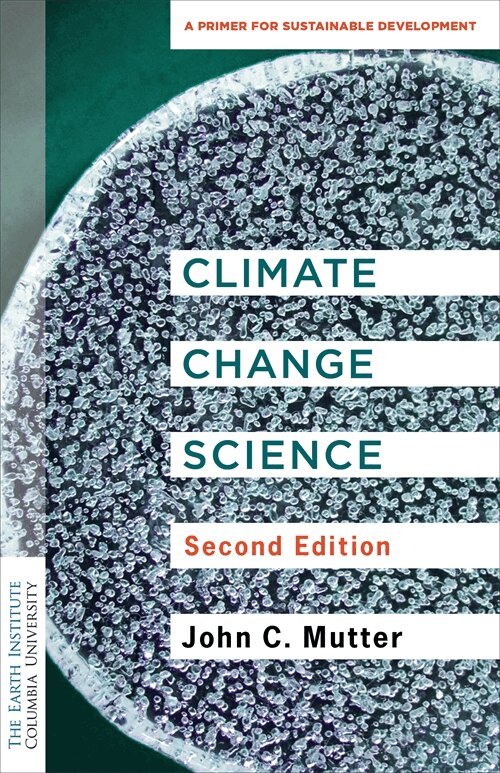
How will future climates be different from today’s world—and what consequences will changes in climate have for societies? This book is a primer on the fundamental science of climate change and climate prediction, now updated to reflect the latest research. It is accessible for readers with little to no background in science, particularly geared toward those studying sustainable development.John C. Mutter gives a just-the-facts overview of how the climate system functions and what we know about why changes occur. He details how human activity affects global climate, explaining consequences of rising temperatures such as sea level rise, hurricane behavior, and climate variability. The primer also discusses how climate predictions are made and examines the sources of uncertainty in forecasting.This second edition incorporates updates to the science that have occurred since the book’s original publication, including the most recent IPCC Assessment Report. It adds discussion of attribution science—the ability to determine the extent to which extreme weather was the result of climate change. It also features a new chapter on geoengineering, exploring proposals to mitigate or even reverse climate change by reducing the amount of solar radiation that reaches Earth or directly removing carbon dioxide from the atmosphere.
373 kr
Skickas inom 3-6 vardagar
How will future climates be different from today’s world—and what consequences will changes in climate have for societies? This book is a primer on the fundamental science of climate change and climate prediction, now updated to reflect the latest research. It is accessible for readers with little to no background in science, particularly geared toward those studying sustainable development.John C. Mutter gives a just-the-facts overview of how the climate system functions and what we know about why changes occur. He details how human activity affects global climate, explaining consequences of rising temperatures such as sea level rise, hurricane behavior, and climate variability. The primer also discusses how climate predictions are made and examines the sources of uncertainty in forecasting.This second edition incorporates updates to the science that have occurred since the book’s original publication, including the most recent IPCC Assessment Report. It adds discussion of attribution science—the ability to determine the extent to which extreme weather was the result of climate change. It also features a new chapter on geoengineering, exploring proposals to mitigate or even reverse climate change by reducing the amount of solar radiation that reaches Earth or directly removing carbon dioxide from the atmosphere.