Comparative Political Economy - Böcker
Visar alla böcker i serien Comparative Political Economy. Handla med fri frakt och snabb leverans.
22 produkter
22 produkter
1 524 kr
Skickas inom 5-8 vardagar
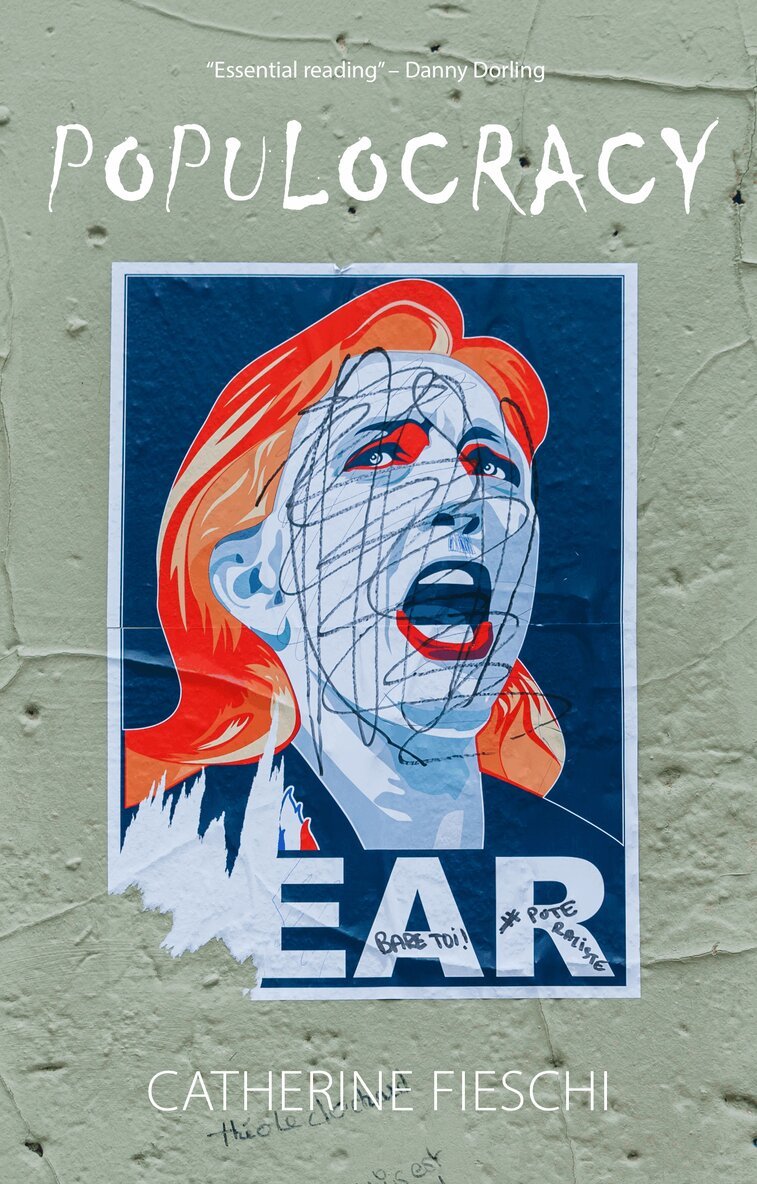
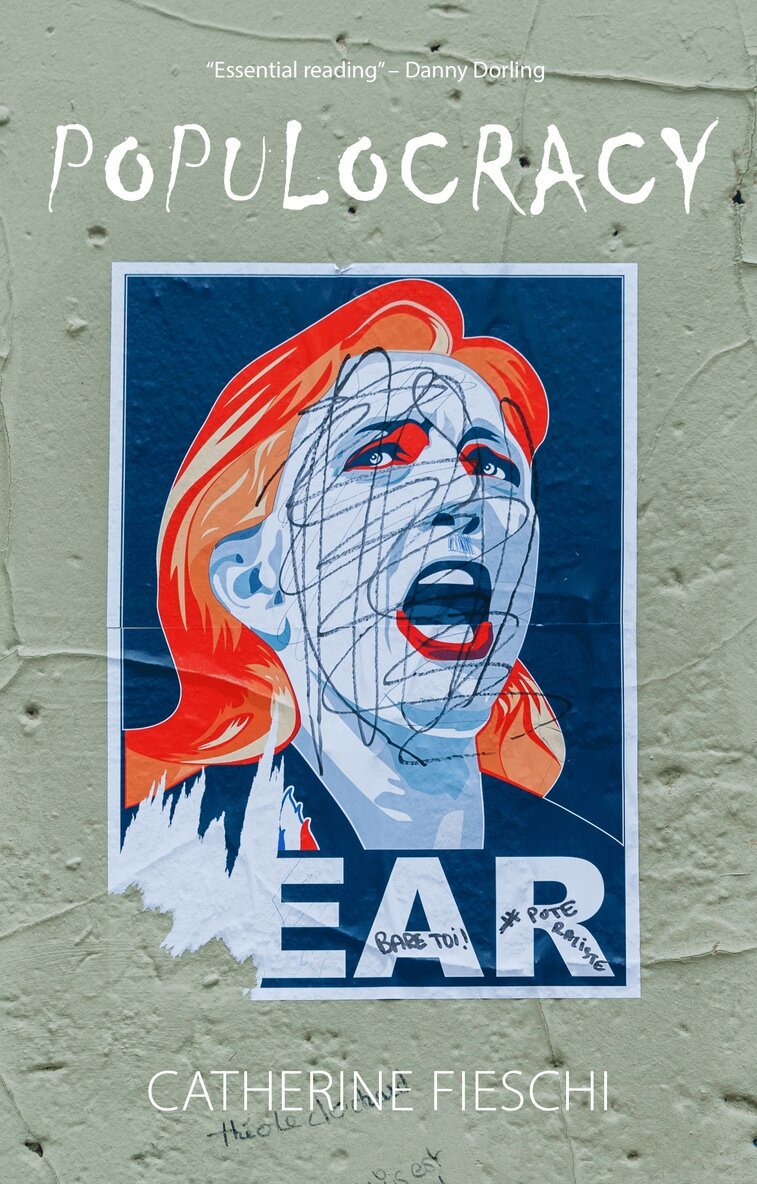
Populism has become a significant feature of mature democracies in the twenty-first century and the rise of populist parties is proving a powerful and disruptive force. Catherine Fieschi offers a comparative analysis of the rise of populist parties in France, Italy, the Netherlands and the UK in the context of major digital and political transformations. Populism is effective, Fieschi shows, because it originates from within the democratic tradition and has been able to turn some of democracy’s key strengths against it – what she calls Jiu-jitsu politics. Populism needs to be understood not simply as a response to globalization by the “disillusioned” or “left behind”, but as a consequence of the digital revolution on our political and democratic expectations. She demonstrates how new dynamics unleashed by social media – the fantasy of radical transparency, the demand for immediacy and the rejection of expert truth and facts – have been harnessed by populism, enabling it to make unprecedented inroads into our political landscapes.
459 kr
Skickas inom 5-8 vardagar
Populism has become a significant feature of mature democracies in the twenty-first century and the rise of populist parties is proving a powerful and disruptive force. Catherine Fieschi offers a comparative analysis of the rise of populist parties in France, Italy, the Netherlands and the UK in the context of major digital and political transformations. Populism is effective, Fieschi shows, because it originates from within the democratic tradition and has been able to turn some of democracy’s key strengths against it – what she calls Jiu-jitsu politics. Populism needs to be understood not simply as a response to globalization by the “disillusioned” or “left behind”, but as a consequence of the digital revolution on our political and democratic expectations. She demonstrates how new dynamics unleashed by social media – the fantasy of radical transparency, the demand for immediacy and the rejection of expert truth and facts – have been harnessed by populism, enabling it to make unprecedented inroads into our political landscapes.
1 524 kr
Skickas inom 5-8 vardagar
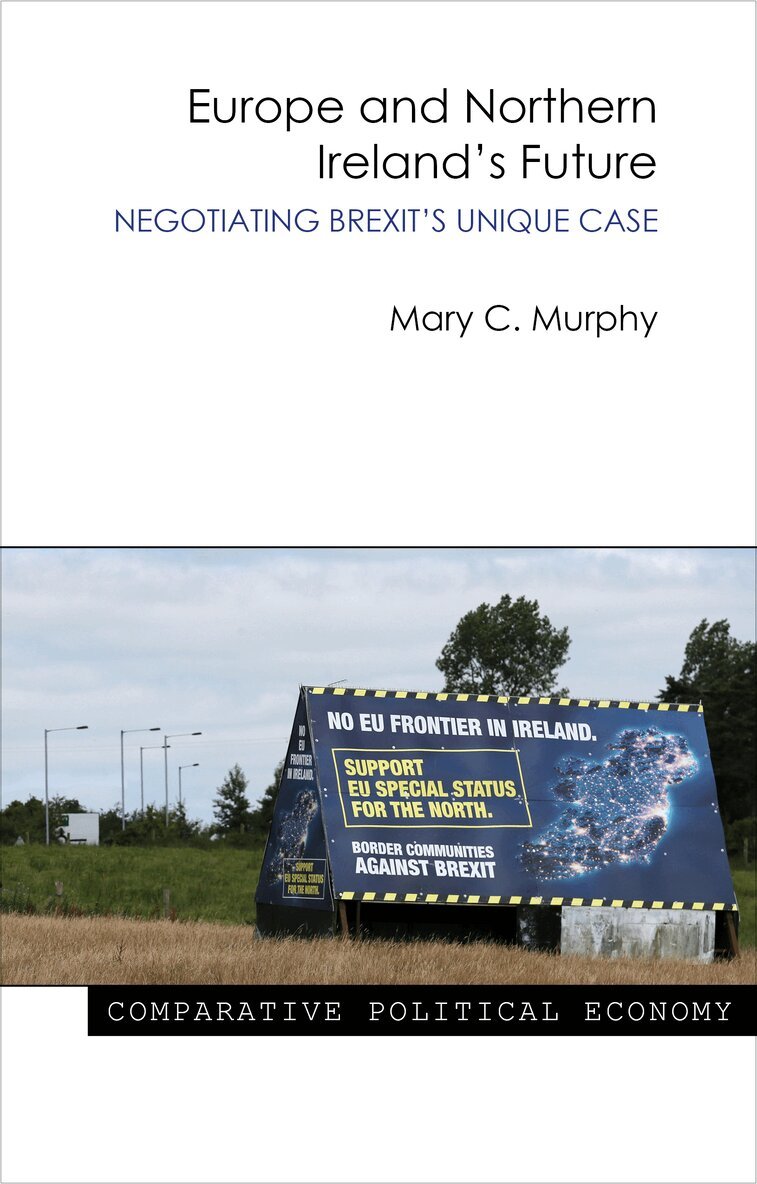
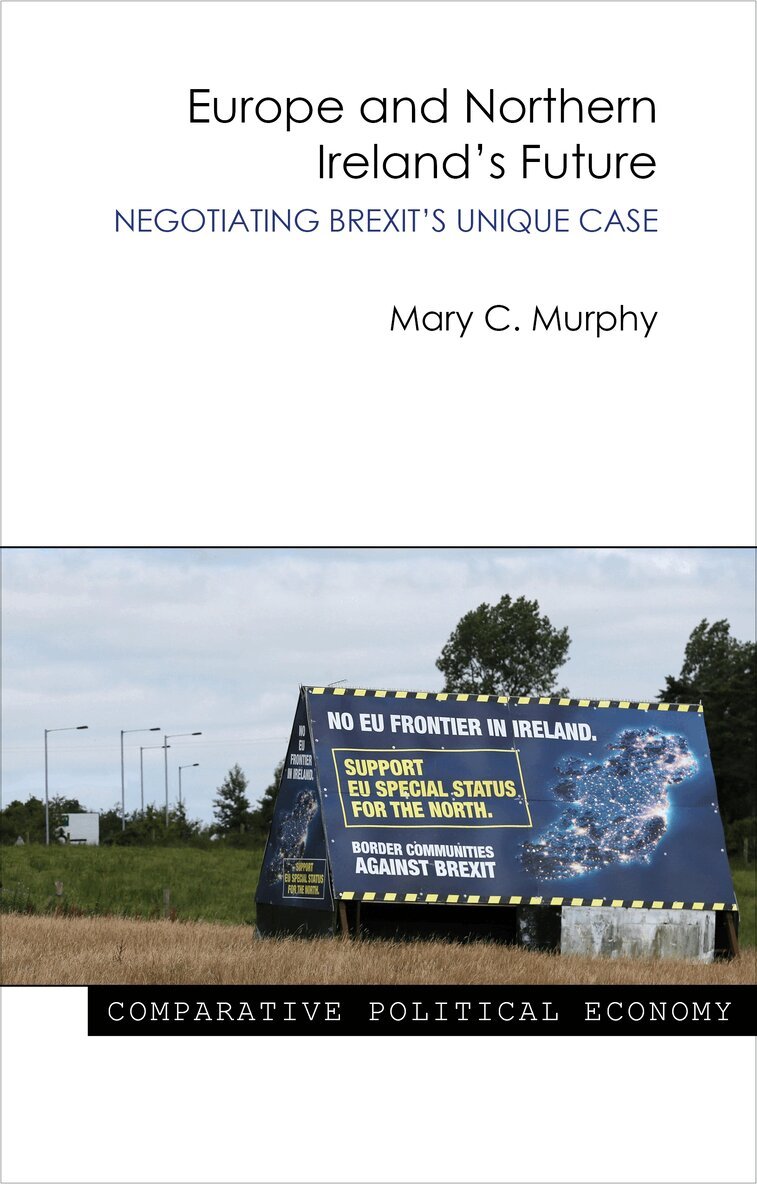
The implications of Brexit for Northern Ireland are profound, given its history and geographical position as a land border with the European Union.Mary Murphy offers a detailed and in-depth analysis of Northern Ireland’s relationship with the EU, the role the EU has played in rebuilding the region after the Troubles, and the challenges and opportunities that Brexit might offer Northern Ireland both in terms of its fragile politics and economy.Northern Ireland has long occupied a greater political space than might seem warranted, given its size and relatively underdeveloped economy. This space may yet again become the most hotly contested and divisive topic in future Brexit negotiations, if it doesn’t in fact prove to be the key to a successful UK withdrawal and future relations with our European neighbours.
494 kr
Skickas inom 5-8 vardagar
The implications of Brexit for Northern Ireland are profound, given its history and geographical position as a land border with the European Union.Mary Murphy offers a detailed and in-depth analysis of Northern Ireland’s relationship with the EU, the role the EU has played in rebuilding the region after the Troubles, and the challenges and opportunities that Brexit might offer Northern Ireland both in terms of its fragile politics and economy.Northern Ireland has long occupied a greater political space than might seem warranted, given its size and relatively underdeveloped economy. This space may yet again become the most hotly contested and divisive topic in future Brexit negotiations, if it doesn’t in fact prove to be the key to a successful UK withdrawal and future relations with our European neighbours
1 524 kr
Skickas inom 5-8 vardagar
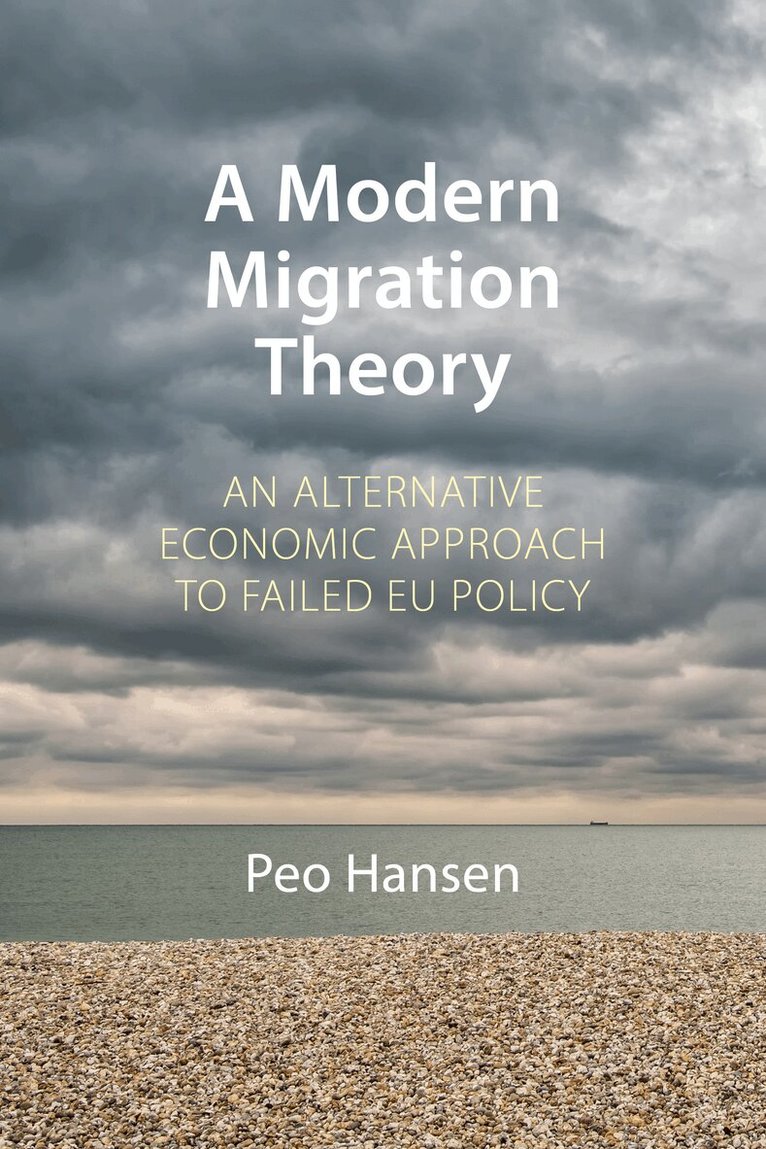
2023 EUSA Book Award - Honorable MentionCurrent migration policy is based on a seemingly neutral accounting exercise, in which migrants contribute less in tax than they receive in welfare assistance. A “fact” that justifies increasingly restrictive asylum policies. Peo Hansen shows that this consensual cost-perspective on migration is built on a flawed economic conception of the orthodox “sound finance” doctrine prevalent in migration research and policy. By examining migration through the macroeconomic lens offered by modern monetary theory, Hansen is able to demonstrate sound finance’s detrimental impact on migration policy and research, including its role in stoking the toxic debate on migration in the European Union. More importantly, Hansen’s undertaking offers the tools with which both migration research and migration policy could be modernized and put on a realistic footing.
411 kr
Skickas
2023 EUSA Book Award - Honorable MentionCurrent migration policy is based on a seemingly neutral accounting exercise, in which migrants contribute less in tax than they receive in welfare assistance. A “fact” that justifies increasingly restrictive asylum policies. Peo Hansen shows that this consensual cost-perspective on migration is built on a flawed economic conception of the orthodox “sound finance” doctrine prevalent in migration research and policy. By examining migration through the macroeconomic lens offered by modern monetary theory, Hansen is able to demonstrate sound finance’s detrimental impact on migration policy and research, including its role in stoking the toxic debate on migration in the European Union. More importantly, Hansen’s undertaking offers the tools with which both migration research and migration policy could be modernized and put on a realistic footing.
1 524 kr
Skickas inom 5-8 vardagar
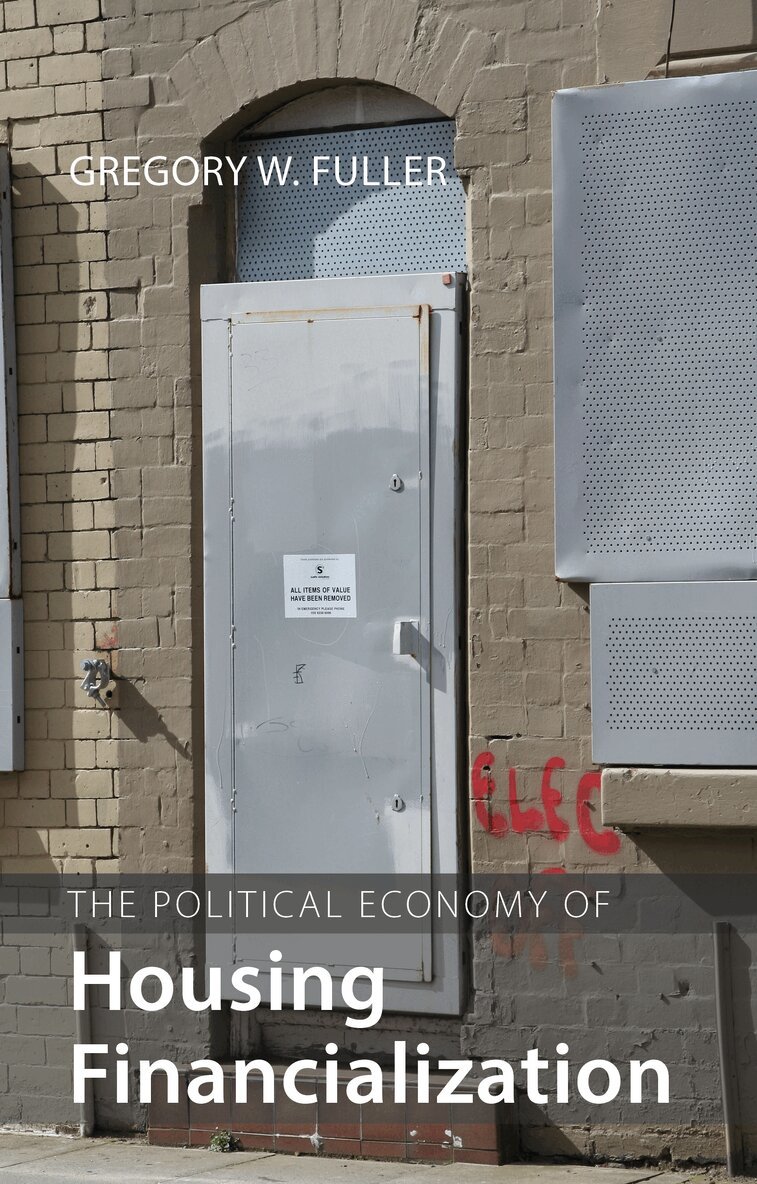
The US subprime mortgage crisis, by nearly causing the collapse of the global financial system during the 2007–08 financial crisis, clearly revealed that household debt management is critical to the stability of the international economy. The configuration of mortgage finance systems of European economies, from the UK to Sweden to Spain, have profound effects on national macroeconomic and political outcomes.In this book, Gregory Fuller reveals how national housing systems diverge in terms of their commodification and financialization: mortgages are far more common in some systems than others; some encourage families to treat housing as a tradeable asset while others do not; and certain states provide extensive social housing programmes while others offer virtually none. These differences are shown to have an impact on households’ economic precarity, macroeconomic volatility, and ultimately on their political preferences. Drawing on these comparisons, Fuller offers a number of policy suggestions intended to weaken the links between housing, economic instability, and inequality.
494 kr
Skickas inom 5-8 vardagar
The US subprime mortgage crisis, by nearly causing the collapse of the global financial system during the 2007–08 financial crisis, clearly revealed that household debt management is critical to the stability of the international economy. The configuration of mortgage finance systems of European economies, from the UK to Sweden to Spain, have profound effects on national macroeconomic and political outcomes.In this book, Gregory Fuller reveals how national housing systems diverge in terms of their commodification and financialization: mortgages are far more common in some systems than others; some encourage families to treat housing as a tradeable asset while others do not; and certain states provide extensive social housing programmes while others offer virtually none. These differences are shown to have an impact on households’ economic precarity, macroeconomic volatility, and ultimately on their political preferences. Drawing on these comparisons, Fuller offers a number of policy suggestions intended to weaken the links between housing, economic instability, and inequality.
1 524 kr
Skickas inom 5-8 vardagar
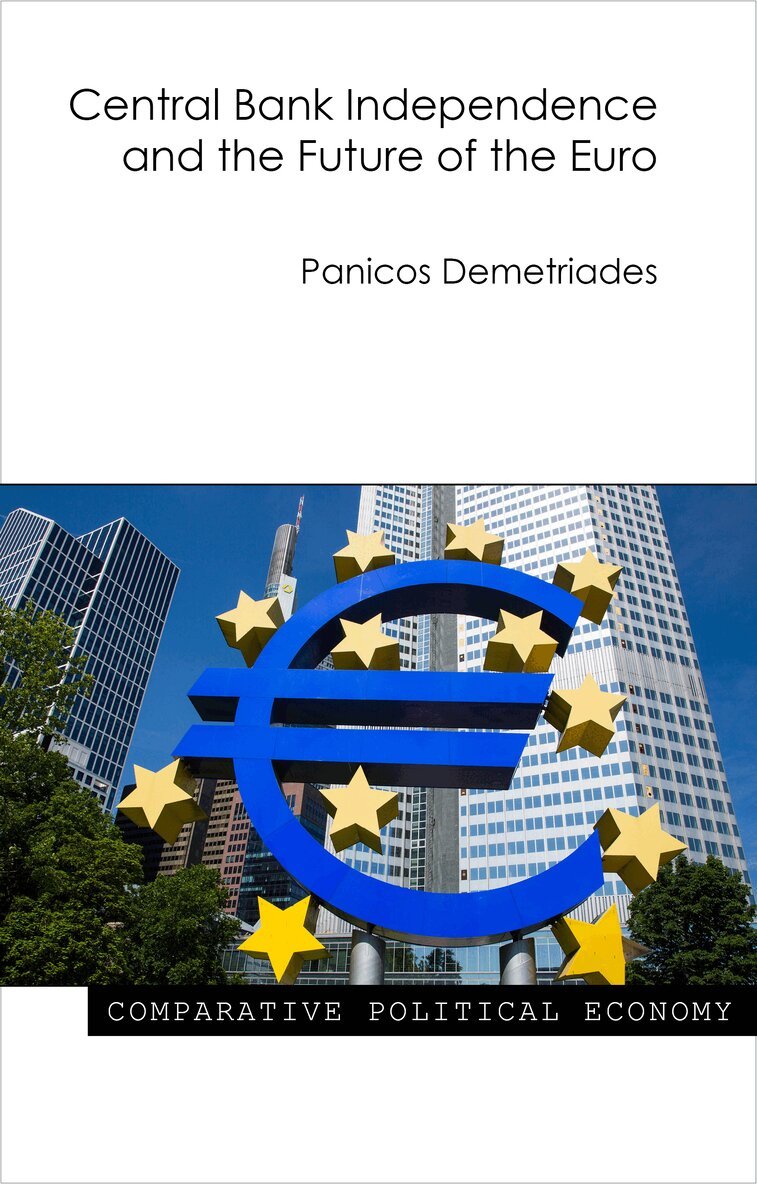
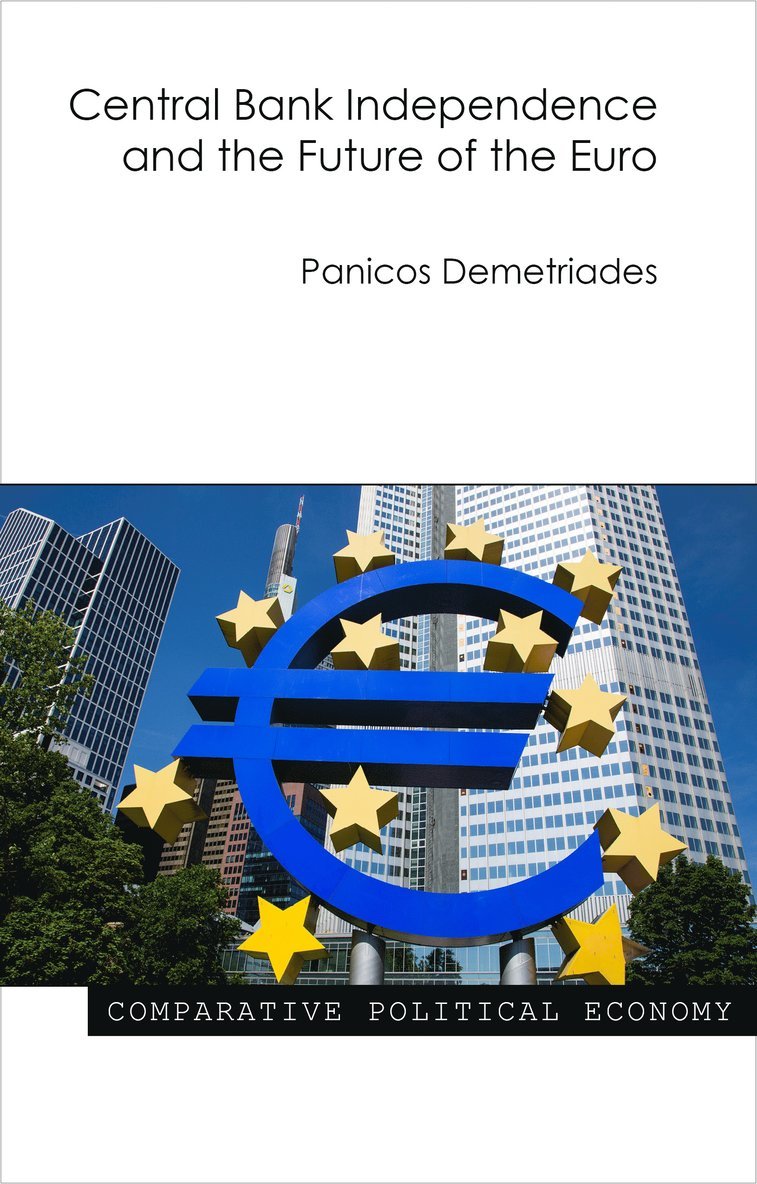
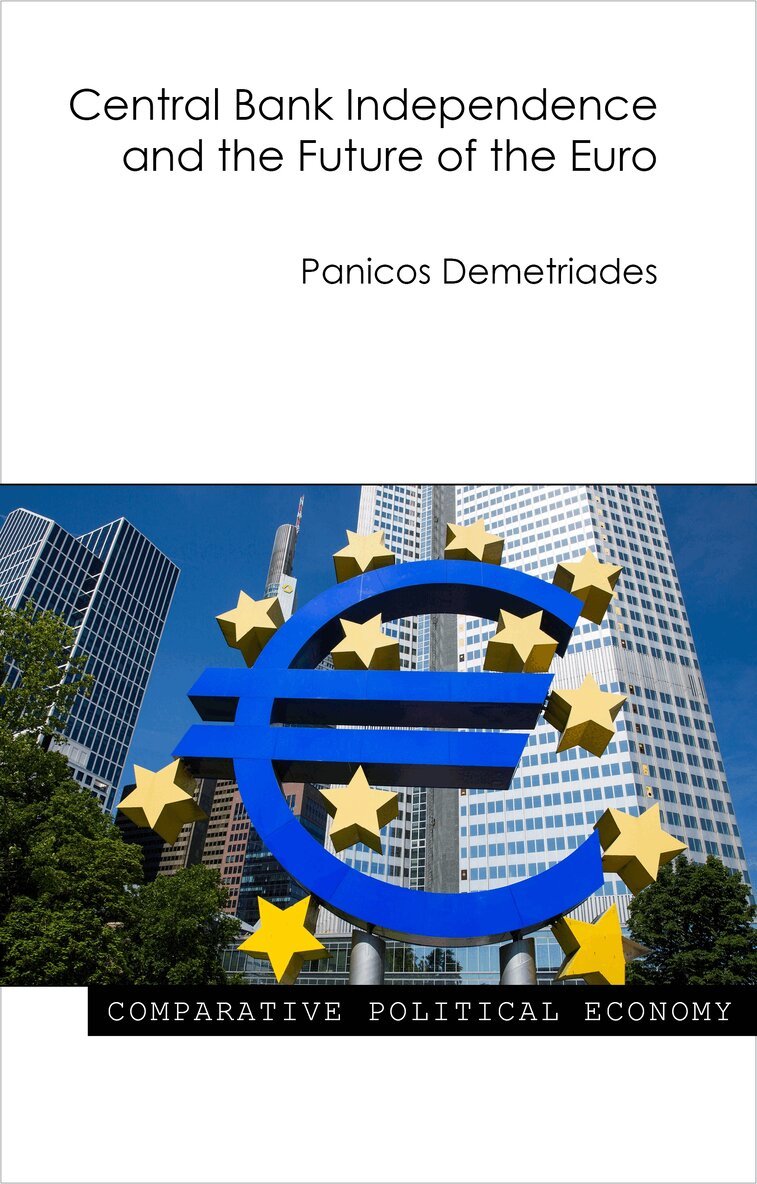
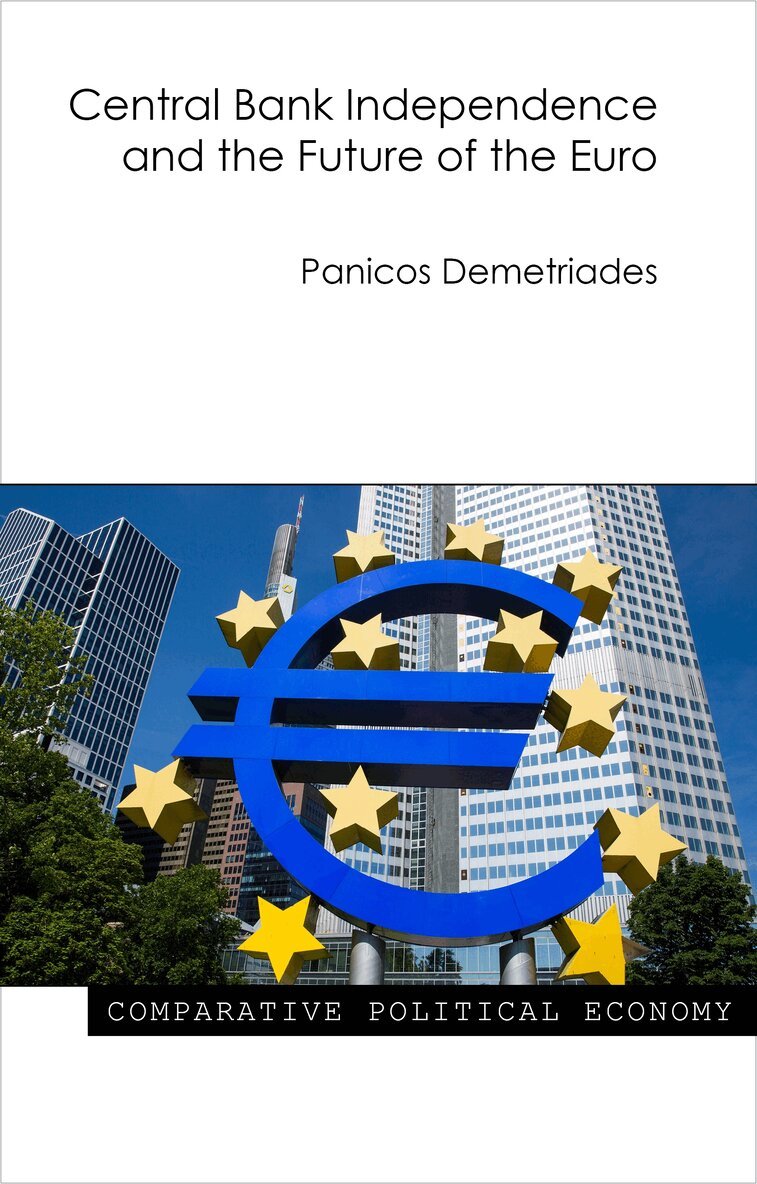
Over the past decade central banks have taken on new and expanded roles in an attempt to manage the global financial crisis. The European Central Bank (ECB) has been no exception. If anything, because of the incomplete architecture of the euro, the ECB has faced more serious challenges than either the Bank of England or the Federal Reserve. With the onset of the euro crisis, the ECB was forced to take on powers that went well beyond the conventions of standard monetary policy to prevent European Monetary Union from unravelling.Panicos Demetriades, former Governor of the Central Bank of Cyprus during the country's bailout in 2013, examines the role of the ECB and its adoption of these new powers, which have led to legal and political challenges, high level resignations and the controversial removal of central bankers from their posts without due process. Demetriades argues that at a time when stability and action are needed to secure the future of the euro, the very foundations of the Euro-system are being eroded, namely its ability to act independently. The book provides a lively and insightful account of the processes that can make or break the euro.
459 kr
Skickas inom 5-8 vardagar
Over the past decade central banks have taken on new and expanded roles in an attempt to manage the global financial crisis. The European Central Bank (ECB) has been no exception. If anything, because of the incomplete architecture of the euro, the ECB has faced more serious challenges than either the Bank of England or the Federal Reserve. With the onset of the euro crisis, the ECB was forced to take on powers that went well beyond the conventions of standard monetary policy to prevent European Monetary Union from unravelling.Panicos Demetriades, former Governor of the Central Bank of Cyprus during the country's bailout in 2013, examines the role of the ECB and its adoption of these new powers, which have led to legal and political challenges, high level resignations and the controversial removal of central bankers from their posts without due process. Demetriades argues that at a time when stability and action are needed to secure the future of the euro, the very foundations of the Euro-system are being eroded, namely its ability to act independently. The book provides a lively and insightful account of the processes that can make or break the euro.
1 524 kr
Skickas inom 5-8 vardagar
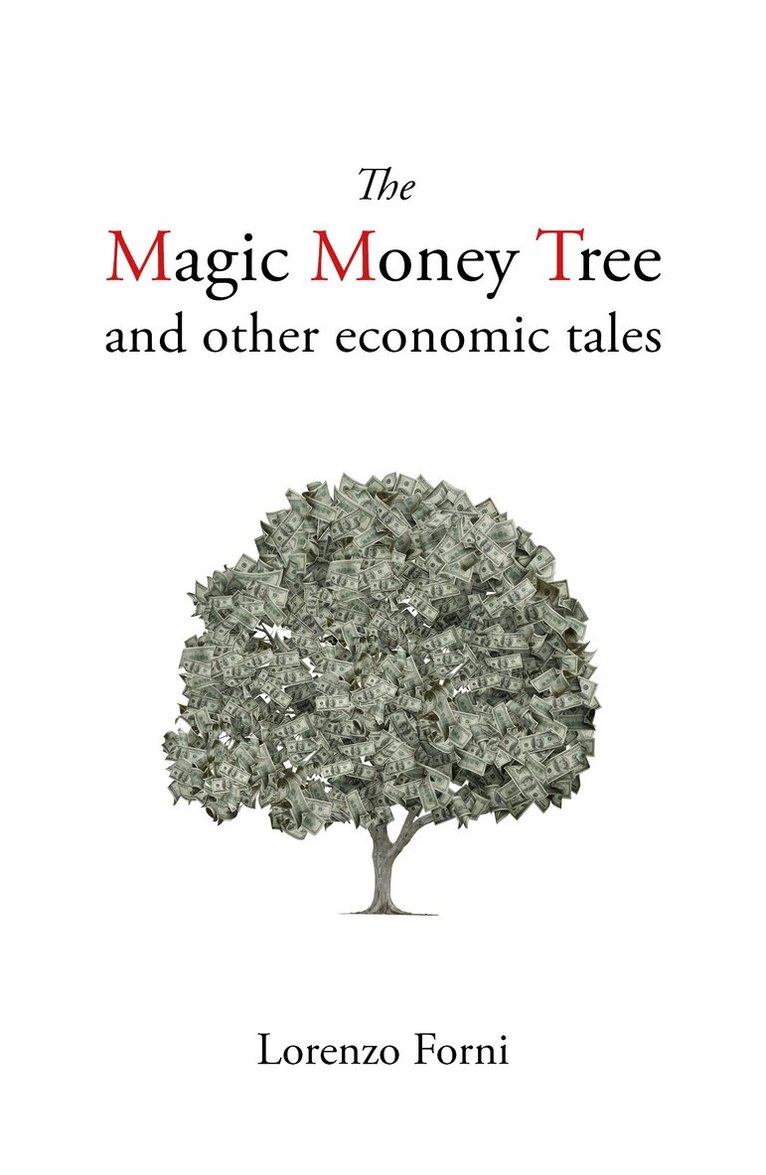
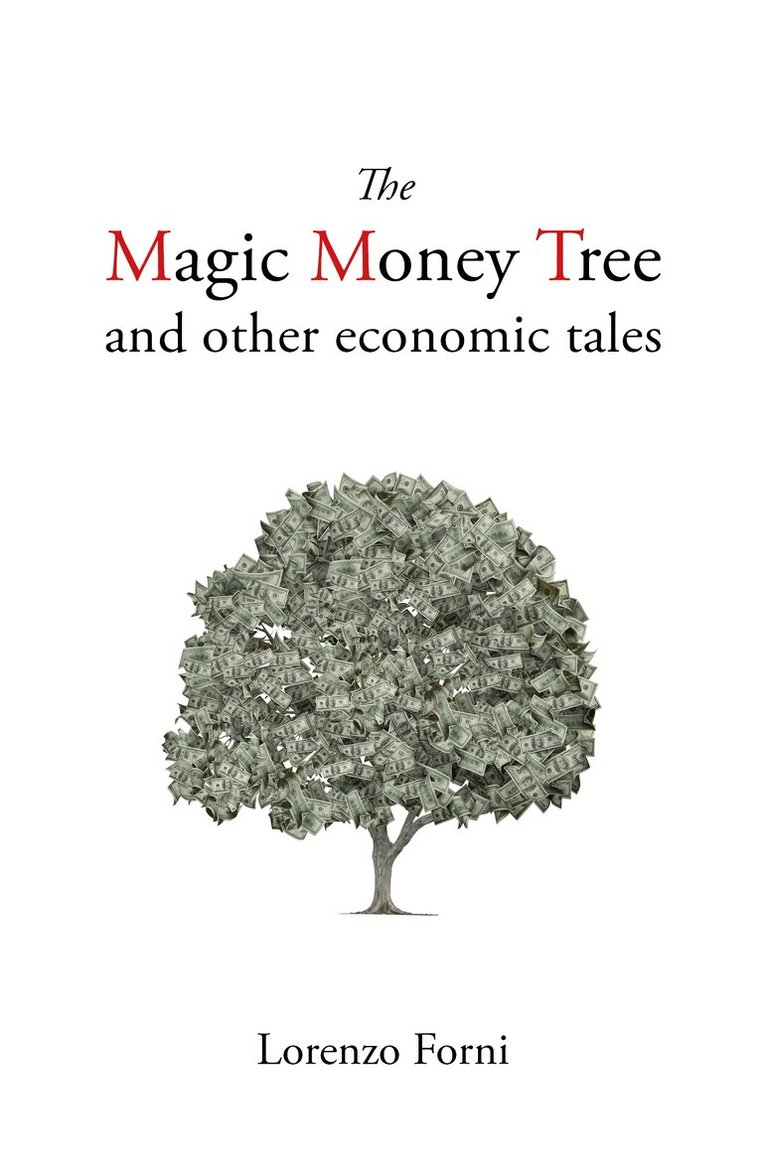
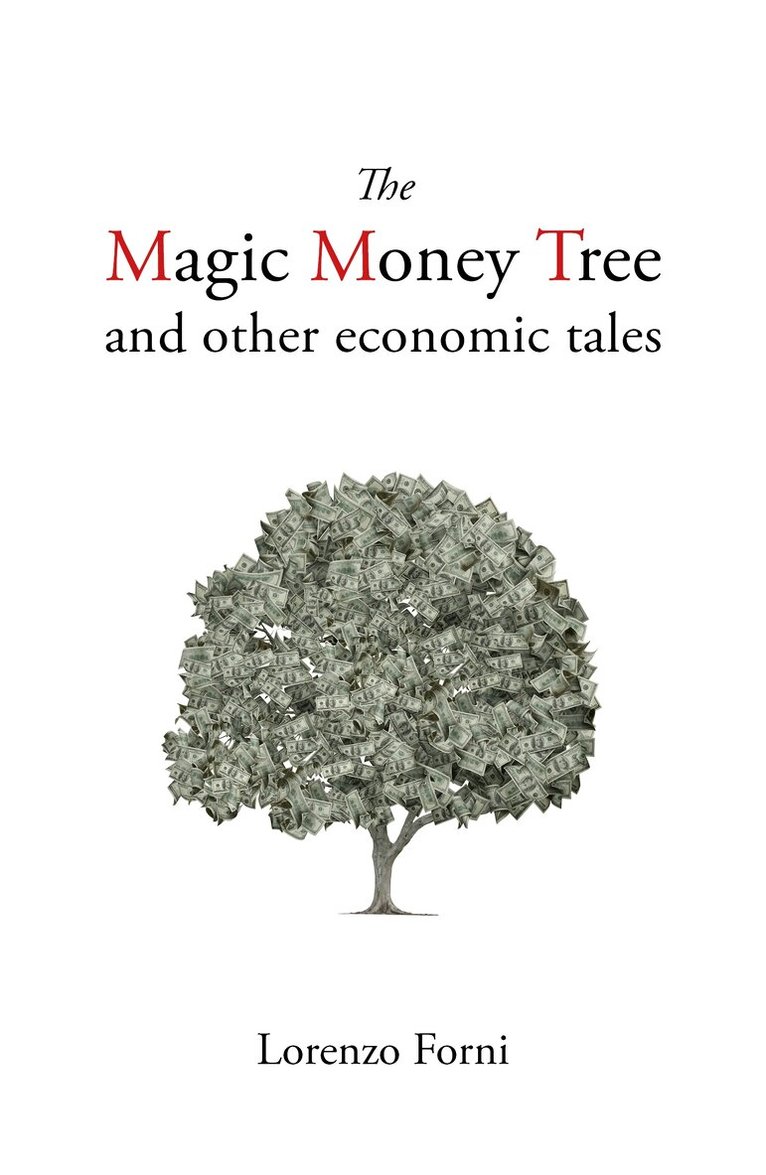
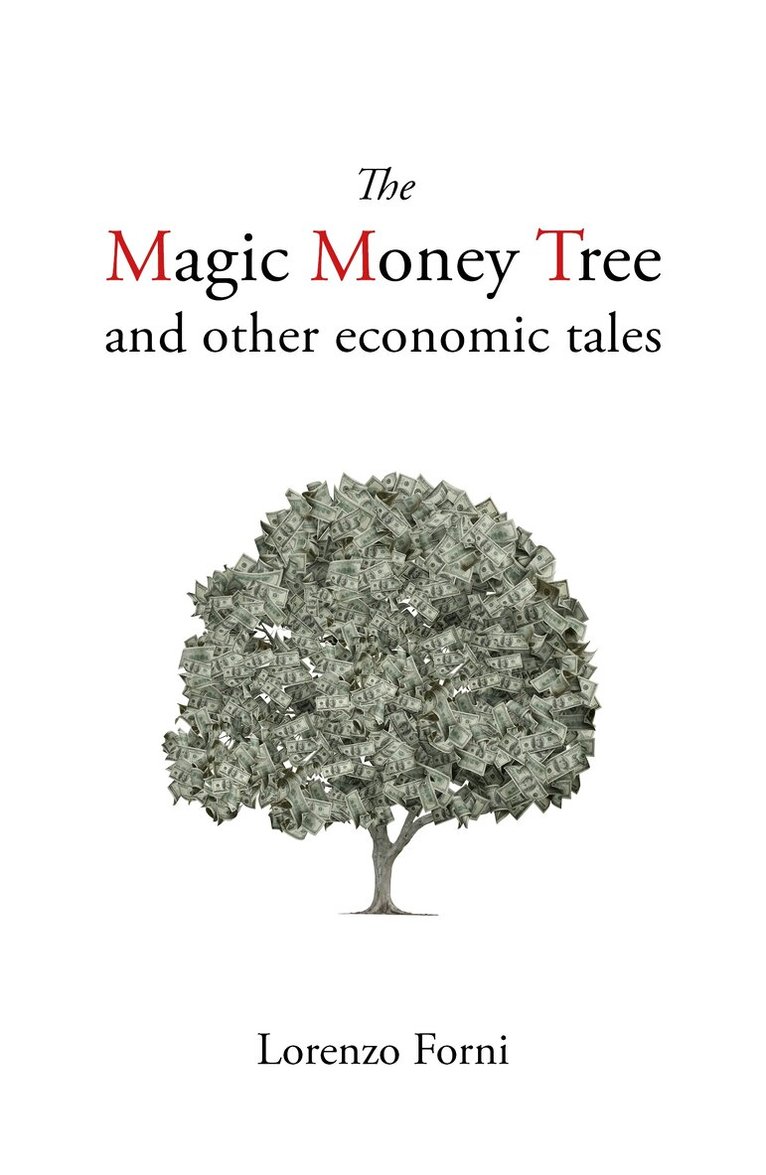
This lively and provocative look at the tension between economics and politics examines why so many mistakes in economic policy-making are made for political reasons and ignore the economic truths.Using short-term economic gains to ensure electoral success, argues Lorenzo Forni, inevitably spells macroeconomic disaster. Using the state budget, trade policy and monetary policy to prop up labour markets and the wider economy in order to boost voter approval ratings, while ignoring budget constraints can only result in longer recessions and economic downturns. Which then can incur the painful austerity measures needed to bring the economy back into balance.Forni looks at many unsustainable economic policies that have been implemented in parts of the world when the economic realities – there is no magic money tree! – would recommend a different and more prudent economic course.
306 kr
Skickas
This lively and provocative look at the tension between economics and politics examines why so many mistakes in economic policy-making are made for political reasons and ignore the economic truths.Using short-term economic gains to ensure electoral success, argues Lorenzo Forni, inevitably spells macroeconomic disaster. Using the state budget, trade policy and monetary policy to prop up labour markets and the wider economy in order to boost voter approval ratings, while ignoring budget constraints can only result in longer recessions and economic downturns. Which then can incur the painful austerity measures needed to bring the economy back into balance.Forni looks at many unsustainable economic policies that have been implemented in parts of the world when the economic realities – there is no magic money tree! – would recommend a different and more prudent economic course.
995 kr
Skickas
The European welfare systems, established after the Second World War, have been under sustained attack since the late 1970s from the neoliberal drive towards a small state and from the market as the foremost instrument for the efficient allocation of scarce resources. After the 2008 financial crash, Europe’s high tax and generous benefits welfare states were, once again, blamed for economic stagnation and political immobilism. If anything, however, the long decade of the Great Recession proved that the welfare state remained a fundamental asset in hard times, stabilizing the economy, protecting households and individuals from poverty, reconciling gendered work and family life, while improving the skills and competences needed in Europe’s knowledge economy and ageing society. Finally, the spread of the Covid-19 pandemic has, unsuprisingly, brought back into the limelight the productive role of welfare systems in guaranteeing basic security, human capabilities, economic opportunities, and democratic freedoms.In this important contribution, Anton Hemerijck and Robin Huguenot-Noël examine the nature of European welfare provision and the untruths that surround it. They evaluate the impact of the austerity measures that followed the Great Recession, and consider its future design to better equip European societies to face social change, from global competition to accelerated demographic ageing, the digitalization of work and climate change.
399 kr
Skickas
The European welfare systems, established after the Second World War, have been under sustained attack since the late 1970s from the neoliberal drive towards a small state and from the market as the foremost instrument for the efficient allocation of scarce resources. After the 2008 financial crash, Europe’s high tax and generous benefits welfare states were, once again, blamed for economic stagnation and political immobilism. If anything, however, the long decade of the Great Recession proved that the welfare state remained a fundamental asset in hard times, stabilizing the economy, protecting households and individuals from poverty, reconciling gendered work and family life, while improving the skills and competences needed in Europe’s knowledge economy and ageing society. Finally, the spread of the Covid-19 pandemic has, unsuprisingly, brought back into the limelight the productive role of welfare systems in guaranteeing basic security, human capabilities, economic opportunities, and democratic freedoms.In this important contribution, Anton Hemerijck and Robin Huguenot-Noël examine the nature of European welfare provision and the untruths that surround it. They evaluate the impact of the austerity measures that followed the Great Recession, and consider its future design to better equip European societies to face social change, from global competition to accelerated demographic ageing, the digitalization of work and climate change.
443 kr
Skickas
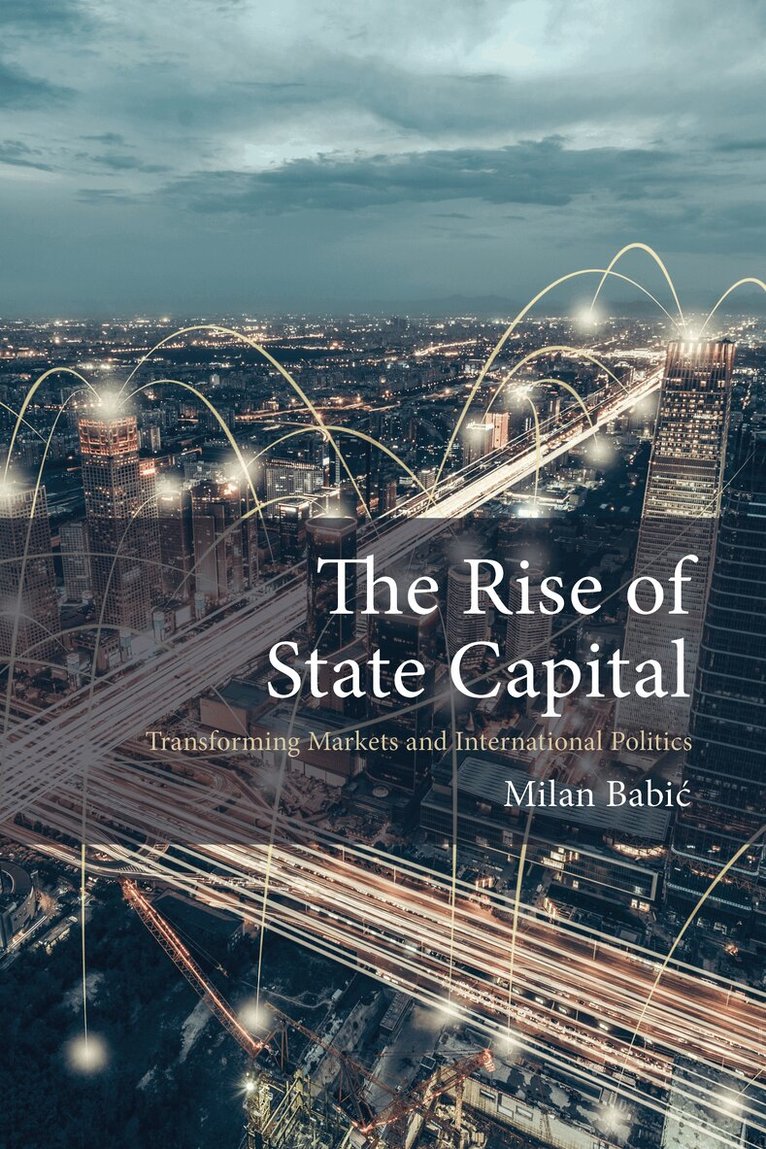
The past two decades have seen a rapid rise in large-scale, state-led transnational investment from countries as different as China, Norway and Russia. By bundling economic resources, these countries have entered global markets through massive state-led investments. This transformation of states into global economic actors is historically unprecedented and presents a major challenge for how states relate to each other in the international system.Milan Babic examines how states have become major corporate owners in the global economy and unpacks the lasting effects of this on our understanding of the state and international politics. Drawing on research into the largest firm-level dataset on state ownership to date, in combination with in-depth historical and conceptual analysis, the book offers a comprehensive analysis of the rise of the state in the global economy and its present and future consequences for international relations.
443 kr
Skickas
Artificial intelligence (AI) is heralded as a revolutionary force in the global economy. But the transformation it brings is not simply about new technology as a driver of change. It is about who owns it, what they want to do with it, who can pay for it, and how other economic actors around the world – from legacy manufacturing firms in the Global North to farmers in the Global South – must adjust.This book explores AI systems as products of unequal and conflictual power relations. It exposes grand AI narratives as rhetorical ammunition in political fights over tech futures and socio-economic distribution. Tech giants leverage infrastructure and data to cement their global dominance. Meanwhile, geopolitical competition between China and the United States increasingly dominates the AI economy, entrenching globe-spanning dependencies. The AI Matrix is an essential guide to the real-world economic dynamics that AI unleashes.
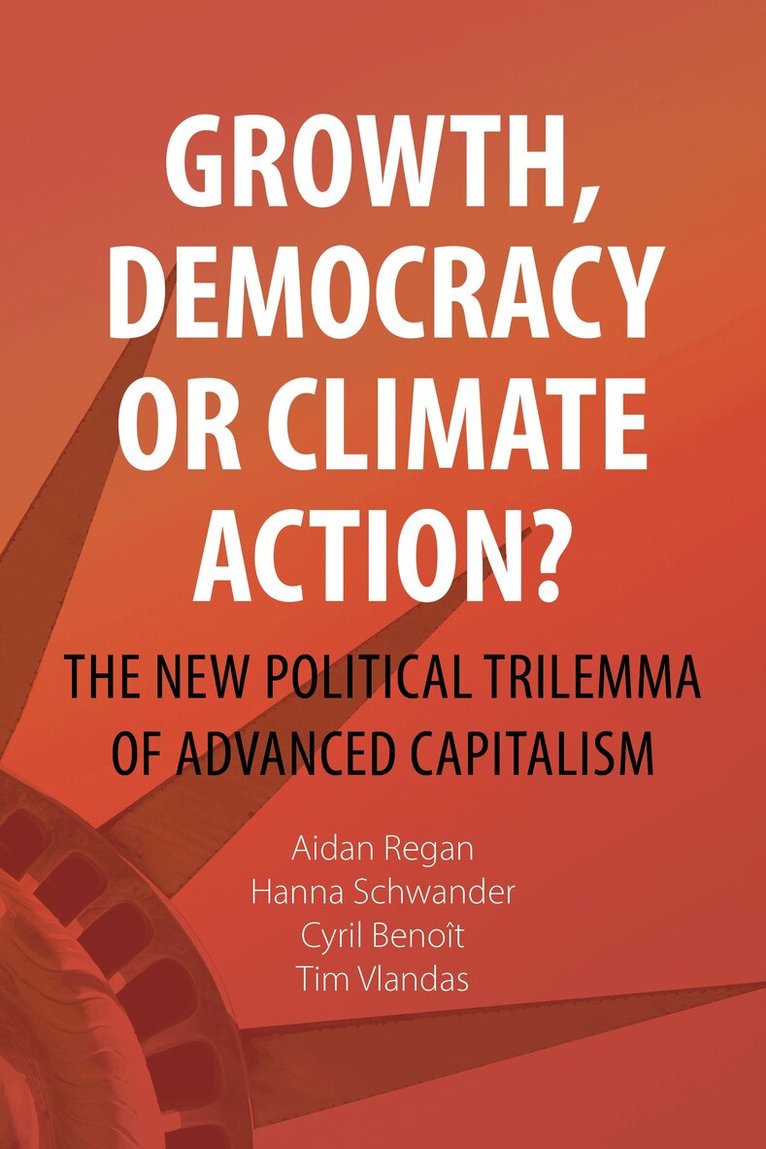
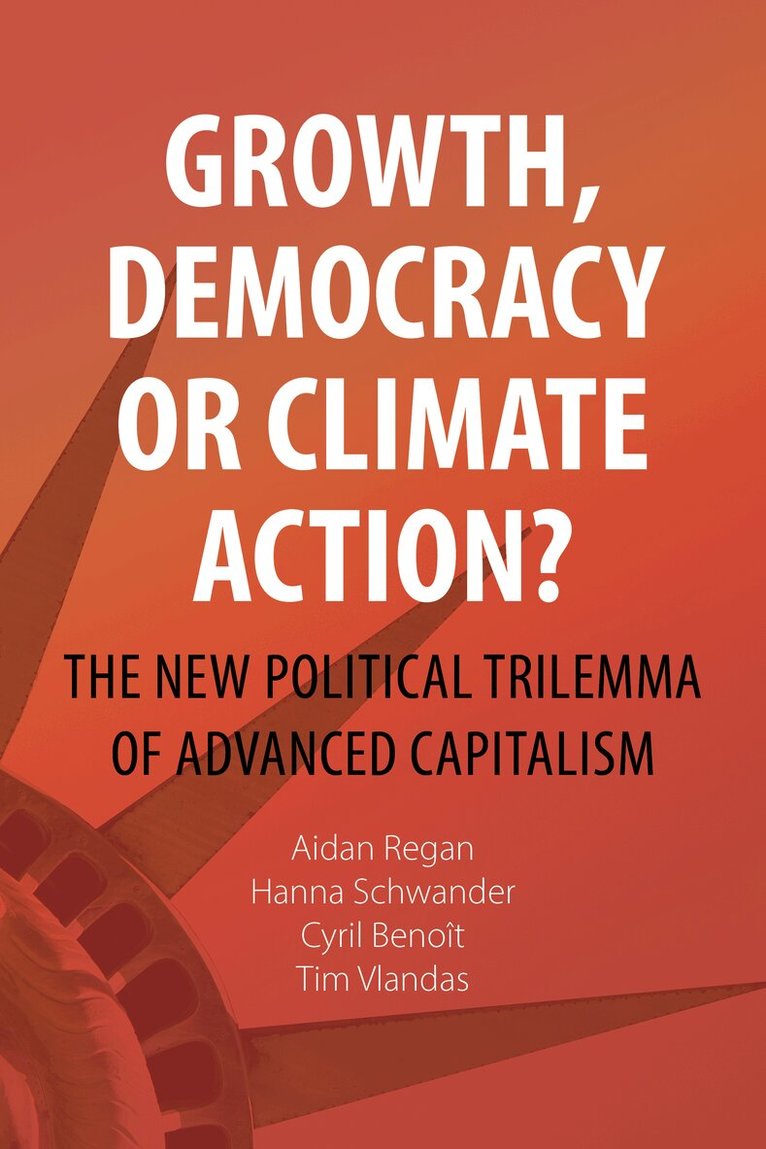
Growth, Democracy or Climate Action?
The New Political Trilemma of Advanced Capitalism
Inbunden, Engelska, 2026
1 528 kr
Kommande
Governments face a conflicting choice between economic growth, democracy and tackling the climate crisis. They cannot achieve all three objectives simultaneously and the growing tensions between them are being played out in countries across the world. It is the new trilemma of advanced capitalist democracy.The authors use this trilemma as a fresh analytic framework to conceptualize these trade-offs and tensions in the study of capitalist democracies. The type of democratic politics required to generate growth and prosperity within the ecological limits of the planet, they argue, has not been taken seriously in the study of comparative political economy and needs to be located at the heart of future research. Given the unprecedented scale of structural reform that governments need to implement to effectively tackle the climate crisis, the authors question whether the transition to carbon neutrality can be done within the liberal rulebook that has governed the politics of advanced capitalism for the past hundred years.
Growth, Democracy or Climate Action?
The New Political Trilemma of Advanced Capitalism
Häftad, Engelska, 2026
370 kr
Kommande
Governments face a conflicting choice between economic growth, democracy and tackling the climate crisis. They cannot achieve all three objectives simultaneously and the growing tensions between them are being played out in countries across the world. It is the new trilemma of advanced capitalist democracy.The authors use this trilemma as a fresh analytic framework to conceptualize these trade-offs and tensions in the study of capitalist democracies. The type of democratic politics required to generate growth and prosperity within the ecological limits of the planet, they argue, has not been taken seriously in the study of comparative political economy and needs to be located at the heart of future research. Given the unprecedented scale of structural reform that governments need to implement to effectively tackle the climate crisis, the authors question whether the transition to carbon neutrality can be done within the liberal rulebook that has governed the politics of advanced capitalism for the past hundred years.
1 554 kr
Skickas inom 3-6 vardagar
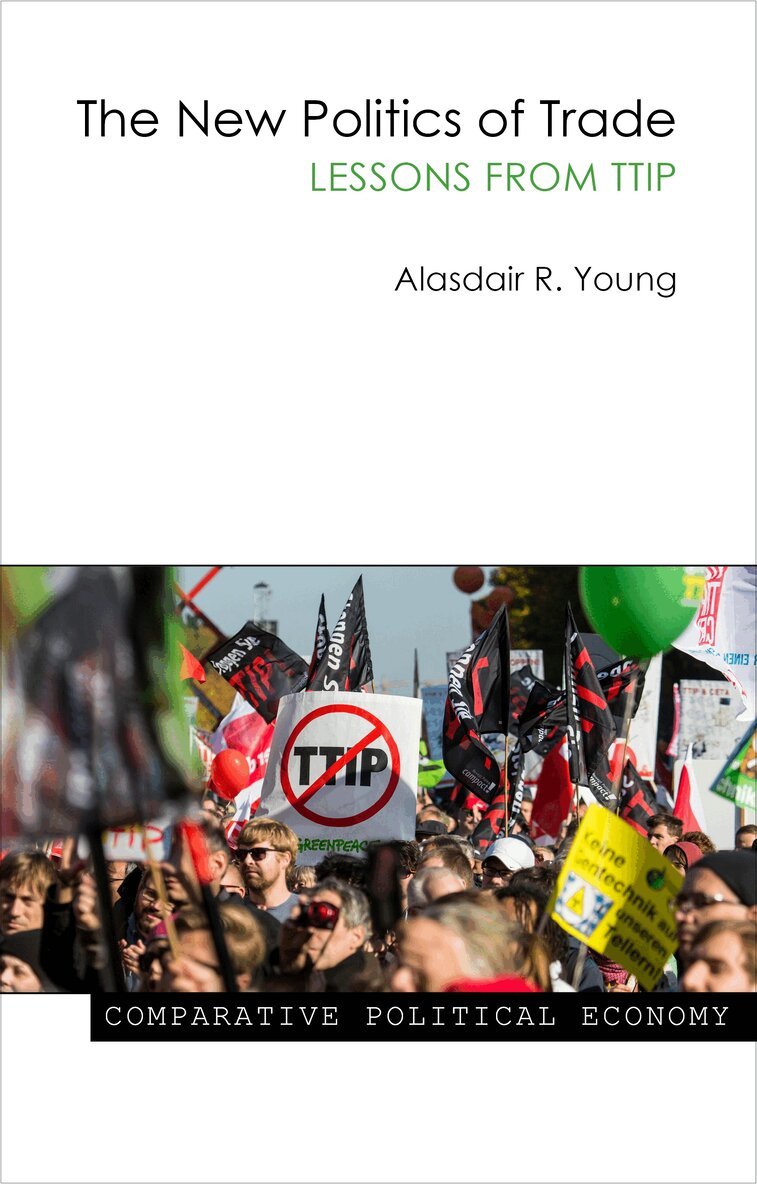
The negotiation of international trade agreements has become the issue of the moment. With Brexit, a change in administration in the United States, a fragile economic recovery in the Eurozone and China facing a slowdown in its growth, nothing is more critical to the future global economy than the terms of trade between its largest economic blocs. The Transatlantic Trade and Investment Partnership (TTIP) is Europe's most controversial trade agreement ever. Aimed at reducing regulatory barriers between the United States and the EU, it was expected to be fairly straightforward given strong business support on both sides of the Atlantic. It has not been so. The negotiations have dragged on far longer than anticipated and now look set to fail altogether. Yet the process of its negotiation, the terms of the potential agreement and its sticking points provide valuable lessons for policy-makers and academics tasked to bring future trade deals and arrangements to successful conclusions.Alasdair Young offers a penetrating analysis of the complexities of the TTIP negotiations and explores why they have proved so difficult to conclude, what motivates the different parties concerned and what implications there are for politics and policy. Young throws light on the limits of the transatlantic cooperation and the processes of globalization and teases out the implications for the UK in its post-Brexit trade negotiations and for other nations now facing a more protectionist stance from the United States.
442 kr
Skickas inom 5-8 vardagar
The negotiation of international trade agreements has become the issue of the moment. With Brexit, a change in administration in the United States, a fragile economic recovery in the Eurozone and China facing a slowdown in its growth, nothing is more critical to the future global economy than the terms of trade between its largest economic blocs. The Transatlantic Trade and Investment Partnership (TTIP) is Europe's most controversial trade agreement ever. Aimed at reducing regulatory barriers between the United States and the EU, it was expected to be fairly straightforward given strong business support on both sides of the Atlantic. It has not been so. The negotiations have dragged on far longer than anticipated and now look set to fail altogether. Yet the process of its negotiation, the terms of the potential agreement and its sticking points provide valuable lessons for policy-makers and academics tasked to bring future trade deals and arrangements to successful conclusions.Alasdair Young offers a penetrating analysis of the complexities of the TTIP negotiations and explores why they have proved so difficult to conclude, what motivates the different parties concerned and what implications there are for politics and policy. Young throws light on the limits of the transatlantic cooperation and the processes of globalization and teases out the implications for the UK in its post-Brexit trade negotiations and for other nations now facing a more protectionist stance from the United States.
1 524 kr
Skickas inom 5-8 vardagar
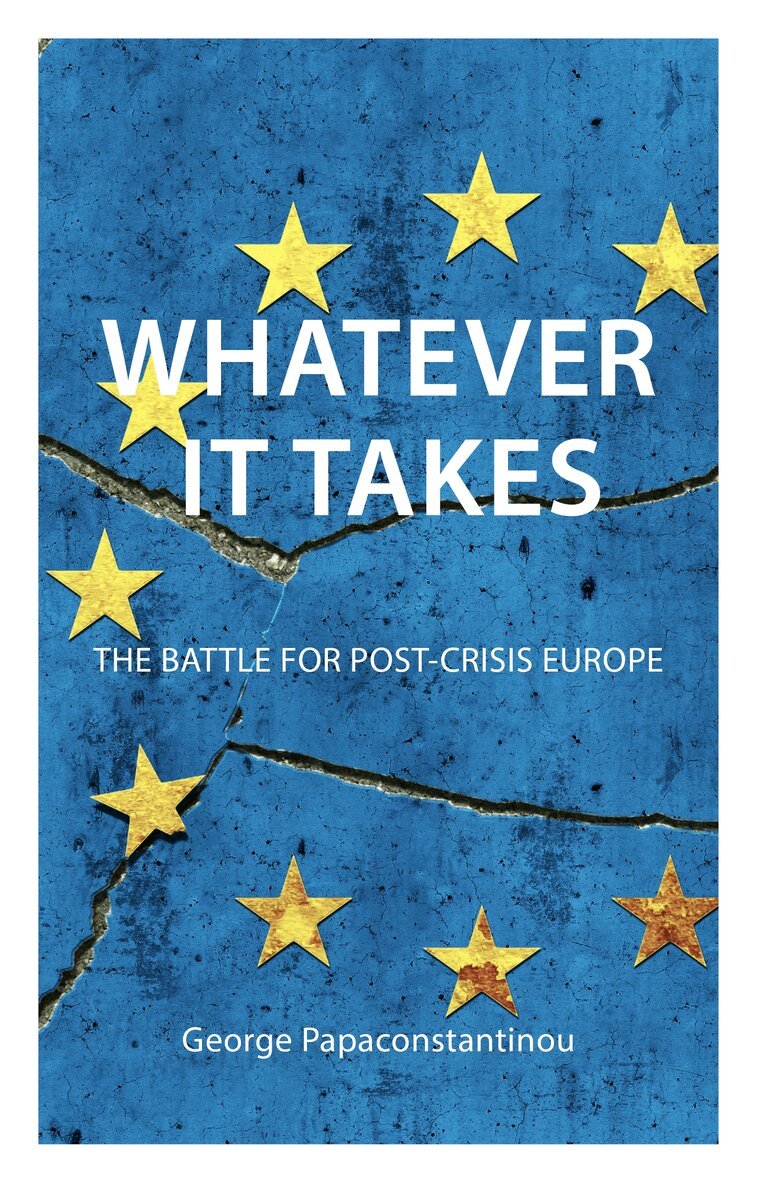
For generations, Europeans have become accustomed to rising prosperity, an increasingly supportive social safety net and the expectation that each generation will fare better than the last. Europe has built a social model that is second to none, and fashioned a continent of disparate nations into a community that shares common values with democratic institutions that are the envy of the world.Yet, Europe, as a common project is increasingly questioned by its citizens. The emphasis on solidarity, the driving force behind the social and economic integration, has given way to suspicion and nationalism. Openness and tolerance are strained by xenophobic, anti-immigrant sentiments, while populists and extremists set the agenda and dominate the policy debate.European countries have borne the brunt of the global economic forces that have strained its institutions and capacity to respond appropriately. Characterised by uncertainty and delay both in handling the Euro crisis, Greece’s ongoing economic woes, Brexit and now a migrant crisis, Europe is at a crossroads in its development: a restructuring at the very least, if not a new settlement of power within the union, is on the cards. This book will attempt to understand what "post-crisis Europe" will look like, and what the opportunities are to rethink its economic, social and institutional architecture as well as to address the nagging democratic deficit that undermines its legitimacy as a democratic entity.George Papaconstantinou is uniquely placed to offer commentary on the machinations of the union and its internal behaviour. Appointed Greek Finance Minister by Papandreou in the newly formed government in 2009, he played a key role in the Greek crisis, negotiating the first bail-out with the Troika.
381 kr
Skickas
For generations, Europeans have become accustomed to rising prosperity, an increasingly supportive social safety net and the expectation that each generation will fare better than the last. Europe has built a social model that is second to none, and fashioned a continent of disparate nations into a community that shares common values with democratic institutions that are the envy of the world.Yet, Europe, as a common project is increasingly questioned by its citizens. The emphasis on solidarity, the driving force behind the social and economic integration, has given way to suspicion and nationalism. Openness and tolerance are strained by xenophobic, anti-immigrant sentiments, while populists and extremists set the agenda and dominate the policy debate.European countries have borne the brunt of the global economic forces that have strained its institutions and capacity to respond appropriately. Characterised by uncertainty and delay both in handling the Euro crisis, Greece’s ongoing economic woes, Brexit and now a migrant crisis, Europe is at a crossroads in its development: a restructuring at the very least, if not a new settlement of power within the union, is on the cards. This book will attempt to understand what "post-crisis Europe" will look like, and what the opportunities are to rethink its economic, social and institutional architecture as well as to address the nagging democratic deficit that undermines its legitimacy as a democratic entity.George Papaconstantinou is uniquely placed to offer commentary on the machinations of the union and its internal behaviour. Appointed Greek Finance Minister by Papandreou in the newly formed government in 2009, he played a key role in the Greek crisis, negotiating the first bail-out with the Troika.