Conceptual History and Chinese Linguistics – serie
Visar alla böcker i serien Conceptual History and Chinese Linguistics. Handla med fri frakt och snabb leverans.
2 produkter
2 produkter
Del 1 - Conceptual History and Chinese Linguistics
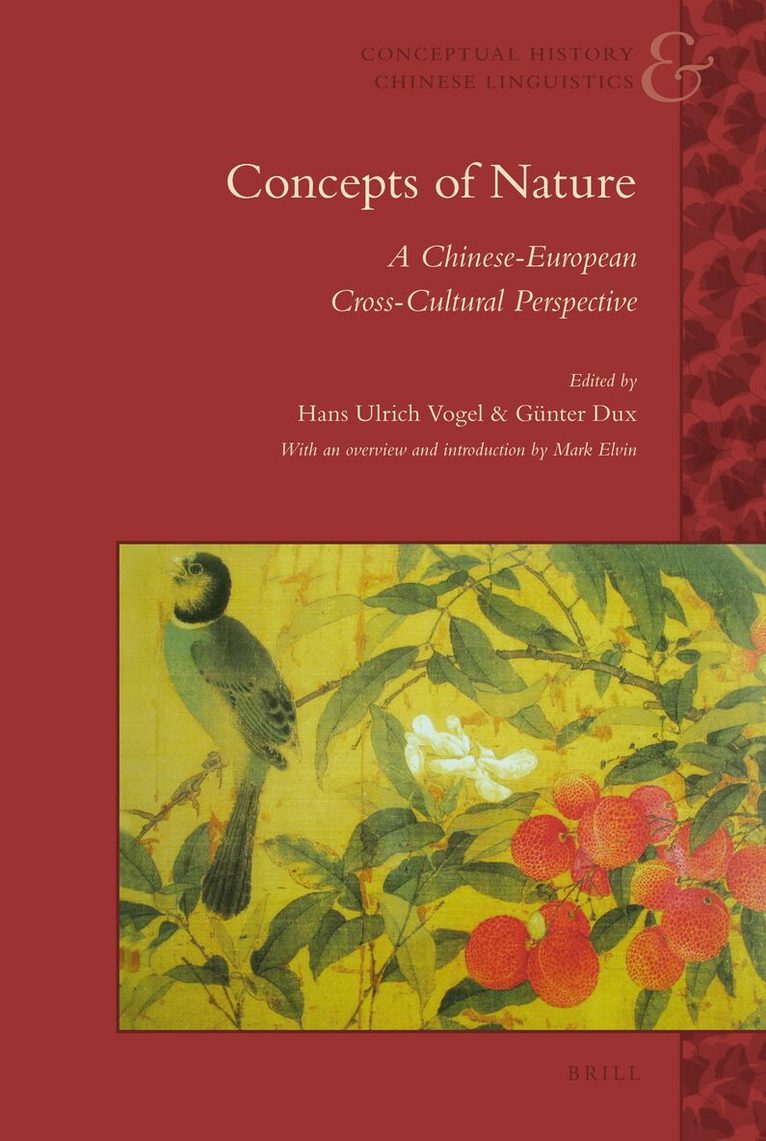
Concepts of Nature
A Chinese-European Cross-Cultural Perspective
Inbunden, Engelska, 2010
4 332 kr
Skickas inom 3-6 vardagar
This book, inspired by the sociologist Günter Dux, co-edited by the historian Hans Ulrich Vogel, and introduced by Mark Elvin, is a collective intellectual masterpiece written by some of the world’s leading scholars. Its purpose is to illuminate premodern Chinese ways of thinking about Nature by comparing them with their counterpart traditions in Europe. In so doing it also subtly reshapes our understanding of premodern European concepts of the natural world. The domains covered principally include philosophy, language, poetry, science, and mathematics, and their relations with society, technology, and politics. By analyzing the frequent partial similarities between these great two cultural areas in the context of their overall contrasts, it points the way for the first time to defining accurately the differences that have been critical for world history.
Del 3 - Conceptual History and Chinese Linguistics
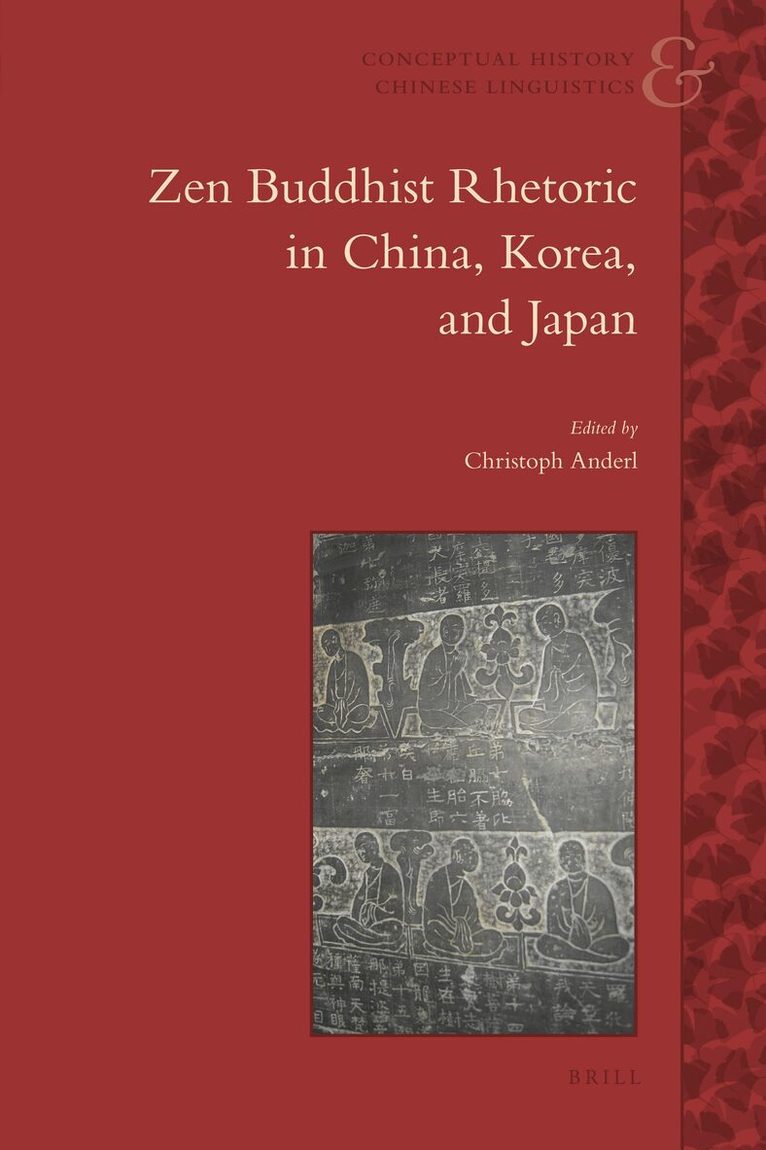
Zen Buddhist Rhetoric in China, Korea, and Japan
Inbunden, Engelska, 2011
2 964 kr
Skickas inom 3-6 vardagar
One of the key factors for the success of the Chán/Sǒn/Zen schools in East Asia was the creativity of their adherents concerning the development of innovative literary genres and the skillful application of linguistic and rhetorical devices in their textual products. From the very beginning, Zen Buddhists used literature in order to attract the attention and support of influential lay Buddhists, such as literati, officials, and members of the aristocracy. Consequently, Zen Buddhist texts had a deep and lasting impact on the development of East Asian languages, literary genres, and rhetorical devices, and more generally, on East Asian culture. In this volume, leading specialists in East Asian Buddhism and linguistics analyze the interplay of language and doctrine/ideology in Chinese Chán, Korean Sŏn, and Japanese Zen, as well as tracing developments triggered by changes in the respective sociopolitical and socio-religious contexts.As a special focus, Zen rhetoric will be related to pre-Chán Buddhist literary developments in India and China, in order to trace continuities and changes in the application of rhetorical strategies in the overall framework of Buddhist literary production.Through this diachronic and comparative approach, the great complexity and the multifaceted features of Chán/Sŏn/Zen literature is revealed.