Current Issues in Neuropsychology - Böcker
Visar alla böcker i serien Current Issues in Neuropsychology. Handla med fri frakt och snabb leverans.
10 produkter
10 produkter
591 kr
Skickas inom 10-15 vardagar
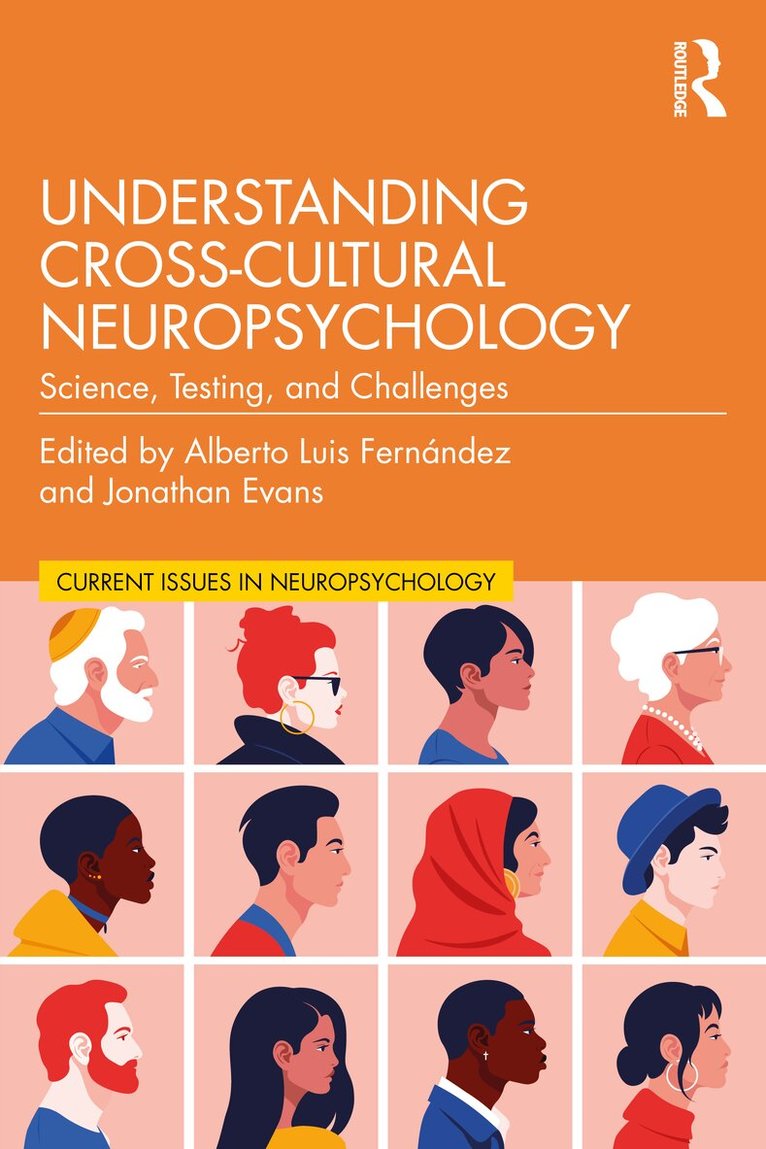
Understanding Cross-Cultural Neuropsychology thoroughly examines the meaning of culture in the context of neuropsychology, focusing on the fundamental neuroscience underlying how different aspects of culture influence neuropsychological test performance, and how that is related to brain function. It explores in detail the relationship between brain activity and culture, and the influence of various cultural, educational, and linguistic factors on neuropsychological test performances across various cognitive domains. Written by leadings researchers in cross-cultural neuropsychology, the book first introduces the basic concepts in the field. It goes on to focus on the influence of cultural variables on specific domains of cognition, including perception, attention, memory, language, and executive functions. It also explores the implications of cross-cultural neuropsychology in practice, including a focus on test adaptation, the use of interpreters, the influence of acculturation, and the practice of neuropsychological rehabilitation in different cultural settings.This book is essential reading for neuropsychologists and related practitioners working with culturally diverse clients, who need a good grasp of the cultural impacts on neuropsychological test performance when assessing clients from different cultural, linguistic, and educational backgrounds. It is also valuable for neuropsychologists in countries around the world who need a means of understanding the ways in which their culture impacts the performances of their clients on tests, which have been mostly developed in the U.S. or other Western cultures.
Understanding Cross-Cultural Neuropsychology
Science, Testing, and Challenges
Inbunden, Engelska, 2022
2 162 kr
Skickas inom 10-15 vardagar
Understanding Cross-Cultural Neuropsychology thoroughly examines the meaning of culture in the context of neuropsychology, focusing on the fundamental neuroscience underlying how different aspects of culture influence neuropsychological test performance, and how that is related to brain function. It explores in detail the relationship between brain activity and culture, and the influence of various cultural, educational, and linguistic factors on neuropsychological test performances across various cognitive domains. Written by leadings researchers in cross-cultural neuropsychology, the book first introduces the basic concepts in the field. It goes on to focus on the influence of cultural variables on specific domains of cognition, including perception, attention, memory, language, and executive functions. It also explores the implications of cross-cultural neuropsychology in practice, including a focus on test adaptation, the use of interpreters, the influence of acculturation, and the practice of neuropsychological rehabilitation in different cultural settings.This book is essential reading for neuropsychologists and related practitioners working with culturally diverse clients, who need a good grasp of the cultural impacts on neuropsychological test performance when assessing clients from different cultural, linguistic, and educational backgrounds. It is also valuable for neuropsychologists in countries around the world who need a means of understanding the ways in which their culture impacts the performances of their clients on tests, which have been mostly developed in the U.S. or other Western cultures.
1 950 kr
Skickas inom 10-15 vardagar
The psychological impact of an acquired brain injury (ABI) can be devastating for both the person involved and their family. This book describes the different types of psychological therapies used to ameliorate psychological distress following ABI. Each chapter presents a new therapeutic approach by experts in the area. Readers will learn about the key principles and techniques of the therapy alongside its application to a specific case following ABI. In addition, readers will gain insight into which approach may be most beneficial to whom as well as those where there may be additional challenges. Covering a wide array of psychological therapies, samples range from more historically traditional approaches to those more recently developed. Psychological Therapies in Acquired Brain Injury will be of great interest to clinicians and researchers working in brain injury rehabilitation, as well as practitioners, researchers and students of psychology, neuropsychology and rehabilitation.
590 kr
Skickas inom 10-15 vardagar
The psychological impact of an acquired brain injury (ABI) can be devastating for both the person involved and their family. This book describes the different types of psychological therapies used to ameliorate psychological distress following ABI. Each chapter presents a new therapeutic approach by experts in the area. Readers will learn about the key principles and techniques of the therapy alongside its application to a specific case following ABI. In addition, readers will gain insight into which approach may be most beneficial to whom as well as those where there may be additional challenges. Covering a wide array of psychological therapies, samples range from more historically traditional approaches to those more recently developed. Psychological Therapies in Acquired Brain Injury will be of great interest to clinicians and researchers working in brain injury rehabilitation, as well as practitioners, researchers and students of psychology, neuropsychology and rehabilitation.
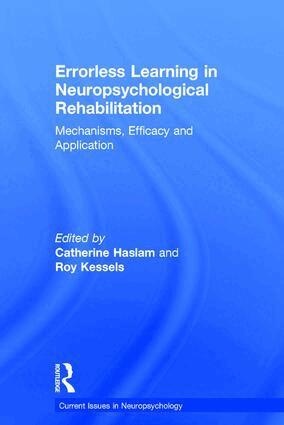
Errorless Learning in Neuropsychological Rehabilitation
Mechanisms, Efficacy and Application
Inbunden, Engelska, 2017
2 159 kr
Skickas inom 10-15 vardagar
Errrorless learning is one of the most studied principles in neurorehabilitation. This is the first volume to capture all the key elements in the field in one invaluable resource, providing an up-to-date and broad analysis of the use of errorless learning principles in rehabilitation after brain injury.With contributions from key researchers in the field, Errorless Learning in Neuropsychological Rehabilitation covers the historical foundations of errorless learning, current understanding of underlying mechanisms which support learning and its use in memory and language in rehabilitation as applied to particular populations across the age span. This volume also addresses questions of efficacy through analysis of research comparing errorless learning with other established learning methods and principles. Errorless Learning in Neuropsychological Rehabilitation is an essential resource for practitioners, researchers and students of psychology, neuropsychology and rehabilitation.
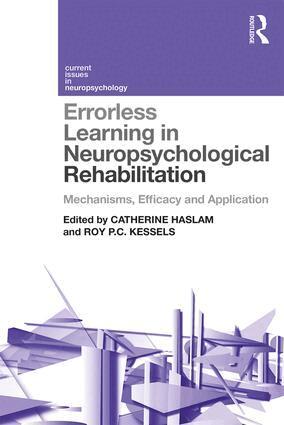
Errorless Learning in Neuropsychological Rehabilitation
Mechanisms, Efficacy and Application
Häftad, Engelska, 2017
701 kr
Skickas inom 10-15 vardagar
Errrorless learning is one of the most studied principles in neurorehabilitation. This is the first volume to capture all the key elements in the field in one invaluable resource, providing an up-to-date and broad analysis of the use of errorless learning principles in rehabilitation after brain injury.With contributions from key researchers in the field, Errorless Learning in Neuropsychological Rehabilitation covers the historical foundations of errorless learning, current understanding of underlying mechanisms which support learning and its use in memory and language in rehabilitation as applied to particular populations across the age span. This volume also addresses questions of efficacy through analysis of research comparing errorless learning with other established learning methods and principles. Errorless Learning in Neuropsychological Rehabilitation is an essential resource for practitioners, researchers and students of psychology, neuropsychology and rehabilitation.
1 502 kr
Tillfälligt slut
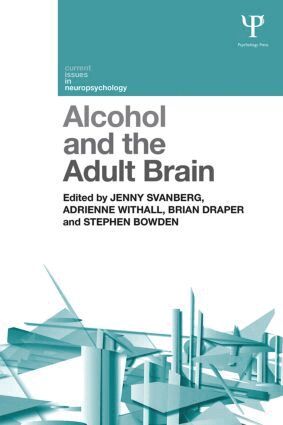
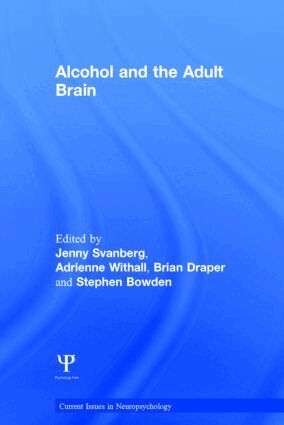
The research literature on the impact of alcohol on the brain has seen a rapid expansion in recent years. Alcohol and the Adult Brain presents an up-to-date overview of some of the issues relevant to understanding and working with people with cognitive impairment as a result of chronic alcohol use.One issue causing barriers to effective treatment and care is the stigma associated with alcohol dependence, resulting in the belief that difficulties associated with alcohol related brain damage (ARBD) are ‘self-inflicted’. Cognitive changes resulting from alcohol excess and poor nutrition can directly affect an individual’s ability to motivate themselves, make decisions, and make the informed choices that underlie behaviour change. Attitudes held by professionals, reinforced by societal norms, that a person is ‘choosing to drink’ and ‘not motivated to engage with treatment’, in combination with the often subtle cognitive deficits associated with ARBD, can result in a lack of timely intervention, with enormous personal, social and economic cost. The chapters in this book set ARBD in a social and cultural context, provide discussion of the difficulties in definition and diagnosis, and outline the structural brain changes and neuropsychological deficits associated with chronic alcohol use. The book provides an overview of recent research on ARBD, including impairments associated with Wernicke-Korsakoff Syndrome, and discusses up to date recommendations for managing and working with this complex and varied disorder. Alcohol and the Adult Brain will be essential for students and researchers working with ARBD and for practitioners in a range of health, social care and voluntary settings.
715 kr
Skickas inom 10-15 vardagar
The research literature on the impact of alcohol on the brain has seen a rapid expansion in recent years. Alcohol and the Adult Brain presents an up-to-date overview of some of the issues relevant to understanding and working with people with cognitive impairment as a result of chronic alcohol use.One issue causing barriers to effective treatment and care is the stigma associated with alcohol dependence, resulting in the belief that difficulties associated with alcohol related brain damage (ARBD) are ‘self-inflicted’. Cognitive changes resulting from alcohol excess and poor nutrition can directly affect an individual’s ability to motivate themselves, make decisions, and make the informed choices that underlie behaviour change. Attitudes held by professionals, reinforced by societal norms, that a person is ‘choosing to drink’ and ‘not motivated to engage with treatment’, in combination with the often subtle cognitive deficits associated with ARBD, can result in a lack of timely intervention, with enormous personal, social and economic cost. The chapters in this book set ARBD in a social and cultural context, provide discussion of the difficulties in definition and diagnosis, and outline the structural brain changes and neuropsychological deficits associated with chronic alcohol use. The book provides an overview of recent research on ARBD, including impairments associated with Wernicke-Korsakoff Syndrome, and discusses up to date recommendations for managing and working with this complex and varied disorder. Alcohol and the Adult Brain will be essential for students and researchers working with ARBD and for practitioners in a range of health, social care and voluntary settings.
2 159 kr
Skickas inom 10-15 vardagar
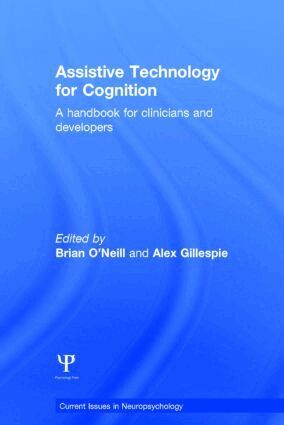
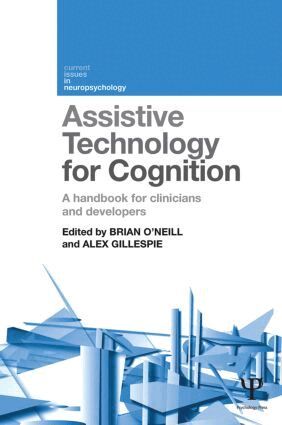
Assistive technology for cognition is technology which can be used to enable, enhance, or extend cognitive function. This book systematically examines how cutting-edge digital technologies can assist the cognitive function of people with cognitive impairments, with the potential to revolutionize rehabilitation. Technologies are reviewed which direct attention, remind, recognize, prompt, and generally guide people through activities of daily living. Written by experts in neuropsychology and technology development, Assistive Technology for Cognition provides a comprehensive overview of the efficacy of technologies to assist people with brain impairments. Based on the list provided by the International Classification of Function, each chapter covers a different cognitive function; namely, attention, memory, affect, perception, executive function, language, numeracy, sequencing, and navigation onto which existing and future assistive technologies for cognition are mapped. This structure provides in-depth research in an accessible way, and will allow practitioners to move from an assessment of cognitive deficits to the prescription of an appropriate assistive technology for cognition. The chapters also make suggestions for future developments.Assistive Technology for Cognition will be of great interest to clinicians and researchers working in brain injury rehabilitation, technology developers, and also to students in clinical psychology, neuropsychology, and allied health disciplines.
660 kr
Skickas inom 10-15 vardagar
Assistive technology for cognition is technology which can be used to enable, enhance, or extend cognitive function. This book systematically examines how cutting-edge digital technologies can assist the cognitive function of people with cognitive impairments, with the potential to revolutionize rehabilitation. Technologies are reviewed which direct attention, remind, recognize, prompt, and generally guide people through activities of daily living. Written by experts in neuropsychology and technology development, Assistive Technology for Cognition provides a comprehensive overview of the efficacy of technologies to assist people with brain impairments. Based on the list provided by the International Classification of Function, each chapter covers a different cognitive function; namely, attention, memory, affect, perception, executive function, language, numeracy, sequencing, and navigation onto which existing and future assistive technologies for cognition are mapped. This structure provides in-depth research in an accessible way, and will allow practitioners to move from an assessment of cognitive deficits to the prescription of an appropriate assistive technology for cognition. The chapters also make suggestions for future developments.Assistive Technology for Cognition will be of great interest to clinicians and researchers working in brain injury rehabilitation, technology developers, and also to students in clinical psychology, neuropsychology, and allied health disciplines.