Decolonizing the Curriculum - Böcker
Visar alla böcker i serien Decolonizing the Curriculum. Handla med fri frakt och snabb leverans.
6 produkter
6 produkter
640 kr
Skickas inom 7-10 vardagar
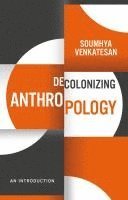
Decolonization has been a buzzword in anthropology for decades, but remains difficult to grasp and to achieve. This groundbreaking volume offers not only a critical examination of approaches to decolonization, but also fresh ways of thinking about the relationship between anthropology and colonialism, and how we might move beyond colonialism’s troubling legacy.Soumhya Venkatesan describes the work already underway, and the work still needed, to extend the horizons of the discipline. Drawing on scholarship from anthropology and cognate disciplines, as well as ethnographic and other case studies, she argues both that the practice of anthropology needs to be and do better, and that it is worth saving. She focuses not only on ways of decolonizing anthropology but also on the potential of ‘a decolonizing anthropology’.Rich with insights from a range of fields, Decolonizing Anthropology is an essential resource for students and scholars.
261 kr
Skickas inom 7-10 vardagar
Decolonization has been a buzzword in anthropology for decades, but remains difficult to grasp and to achieve. This groundbreaking volume offers not only a critical examination of approaches to decolonization, but also fresh ways of thinking about the relationship between anthropology and colonialism, and how we might move beyond colonialism’s troubling legacy.Soumhya Venkatesan describes the work already underway, and the work still needed, to extend the horizons of the discipline. Drawing on scholarship from anthropology and cognate disciplines, as well as ethnographic and other case studies, she argues both that the practice of anthropology needs to be and do better, and that it is worth saving. She focuses not only on ways of decolonizing anthropology but also on the potential of ‘a decolonizing anthropology’.Rich with insights from a range of fields, Decolonizing Anthropology is an essential resource for students and scholars.
688 kr
Skickas inom 7-10 vardagar
Recent efforts to diversify and decentre the literary canon taught at universities have been moderately successful. Yet this expansion of our reading lists is only the start of a broader decolonization of literary studies as a discipline; there is much left to be done. How can students and educators best participate in this urgent intellectual and political project?Anna Bernard argues that the decolonization of literary studies requires a change to not only what, but how, we read. In lively prose, she explores work that has already been done, both within and beyond the academy, and challenges readers to think about where we go from here. She suggests ways to recognize and respond to the political work that texts do, considering questions of language and translation, comparative reading, ideological argument, and genre in relation to the history of anticolonial struggle. Above all, Bernard shows that although we still have far to go, the work of decolonizing literary studies is already under way.Decolonizing Literature is a must-have resource for all those concerned by the development and future of the field.
250 kr
Skickas inom 7-10 vardagar
Recent efforts to diversify and decentre the literary canon taught at universities have been moderately successful. Yet this expansion of our reading lists is only the start of a broader decolonization of literary studies as a discipline; there is much left to be done. How can students and educators best participate in this urgent intellectual and political project?Anna Bernard argues that the decolonization of literary studies requires a change to not only what, but how, we read. In lively prose, she explores work that has already been done, both within and beyond the academy, and challenges readers to think about where we go from here. She suggests ways to recognize and respond to the political work that texts do, considering questions of language and translation, comparative reading, ideological argument, and genre in relation to the history of anticolonial struggle. Above all, Bernard shows that although we still have far to go, the work of decolonizing literary studies is already under way.Decolonizing Literature is a must-have resource for all those concerned by the development and future of the field.
759 kr
Skickas inom 7-10 vardagar
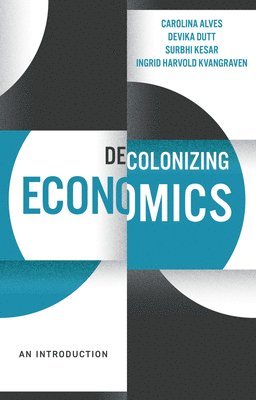
Decolonization has long been debated across the social sciences, but the economics discipline has so far avoided such critical engagement. This book provides a much-needed intervention.Dutt, Alves, Kesar, and Kvangraven uncover the deeply Eurocentric foundations that shape how economists study the world today. These have rendered the discipline ill-equipped to tackle critical questions, such as structural racism, uneven development, the climate crisis, labour relations, and how structural power shapes economic outcomes. Decolonizing economics entails challenging the norms of neutrality and objectivity that economists claim to speak from, while fostering alternative ways of understanding the economy that take seriously structural power relations and contemporary processes of economic development. Readers will come to understand the political stakes of decolonization and the wide range of scholarship that already exists that can help us grasp economics from non-Eurocentric perspectives. Through such scholarship, we can gain an enriched understanding of capitalism and its relationship to exploitation, colonialism, and racialization. The author order is randomized. All authors contributed equally to the book.
224 kr
Skickas inom 7-10 vardagar
Decolonization has long been debated across the social sciences, but the economics discipline has so far avoided such critical engagement. This book provides a much-needed intervention.Dutt, Alves, Kesar, and Kvangraven uncover the deeply Eurocentric foundations that shape how economists study the world today. These have rendered the discipline ill-equipped to tackle critical questions, such as structural racism, uneven development, the climate crisis, labour relations, and how structural power shapes economic outcomes. Decolonizing economics entails challenging the norms of neutrality and objectivity that economists claim to speak from, while fostering alternative ways of understanding the economy that take seriously structural power relations and contemporary processes of economic development. Readers will come to understand the political stakes of decolonization and the wide range of scholarship that already exists that can help us grasp economics from non-Eurocentric perspectives. Through such scholarship, we can gain an enriched understanding of capitalism and its relationship to exploitation, colonialism, and racialization. The author order is randomized. All authors contributed equally to the book.